










“Iron Dragon” accelerates military modernisation China readies PLA for 2027
China’s leadership continues to prioritise the development and modernisation of the country’s Armed Forces, as evidenced by the defence budget for 2026 presented at the 4th session of the 14th National People’s Congress (NPC).
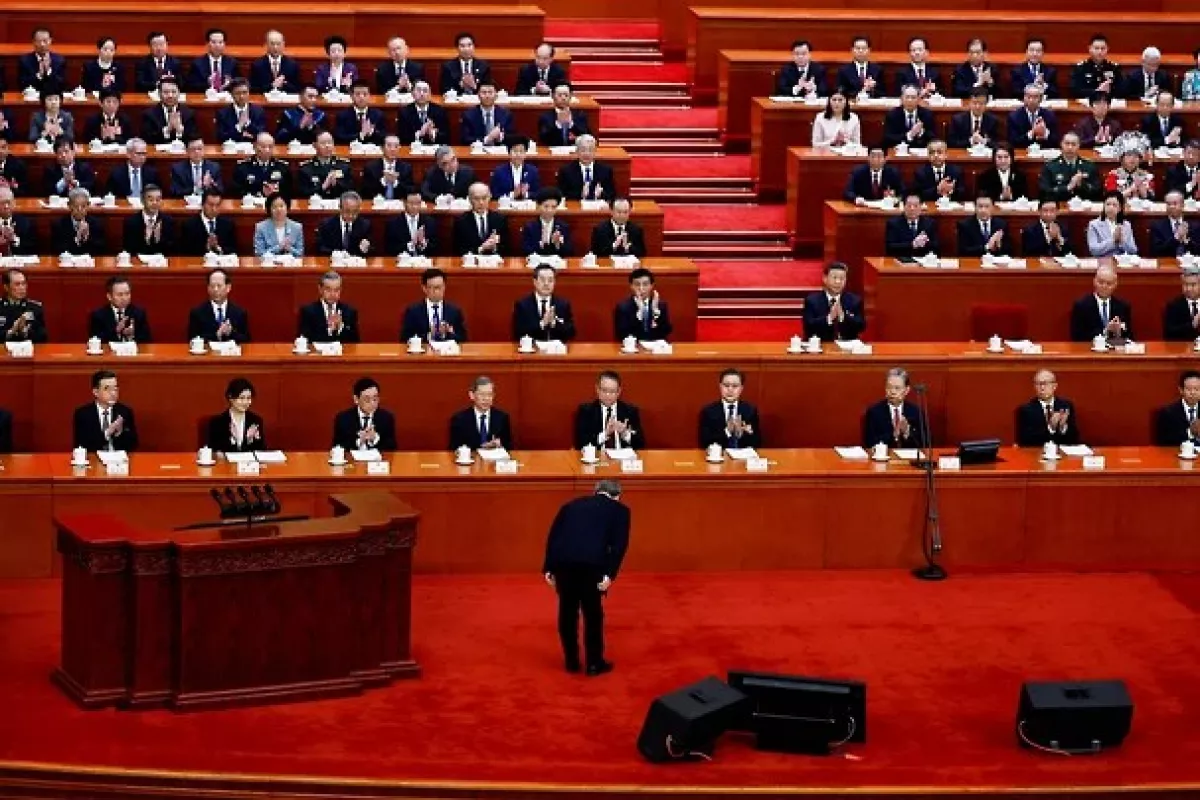
The NPC began its work on March 5, with Premier Li Qiang delivering the government work report and outlining the economic development goals for 2026. He noted, in particular, that GDP growth is projected at 4.5% in real terms, which aligns with the data from the International Monetary Fund. On the other hand, this is the lowest officially stated growth figure for China’s economy since 1991, due to a range of factors. The International Institute for Strategic Studies recently highlighted in its analysis that, as a result of the global economic crisis, Beijing faces challenges such as low consumer confidence, high urban unemployment, and a slowdown in the real estate market.
At the same time, the Governor of the People’s Bank of China, Pan Gongsheng, and the Minister of Finance, Lan Fo’an, stated in 2025 that in order for China to become a developed middle-income country by 2035 in terms of GDP per capita, it will need an annual economic growth rate of at least 4.17% over the next decade. Thus, according to China’s leadership, GDP growth in the near future is unlikely to fall below 4.5%.
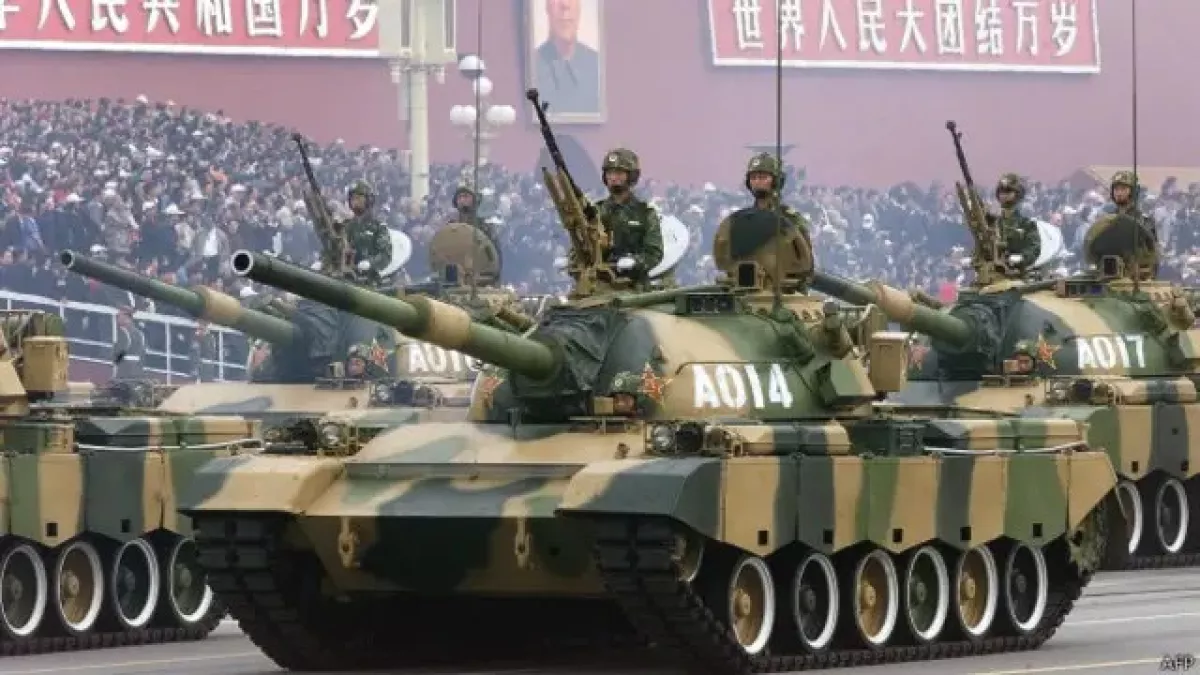
However, global geopolitical turbulence is shaping Beijing’s policy. According to preliminary plans for 2026, the official defence budget will continue to grow at a nominal rate of 7%. This figure aligns with recent trends: in 2022, growth was 7%, and in 2023, 2024, and 2025 it was 7.2%. However, these rates do not account for inflation and exclude spending on territorial defence. Overall, in 2026, China’s total military budget will reach 1.935 trillion yuan, or 273 billion US dollars.
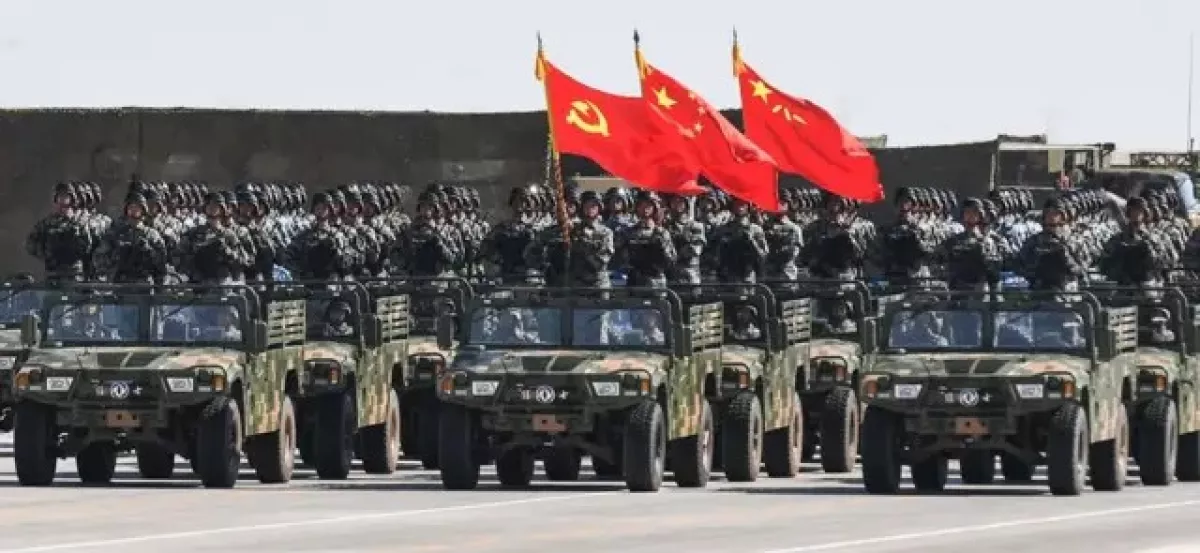
As defence spending grows faster than the Chinese economy as a whole, the share of the core defence budget in GDP has been increasing. It has now reached its highest level in the past decade (1.32%), though it remains below that of other major powers, such as the United States, where the defence budget share of GDP in 2026 reached 3.12%. It is also lower than NATO’s new 3.5% target for military spending, albeit with lower material and personnel costs compared to the West.
This trend of growth exceeding China’s overall GDP targets indicates that defence remains one of the main political priorities of the Chinese government.
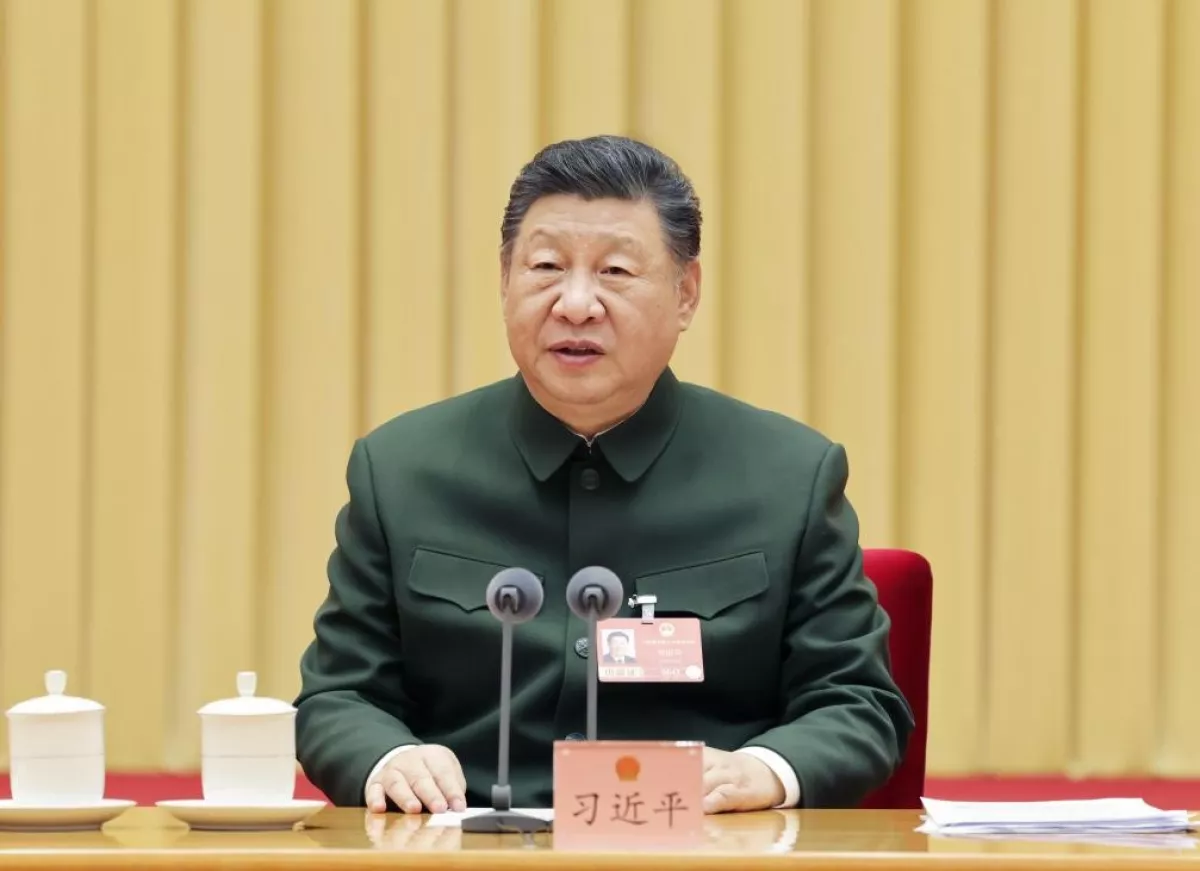
Another important point is that 2026 will mark the first year of implementation of China’s 15th Five-Year Plan. As a result, this year’s budget prioritises defence in connection with the start of new weapons procurement cycles. In his speech to the delegation of the People’s Liberation Army (PLA) and the People’s Armed Police at the 4th session of the 14th National People’s Congress, President Xi Jinping emphasised that since the 18th Congress of the Chinese Communist Party (CCP) in 2012, the Party’s Central Committee has led the Armed Forces with unprecedented determination and intensity in advancing political rectification and promoting political loyalty within the military, achieving significant results in this regard.
In his address, the Chinese leader specifically noted that “there should be no place in the army for those who are disloyal to the Party or for corrupt elements,” adding that the fight against corruption must be pursued relentlessly.
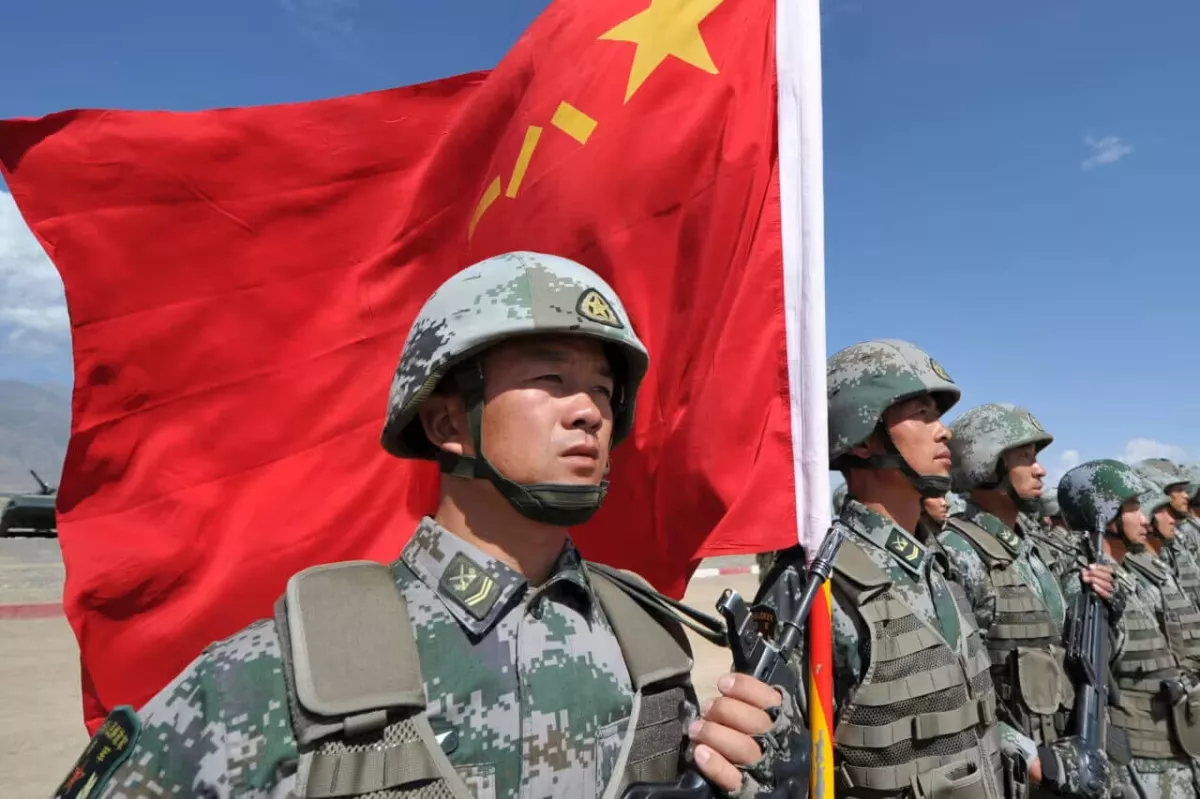
Another goal highlighted by Xi Jinping is the creation of a team of “revolutionary and professional talents,” including personnel for coordinating all branches of the armed forces, forming new combat units, implementing world-class scientific and technological innovations, and strategic management, among other tasks. In line with this, this year’s budget includes one of the highest annual increases in funds allocated to science and technology — up 10% compared with 2025.
Additional investments will also be directed to fundamental research, with its budget rising by 16.3% year-on-year. Moreover, annual spending is planned to increase for diplomatic activities (by 9.3%) and the creation of strategic reserves of oil, grain, and other vital commodities (by 8.1%).
In light of all this, Western experts focus on the implication that, as a result of these programmes, the PLA will be ready to address the Taiwan issue not in 2030, as previously thought, but already by 2027. This period coincides with the start of Xi Jinping’s fourth term and the U.S. presidential elections. Analysts emphasise that, by that time, China will possess the necessary instrument in the form of the People’s Liberation Army to handle any scenario that may unfold.







 editor@caliber.az
 +994 55 444-88-98
 Азербайджан, Баку, ул. Низами, 203, Af Business House, 5-й этаж