










Jon Iñarritu’s programmed lies The tiresome lament of a Spanish MP
The statement by Spanish Member of Parliament Jon Iñarritu describing the dialogue between Armenia and Azerbaijan as a “positive development” may, at first glance, appear to be an example of a balanced and sound approach. Negotiations, agreements, peace, stability, goodwill, and mutual respect — a familiar set of words, convenient and, most importantly, safe for any European politician speaking about the South Caucasus from a distance of several thousand kilometers.
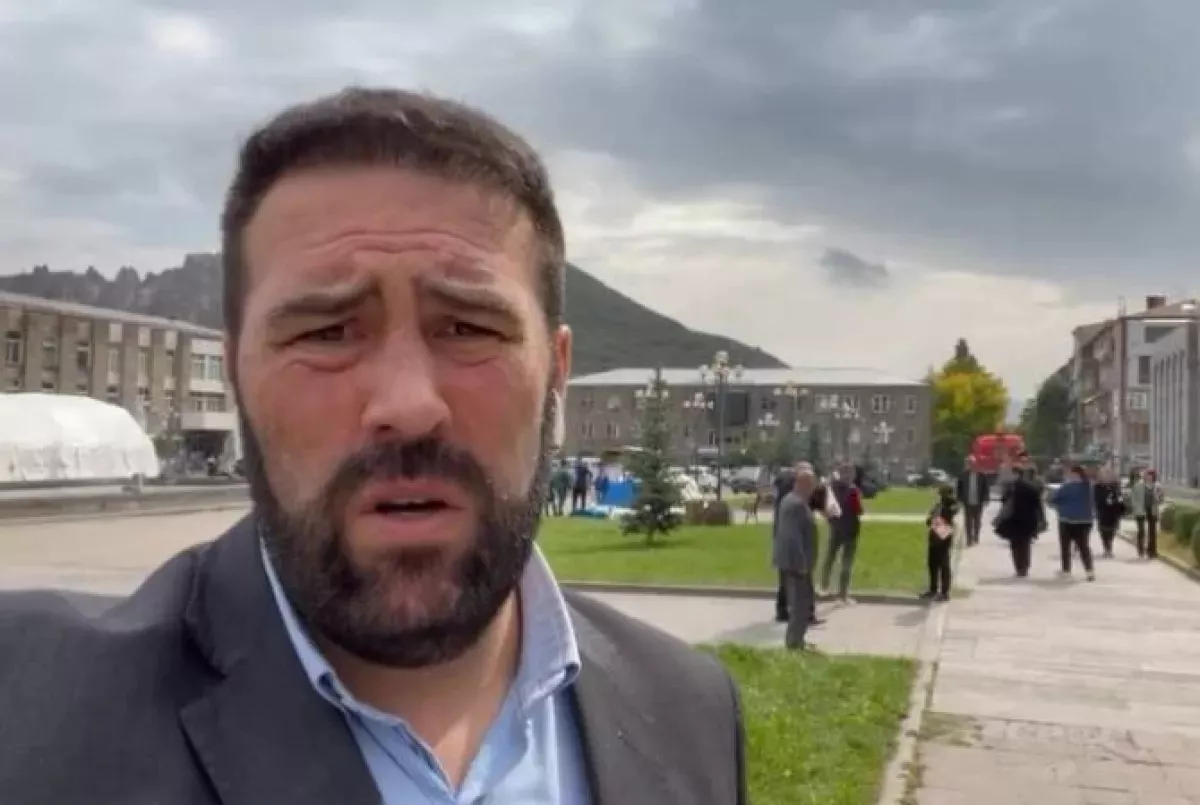
Yet from the very first lines of his interview with Armenpress, one gets the distinct impression that Baku and Yerevan, when proceeding to initial the draft peace agreement in Washington on August 8, somehow neglected — through an unfortunate lapse of memory — to consult Señor Iñarritu on which “joint steps” they should have taken on the road to peace.
His tone — patronizing, didactic, overtly moralizing — bears a striking resemblance to the musings of Bulgakov’s Sharikov, who famously expressed his principled “disagreement” with the correspondence between Engels and Kautsky without burdening himself with either subject knowledge or elementary logic.
Having begun, as the saying goes, “on a hopeful note,” the Spanish MP predictably ended on a somber one. After offering a perfunctory acknowledgment of the importance of the negotiation process, Iñarritu once again slid into a familiar set of clichés and mythologems that have been reproduced for decades by the Armenian lobby within European institutions. He even resorted to the outright nonsense surrounding the so-called “Armenian genocide.”
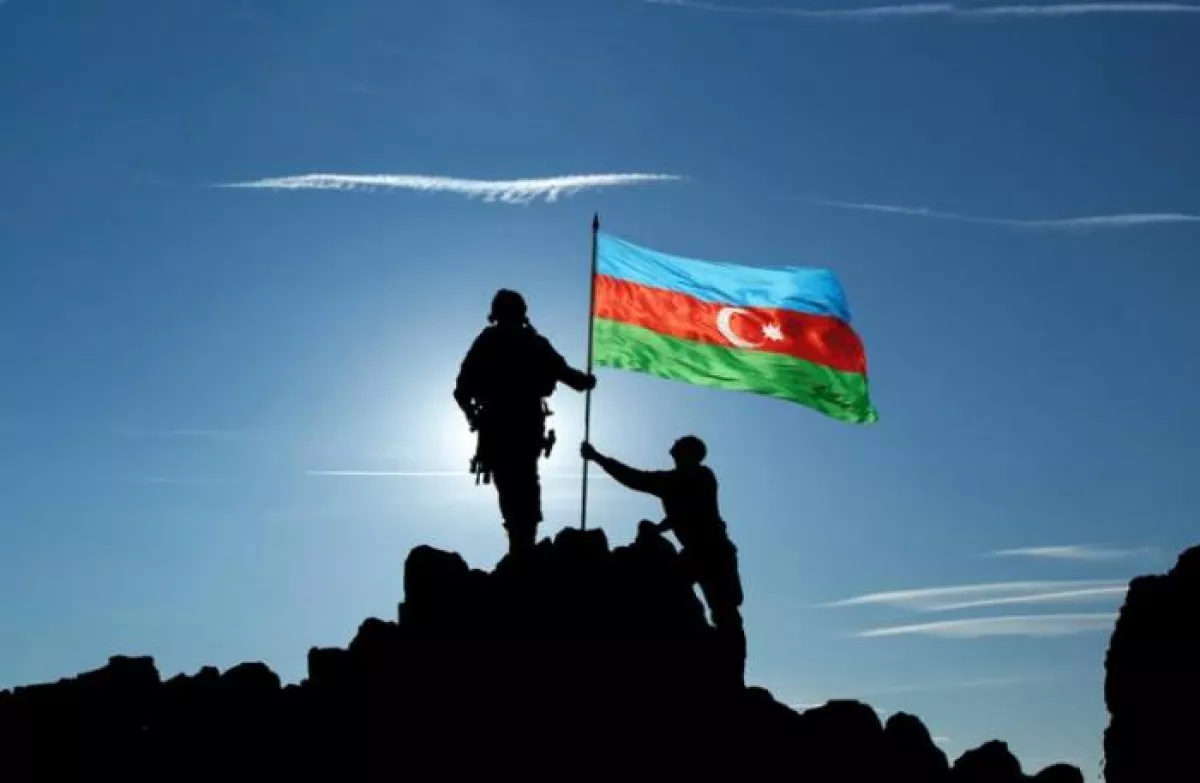
Equally telling is his use of the phrase “war over Nagorno-Karabakh.” First, there is no such administrative-territorial entity as “Nagorno-Karabakh.” There is only the Karabakh region of the Republic of Azerbaijan. Second, the First Karabakh War, the 44-day Patriotic War of autumn 2020, and the one-day counter-terrorist operation in September 2023 all took place exclusively on internationally recognized Azerbaijani territory. No military operations were ever conducted on Armenian soil. This fact alone provides a conclusive answer to the question of who has been and remains responsible for the Armenian-Azerbaijani conflict.
Particular attention should also be paid to accusations of “ethnic cleansing.” This claim is a blatant falsehood. Ethnic Armenians were illegally residing in the temporarily occupied Azerbaijani territories, refusing to recognize the Constitution and jurisdiction of the Republic of Azerbaijan. For many years, official Baku offered peaceful resolutions to the conflict, including granting the highest possible level of autonomy to this part of the country. These initiatives were consistently rejected by the leaders of the Karabakh junta, who acted under direct orders from Yerevan.
It is precisely for this reason that Azerbaijan exercised its right to self-defense, enshrined in Article 51 of the UN Charter, and restored its territorial integrity. In essence, the Azerbaijani state independently implemented what had been stipulated in the UN Security Council resolutions. Armenia, however, refused to comply with these documents—a fact the Spanish MP chose not to mention.
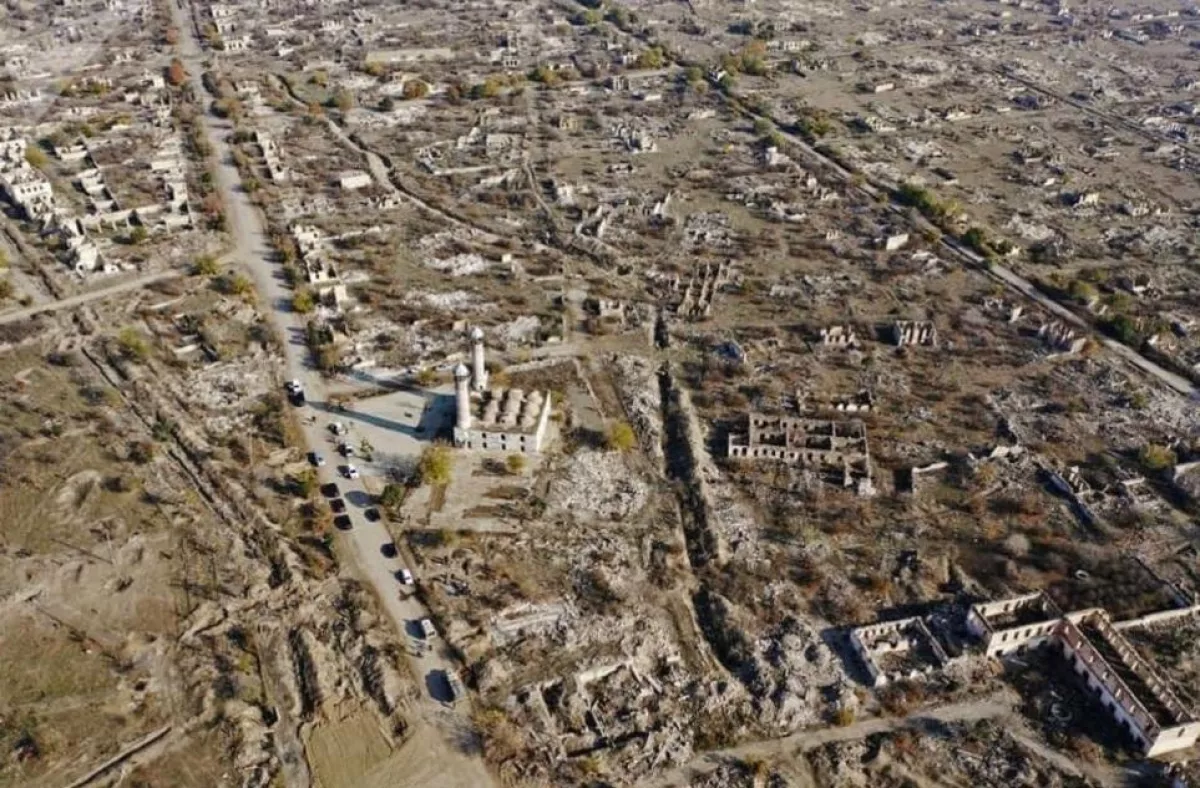
He made no mention of the hundreds of thousands of Azerbaijanis who became internally displaced as a result of Armenia’s occupation of Azerbaijani territories, nor of the genocide of civilians in Khojaly, nor of the systematic destruction by Armenians of the historical and cultural heritage of our people, nor of the transformation of Aghdam into the “Hiroshima of the Caucasus.” He also found no words to condemn Armenia’s missile strikes on Ganja and Barda during the 44-day war.
Yet Iñarritu did not miss the opportunity to speculate about “Western Azerbaijan,” thereby clearly revealing his bias and superficiality. And, of course, the Spanish MP conveniently “overlooked” the fact that official Baku has no territorial claims against the Republic of Armenia; the issue concerns solely the right of ethnic Azerbaijanis, forcibly expelled from their homes in present-day Armenia, to return peacefully to their historic lands—by planes, trains, and cars, not tanks and artillery.
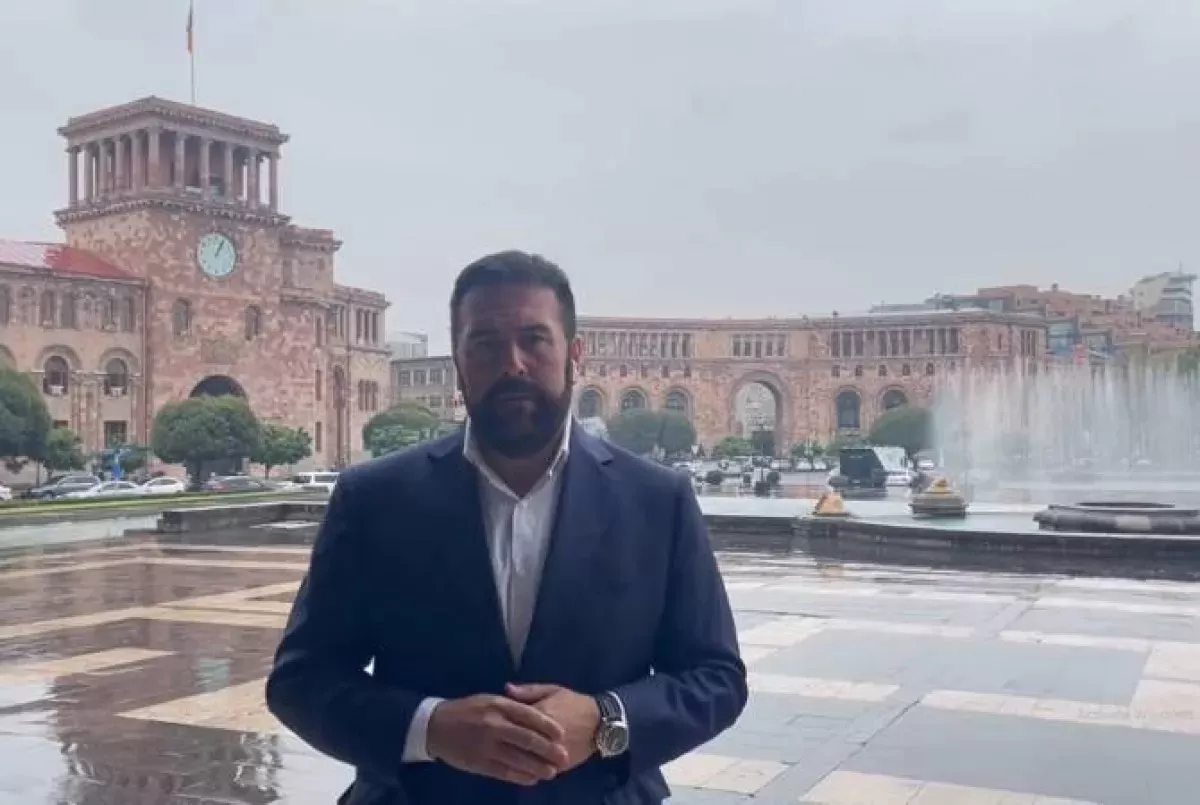
Is such rhetoric from a Spanish parliamentarian surprising? Not at all. In December 2022, by decree of Arayik Harutyunyan—currently on trial in Baku along with other former leaders of the Karabakh junta—John Inarritu was awarded the “Mkhitar Gosh” medal. Moreover, he visited the temporarily occupied territories of Azerbaijan after the 44-day war, called receiving the award “an honour,” and promised to “defend the right of Armenians to live in Artsakh,” linking this to the need for “international recognition.”
Today, we see a logical continuation of that same line. Inarritu is once again fulfilling his predictable program—like a figure skater performing long-rehearsed moves. Before us is not an independent European parliamentarian, but a troubadour of Armenian provocateurs and revanchists, whose speeches are as loud as they are empty, and as predictable in their falsehoods and intellectual impotence.







 editor@caliber.az
 +994 55 444-88-98
 Азербайджан, Баку, ул. Низами, 203, Af Business House, 5-й этаж