










Muslim NATO on the horizon? Why the alliance that never was still matters
Türkiye will not join the mutual defense agreement between Saudi Arabia and Pakistan, a source close to the Saudi military told AFP. The statement comes after comments by Türkiye’s foreign minister in mid-January, who noted that Ankara was negotiating a potential accession to Riyadh and Islamabad’s defence pact.
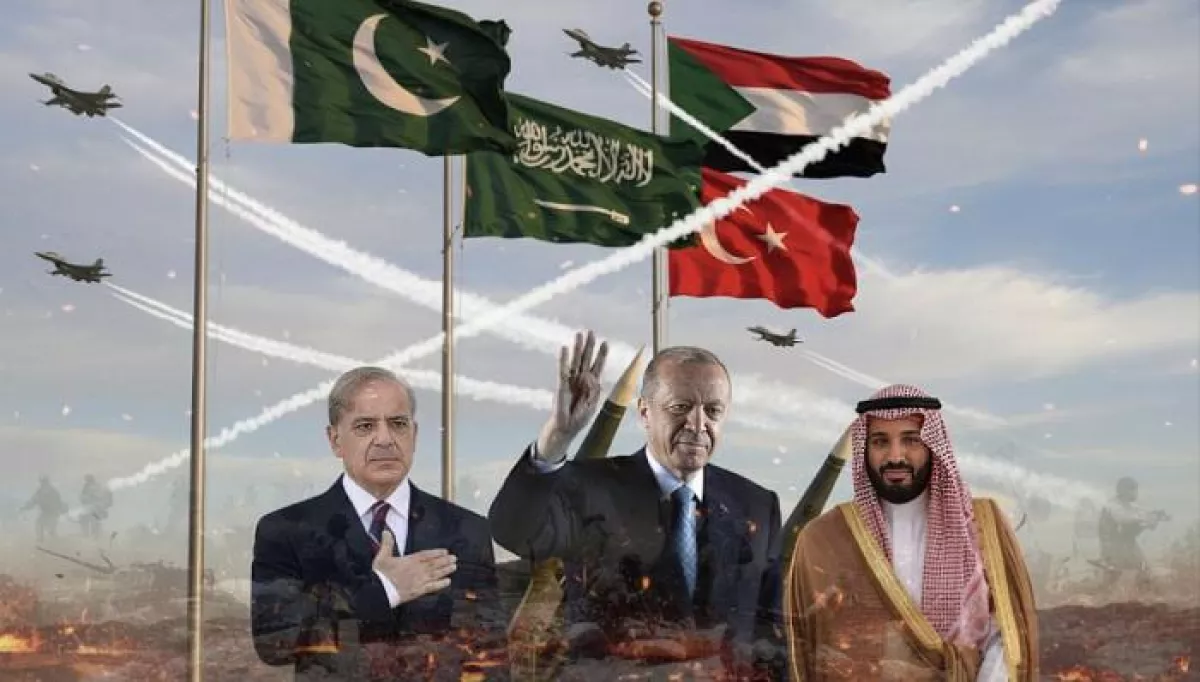
In recent weeks, international media have actively discussed the possibility of forming an alliance of three Muslim states, amid rising regional tensions and escalating situations in the Middle East. However, the new reports effectively dispel these expectations.
“This is a bilateral defensive relationship with Pakistan. We have common agreements with Turkey but the one with Pakistan will stay bilateral,” a representative of the Saudi armed forces said.
Ankara has not officially confirmed this information, leaving an element of uncertainty.
New defence alliances
The strategic mutual defence agreement between Saudi Arabia and Pakistan was signed on September 17, 2025—just a few days after Israeli strikes on a villa in Qatar’s capital, Doha, where, according to reports, a meeting of representatives of the Palestinian movement Hamas, engaged in an armed conflict with Israel, was taking place.
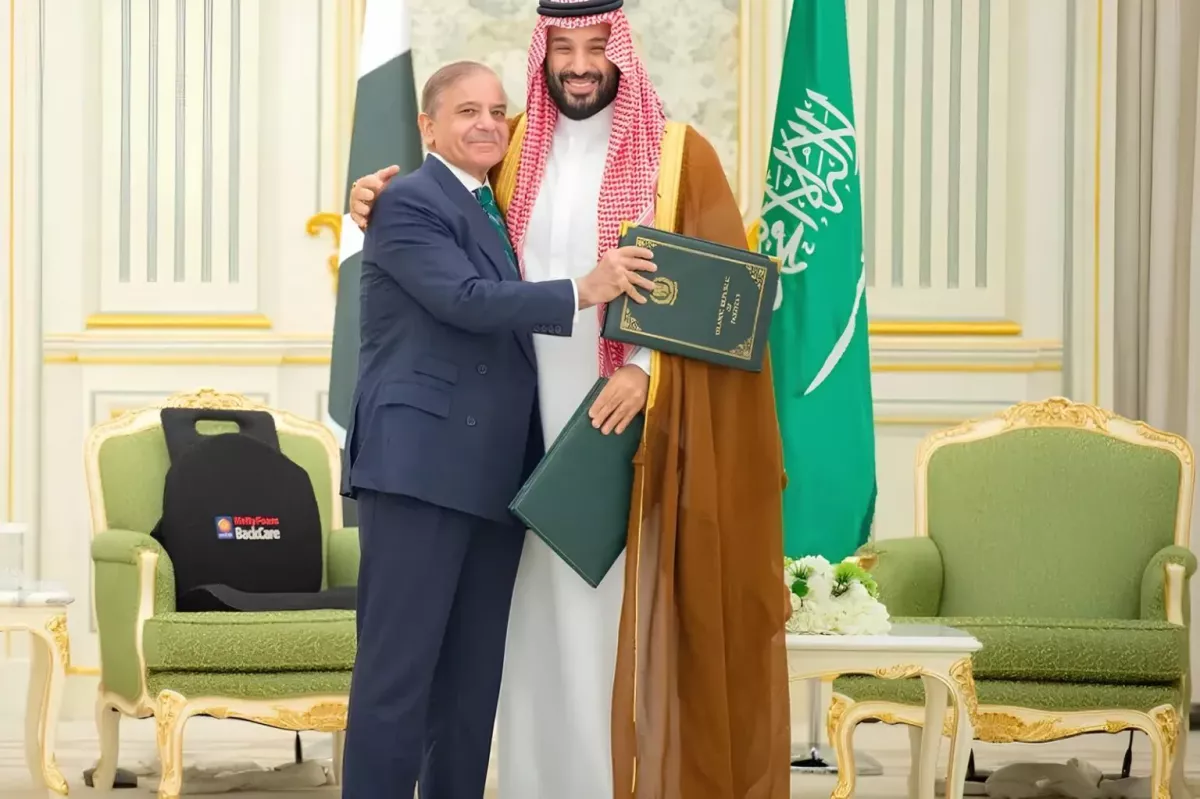
The negotiations between Riyadh and Islamabad were preceded by months of consultations, but it was the attack on Qatar—one of the United States’ closest allies in the region—that dealt a serious shock to the Middle East. This was particularly significant given that the Persian Gulf region has traditionally relied on Washington for military protection.
The situation was further intensified by the fact that the United States not only failed to defend Qatar but also continued supplying arms to Israel. According to media reports, a group of 15 Israeli aircraft attacked Doha, employing cruise missiles. Later, U.S. President Donald Trump secured an apology from Israeli Prime Minister Benjamin Netanyahu to Qatar’s Emir, Tamim bin Hamad Al Thani. However, observers note that this apology was largely symbolic: shortly thereafter, Washington announced the delivery of a new $6 billion arms package to Israel.

Earlier, in June, Iran launched a missile strike on a U.S. military base in Qatar in response to U.S. airstrikes on Iranian nuclear facilities during a 12-day conflict. In this case as well, the United States took no measures to protect Qatari territory.
Taken together, these events sent a serious signal to the Persian Gulf states. Whereas Iran had previously been viewed as the main threat, Israel has increasingly become a source of concern. And the central factor remains the absence of U.S. protection. This has pushed regional powers to explore new security arrangements and diversify their economic and defence ties.
Against this backdrop, many had expected that a three-way alliance including Türkiye might follow the Saudi–Pakistan agreement. However, the current situation shows that, in practice, things are far more complicated.
Hidden challenges
Even the mutual defence agreement between Pakistan and Saudi Arabia has raised numerous questions.
First, the text of the document has never been made public. Second, there is uncertainty regarding its potential nuclear dimension, given that Islamabad possesses nuclear weapons.
Some analysts suggest that the agreement could involve the use of Pakistan’s nuclear capabilities to protect Saudi Arabia; however, there is no confirmed information to support this.
Third, it is assumed that the defence pact contains a provision similar to NATO’s Article 5, allowing for military intervention by one party in the event of aggression against the other. Yet here too, many doubts remain.
In particular, it is unclear whether Saudi Arabia would be willing to intervene on Pakistan’s side in the event of another armed conflict with its long-standing rival, India—a scenario that periodically unfolds between the two countries.
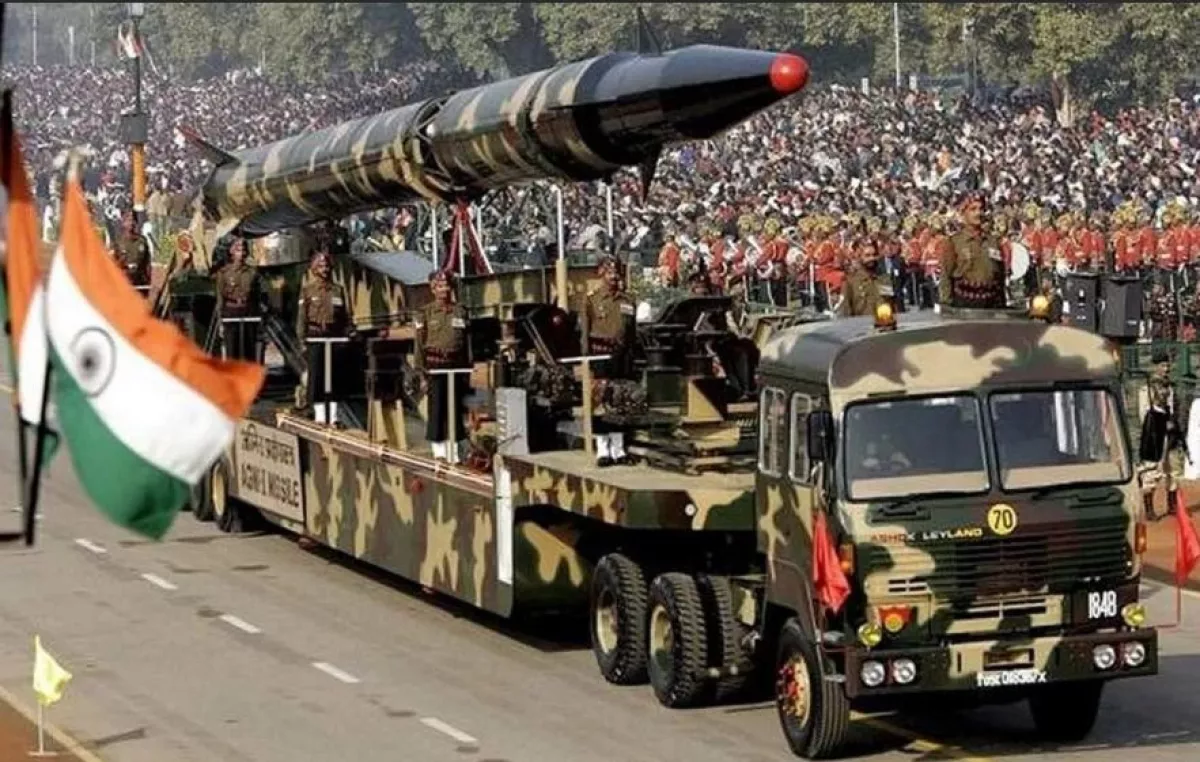
It is unlikely that Riyadh is prepared for a military confrontation with India—a state possessing nuclear weapons, immense demographic potential, a large army, and a rapidly growing economy. Moreover, closer ties with Islamabad, which in May engaged in a fierce four-day armed conflict with New Delhi, do not negate Saudi Arabia’s substantial trade and economic relations with India.
Furthermore, the Saudi side played a notable role in de-escalating the Indo-Pakistani crisis. According to India’s Ministry of Foreign Affairs, the country’s rapidly growing economy relies heavily on oil imports, with Saudi Arabia remaining New Delhi’s third-largest energy supplier.
The refusal of Saudi Arabia and Pakistan to publish the text of the defence agreement has effectively created a regime of strategic uncertainty: there is no clear answer to key questions. This, likely, is by design—the parties aim to enhance their own security while simultaneously increasing the risks for potential adversaries.
In this context, the agreement is intended as a deterrent—both for India regarding Pakistan and for states capable of threatening Riyadh, including Israel and Iran. Uncertainty itself is a tool of power: if a potential adversary is unsure whether the powerful partners of the attacked side will intervene, this alone can temper aggressive intentions.
Türkiye’s potential accession?
In January, reports emerged about the possible inclusion of Ankara in the Pakistan–Saudi defense agreement. Bloomberg, citing sources familiar with the discussions, reported that talks between Türkiye, Saudi Arabia, and Pakistan were at an “advanced stage,” and that the deal appeared “very likely.”
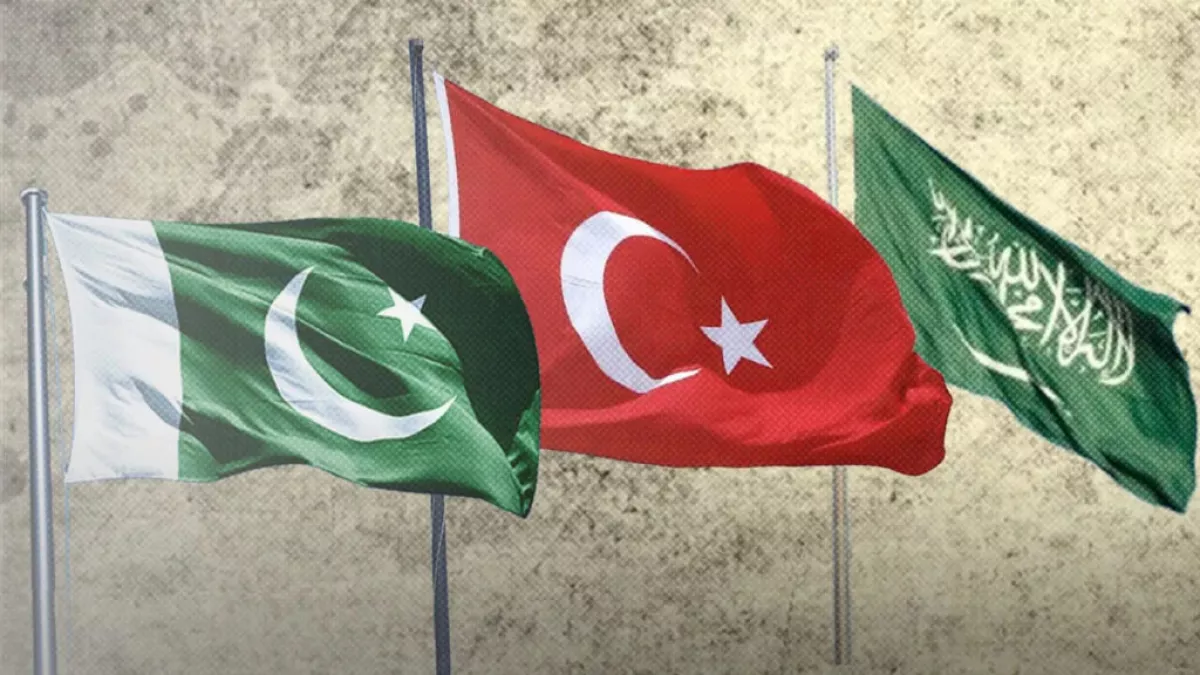
The discussion focused on the formation of a three-way military pact capable of uniting states with complementary strategic capabilities. Saudi Arabia is a wealthy, oil-rich regional leader and the only Arab country in the G20, home to Mecca and Medina. Pakistan is the only Muslim-majority state possessing nuclear weapons and the corresponding means of deterrence. Türkiye, in turn, has a developed defence industry, a unique geostrategic position at the crossroads of Europe and Asia, is a NATO member, and has the second-largest army within the alliance.
The parties’ interest was further fueled by technological considerations. Türkiye is actively developing nuclear energy, and Saudi Arabia has similar plans. In a context of global instability, both countries cannot ignore the fact that, in the future, nuclear technologies may become a critical component of their security systems, whereas Pakistan already possesses the necessary experience and infrastructure.
Economic motives also played a significant role. Pakistan and Türkiye are interested in Saudi Arabia’s multibillion-dollar investments. At the same time, Islamabad and Riyadh require Turkish defence technologies, including unmanned systems and combat ships. Saudi Arabia invests significant resources not only in Türkiye but also in neighbouring Syria—a Turkish ally—thereby supporting the relative stability of the government in Damascus. Pakistan, for its part, supplies weapons to the Sudanese army, which is also linked to Ankara and Riyadh.
Within the expert community, the likelihood of concluding such a defence pact has long been assessed as high. If Türkiye were to join, the scope of the original bilateral agreement between Saudi Arabia and Pakistan would be significantly expanded, and the alliance itself would take on the characteristics of a larger union—what some observers have already referred to as a prototype of a “Muslim NATO.”
Israeli analyst Asher Smith notes that all three countries share overlapping strategic interests and have a long history of defence cooperation, which typically precedes the formalisation of mutual defence commitments. Saudi Arabia and Pakistan have long maintained close military ties, including training and advisory programmes, while Türkiye has in recent years deepened its defence relations with both states, particularly through arms supplies to Pakistan.
The difference in the current negotiations lies in the effort to formalise these relations—embedding them within a mutual defence framework. Each party would contribute its own resources to the agreement. Saudi Arabia, as the largest economy in the Arab world, would provide the financial base and diplomatic weight. Pakistan would offer strategic depth through its large army, missile capabilities, and nuclear deterrent. Türkiye would contribute significant conventional military strength, operational experience, and a rapidly developing defence industry. Together, this could create a more structured and coordinated security bloc than the existing bilateral agreement between Riyadh and Islamabad.
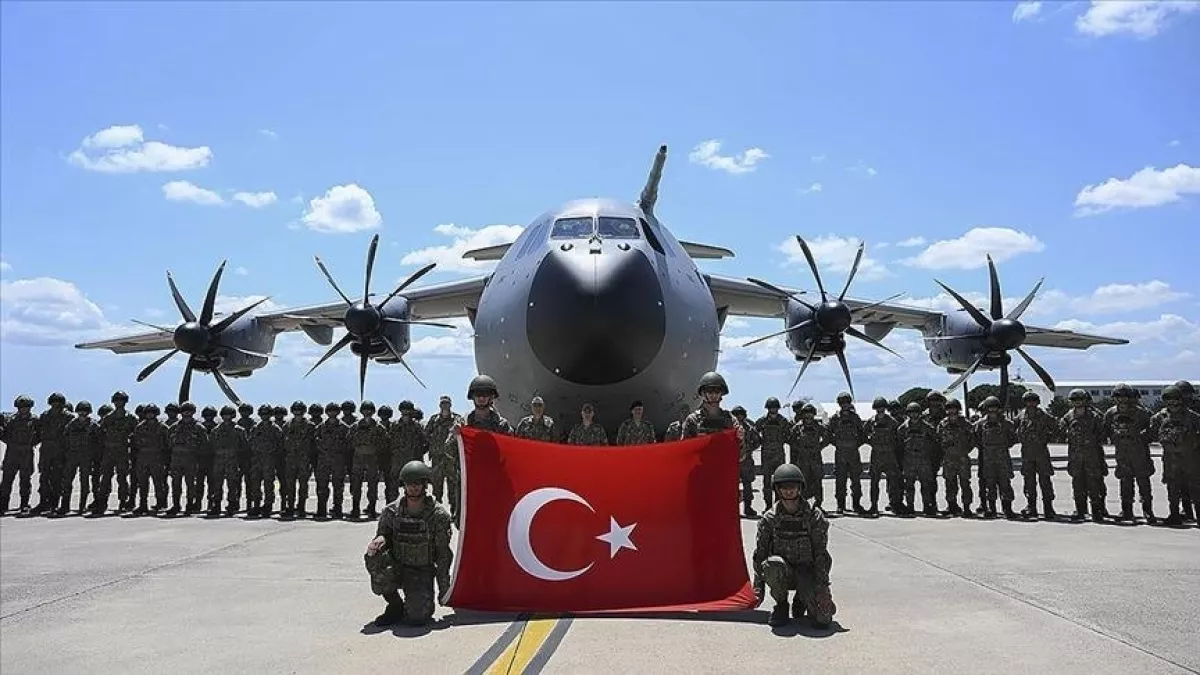
Türkiye’s interest in such an alliance inevitably raised questions about its role in NATO. Ankara is increasingly seeking strategic autonomy and diversification of security partnerships. While participation in a separate defence pact would not formally violate its obligations to the alliance, it could complicate relations with Western partners and add a new layer of tension in dialogue with certain NATO countries.
Turkish strategist Nihat Ali Özcan explained Ankara’s interest in an interview with Bloomberg: “As the US prioritises its own interests and that of Israel in the region, changing dynamics and fallout from regional conflicts are prompting countries to develop new mechanisms to identify friends and foes.”
Türkiye’s expanding diplomatic role has also been highlighted by recent developments in Washington. U.S. President Donald Trump included Türkiye in his “Board of Peace” on Gaza, placing Ankara among a select group of regional and international players involved in shaping post-conflict initiatives for the enclave.
Against this backdrop, Türkiye’s potential accession to the defense agreement between Saudi Arabia and Pakistan could have become a key element of a new regional security architecture. Analyst Arshad Mehmood of The Media Line emphasises that it is precisely a formal mutual defence clause, rather than ad hoc cooperation, that would give such an alliance fundamentally greater strategic weight.
Why was the three-way pact never concluded?
One possible reason is the reluctance of Saudi Crown Prince Mohammed bin Salman to take on excessive obligations toward other states.
The uncertainty that Riyadh would face in the event of a new armed conflict between India and Pakistan has already been mentioned. However, Türkiye’s potential accession would have made the situation even more complex. If relations between Ankara and Greece, Cyprus, or Israel were to deteriorate, Saudi Arabia could find itself drawn into a conflict to which it has no direct connection.
Athens and Nicosia maintain territorial disputes with Ankara, including disagreements over islands in the Aegean Sea and the development of gas fields in the Eastern Mediterranean. All of this occurs against the backdrop of strengthening military partnerships between Greece, Cyprus, and Israel. As a three-way alliance begins to take shape, Tel Aviv’s relations with Türkiye have noticeably worsened.
Syria remains an additional complicating factor, where Turkish and Israeli interests directly collide. Ankara is interested in preserving a unified, centralised Syrian state, while Israel, according to some analysts, favours fragmenting the country into ethno-confessional entities. In this context, Saudi Arabia is likely unwilling to become part of an expanding, multilayered regional conflict.
Moreover, Ankara and Riyadh have spent the past decade in a state of covert—and at times overt—tension. Despite the current rapprochement, the question remains how sustainable it will be in the long term. Both countries claim the role of flagbearer of the Muslim world and key regional leader, which inevitably creates grounds for competition.
Under these conditions, Riyadh opted for a cautious approach, refraining from taking on additional binding military commitments and limiting itself to a bilateral defence alliance with Pakistan. Trade, arms procurement, investments, and cooperation with Türkiye in Syria are one thing; a formal defence alliance with permanent, binding military guarantees is quite another. Relationships without fixed obligations appear far less risky. This logic, it seems, guided Crown Prince Mohammed bin Salman.
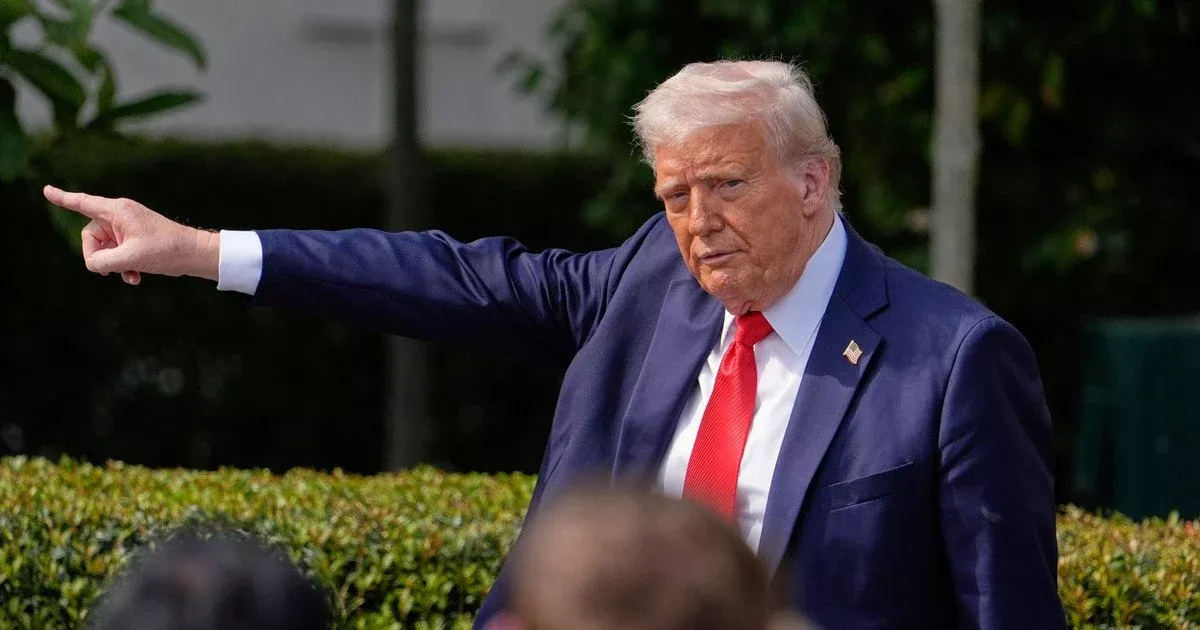
However, there is another explanation—which seems more likely. Saudi Arabia may have feared that announcing the formation of a three-way military alliance would irritate U.S. President Donald Trump, given his strongly pro-Israel stance. As a result, Riyadh may have deliberately decided to “buy time.”
Modern American policy is heavily influenced by subjective factors, and irritating the White House is a risk that regional actors prefer to avoid.
It is far safer to continue rapprochement with Ankara while postponing the signing of a formal defence pact until a more favourable moment.
Ultimately, both explanations do not exclude each other but rather complement one another. This means it is premature to draw a definitive conclusion on the matter. Turkish officials have yet to confirm AFP’s report. Given the strategic potential that a hypothetical “Muslim NATO” could offer all three states, it cannot be ruled out that discussions on this idea may continue in the future.







 editor@caliber.az
 +994 55 444-88-98
 Азербайджан, Баку, ул. Низами, 203, Af Business House, 5-й этаж