










Pashinyan’s fight against the “party of war” What will Armenia’s elections decide?
As the date of Armenia’s parliamentary elections, scheduled for June this year, draws nearer, tensions between the current authorities led by Prime Minister Nikol Pashinyan and opposition forces are rising at a geometric pace.
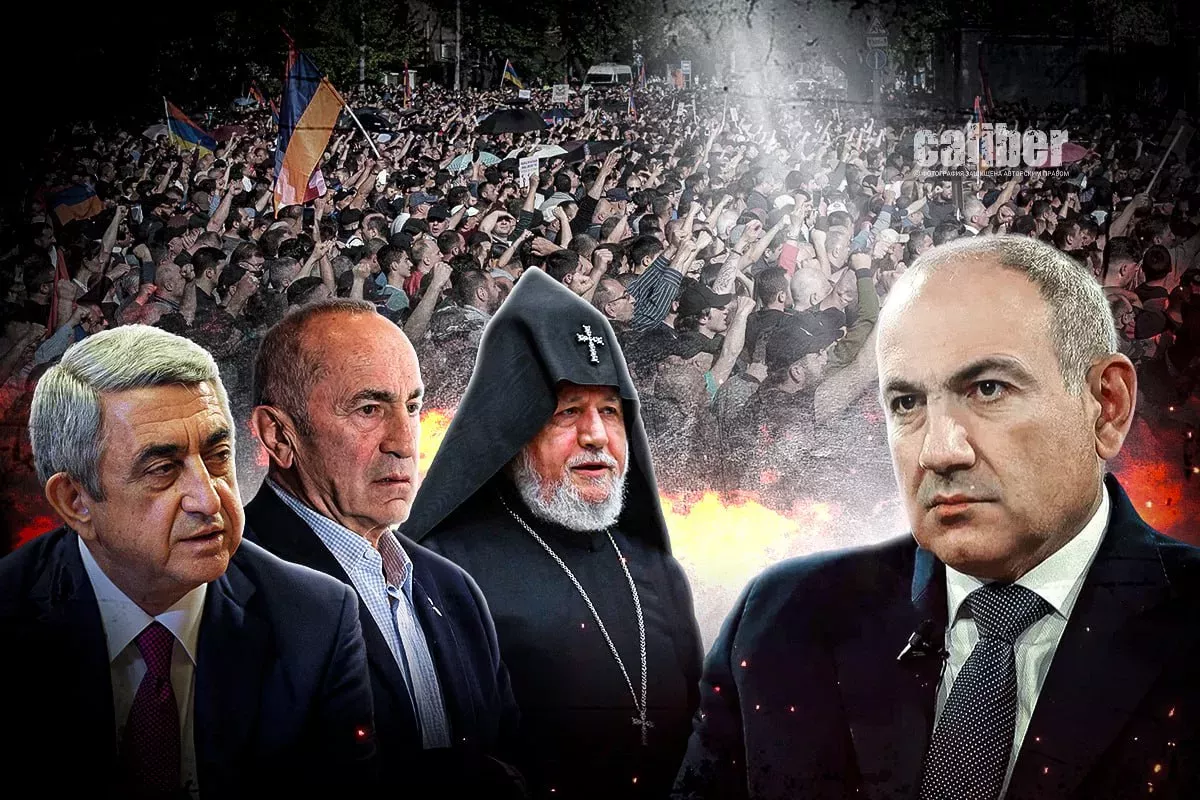
In principle, this confrontation comes as no surprise, since the radical divergence in views and positions regarding Armenia’s future is a well-known fact. Thus, the government of Nikol Pashinyan claims that a victory for the opposition would return the country to a state of war; the opposition, in turn, accuses the prime minister of being ready to make “unacceptable concessions” in order to sign a peace agreement with Azerbaijan.
Another stumbling block has been the question of the country’s future foreign policy course: Pashinyan and his team advocate a European future and gradual distancing from Russia, while the opposition camp—despite public support for deepening ties with the European Union—criticises both the process of European integration and its initiators.
To some extent, the situation is further aggravated by the authorities’ attempts to reform the Armenian Church, some members of the clergy of which are among the most active participants in the opposition camp.
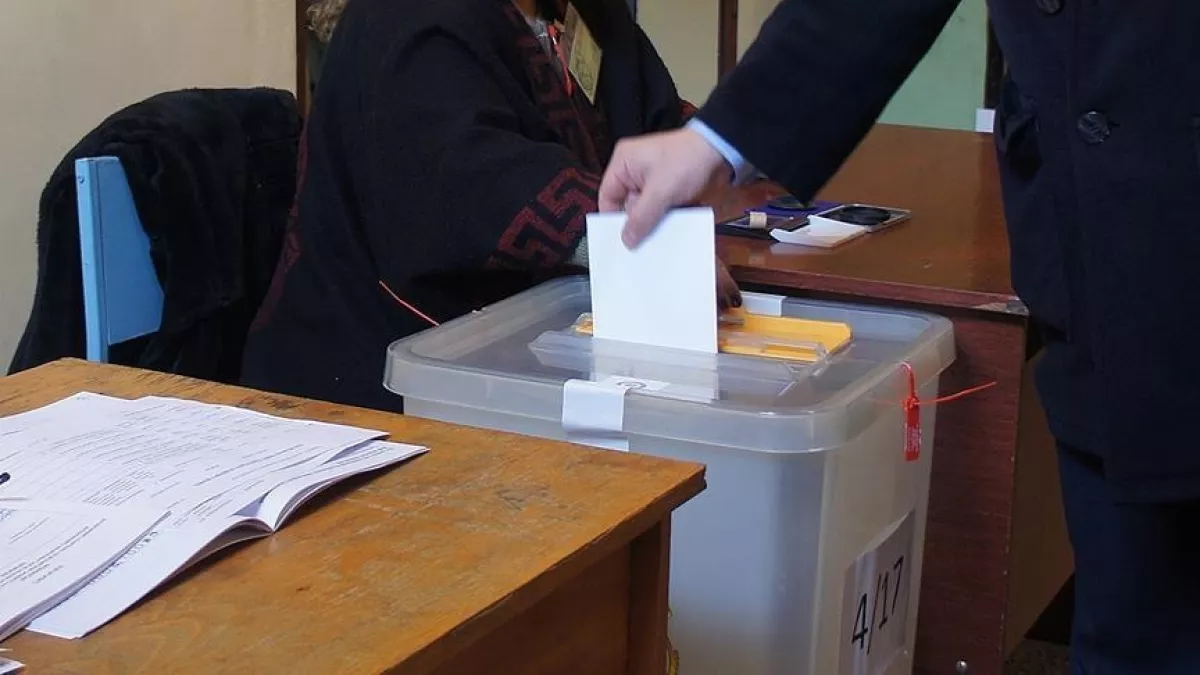
And in such a difficult environment, the citizens of Armenia are faced with making a fateful choice between war and peace. Once again, Prime Minister Nikol Pashinyan sought to convey the importance of choosing the latter to the Armenian public in a video published on Facebook.
“2025 was the first calendar year in which Armenia had no fatalities or injuries as a result of clashes with Azerbaijan. In fact, since February 2024, we have had neither fatalities nor casualties. That is, the last such incident was recorded in early 2024,” the Armenian prime minister stated, voicing the key message of the authorities: the country is de facto living under conditions of peace with Azerbaijan.
In his address, Pashinyan also did not overlook attacks from the opposition, which is trying to convince the public that Yerevan’s policy on peace and regional security is a losing one: “The three-headed party of war claims that there was peace before. This is a cynical lie, because in previous years we had many fatalities and even more wounded. There was no peace—there was merely a postponement of war, and we paid the price for it with our independence, statehood, economic development, and prosperity.”
In this context, it should be noted that anti-government rhetoric within Armenian opposition circles became even more radical following Nikol Pashinyan’s statements that the issue of the so-called “Karabakh movement” must be closed permanently. This decision by the Armenian leader was a logical consequence of the agreements reached during the Washington Summit in August of last year.
Specifically, in December 2025, while in Germany, he emphasised to journalists: “I have also told our people from Karabakh that their return is unrealistic. If we continue the agenda of return, it would mean we are once again starting the ‘Karabakh movement.’ Meanwhile, as I have already stated, we must not continue the ‘Karabakh movement’; it has ended, and attempts to revive it will not be beneficial. Continuing the ‘Karabakh issue’ means a new war, new casualties, new hardships, a new blockade with unpredictable consequences.”
In January, during a briefing, he addressed this matter even more categorically: “I told the citizens directly that the topic of the ‘Karabakh movement’ must be closed. And as Prime Minister of Armenia, I will adhere to this line. If citizens disagree with this policy, then I invite them to carry out a revolution.”
These messages from the Armenian prime minister clearly did not escape the attention of opponents of the peace process, both within the republic and abroad, and, as noted earlier, they provoked even more militant criticism of the current authorities.
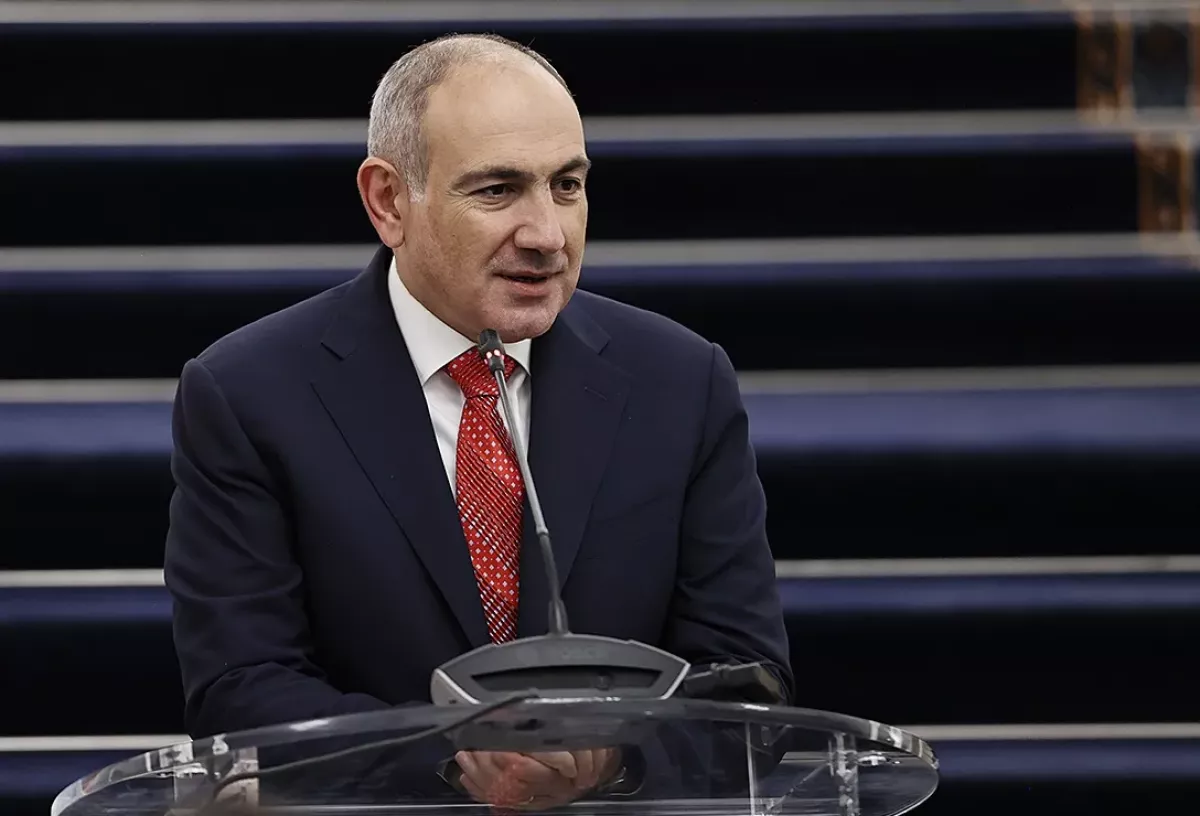
However, Pashinyan is demonstrating an increasingly firm commitment to pursuing a policy aimed at peace with Azerbaijan, which will undoubtedly contribute to the development of both Armenia itself and the region as a whole across all geopolitical and geo-economic dimensions.
On the other side of the scale is the opposition, which represents the core of risks and threats to the country’s future, including a return to the old system of governance that effectively led to the collapse of Armenian statehood, as well as a renewed armed confrontation—a point Pashinyan has repeatedly emphasised. During his address to the nation on March 20, he stated that “it has been clearly established that the forces led by Kocharyan, Karapetyan, and Tsarukyan have adopted a policy of revising the peace established between Armenia and Azerbaijan. This means they are taking a path that opens the doors to war.”
The opposition is further weakened by the fact that a significant portion of Armenia’s population vividly remembers the dark times when the country was led by Robert Kocharyan and Serzh Sargsyan—both now fervently seeking power. That period was marked by a relentless economic crisis, total dependence on external patrons, rampant corruption, and unbridled abuse of authority.
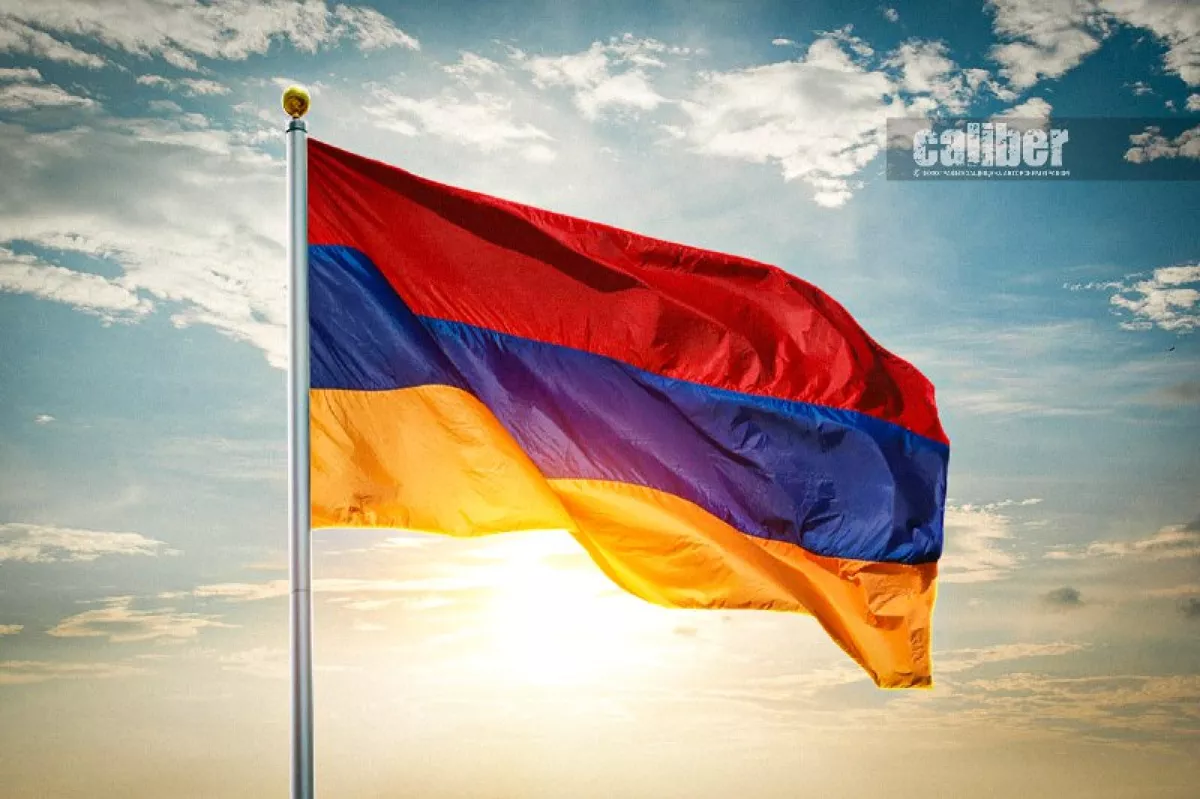
Thus, taken together, all of the factors listed—when assessed objectively—indicate that the chances of victory for Pashinyan and his team are higher than those of the “party of war.”
It can be assumed that the opposition camp is also aware of this reality and will intensify its efforts to stir revanchist sentiments in the country and undermine the credibility of the current authorities, potentially swaying the less conscious segment of the electorate to their side. Such a scenario could, of course, influence the percentage breakdown in the vote, but it is unlikely to secure a parliamentary election victory for the opposition-revanchist circles in Armenia.







 editor@caliber.az
 +994 55 444-88-98
 Азербайджан, Баку, ул. Низами, 203, Af Business House, 5-й этаж