










Pashinyan vs Armenia’s revanchist clergy Garegin II under fire
The intense confrontation between Armenian Prime Minister Nikol Pashinyan and Garegin II has reached a point of no return. Judging by the authorities’ resolute stance, this conflict could result in a crushing defeat for the Armenian Catholicos even before the pivotal events of June 2026.
This is confirmed by Pashinyan’s latest sharp statements directed at Garegin II, delivered recently, which again signal his determination to remove, before the parliamentary elections, those who stand in the way of Armenian-Azerbaijani normalisation and the establishment of peace in the region.
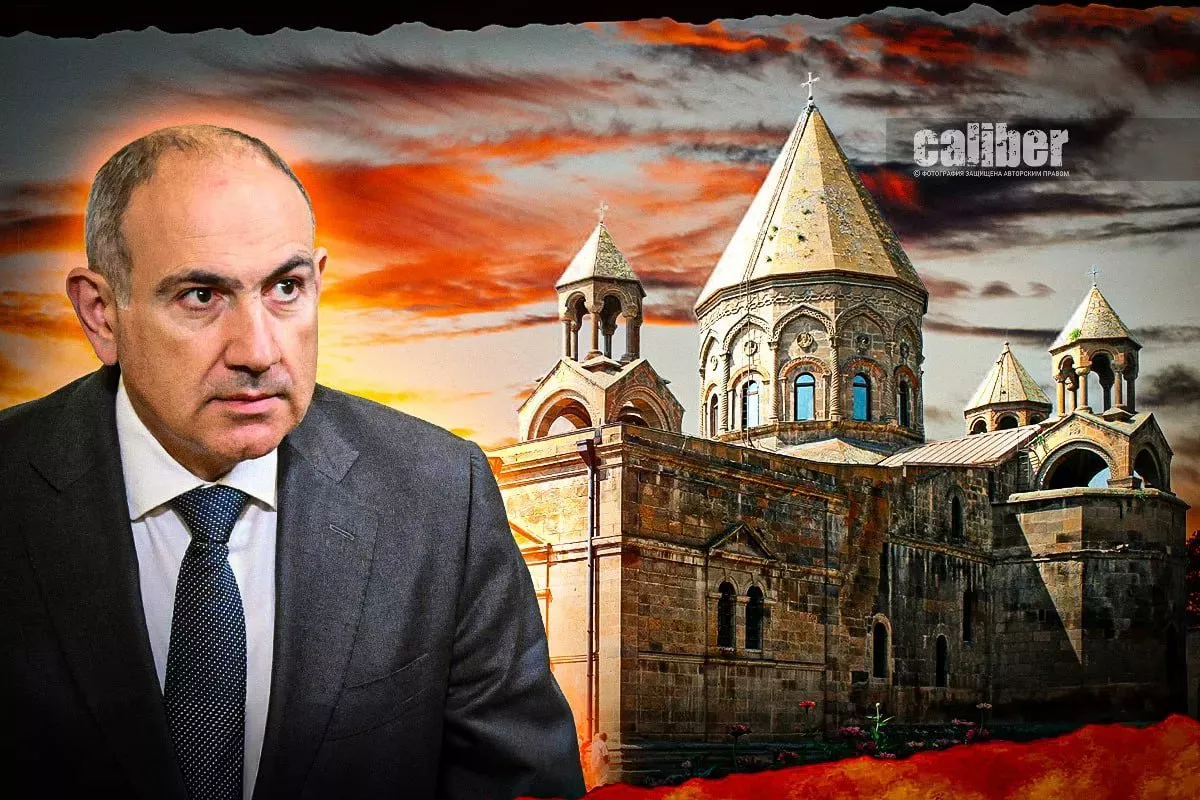
“I do not need a Catholicos who will obey me; I need a Catholicos who will not obey a senior lieutenant of a foreign intelligence service and will not report daily to the lieutenants of a foreign intelligence service. Ktrich Nersisyan (Garegin II – ed.) and all his supporters act against the Armenian Church because, for them, the Church has been, is, and should remain merely a tool for intrigues. We will not allow this. Ktrich Nersisyan must go—there is no other option,” Pashinyan said recently during a speech at the National Assembly of Armenia.
An important point here is that the prime minister’s stance resonates with part of the Armenian clergy, which is certainly a significant political bonus for the current authorities. For example, Archbishop Vazgen Mirzakhanyan, head of the Armenian Diocese in the Baltic countries, called on Garegin II to retire, emphasising that the Armenian Church should not interfere in politics.

According to several Armenian media outlets, Nikol Pashinyan has already identified two main candidates for the position of Catholicos: Archbishop Hovnan Terteryan, head of the Western Diocese of the Armenian Church in the United States, and Aram I, Catholicos of the Great House of Cilicia. Reports also indicate that “security agencies have already begun individual ‘visits’ to diocesan heads—including those who signed or did not sign the statement discrediting the Catholicos that circulated after the bishops’ assembly.”
Additionally, last month Armenian media reported that the prime minister, in a private circle, stated that a group of clergymen has been formed to work in the interests of the authorities and is developing an action plan that could provoke a revolt against Garegin II, potentially forcing him to leave his residence.
It seems likely that this anticipated scenario is what prompted the Catholicos to recently visit Switzerland and France, as reported by the Etchmiadzin press service. One does not need exceptional insight to understand the objectives of this tour.
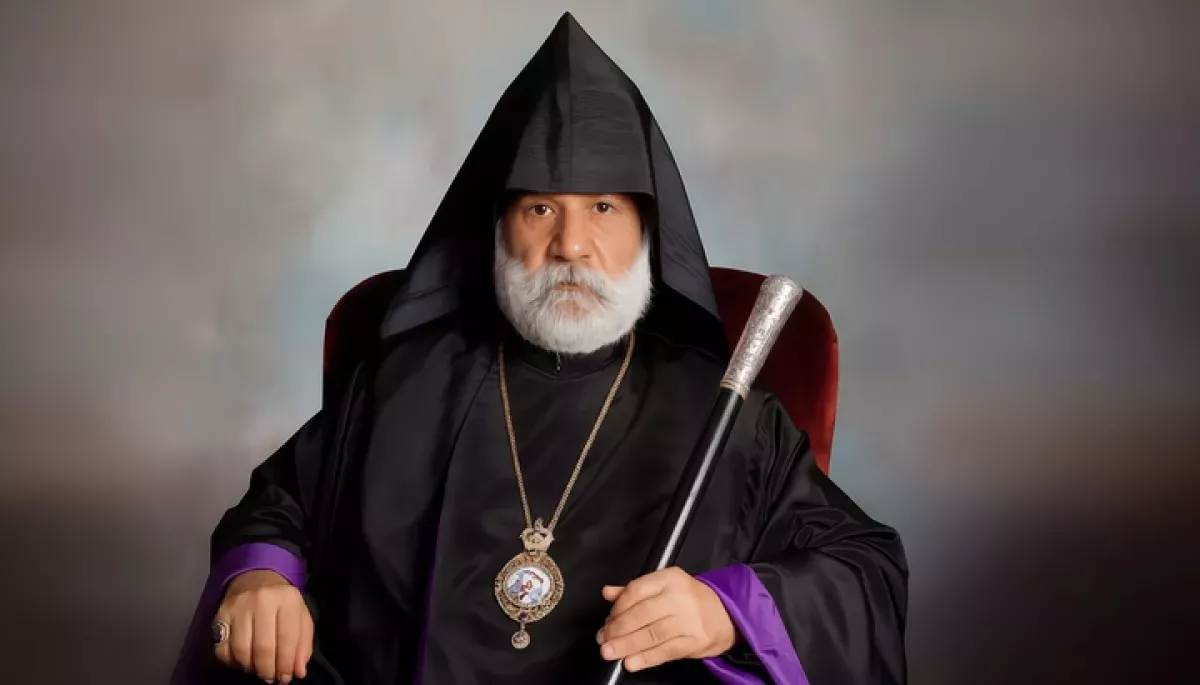
It is quite evident that Garegin II, a veteran of intrigues and behind-the-scenes manoeuvring, counted on political support from the clergy of these two foreign Armenian dioceses. It is also worth noting that the clergy of the Armenian Diocese in France, headed by its primate, condemned the actions of law enforcement officers in the Aragatsotn Diocese.
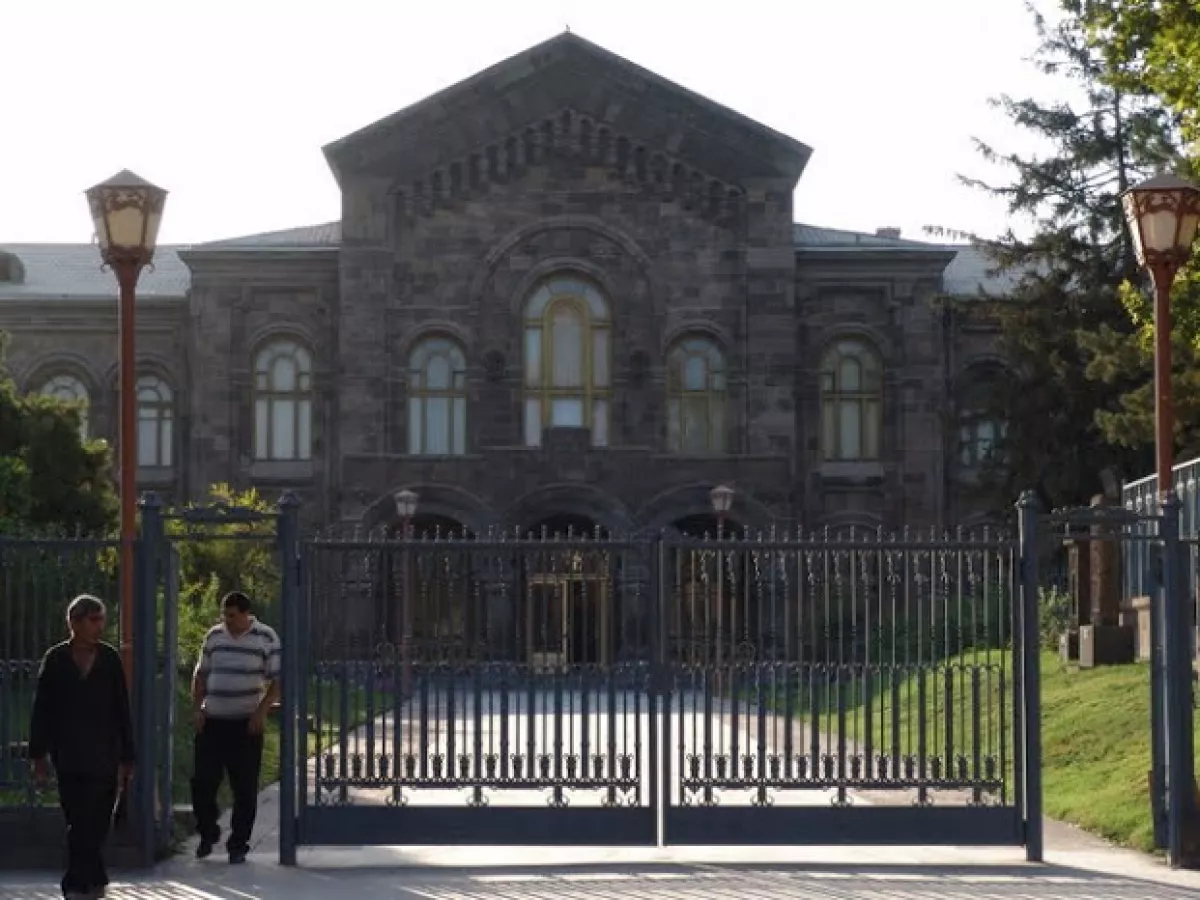
Equally important is the episcopal assembly scheduled for December 10–12, during which, as was pompously announced, the situation within the Armenian Church and measures to counter the country’s authorities will be discussed. In simple terms, the revanchists in robes will likely convene privately, with the blessing of their main ideologue Garegin, to develop a plan to escalate tensions and expand the scope of confrontation with the current authorities.
However, despite all his political savvy, the current Catholicos failed to account for one factor we mentioned earlier—a split within the Church itself. The unanimity of certain clergymen in support of taking radical measures against Garegin II revealed the existence of deep-rooted problems within the Armenian religious sphere, for which he, not the ordinary clergy, is personally responsible. This not only diminishes his chances of prevailing in the acute conflict with the authorities but also suggests that in the not-too-distant future, he may have to be content with only his secular name—Ktrich Nersisyan.







 editor@caliber.az
 +994 55 444-88-98
 Азербайджан, Баку, ул. Низами, 203, Af Business House, 5-й этаж