










Politics without masks Why Is Vance heading to Budapest?
As is well known, Hungary is currently anticipating its parliamentary elections, scheduled for April 12. Against this backdrop, the announced visit of U.S. Vice President J. D. Vance to Budapest appears particularly telling. The trip has already drawn significant attention from leading global media outlets and is widely interpreted as a show of support for Hungarian Prime Minister Viktor Orbán.
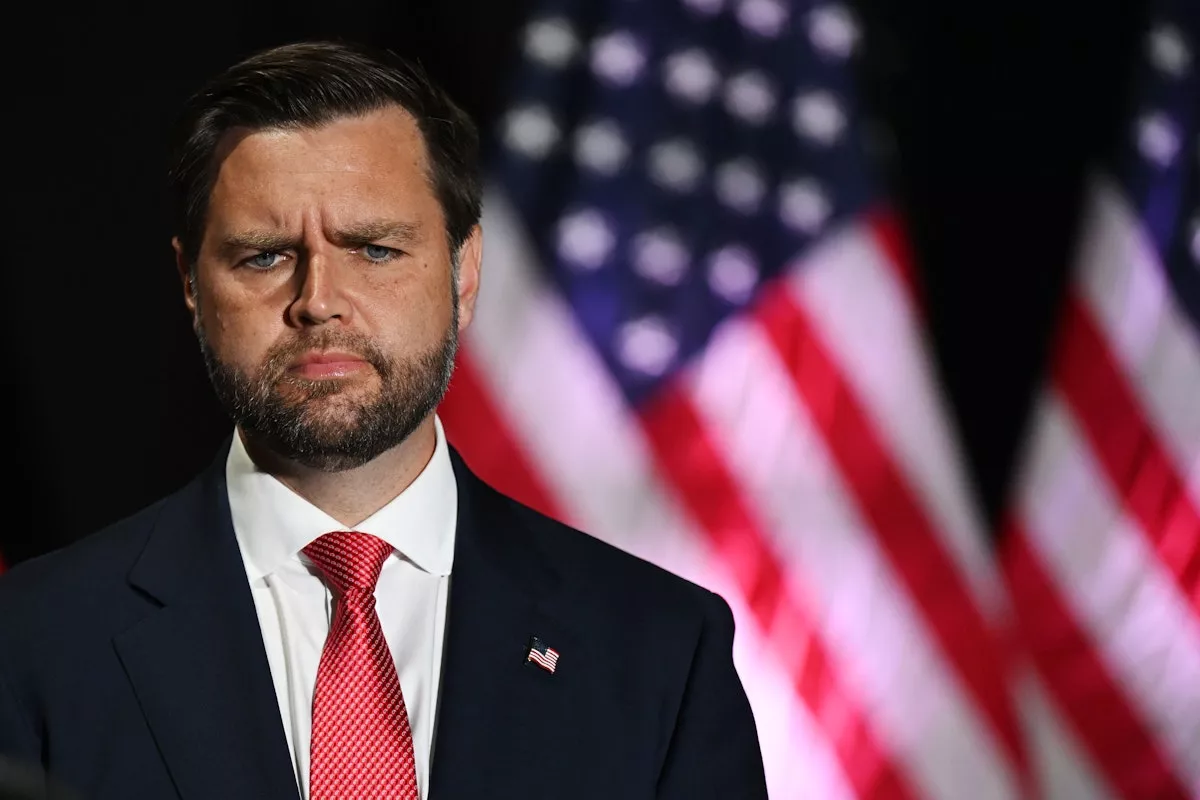
In particular, Reuters, citing its sources, reports that “Vance is planning to visit Hungary in the coming days in a show of support for the country's long-time nationalist prime minister Viktor Orban.” “The trip would come after U.S. Secretary of State Marco Rubio traveled to Budapest in February to publicly back Orban ahead of his toughest re‑election fight since taking power in 2010,” the outlet notes.
It is worth recalling that immediately after the Munich Security Conference in February, Marco Rubio visited the Hungarian capital, where he declared the beginning of a “golden era” in U.S.–Hungary relations and expressed support for the country’s prime minister. This signalled that the continuation of close ties between Washington and Budapest hinges on Orbán’s re-election.
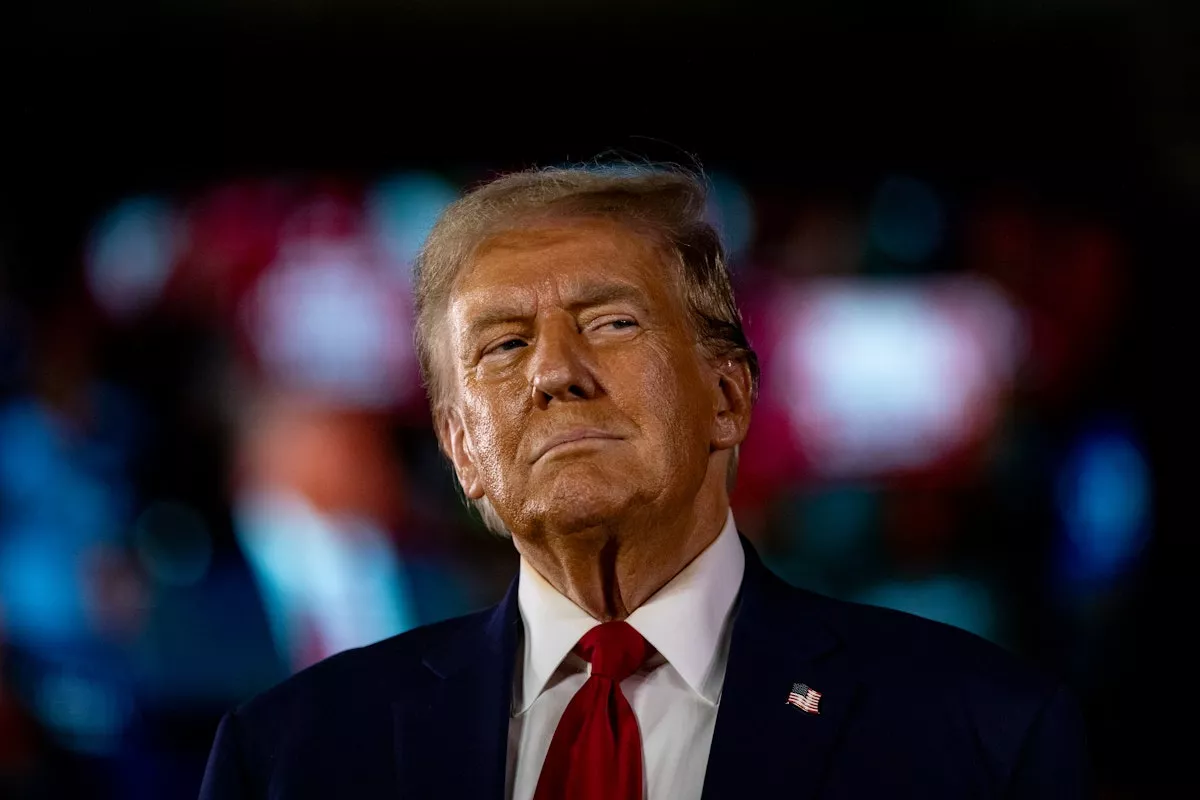
Moreover, earlier this year, U.S. President Donald Trump stated that he had been pleased to support Hungarian Prime Minister Viktor Orbán during the 2022 elections and would be honoured to do so again: “Viktor Orbán is a true friend, fighter, and winner, and has my complete and total endorsement for re-election as prime minister of Hungary - he will never let the great people of Hungary down!”
As we can see, the current White House administration indeed holds a highly favourable view of Viktor Orbán and is placing a significant bet on him and his party, Fidesz, despite the fact that Hungary is presently experiencing a highly tense domestic climate marked by deep societal polarisation. The ruling party is facing a serious challenge from the opposition Tisza Party, led by Péter Magyar.
According to opinion polls, Hungary’s prime minister is trailing behind the opposition, which, as experts note, is no longer fragmented but instead consolidating around Magyar—making the upcoming elections highly competitive. In other words, Hungarian society is effectively split into two camps: supporters of Orbán and those backing Magyar. While the former tend to favour sovereignty and Eurosceptic views, the latter advocate a pro-European course. This polarisation has already led to rallies across the country involving both government supporters and the opposition, with each side using street mobilisation as a demonstration of strength in the run-up to the elections.
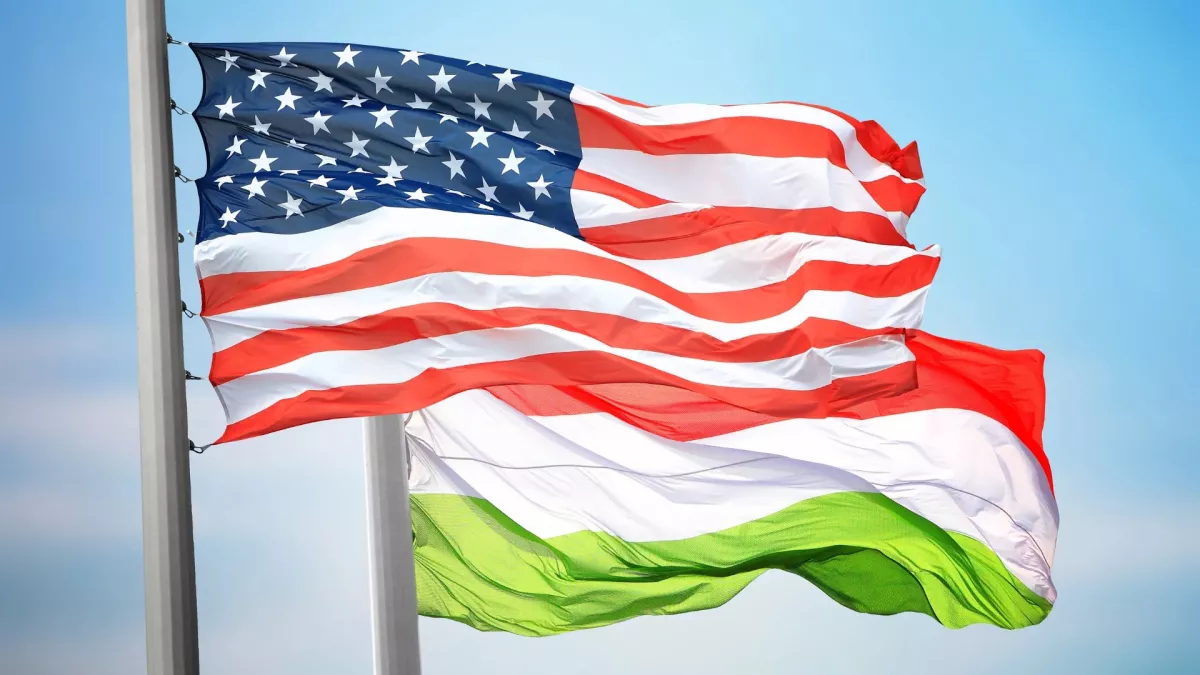
In light of these developments, the planned visit of U.S. Vice President J. D. Vance to Hungary is clearly aimed at strengthening the political position of Viktor Orbán. This is driven by several factors, the primary one being the alignment of interests between Budapest and Washington. The fact is that the United States and Hungary share similar positions on a number of key issues—most notably, their sceptical stance toward providing assistance to Ukraine.
In particular, Vance, one of the key figures in the team of U.S. President Donald Trump and an active proponent of the “America First” doctrine—which implies a sharp reduction in foreign spending—has consistently opposed aid to Ukraine. He has argued that these funds would be better directed toward supporting American pensioners and domestic priorities, and has repeatedly criticised the previous administration for allocating significant resources to Kyiv.
For his part, the Hungarian prime minister has demonstrated unwavering consistency in his position on Ukraine. Following the EU summit in Brussels, he stated unequivocally to journalists that Budapest has the right to block the European Union’s provision of a €90 billion loan to Kyiv. “The Ukrainians have imposed an oil blockade on Hungary. The decision-making process on granting the loan has not yet been finalised, and from a legal standpoint, the situation is absolutely clear: we have the right to do so,” he said.
In addition, Orbán adheres to firm views on traditional values and actively opposes the promotion of LGBTQ-related agendas—an approach that fully aligns with the position of Donald Trump on this issue. This is the first key factor.
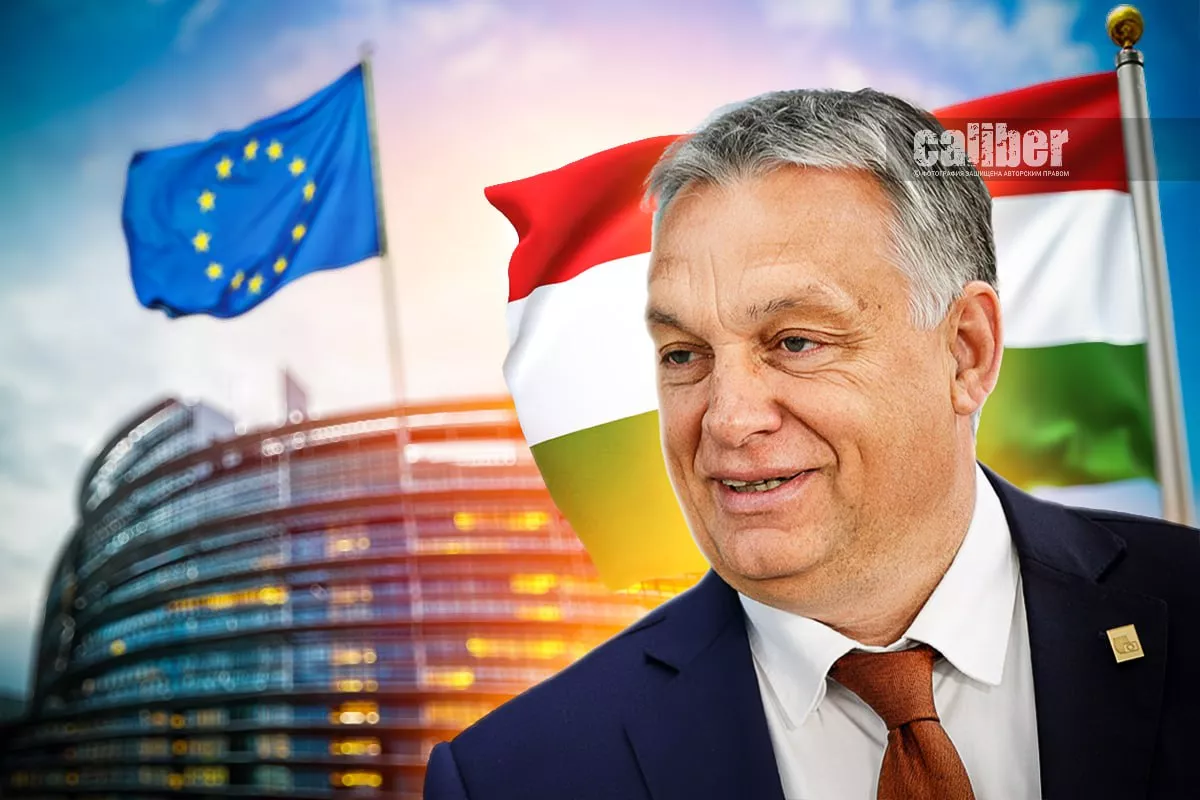
The second aspect is that the Hungarian prime minister actively promotes the idea of “sovereign democracy,” meaning less influence from the EU and greater emphasis on national interests. This runs counter to Brussels’ line and has consistently provoked discontent among European officials toward Viktor Orbán. The visit of J. D. Vance thus serves as a demonstration that Washington welcomes this approach by Hungary’s leader and supports his independent policy, which is grounded exclusively in the interests of the Hungarian state. For Orbán, such a “rear base” in the form of the White House provides greater confidence in advancing his ideas and blocking EU decisions.
Thirdly, as is well known, the Hungarian prime minister’s policy is currently finding approval in several European countries—most notably in Slovakia, which, since the return to power of Robert Fico, has become Hungary’s closest ally within the European Union. These two countries, members of the Visegrád Group (V4), often act in tandem, blocking or criticising EU decisions on sanctions against Russia and financial assistance to Ukraine. In addition, Orbán’s course is supported in France by the followers of Marine Le Pen, in Germany by the opposition Alternative for Germany, and in the Netherlands by right-wing populist forces. Naturally, these actors do not form governments, but the very fact of such support speaks volumes—and backing from Washington may help expand this circle.
In conclusion, the visit of J. D. Vance to Hungary is likely to strengthen Viktor Orbán’s position both domestically and within the EU, while further consolidating the Washington–Budapest axis. This alignment is rooted in the convergence of views between the Hungarian prime minister and U.S. President Donald Trump on a wide range of issues, including in the ideological sphere.







 editor@caliber.az
 +994 55 444-88-98
 Азербайджан, Баку, ул. Низами, 203, Af Business House, 5-й этаж