










Resetting the New World Can the US implement the “Donroe Doctrine”?
The lightning-fast U.S. operation to seize Venezuelan President Nicolás Maduro and his wife became not only the largest act of direct U.S. intervention in Latin America since Panama in 1989, but also a symbolic watershed—a transition, or rather a return, to a renewed policy of force that no longer requires ethical justification.
Yes, over the past 35 years the United States has intervened in sovereign states before. However, the context was somewhat different then: the horrific terrorist attacks of 11 September 2001 provided a pretext for “protecting” almost the entire world from “radical Islamism,” as the U.S. and its allies invaded Afghanistan, Iraq, and even Libya.
Today, Washington is acting on the basis of its broader understanding of national security, as outlined in the updated strategy released by the White House last December. The document openly proclaims a return to the Monroe Doctrine in an “updated form,” which Trump has dubbed the “Donroe Doctrine.” Its essence is simple and blunt: the Western Hemisphere is the exclusive sphere of influence of the United States, and any resistance will be suppressed.
Here lies a profound historical irony, because the original intent of the Monroe Doctrine, born in 1823, was to protect the young republics of the American continent from a colonial revanche by Europe. Only in the twentieth century did it become a justification for dozens of U.S. interventions—from Cuba and Haiti to Guatemala. Now, two centuries later, its modern modification has returned in an openly hegemonic form.
In these days, hours, and minutes, as Venezuela is being dismantled, other Latin American countries are rightly asking: what comes next, and will they themselves become the next target of the United States? This question is all the more pressing given that voices within the White House are openly floating the possibility of military operations against countries such as Colombia, Mexico, Panama, and Cuba. For the latter, the situation is particularly dire: the loss of Venezuelan oil will exacerbate the energy crisis, while the influence of the Cuban-American lobby within the Trump administration is making the White House’s course even tougher. Trump has issued Havana with an ultimatum: “There will be no more oil or money going to Cuba—zero! I strongly suggest they make a deal, before it is too late.” What kind of deal he has in mind, and what the consequences for Cuba might be, Trump did not specify. In Havana, however, tensions have undoubtedly risen—as they have in other Latin American capitals as well.
Threats against Mexico and statements about the “need to deal with” Colombia hardly help to dispel the atmosphere of anxious anticipation. Colombian President Gustavo Petro has already warned that, in the event of a threat, the country would “rely on the masses, the mountains, and the jungles.” Even so, the combined military potential of Latin American states is incomparable with that of the United States. Even Brazil’s army lacks the means to project power beyond the continent.
Yet all of this is data torn out of context. Something suggests that the Americans simply cannot afford to conduct military operations frequently—otherwise, the costs of such a policy would risk outweighing its benefits. The lightning speed of the operation in Venezuela became a lesson for the entire region not only in its obvious sense—that sovereignty does not protect against direct intervention—but also in another, more unexpected one: the United States avoids, and will continue to avoid, the risk of a full-scale military confrontation. Not because Washington would be unable to prevail, but because, given the reputational costs involved and the inevitable casualties among U.S. service members, such a conflict would deal a blow to Trump’s approval ratings—and to those of any of his successors.
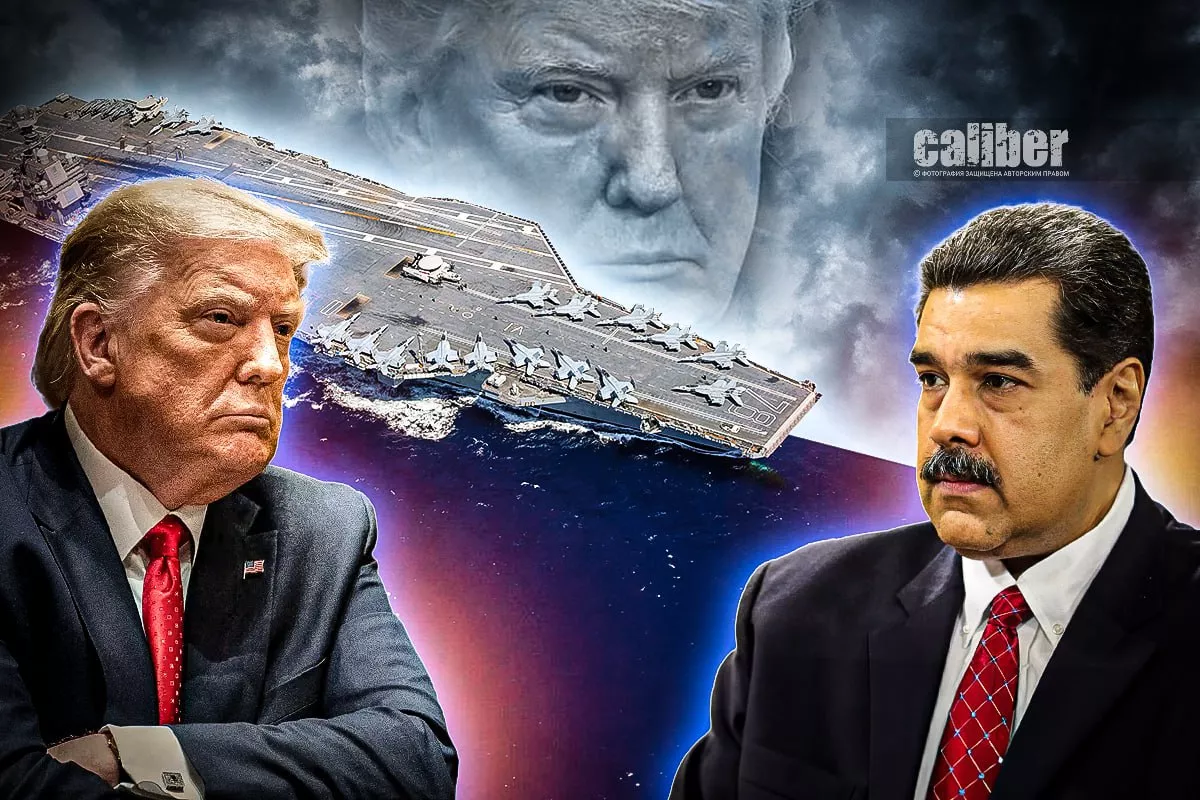
Few observers seriously believe that the United States would risk launching a full-scale ground operation in any Latin American country, or even attempt to replicate the Venezuelan scenario. That operation succeeded not solely because of U.S. military power, but also due to internal arrangements within Venezuela’s own elite. Elements of the security services and state bureaucracy appear to have established contacts with Washington, creating conditions that made such an intervention feasible.
In our view, reproducing this model elsewhere is highly unlikely. First, as the saying goes, one cannot step into the same river twice. Second, other states operate in political, social, and institutional contexts very different from Venezuela’s. These differences alter the local balance of forces and render any straightforward replication of a once-successful operation virtually impossible.
Against this backdrop, Latin America has entered a period of strategic uncertainty. Countries across the region must weigh a complex mix of factors: the imperative of preserving sovereignty, the benefits of maintaining close relations with the United States, the appeal of cooperation with China, and—no less important—China’s own readiness to defend its interests in the region.
For now, the United States appears to retain a considerable advantage in this geopolitical contest. Yet much remains hidden from public view, and it would be premature to declare the definitive triumph of the “Monroe Doctrine.” Such conclusions are more likely to be drawn only in retrospect, once the full consequences of today’s manoeuvring become clear.







 editor@caliber.az
 +994 55 444-88-98
 Азербайджан, Баку, ул. Низами, 203, Af Business House, 5-й этаж