










The neighbourhood test Baku shows through actions, not words
When the strikes by the U.S.-Israeli coalition hit Iran on 28 February 2026, eliminating Supreme Leader Ali Khamenei, destroying infrastructure, and claiming hundreds of lives, the region faced a new geopolitical crisis. The war, rapidly reshaping the map of Middle Eastern alliances, forced every neighbouring state to take a stance—not with words, but through actions.
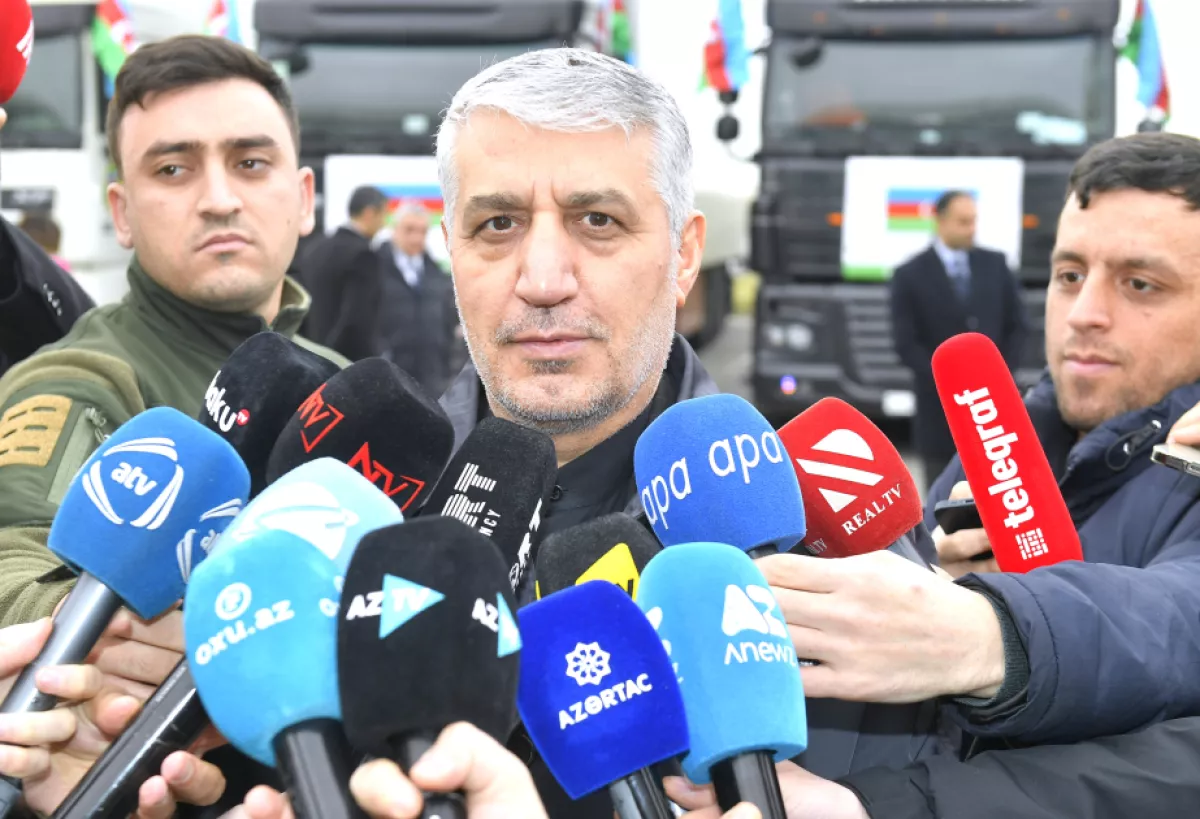
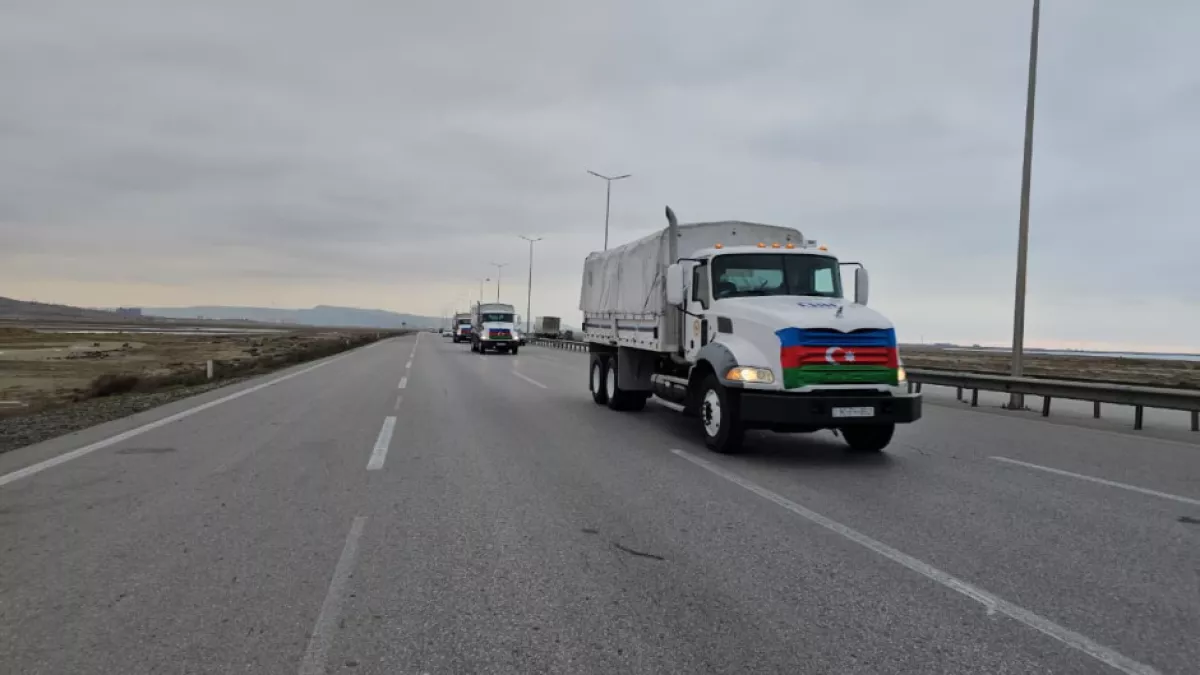
Baku was the first—both in timing, in scale, and in political will. By March 10, just two days after a phone call between Presidents Ilham Aliyev and Masoud Pezeshkian, a convoy of trucks from Azerbaijan’s Ministry of Emergency Situations crossed the Iranian border. The humanitarian aid sent to Iran included 10 tons of flour, 6 tons of rice, 2.4 tons of sugar, over 4 tons of water, around 600 kg of tea, and approximately 2 tons of medicines and medical supplies.
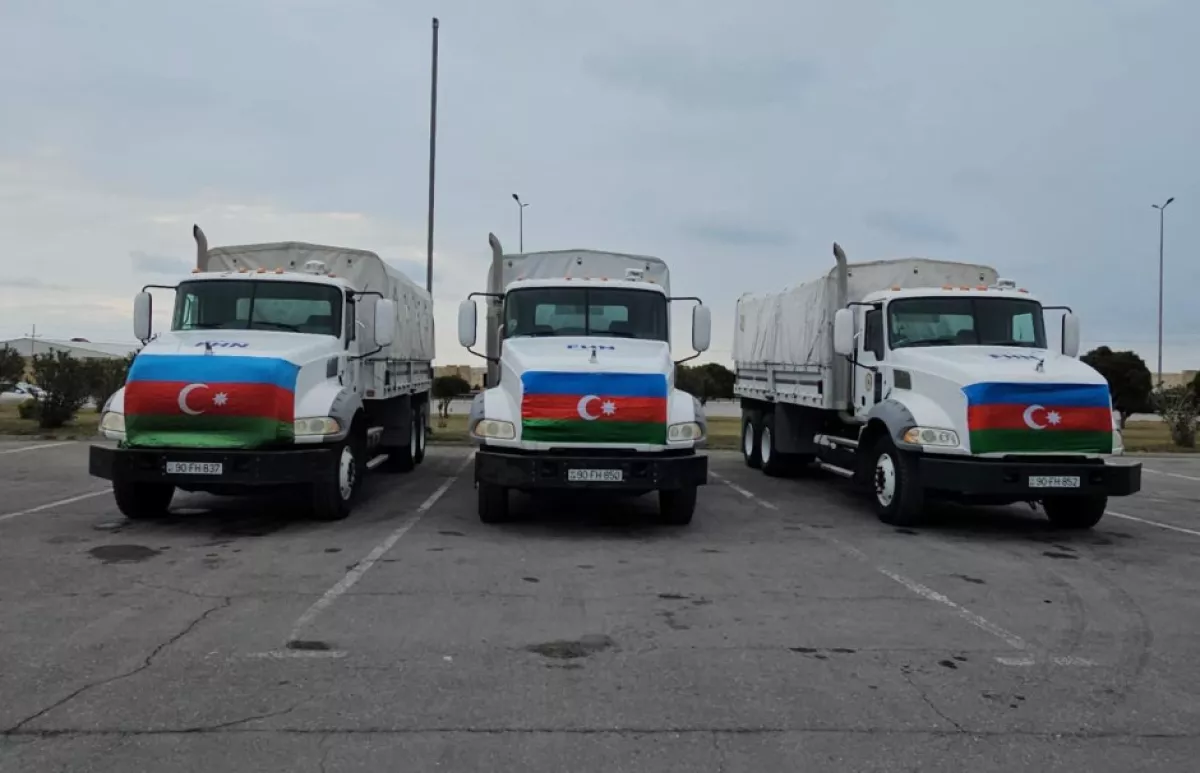
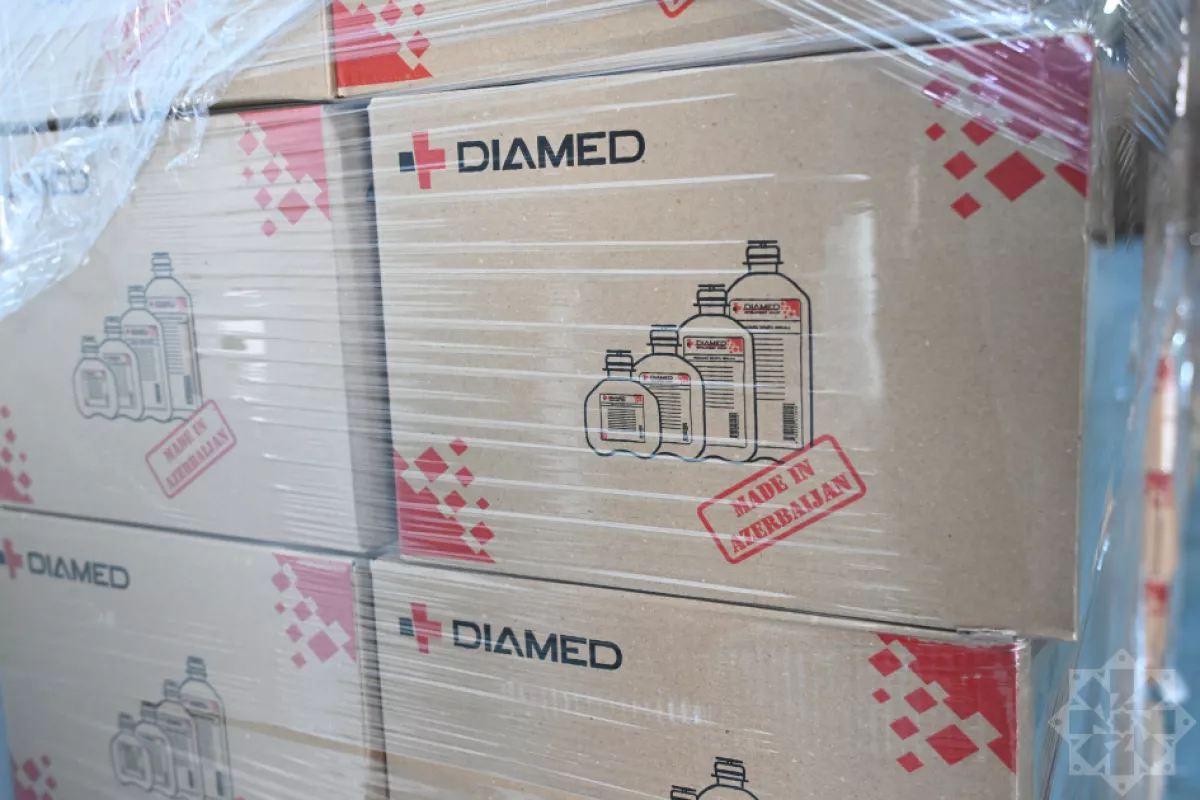
A week later, on March 18, under the orders of President Aliyev, a second shipment was sent—this time totalling 82 tons, including 76 tons of foodstuffs, 4 tons of medicines, and 2 tons of medical supplies. With the Novruz holiday approaching, the humanitarian aid also included festive gifts and various Novruz-related items—a gesture in which the pragmatics of assistance intertwined with the cultural code of the two peoples.
Moreover, Baku went further, announcing its readiness to provide its territory as a transit corridor for delivering humanitarian aid from third countries. In a situation where Iran’s airspace remained an active combat zone and sea routes faced restrictions, the land route across the Azerbaijan-Iran border became one of the few reliable supply channels—and this channel started operating.
On March 12, a Russian Il-76 military transport plane, loaded with thirteen tons of medicines, landed at Lankaran International Airport; the cargo was transferred to vehicles of the Iranian Red Crescent and sent into Iran through the Astara border crossing. The Russian Ministry of Foreign Affairs expressed gratitude to the Azerbaijani leadership for the swift assistance in resolving logistical and organisational issues. On the eve of March 25, it became known that on March 26, Russia would send a second batch of humanitarian aid to Iran through Azerbaijan—over 300 tons of medicines. The train of the Russian Ministry of Emergency Situations had already arrived at the Garadagh station of the Azerbaijan Railways.
In effect, Azerbaijan has become a humanitarian hub of international significance—a fact acknowledged by Iran’s ambassador to Baku, Mojtaba Demirchilu, who noted that several countries had already approached Baku requesting the use of Azerbaijani territory for delivering aid.
This gesture cannot be overestimated in its moral significance. A country whose territory was struck by drones, whose citizens were wounded, is providing assistance to the very state from which the strike originated.
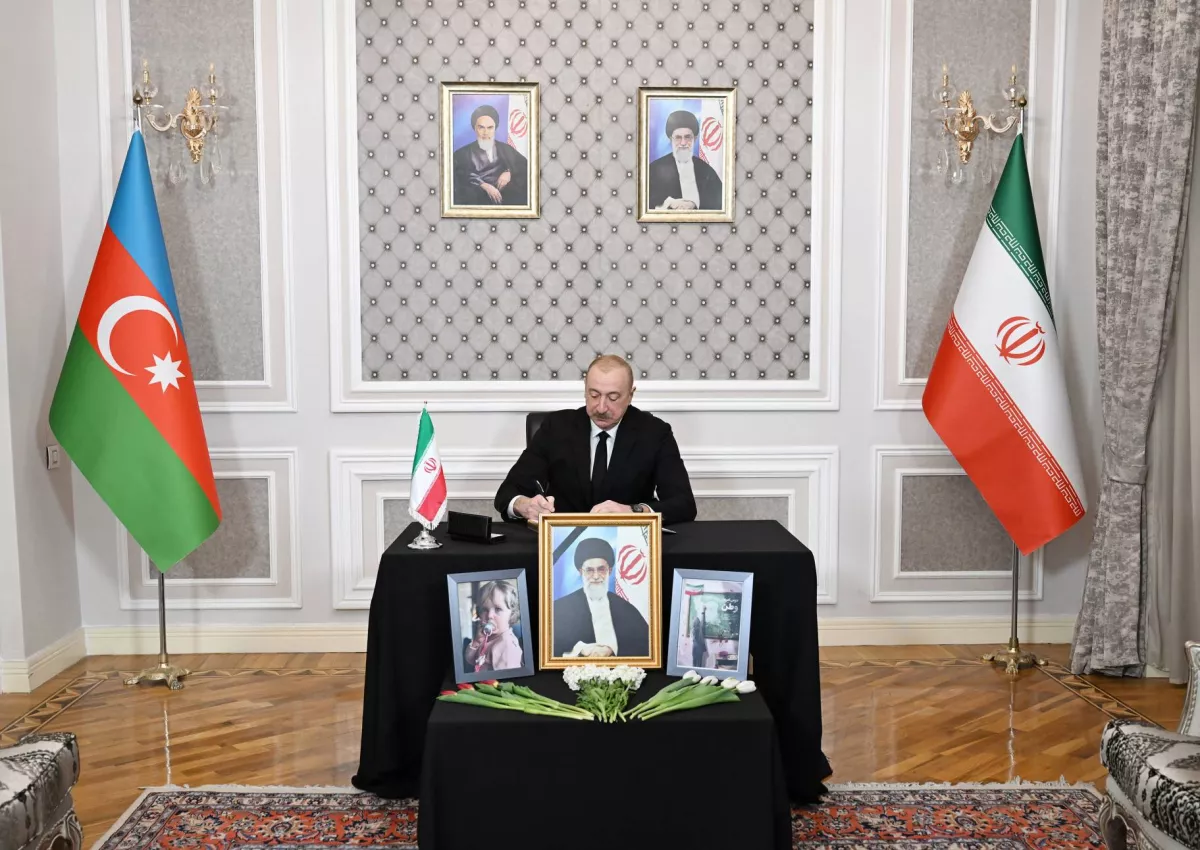
Ilham Aliyev’s visit to the Iranian embassy in Baku on March 4 marks a separate chapter in this story. The Supreme Leader of the Islamic Republic of Iran, Khamenei, was killed as a result of the strike on February 28, with his death confirmed on the morning of March 1. Yet by March 4, the Azerbaijani president personally visited the Iranian diplomatic mission, made an entry in the Book of Condolences, and held a conversation with Ambassador Demirchilu, noting that he would always remember with the utmost respect and fondness his meetings with Ayatollah Ali Khamenei during his visits to Iran.
On March 1, Aliyev sent a letter to Pezeshkian, calling Khamenei’s death “a great loss for Iran” and emphasising that he “played a vital role in the life of the Iranian state and society over many years.” On March 9, he sent a congratulatory letter to the new Supreme Leader, Mojtaba Khamenei.
However, there are specific figures who have been working for years to undermine Azerbaijan-Iran relations, and their activities deserve separate and close attention.
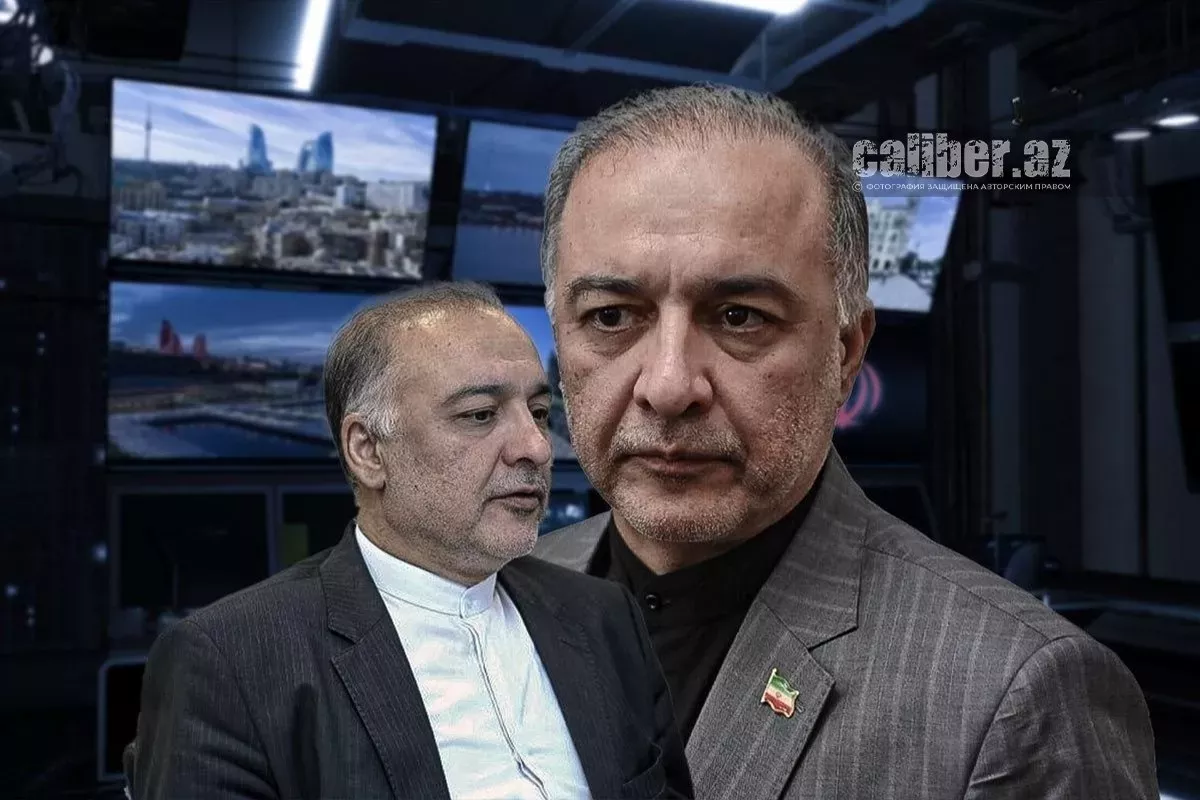
Mehdi Sobhani, the former Iranian ambassador to Armenia, turned his diplomatic mission in Yerevan into a platform for open anti-Azerbaijani agitation. At press conferences, he declared that Tehran “supports the strengthening and empowerment of Armenia and is ready to assist it in every way.” He publicly opposed Azerbaijan’s transport projects, insisting that “roads must remain under the sovereignty of the country they pass through”—a clear hint at resisting the Zangezur Corridor. Sobhani’s activities in Armenia went so far beyond diplomatic protocol that Azerbaijani analysts began questioning whether he was a diplomat or an intelligence officer.
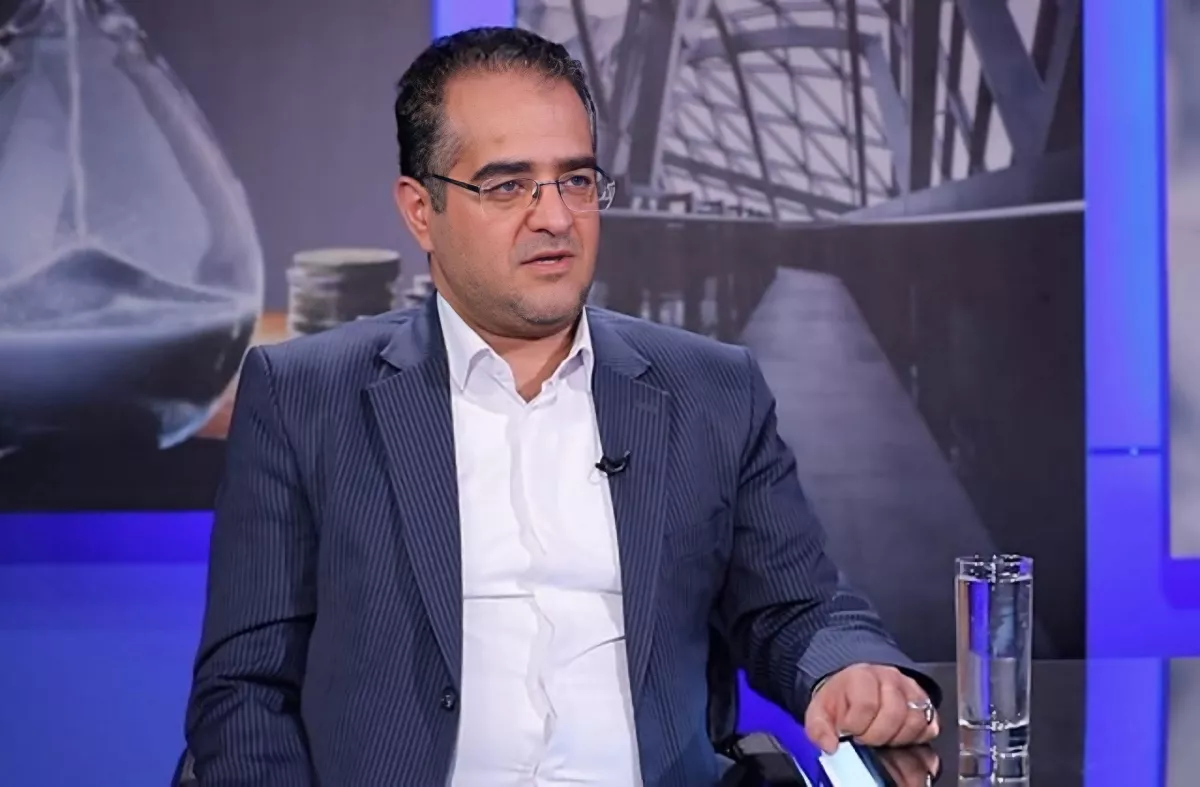
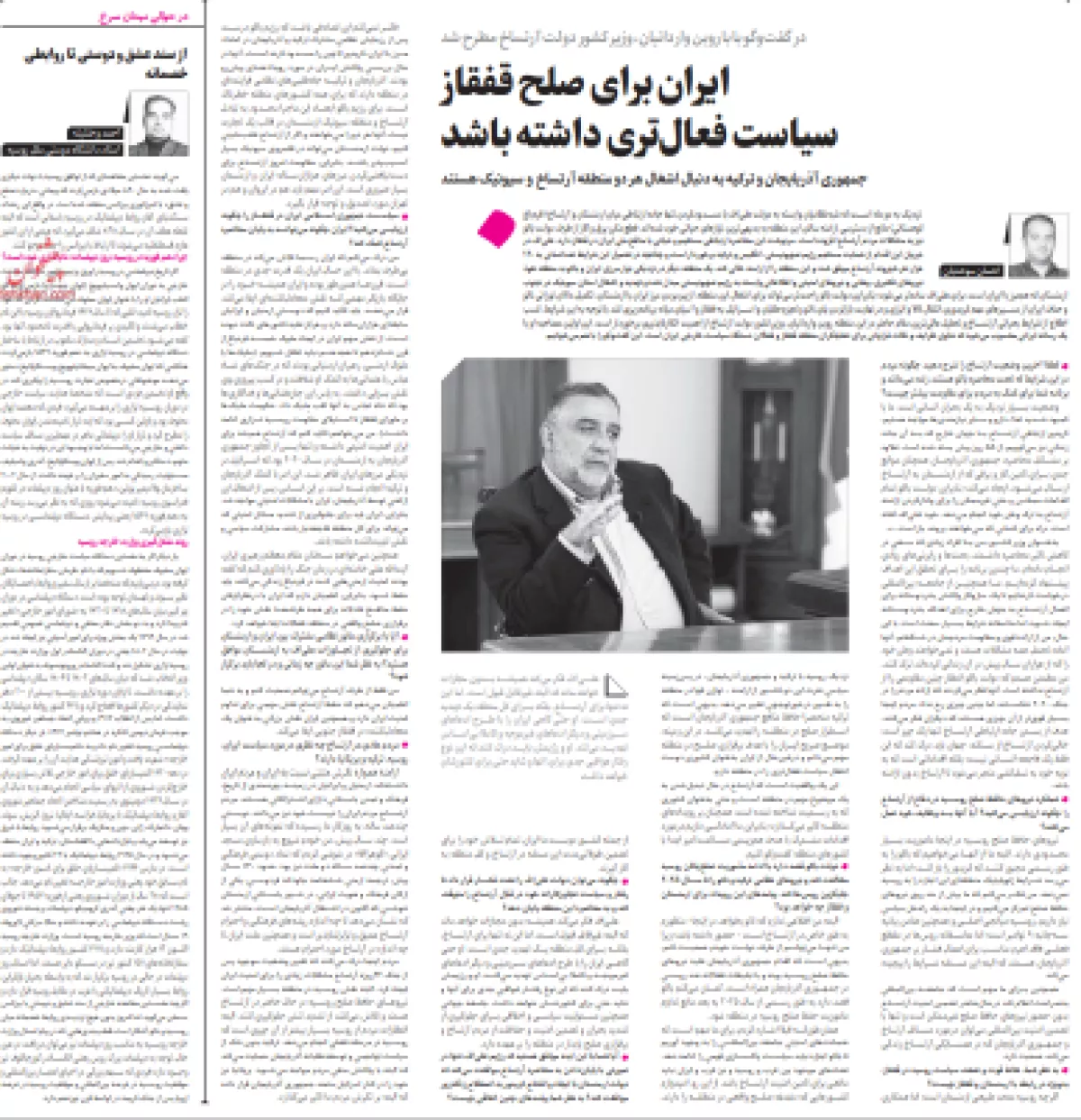
Ehsan Movahedian, an Iranian “Caucasus specialist” from Allameh Tabataba’i University, represents an even more radical figure. Known for his openly anti-Azerbaijani and anti-Israeli views, he wrote in an article for a publication linked to the Iranian Ministry of Foreign Affairs that “the capture of Baku would cost Iran less than one hundred thousand dollars.” In an interview with the Armenian agency Armenpress, Movahhedian claimed that Israel allegedly used Azerbaijani territory to strike Iran, and that Baku had supposedly become “the second branch of the Zionist regime in the region.” He also interviewed the so-called “state minister of the NKR,” Ruben Vardanyan—who is currently serving a sentence under an Azerbaijani court ruling—for the Iranian newspaper Shargh, thereby legitimising the narrative of a non-existent “Artsakh” in the Iranian media space. Additionally, he called for supporting “ethnic and religious minorities” in Azerbaijan—a formulation that constitutes direct incitement to destabilise a sovereign state.
A separate chapter in Iran’s information war against Azerbaijan is represented by the activities of the Iranian television channel Sahar TV, which is part of the state broadcasting corporation IRIB. Broadcasting in Azerbaijani and reaching into the information space of Azerbaijan’s southern regions, the channel has for years spread fake news—from fabricated stories about alleged “Wahhabi propaganda” in Baku’s mosques to reviving baseless accusations that the country supplied weapons to terrorist groups in Iraq and Syria. Sahar TV systematically promotes the claim of Israeli military presence on Azerbaijani territory. Azerbaijani MP Jeyhun Mammadov explicitly stated from the parliamentary podium that Iranian radio stations and Sahar TV “invade Azerbaijan’s information space and engage in subversive activities,” sowing interethnic discord through fake social media accounts.
This also includes the organisation Husseiniyoun—a militarised structure created by the IRGC from followers of Khomeinist ideology who had moved from Azerbaijan to Iran. Its leadership publicly called for the establishment in Azerbaijan and the Caucasus of “a full-fledged Islamic resistance organisation, similar to Hezbollah,” allegedly citing directives from the late Qasem Soleimani. Azerbaijani intelligence repeatedly neutralised IRGC agent cells on Azerbaijani territory, some of whose members had previously been involved in attempts on Israeli citizens abroad. The conservative newspaper Kayhan, affiliated with the office of the Supreme Leader, allowed itself to make malicious insinuations about the country. The Telegram channel Akhbar-e Suria, broadcasting the IRGC’s position, even issued direct threats against Aliyev.
All of these figures and structures—Sobhani, Movahhedian, Sahar TV, Husseiniyoun, and IRGC-controlled media—are united by one thing: a long-standing, deliberate, and systematic effort to undermine Azerbaijan-Iran relations, to drive a wedge between two peoples bound by shared culture and traditions. They magnified every dispute, fabricated every pretext, and demonised every step taken by Baku. And now, when Iran finds itself in a severe crisis—under attack, with infrastructure destroyed and thousands of civilians killed—it is Azerbaijan that extended its hand first.
There is an old principle that needs no translation into any language: a friend is known in times of trouble. Let those who for years have churned out anti-Azerbaijani pamphlets and fabricated fakes look at today’s map. Let them see that the most reliable frontier for Iran in these tragic days was precisely the Azerbaijan-Iran border—the very border where they were searching for “Zionist agents” and “military bases.” This border is crossed not by drones or saboteurs, but by tons of flour, rice, medicines, and festive gifts. Through this border passed Russian humanitarian aid, because Azerbaijan provided its territory, its airports, and its logistics for this purpose.
Iran, now experiencing the most difficult period in its recent history, has every reason to reflect—not theoretically, but practically, in light of concrete actions—on who its true friend and partner in the region is. Azerbaijan, guided by shared civilizational principles, the cultural closeness of the two peoples, and a basic human sense of compassion, has in a difficult moment demonstrated—through deeds, not words—what it means to be a neighbour.
As for those within the Islamic Republic of Iran who built their careers on an anti-Azerbaijani agenda, they now have cause for concern. Facts are stubborn things. When circumstances revealed the true balance of power, when it became clear whose border was lifesaving and whose was merely decorative, there is less and less room for information sabotage and provocative “expertise.” The forces that for years have undermined relations between the two countries will inevitably find in this new reality the place they deserve—on the sidelines of history.







 editor@caliber.az
 +994 55 444-88-98
 Азербайджан, Баку, ул. Низами, 203, Af Business House, 5-й этаж