










Trump, Modi and the geopolitics of oil What’s at stake in the US–India deal
On February 2, India and the United States announced that they had reached a trade agreement. In particular, President Donald Trump said that Washington would cut tariffs on Indian goods from 25% to 18% after Prime Minister Narendra Modi agreed to halt purchases of Russian oil.
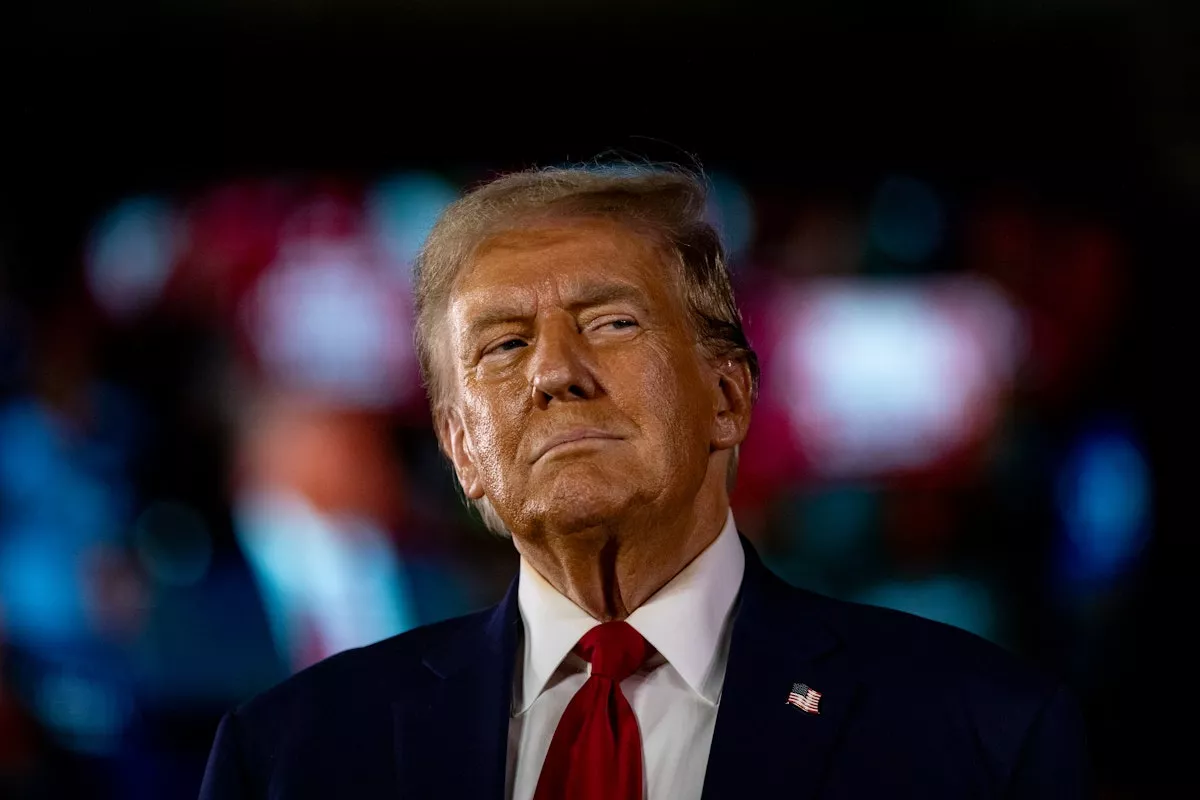
In a post on Truth Social, the White House chief also noted that the Indian prime minister would expand purchases of American goods, including in the energy, coal and agricultural sectors. Earlier, Donald Trump had stated that India would buy oil from Venezuela.
However, the two sides offer differing interpretations of these arrangements. Indian media reports do not stress any reduction in purchases of Russian oil, while Washington explicitly highlights this point. The reason lies in the fact that the Indian public views its country as a great and independent power and is therefore highly sensitive to any attempts by the United States to dictate New Delhi’s economic and trade policies. In addition, the opposition has repeatedly underscored the importance of this issue, making it essential for Modi to avoid political backlash by avoiding public discussion of matters that could generate domestic tensions.
At the same time, the new deal has multiple dimensions and is capable of influencing a range of economic and geopolitical processes, above all developments in the Middle East. As early as January, Reuters reported that Indian refineries were revising their oil import strategies, scaling back supplies from Russia while planning to expand purchases from Persian Gulf countries. In particular, India’s state-owned refiner Bharat Petroleum concluded annual tenders to purchase Basrah crude from Iraq and oil from Oman, and also considered acquiring Murban crude from the United Arab Emirates.
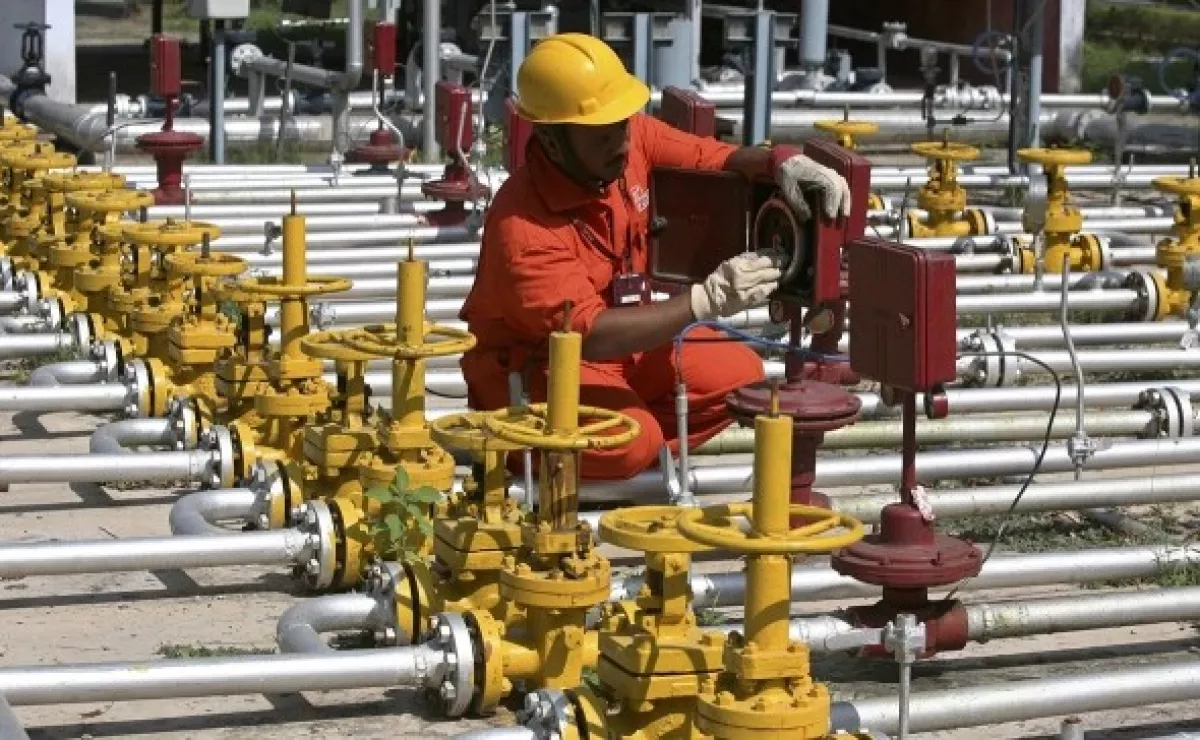
If India actually fulfils Trump’s condition, Gulf states will increase their share of the Indian market, which is important for them. India’s economy is growing at roughly 6 per cent annually, its GDP is approaching $4 trillion, and industrialisation is turning the country into a major importer of hydrocarbons.
Consequently, this decision enhances the global significance of the Middle East as an energy supplier and also creates additional opportunities for the India–Middle East–Europe Economic Corridor (IMEC) – a future transport and trade corridor connecting India with Europe, which is planned to pass through the Arab states of the Persian Gulf and Israel.
Discussions on this project began under Joe Biden, but were paused following the outbreak of the war in Gaza, which escalated instability in the region. Notably, IMEC is seen as an alternative to China’s massive Belt and Road Initiative (BRI), involving a network of railways and ports capable of handling the growing flow of goods in both directions.
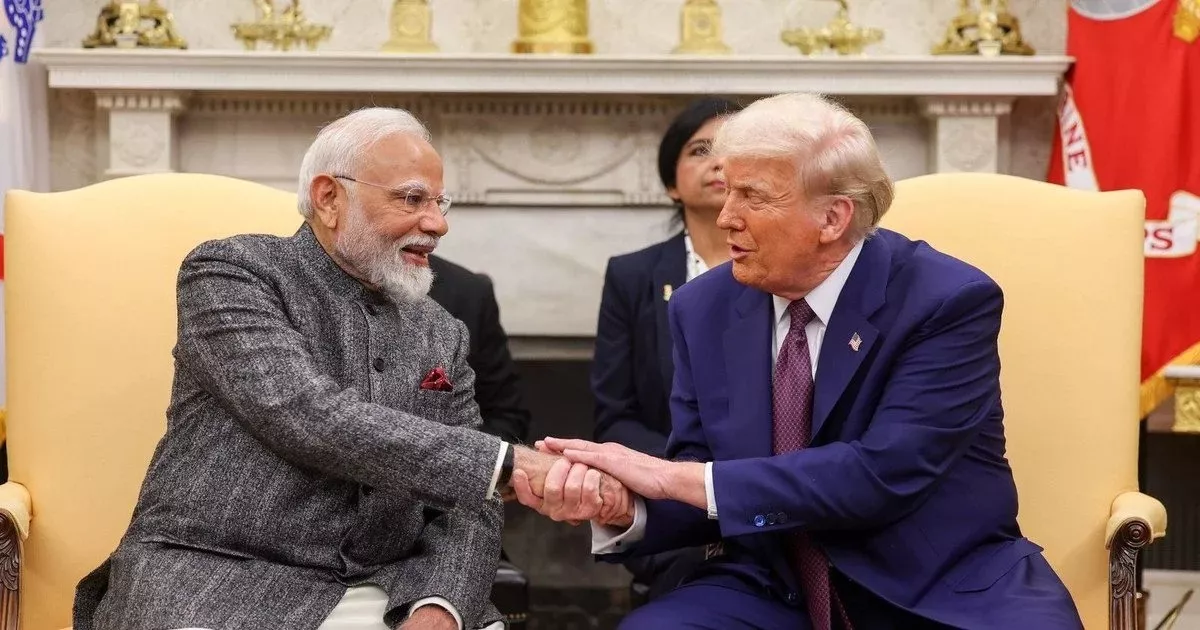
Another potential consequence of the deal could be increased American pressure on Türkiye, which is also a purchaser of Russian oil. If New Delhi fulfils the condition, it could serve as a trigger for Washington to intensify pressure on Ankara to persuade it to halt its own purchases. Here, Trump has additional leverage, as Türkiye is highly interested in acquiring American F-35 fighter jets.
Moreover, the agreement between Washington and New Delhi may carry political significance. China is India’s main geopolitical competitor, and some experts argue that the rivalry between these two powers will shape the future of the planet in the twenty-first century.
India views closer ties with the United States as a natural step, and some American policymakers share this perspective. However, this does not rule out friction and trade disputes between the two countries, which could complicate cooperation. How events will unfold remains to be seen, particularly given that New Delhi has not commented on Trump’s statement regarding the cessation of Russian oil purchases.







 editor@caliber.az
 +994 55 444-88-98
 Азербайджан, Баку, ул. Низами, 203, Af Business House, 5-й этаж