










America First and the Caribbean knot What awaits Cuba in 2026?
The Cuban government will likely have to make fateful decisions in the near future to avoid serious political upheaval. Following Washington’s special operation in Caracas in January of this year — which resulted in the capture of the country’s leader and Havana’s ally, Nicolás Maduro — U.S. President Donald Trump has repeatedly hinted that Cuba could be the next target.
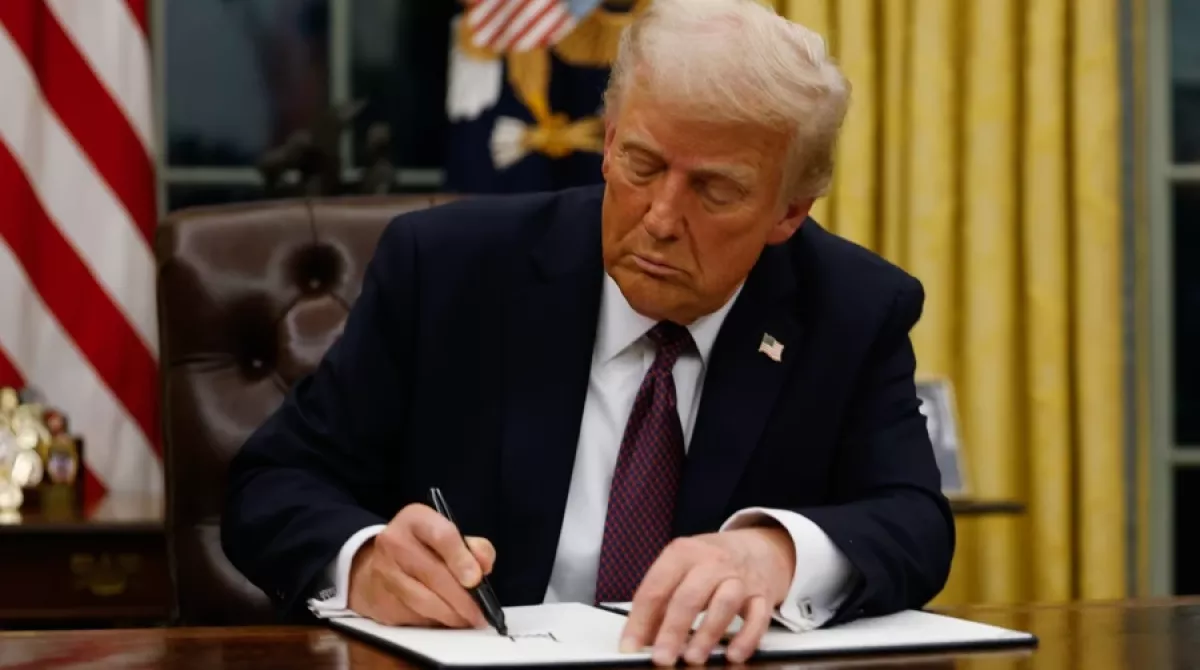
The American leader moved from words to action almost immediately. In particular, he issued an executive order imposing additional tariffs on goods from countries supplying oil to Cuba, thereby significantly reducing the island’s traditional energy imports. The U.S. justified its actions by claiming that the Cuban government poses a threat to its national security.
“We will not allow foreign states to support this regime by providing it with vital energy resources. From now on, any country that supplies oil to Havana will face economic consequences in the form of tariffs on its goods when imported into the US,” the White House stated.
Shortly before signing the order, Donald Trump urged the Cuban leadership to “make a deal before it's too late.”
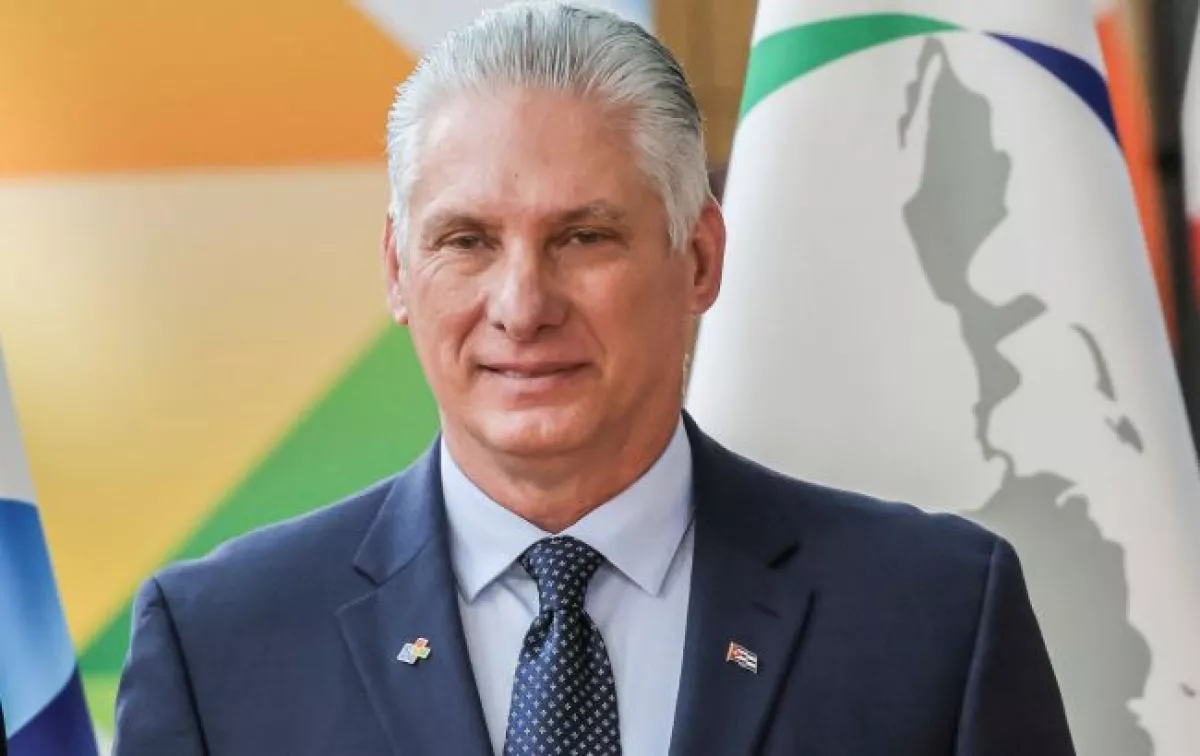
In response, Cuban President Miguel Díaz-Canel emphasised that Washington has no moral right to impose any agreements on his country: “Cuba is a free, independent, and sovereign nation. Nobody dictates what we do.”
Later, speaking to journalists before a Republican rally in Iowa, Trump stated that Cuba is close to collapse: “Cuba looks like it's ready to fall. I don't know if they're going to hold out. But Cuba now has no income. They got all of their income from Venezuela, from the Venezuelan oil.”
However, just the day before, while aboard an airplane, the U.S. president told reporters that, under the conditions of America’s oil blockade of Cuba, U.S. Secretary of State Marco Rubio is in contact with Havana.
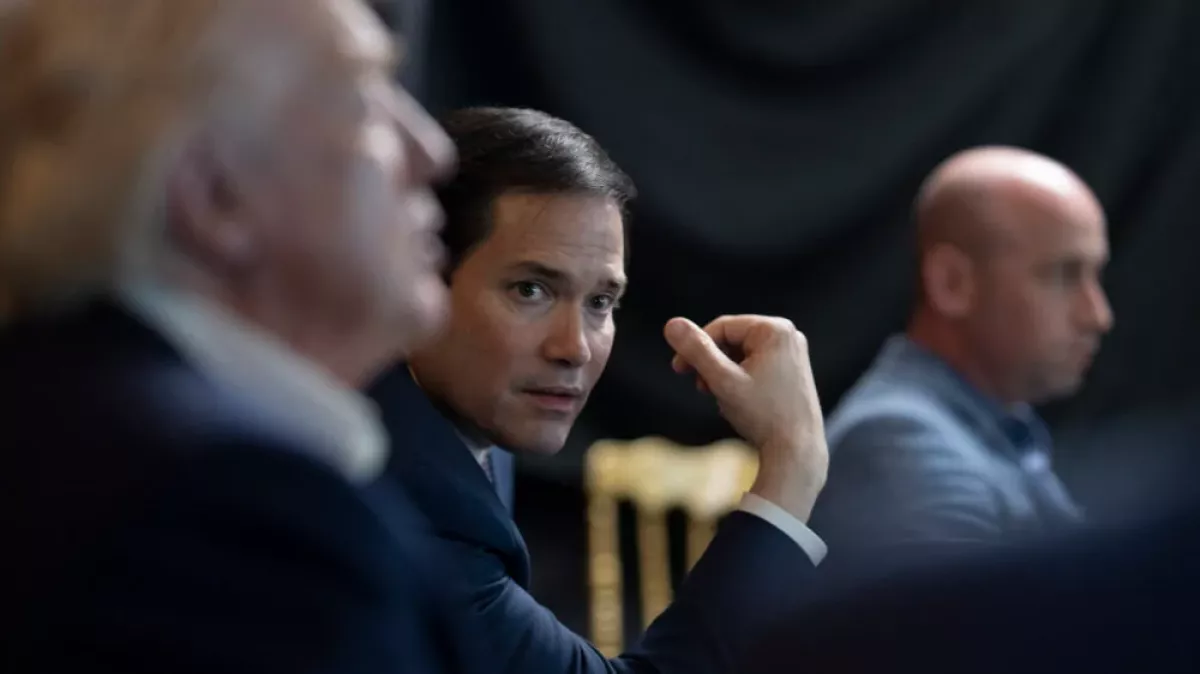
“We are talking to Cuba right now. We have Marco Rubio talking to Cuba right now, and they should absolutely make a deal, because it’s really a humanitarian threat,” Trump said, adding that they currently “don’t even have jet fuel.” At the same time, he emphasised that he does not see the need for an operation in Cuba similar to the one in Venezuela.
Venezuela remained Cuba’s main oil supplier, delivering an estimated 35,000 barrels per day (about 4,800 tons). However, exports ceased back in December 2025 following the U.S. maritime blockade of Venezuela. Citing internal documents from the state oil and gas company PDVSA, the last oil tanker was sent to Cuba in mid-December 2025, according to Reuters.
Trump had already warned at the time that once Venezuelan supplies stopped, Cuba would be pushed to the brink of collapse. However, a full breakdown did not occur — apparently thanks to increased shipments from Mexico, which was exporting tens of thousands of barrels of oil to the island each day.
But the new executive order issued by Donald Trump in January 2026 directly affects Mexico, significantly worsening Cuba’s energy situation. It is therefore highly doubtful that Havana will be able to withstand pressure from Washington and navigate the looming energy crisis.
In effect, the United States has signalled that failure to meet its demands could leave the island nation facing not only an energy collapse, but also the risk of political upheaval and a change of power.
Firstly, because of the shortage of oil supplies, Cuba has already found itself in an economically vulnerable position, and the situation is likely to deteriorate further. In theory, rising social discontent could trigger nationwide street unrest, with all the consequences that would entail.
Secondly, however, it cannot be overlooked that Cuba has extensive experience in resisting U.S. sanctions pressure.
Even taking these factors into account, Washington’s primary objective remains the strengthening of the United States foreign policy in line with the updated National Security Strategy (NSS) promoted under the slogan “America First.” Whether Cuba will become the next political “achievement” of the White House remains to be seen.







 editor@caliber.az
 +994 55 444-88-98
 Азербайджан, Баку, ул. Низами, 203, Af Business House, 5-й этаж