










Will the Gulf states enter the war against Iran? Analysis by Shereshevskiy
The United Arab Emirates (UAE) is considering the possibility of launching strikes against Iran’s missile launch sites amid the spread of the regional war, the well-informed outlet Axios has reported. According to two sources familiar with the situation who spoke to Axios, the United Arab Emirates is weighing potential military action to halt Iranian missile and drone strikes against the country.
On the first day of the war, Iran launched attacks on the United Arab Emirates, Kuwait, Qatar, and Bahrain. On the second day, the strikes expanded to include Oman and Saudi Arabia.
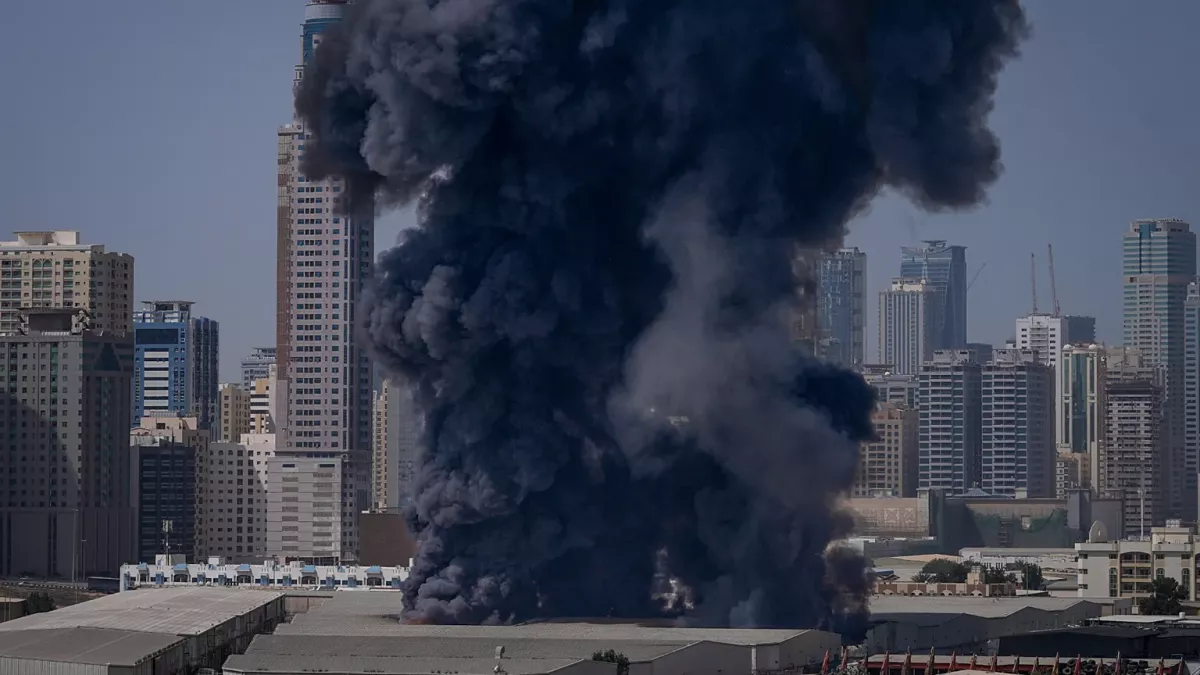
The attacks led to the suspension of most natural gas production in Qatar, and on March 2, an Iranian drone struck the U.S. Embassy in Riyadh. Debris from intercepted missiles sparked fires at Jebel Ali Port, and a drone hit a luxury hotel on Palm Jumeirah in Dubai. Strikes were also carried out against oil refineries in Saudi Arabia.
On March 3, the UAE Ministry of Defence stated that Iran had launched 186 ballistic missiles at the country. Of these, 172 were intercepted, 13 fell into the sea, and one landed on UAE territory. Authorities also detected 812 drones, 755 of which were intercepted, while 57 reached the country. Three foreign nationals were killed, and around 70 others were injured.
“The UAE is considering taking active defensive measures against Iran. Although it has not been involved in the war in any way, it has still endured 800 projectiles,” a source familiar with political discussions in the country told Axios.
Anwar Gargash, diplomatic adviser to the UAE president, wrote on X that the Iranian aggression against the Gulf states was “misdirected, isolating Iran at its critical moment."
“Your war is not with your neighbours, and with this escalation, you confirm the narrative of those who see Iran as the main source of danger to the region, and that its missile programme is a constant symbol of instability,” he stated.
A potential UAE strike on Iran would be unprecedented, and even the fact that such an option is being considered reflects the Gulf states’ outrage over Iranian attacks targeting civilian infrastructure and oil and gas facilities, Axios reports. The UAE has been the country most frequently targeted by Iran since the start of the war — even more so than Israel.
Meanwhile, Israeli officials believe that Saudi Arabia may also take military action in response to Iranian attacks.
At the same time, Bloomberg, citing sources familiar with the matter, reports that the United Arab Emirates and Qatar are lobbying allies within Trump’s administration to push for an end to hostilities and a return to negotiations with Iran.
The reason, according to the report, is that some of the Gulf’s oil monarchies are facing critical shortages of missile defence systems, with only a few days' worth of interceptors remaining. Additionally, Iran’s attacks have placed their economies at serious risk.
The UAE has requested assistance from its allies for medium-range air defence systems, while Qatar has appealed to the U.S. for support in countering drone strikes. According to an analysis reviewed by Bloomberg News, Qatar’s stockpile of Patriot interceptors will last only a few more days at the current rate of use.
According to the outlet’s sources, the Gulf states are seeking to build a broad coalition aimed at achieving a swift and diplomatic resolution to the conflict. Anonymous senior Western officials cooperating with Bloomberg said that Qatari representatives, along with other Sunni oil monarchies of the Persian Gulf, have for years maintained close business ties with U.S. envoys and confidants of Donald Trump — including Steve Witkoff and Jared Kushner.
Shortly before the start of U.S. strikes on Iran, they reportedly urged the American administration to exercise restraint. Qatari officials and other representatives of the Sunni Gulf monarchies also pledged that, if sanctions were lifted, they would help transform Iran into a country open to Western capital through energy partnerships, infrastructure investments, and the creation of financial corridors.
On the other hand, according to the sources, competing alliances have been exerting pressure from different directions. Qatar has appealed to trade, stability, and the promise of historic economic normalisation with Tehran, while Israeli officials and lobbyists in contact with the Washington administration have emphasised security interests and the credibility of Trump’s “peace through strength” doctrine. For now, it appears that the Israelis and their supporters are gaining the upper hand.
Saudi Arabia’s and the UAE’s reported plans to strike Iran in response to the attacks do not necessarily contradict their stated desire to bring the conflict to a swift end. They may seek to demonstrate resolve through a retaliatory response and then return to the negotiating table.







 editor@caliber.az
 +994 55 444-88-98
 Азербайджан, Баку, ул. Низами, 203, Af Business House, 5-й этаж