










UAE invests in the Georgian economy From Dubai to Batumi
Actions by Georgia’s pro-Western opposition and attacks on the Georgian government from the European Union are gradually disappearing from the information space. At the same time, investor interest in Georgia is growing, both as a developing economy and as a country playing a key role in the formation of a new, dynamically developing international transit route—the Middle Corridor.
The country’s investment opportunities were the focus of Georgian Prime Minister Irakli Kobakhidze’s fourth visit to the United Arab Emirates since the beginning of 2025. During the visit, the Prime Minister took part in the World Government Summit, held from February 3 to 5, 2026, in Dubai.
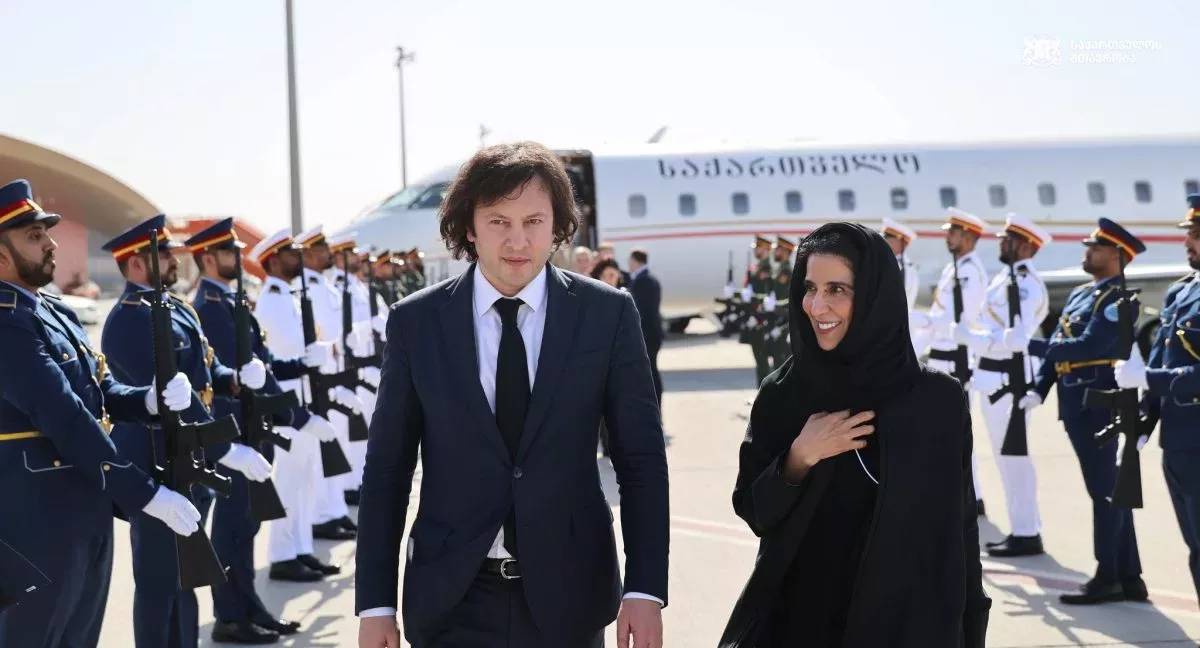
Speaking at the summit, Irakli Kobakhidze emphasised the importance of the Middle Corridor in today’s complex geopolitical environment.
"The northern corridors that once carried goods efficiently between Europe and Asia have been severely affected by the war in Ukraine. Supply chains that took decades to build were disrupted overnight. Businesses that planned for efficiency suddenly found themselves planning for survival. Look eastward, and we see Pacific trade routes increasingly politicised by the Great Power tensions. Tariffs, sanctions, and strategic decoupling have transformed what was once the world’s most dynamic commercial relationship into a complex geopolitical contest [...] The world does not need less trade – it needs more resilient trade. It does not need isolation – it needs intelligent diversification. And it does not need to choose sides – it needs reliable bridges between them. This brings us to the Middle Corridor, which is no longer simply an option, but an imperative for global commerce," said the prime minister.
For Georgia, investments are important not only in transit-related infrastructure. Equally significant are projects that enhance the country’s appeal as a tourist destination and as a location for international business development. In this context, investors from the UAE have become some of the first active participants.
Last year, the development company Eagle Hills and the Government of Georgia signed an agreement to implement two large-scale projects—one in Adjara (in the Gonio area near Batumi) and another in Tbilisi (in the Krtsanisi Forest Park area). The total volume of investments is estimated at $6.6 billion.
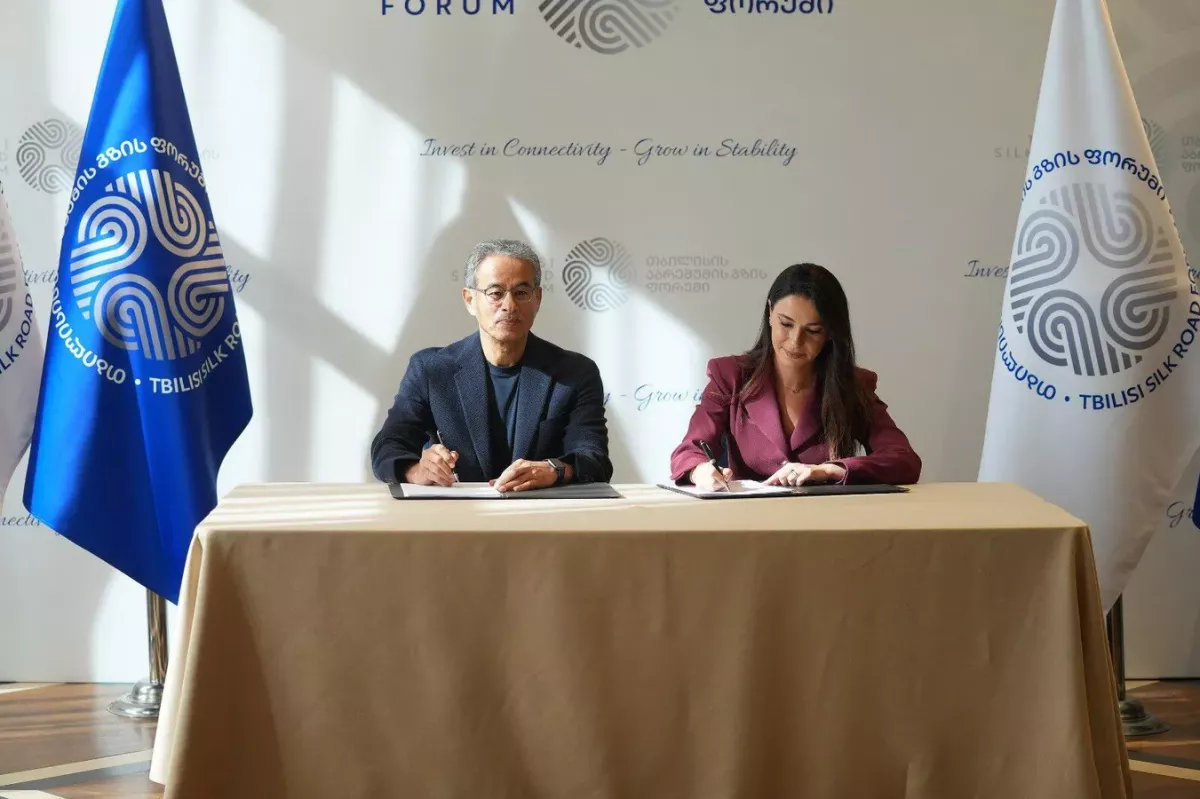
Notably, the signing of the agreement with Eagle Hills drew criticism from both the pro-European opposition and right-wing forces. Representatives of the conservative spectrum even organised protests against the alleged “settling of Arabs in Georgia,” claiming that they would move en masse into the luxury apartments being built by the company. However, these actions quickly faded.
As for the accusations by the pro-Western opposition that the government is supposedly “replacing” European and Western investors with Arab ones, it is worth noting that investment activity from EU countries in other regions of the world has already been declining amid prolonged economic difficulties in Europe itself. On the contrary, both the United States and the European Union actively attract investments from the United Arab Emirates and other wealthy Gulf countries.
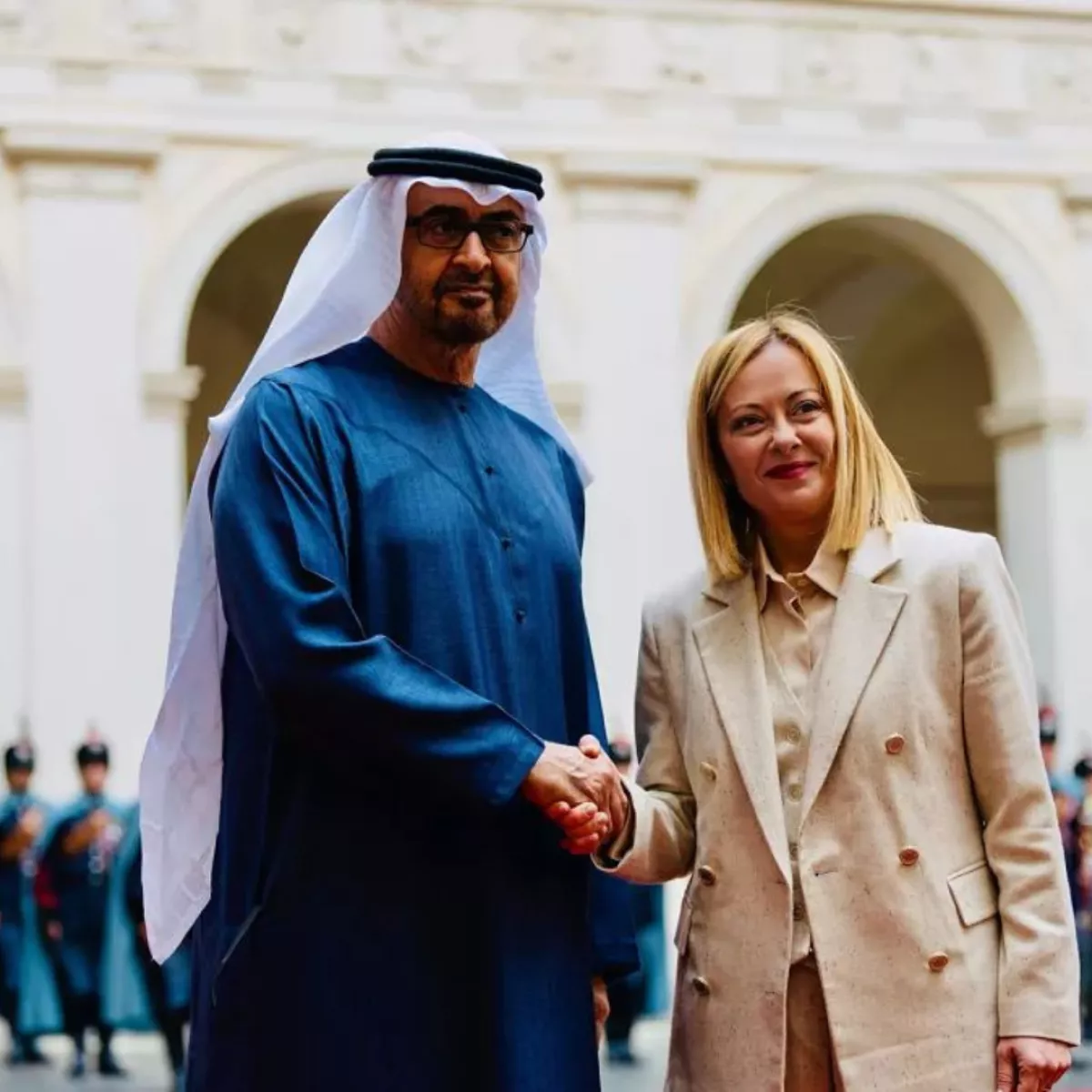
At the beginning of 2025, following a visit to Rome by UAE President Sheikh Mohamed bin Zayed Al Nahyan, Italian Prime Minister Giorgia Meloni stated that the UAE would invest an additional $40 billion in Italy.
Moreover, in the spring of last year, it became known that the UAE plans to invest up to $1.4 trillion in the U.S. economy over the next ten years. Against this backdrop, it is strategically important for Georgia to attract a portion of the UAE’s investment flow—both as a country with potential for international transit development and as a growing tourist destination.
During the World Government Summit in Dubai, the governments of Georgia and the UAE signed a memorandum of understanding on cooperation in the exchange of government expertise. The document is particularly significant considering that Tbilisi is exploring the prospects of turning Batumi, with the support of UAE investors, into a kind of “Northern Dubai”—a hub not only for tourism but also for international business.
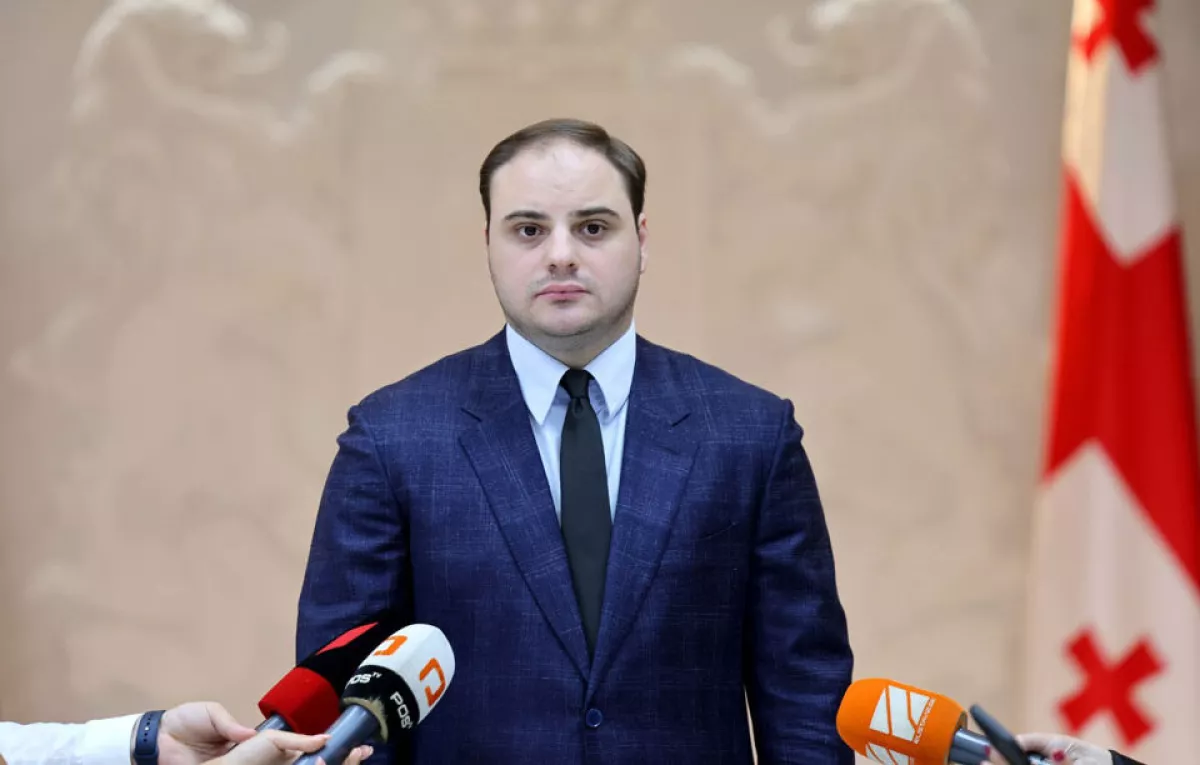
"The memorandum provides for the exchange of experience between governments in key areas such as strategic planning and the implementation of strategic documents. In this regard, we already have an ongoing project that involves the introduction of an electronic monitoring system to achieve strategic objectives," said Levan Zhorzholiani, Head of the Administration of the Government of Georgia, clearly referring to one of the projects being implemented with the participation of UAE investors.
In addition, in Dubai, the Georgian Prime Minister, Irakli Kobakhidze, met with the new Secretary-General of the UN World Tourism Organisation, Shaikha Nasser Al Nowais. The Prime Minister congratulated her on her election and wished her success, while the Secretary-General, in turn, thanked Tbilisi for supporting her candidacy. Notably, in the organisation's 50-year history, she became the first woman to hold this position. During the meeting, the parties highlighted the steady increase in tourist flows to Georgia and the country’s wide range of tourism opportunities. In 2025, the number of international tourist visits to Georgia exceeded 5.5 million, marking a historic high. Clearly, if recent attempts at an unconstitutional seizure of power by the pro-Western opposition, supported by external actors, had succeeded, such impressive growth in the country’s tourism sector would have been impossible.
By Vladimir Tskhvediani, Georgia, exclusively for Caliber.Az







 editor@caliber.az
 +994 55 444-88-98
 Азербайджан, Баку, ул. Низами, 203, Af Business House, 5-й этаж