










US and Iran face high-stakes diplomacy in Oman Between missiles and meetings
After weeks of escalating military threats and acrimonious disputes over the venue, senior Iranian and US delegations returned to Oman on February 6 to resume negotiations that began last year. The talks come with unusually high stakes. Their previous collapse in June 2025 was followed almost immediately by a short but destructive war involving Iran, Israel and the United States—an episode that pushed the Middle East to the brink of a wider regional conflagration.
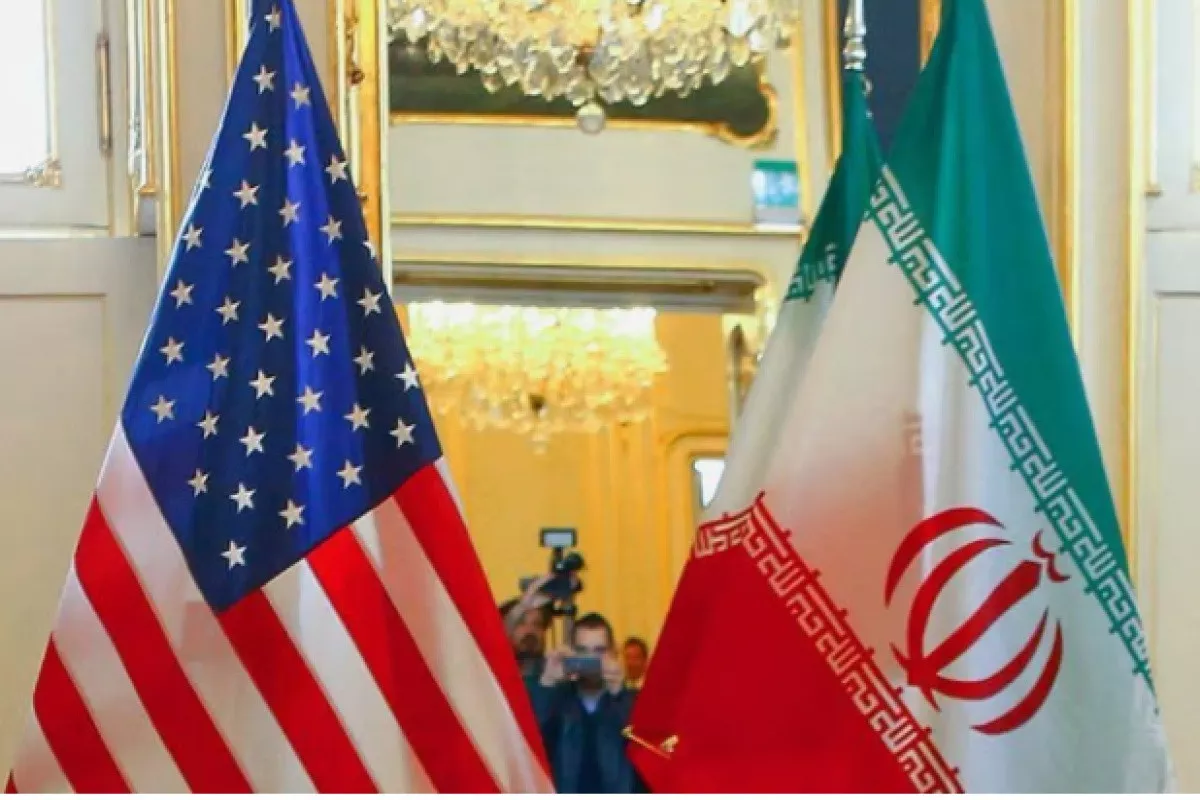
This new round of diplomacy unfolds in an atmosphere strikingly similar to that of mid-2025: heightened military alertness, hardening rhetoric, and deep mutual mistrust. Once again, diplomacy is being conducted not in isolation from military pressure, but alongside it. Whether this constitutes leverage or provocation remains at the heart of the unfolding crisis.
US military readiness
The renewed talks come amid fears of a US military strike on Iran following President Donald Trump’s order to mass American forces in the Arabian Sea. The move followed a violent crackdown by Iranian authorities on domestic protests last month, a development that Washington has used to justify heightened military readiness.
Public messaging from the White House has left little room for ambiguity. Press Secretary Karoline Leavitt stated that Trump has been “quite clear” in his demands, chief among them Iran’s acceptance of “zero nuclear capability.” Vice President JD Vance reinforced this posture on February 5, arguing that while the administration prefers non-military solutions, Trump would not hesitate to use force if diplomacy fails.
This approach reflects a familiar Trump-era doctrine: diplomacy backed by an overwhelming military threat. Yet critics argue that such a strategy risks making negotiations inherently unstable, as any perceived concession could be interpreted domestically in Iran as capitulation under duress.
Despite a stark asymmetry in overall military power, defence experts caution Washington against assuming a repeat of recent, relatively straightforward operations like those seen in Caracas, as Iran’s layered systems have the capability of inflicting significant damage to any attacker.
Regional mediation
The talks are being mediated by Qatar, Türkiye and Egypt—three states with both regional influence and working relations with Washington and Tehran. Notably, Iran insisted on relocating the talks from Istanbul to Oman, a move that carries both symbolic and strategic weight.
Oman has long served as a discreet venue for US–Iran engagement, particularly on nuclear matters. Iranian officials have been explicit that discussions must remain confined to the nuclear file, excluding Iran’s missile programme and regional activities. This insistence reflects Tehran’s broader strategy: prevent negotiations from becoming a platform for renegotiating its entire security doctrine.
The venue shift thus underscores a fundamental disagreement. Washington appears intent on a comprehensive rollback of Iranian power, while Tehran seeks a narrow, transactional deal focused solely on nuclear constraints.
Lessons from the June 2025 collapse
The memory of the June 2025 collapse looms large. In May that year, Trump publicly claimed the two sides were “very close to a deal.” Yet within days, Israel launched pre-emptive strikes on Iranian targets, triggering a 12-day war that culminated in US attacks on three Iranian nuclear facilities during Operation Midnight Hammer.
That conflict demonstrated how quickly diplomacy can unravel—and how limited political control can be once military dynamics take over. For Tehran, the lesson was clear: negotiations without credible deterrence invite attack. For Washington, the war reinforced confidence in its ability to degrade Iranian capabilities through force.
This mutual learning process has made the current talks both more urgent and more dangerous.
US force posture in the region
While the exact contours of any potential US strike remain unclear, the scale and composition of American forces in the region provide important clues. The aircraft carrier USS Abraham Lincoln, accompanied by three guided-missile destroyers, entered the US Central Command area on January 26 and is now operating in the North Arabian Sea.
Each destroyer carries dozens of missiles, including Tomahawk cruise missiles previously used against Iranian nuclear sites. Additional warships—including the USS McFaul and USS Mitscher—are operating near the Strait of Hormuz, a strategic chokepoint where Iranian drone activity has recently increased.
In the air domain, more than three dozen US aircraft—fighters, drones, refuelling planes and reconnaissance assets—have deployed to bases across the region, particularly al-Udeid in Qatar. While smaller than the buildup preceding the June 2025 strikes, defence officials describe the force as sufficient to pose a credible threat.
Crucially, analysts note the absence of a clearly defined, limited objective—suggesting Washington may be preparing for contingencies broader than last year’s targeted strikes.
One of the most telling indicators of US intent is the deployment of search-and-rescue aircraft. Such assets are typically positioned only when planners anticipate scenarios involving downed pilots or operations deep in hostile territory.
These aircraft were also deployed ahead of the raid that led to the capture of Venezuelan President Nicolás Maduro. Their presence now suggests that US planners are contemplating high-risk operations that go beyond stand-off strikes—possibly including covert or direct-action missions.
At the same time, some US officials worry that concurrent operations in the Caribbean, linked to Venezuela and drug interdiction, may be stretching American resources thin, complicating any sustained campaign against Iran.
Broader regional implications
US naval movements beyond the Persian Gulf highlight concerns about a broader regional escalation. The destroyer USS Delbert D. Black recently visited Israel before moving into the Red Sea, while the USS Bulkeley and USS Roosevelt are operating in the eastern Mediterranean.
These deployments signal anxiety in both Washington and Tel Aviv about Iranian retaliation, even if Israel remains formally outside a new conflict. Such retaliation could take multiple forms: missile strikes, drone attacks, or operations by Iran-aligned groups across the Middle East.
The risk, analysts warn, is not merely bilateral war but a cascading regional crisis drawing in multiple actors.
Iranian deterrence strategy
Few analysts believe Iran could achieve air superiority against a joint US–Israeli assault. Tehran’s objective is different. Its strategy is to complicate enemy planning, inflict losses, and raise the political and military costs of aggression—a posture often described as an “iron porcupine.”
Rather than denying access entirely, Iran aims to make any attack painful, prolonged and unpredictable. Its air defences are integrated with missile forces, drones and asymmetric capabilities, forming a hybrid deterrent designed to delay operations and erode political will in Washington.
This approach reflects lessons drawn from Ukraine and other asymmetric conflicts: survival does not require dominance, only resilience.
Iran’s air defence system is widely regarded as more layered and resilient than those of countries such as Venezuela, where US forces achieved rapid success. Although many Iranian systems are ageing, they are increasingly supplemented by domestic production and foreign technology.
Long-range coverage is provided by the Russian S-300 and Iran’s indigenous Bavar-373 system. While the S-300 is limited in number and was badly degraded during Israeli strikes in 2024, the Bavar-373 has been positioned as Tehran’s flagship interceptor. Iranian officials claim engagement ranges of up to 300 kilometres, though the system remains untested in combat.
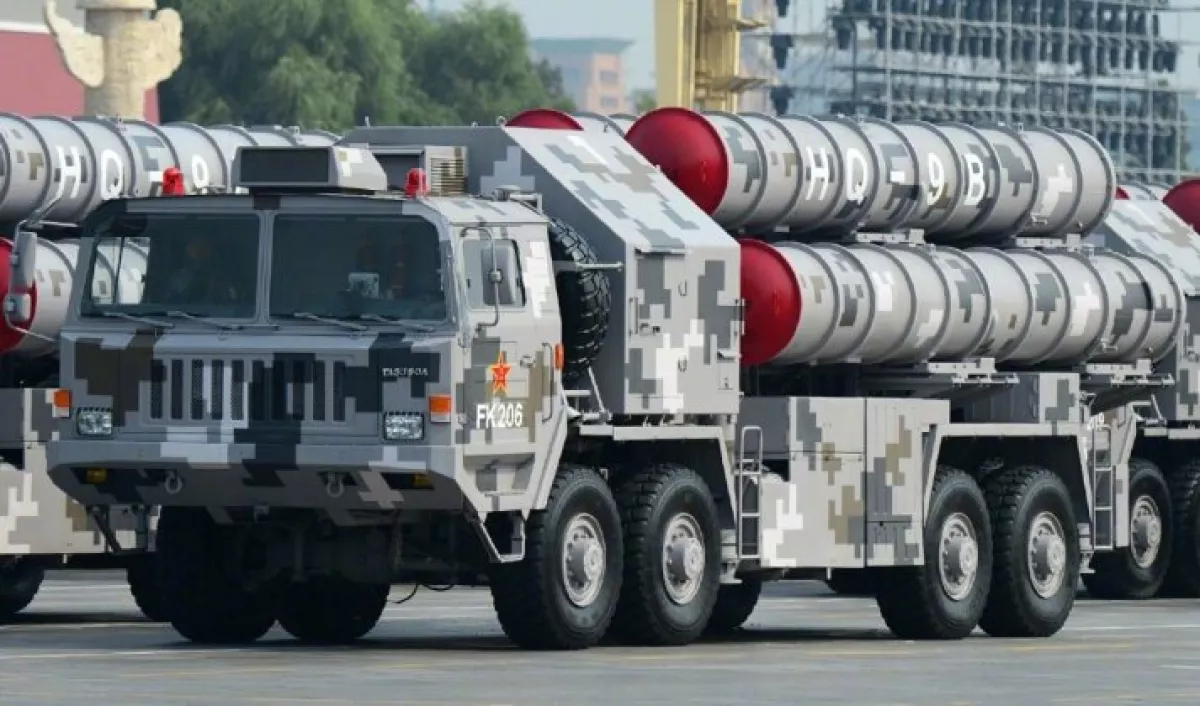
Reports in late 2025 suggested Iran received Chinese HQ-9B missiles and Russia’s S-400 systems, possibly through oil-for-weapons arrangements. If fully operational, the S-400 could significantly restore Iran’s long-range denial capabilities.
Iran also fields extensive radar systems, including the Russian Rezonans-NE and indigenous Ghadir radar, reportedly capable of detecting targets at distances exceeding 1,000 kilometres. Translating detection into successful interception, however, remains a technical challenge.
The political dimension of negotiations
Ultimately, analysts argue that the outcome of the Oman talks will hinge less on military balance than on political will. Trump’s readiness to use force is well established. More striking, however, are signals from Tehran.
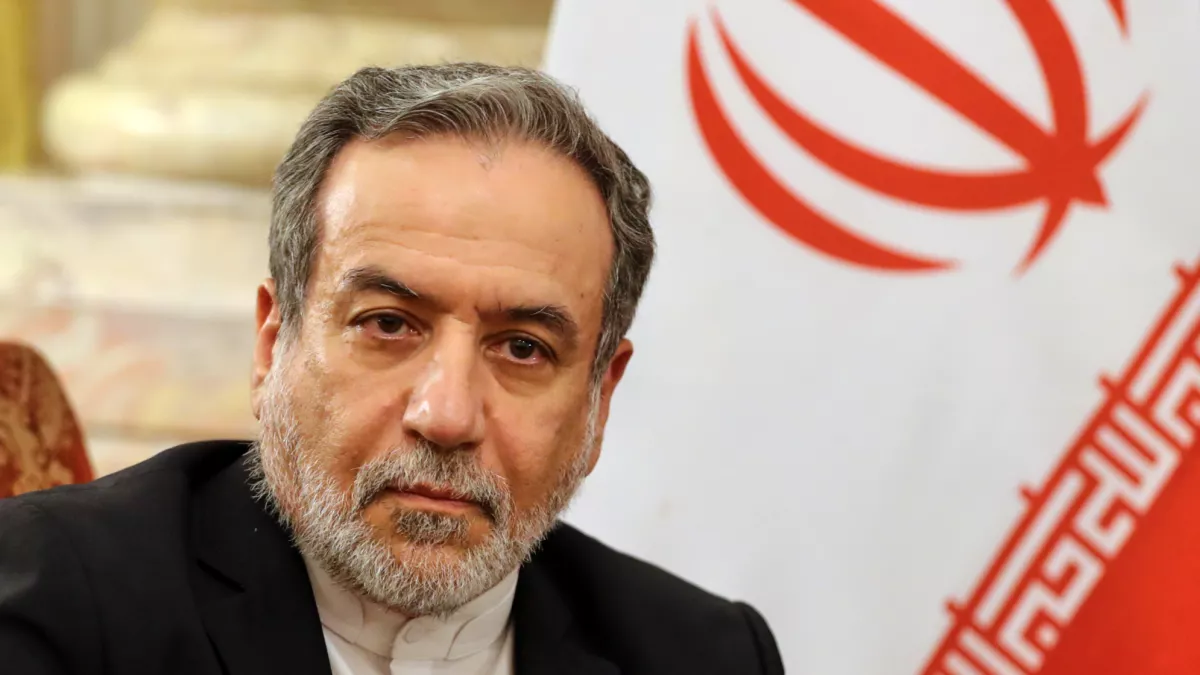
Foreign Minister Abbas Araghchi’s warning that Iran would “fire back with everything we have” if attacked reflects a hardened mood in Tehran. While he framed the statement as a grim reality rather than a threat, it underscores Iran’s determination to avoid a repeat of 2025’s vulnerabilities.
Whether regional mediators can cool tensions between two deeply suspicious adversaries remains uncertain. What is clear is that failure in Oman would not simply return the parties to the status quo—it would do so with fewer restraints, higher stakes, and a region already primed for escalation.
In this context, the Oman talks are not merely another diplomatic round. They represent a narrow corridor between uneasy containment and open conflict—one in which miscalculation, rather than intent, may prove the greatest danger.
By Nazrin Sadigova







 editor@caliber.az
 +994 55 444-88-98
 Азербайджан, Баку, ул. Низами, 203, Af Business House, 5-й этаж