










US–Azerbaijan: building partnership and looking ahead Analysis by Teymur Atayev
July 1999. At an official reception organised by the U.S. Embassy in our country to mark the Independence Day of the United States, the national leader and President of Azerbaijan, Heydar Aliyev, emphasised the rapid development of the warm, friendly, and partnership-based relations between the two states. He also drew particular attention to the fact that the expansion of economic ties was not limited to the oil and gas sector, but was spreading widely to other areas, noting that “businesspeople, entrepreneurs, and companies from the United States will also invest in other sectors of Azerbaijan, taking advantage of the significant opportunities our country offers.” Regarding the rapidly developing bilateral political relations, the national leader highlighted their continued growth, stating that “the relations between the United States and Azerbaijan will have a great future.”
In light of the historic global-scale event that took place yesterday in Baku—the signing of the U.S.–Azerbaijan “Charter on Strategic Partnership” during the visit of U.S. Vice President JD Vance—some might say that Heydar Aliyev “saw it coming.” In reality, this reflects the political mastery of Heydar Aliyev, who laid such a solid foundation for relations between Baku and Washington that even the openly anti-Azerbaijani tilt of the Biden–Blinken tandem proved ineffective. Moreover, the return of Donald Trump to the White House as the 47th U.S. president confirmed the wisdom expressed by the national leader nearly 30 years ago.
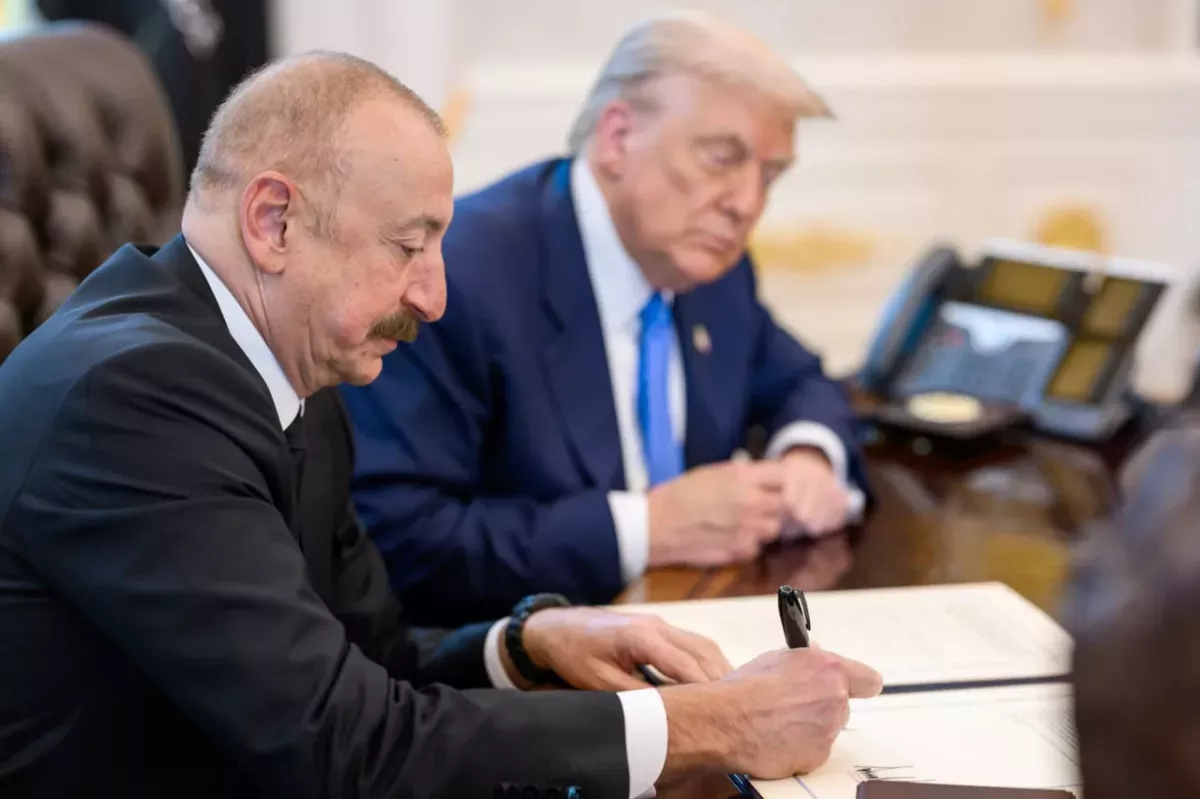
But before examining the specific details of the Charter, it is important to go back to August 8, 2025, when the Memorandum of Understanding was signed in Washington between Azerbaijan and the United States set the goal of creating a Strategic Working Group tasked with preparing this document over six months. The Charter aimed to strengthen U.S.–Azerbaijan “strategic relations.” Within this framework, the parties agreed to focus on three main areas:
-
Regional ties, including energy, trade, and transit;
-
Economic investment, including artificial intelligence (AI) and digital infrastructure;
-
Security cooperation, in particular, the implementation of defence products and counterterrorism efforts.
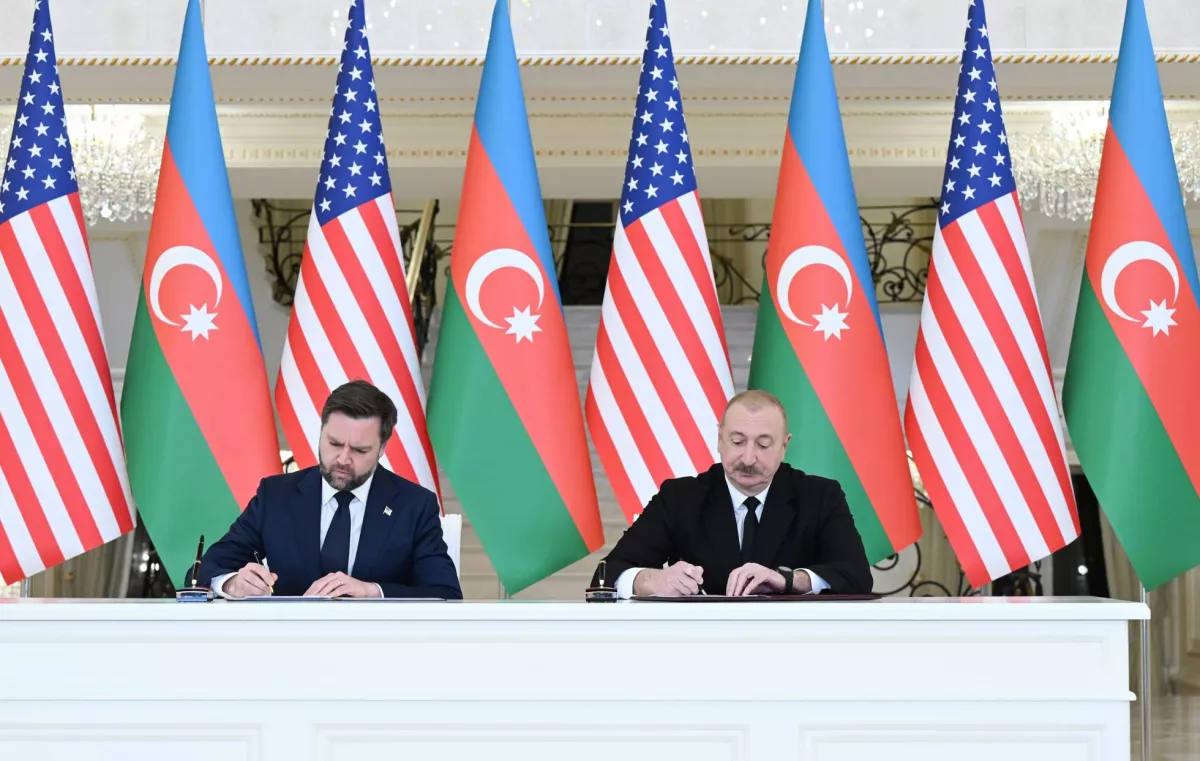
Exactly six months later, the Charter became a historic reality, elevating bilateral relations to the level of strategic partnership. All of the aforementioned provisions were naturally incorporated into the text, which also included key points reaffirming the parties’ support for each other’s sovereignty, independence, and territorial integrity as the foundation of their bilateral relations.
At the same time, Baku and Washington emphasised strengthening ties in diplomacy, economics, energy, trade, and transit, as well as in technology (including the space sector), defence, and security, including arms sales. Alongside recognising Azerbaijan’s pivotal role in ensuring energy security, the document highlighted energy cooperation in the oil, gas, and electricity sectors on a bilateral basis and through partnerships with third countries. In this context, the Charter stressed the importance of encouraging investment and improving the mutual business climate.
A separate section of the Charter highlighted the significance of TRIPP as a multimodal project designed to connect mainland Azerbaijan with Nakhchivan, unlocking the region’s international trade and transit potential and utilising the Middle Corridor through cooperation in the development of land, maritime, and air transport infrastructure.
A significant backdrop to the Charter was the acknowledgement of Azerbaijan facing a landmine threat, with a corresponding commitment to develop humanitarian demining capabilities in the country.
To implement these provisions, the parties agreed to establish working groups tasked with preparing project lists and roadmaps for their execution.
It is clear that these measures underscore the significance of the signed Charter. Accordingly, President Ilham Aliyev described the visit of U.S. Vice President JD Vance as historic, including in the context of this document. As he noted, the Charter opens a new chapter in bilateral cooperation, including promising areas such as defence sales, the creation of AI data centres, and more.
Notably, according to the U.S. Embassy in Azerbaijan, the Charter will further strengthen bilateral relations by demonstrating Washington’s commitment to continued close cooperation with Baku and the realisation of the South Caucasus’ vast potential. In turn, Vice President Vance, expressing confidence that the Baku–Washington understanding will contribute to greater peace and security in the region, described the Charter as a clear demonstration of the strength and productivity of U.S.–Azerbaijan relations for the peoples of both countries.
Overall, during their meeting and joint press statements, President Ilham Aliyev and Vice President JD Vance highlighted key global-level points. While President Aliyev underscored Donald Trump’s pivotal role in achieving peace between Azerbaijan and Armenia, Vance emphasised the Azerbaijani leader’s initiative in promoting a peaceful agenda, expressing the White House’s gratitude for the partnership and friendship between the heads of state, their teams, and administrations.
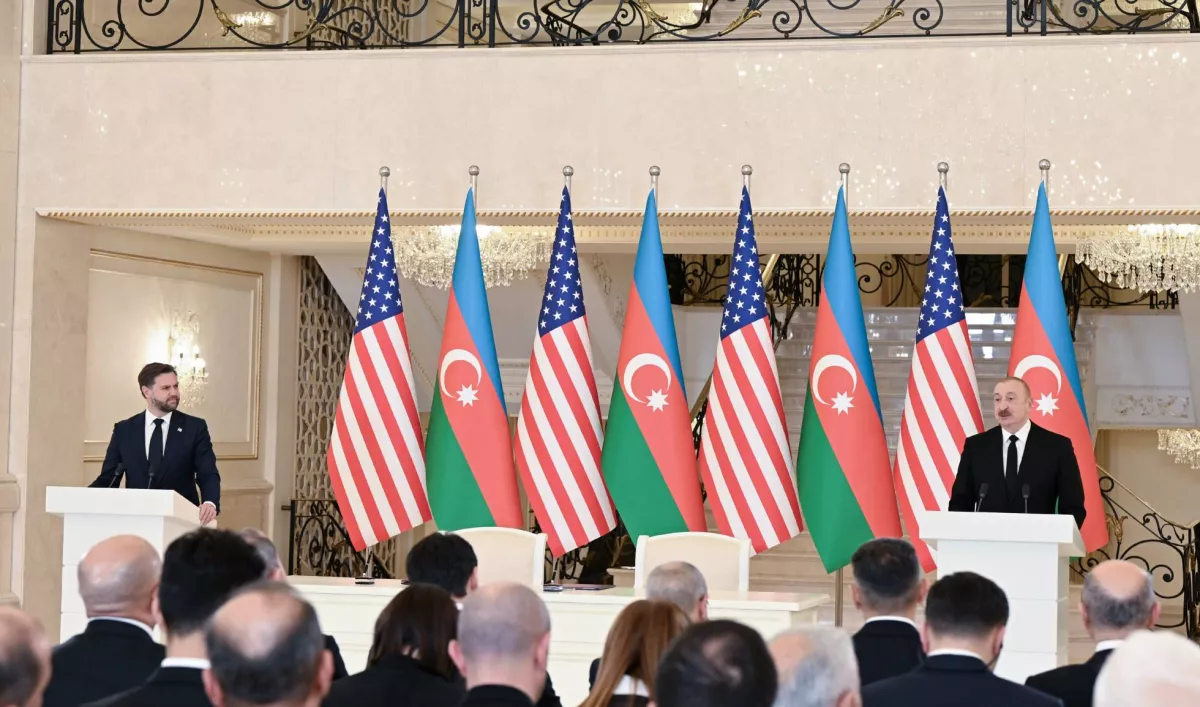
A recurring theme in the discussions was TRIPP, with President Aliyev describing the Zangezur route not only as a unifying link between the two parts of Azerbaijan but also as a secure and reliable transport corridor connecting Asia and Europe through the South Caucasus. In this context, one cannot forget the Azerbaijani leader’s repeated assurances that, despite any insinuations from neighbouring or distant states, this route will inevitably be opened.
Words turned into action. This demonstrated how Azerbaijan’s noble and peace-oriented agenda has manifested in tangible steps in recent developments in the South Caucasus. The peace principles initially articulated by official Baku following the unconditional Victory in the Patriotic War became the foundation of all regional agreements. This is unique: at a time when the world faces widespread bloodshed and the deaths of tens of thousands of civilians across the globe, the Republic of Azerbaijan confidently pursues a peaceful path, both within the South Caucasus and beyond.
The subtlety here is that these steps align perfectly with the foreign policy direction of the U.S. administration. As Vice President Vance noted, instead of wars, it is better to focus on trade and building partnerships. He specifically highlighted that the creation of prosperity in the South Caucasus, a region previously marred by conflict, is a testament to the leadership of Presidents Trump and Aliyev.
Vance also proudly announced that he was one of the first to fly along the TRIPP route, underscoring the high recognition deserved by the President of Azerbaijan for these achievements.
In this context, one cannot fail to note the warmth and respect shown by the American side toward President Aliyev and, more broadly, toward the Azerbaijani people. At the heart of this was Vice President Vance’s open acknowledgment of the long-underappreciated U.S.–Azerbaijan partnership and friendship, which he described as “a very important partnership and friendship for the United States of America.” Baku has provided Washington with significant support in the global war on terrorism, and the Azerbaijani armed forces have “earned a reputation as being some of the toughest and fiercest troops anywhere in the world.” This was a key reason for his visit to Baku: to express gratitude for this friendship and to usher in a new chapter in bilateral relations.
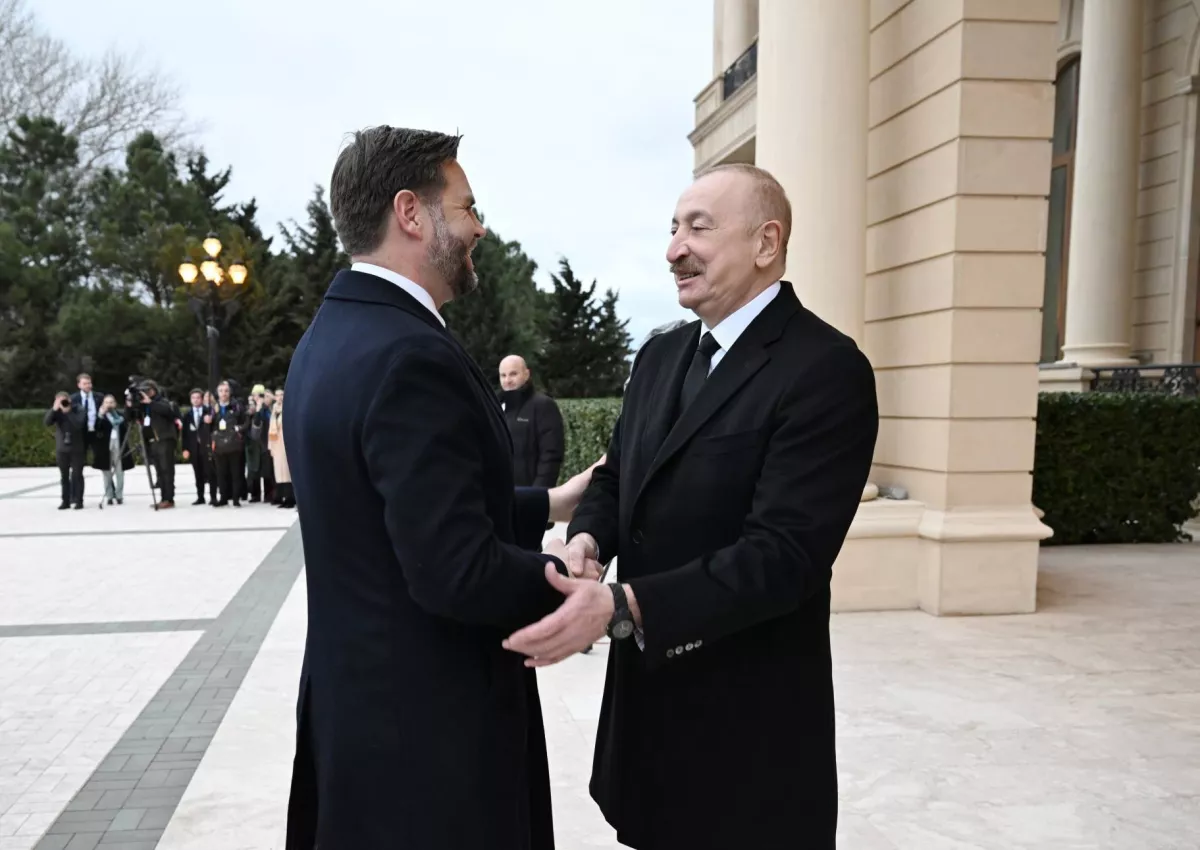
Vance also noted that Azerbaijan is home to people of different religions living together as one family in peace and friendship, going so far as to say that, alongside President Trump, President Aliyev is the only world leader who truly has good relations with both Turks and Israelis.
Vance’s personal admiration for President Aliyev was evident when he described him as a “very charming person.”
Describing his visit to Baku as a “great honour,” JD Vance highlighted the friendship between the two great nations, concluding that both sides look forward to even stronger and closer relations under the leadership of both presidents.
Even the individual nuances of the U.S.–Azerbaijan negotiations presented above are sufficient to appreciate their truly historic nature. These developments hold significance not only for the further bilateral advancement across virtually all sectors but also in terms of their impact on global geopolitics.
In this regard, it is worth noting that this visit, widely covered by media outlets around the world, served as a message to the world: regardless of a country’s geographic location, it is entirely possible to build strategic relations based on mutual interests.
Considering the equal and mutually beneficial relations between Azerbaijan and the most powerful country on the planet—the United States—it can be stated with confidence that, despite various efforts by adversaries of our country, the Republic of Azerbaijan is firmly moving along the path it has chosen once and for all. A path dedicated to defending the nation’s interests, with peaceful diplomacy forming the cornerstone of its foreign policy.







 editor@caliber.az
 +994 55 444-88-98
 Азербайджан, Баку, ул. Низами, 203, Af Business House, 5-й этаж