










A vicious circle How Ukraine is sinking deeper into crisis
The Ukrainian state is sinking deeper and deeper into a whirlpool of problems, each of which could seriously weaken the country. These include relentless Russian missile and drone attacks that are destroying infrastructure and production capacity, as well as corruption scandals that are eroding public trust and undermining confidence among Western partners.
As a result, the country has found itself in a situation where it must simultaneously wage war, rebuild its devastated economy, find funds for social spending, and answer to its allies. This is why the recent developments surrounding the “Forrest Gump” special operation conducted by Ukraine’s National Anti-Corruption Bureau (NABU) and Specialized Anti-Corruption Prosecutor’s Office (SAPO) acquire significance far beyond yet another corruption investigation.
The details disclosed at a hearing of the High Anti-Corruption Court (HACC) sparked a huge public outcry. Quotes from audio recordings read out by an SAPO prosecutor revealed mechanisms for circumventing financial monitoring requirements, as well as direct political pressure on state-owned financial institutions. In particular, the prosecutor quoted former Ukrainian MP Maksym Mykytas, who spoke about calls from a financial-monitoring official and attempts to arrange for a large transaction to be processed through another bank. According to the investigators, the conversations also mention the chairman of the Supervisory Board of Sense Bank.
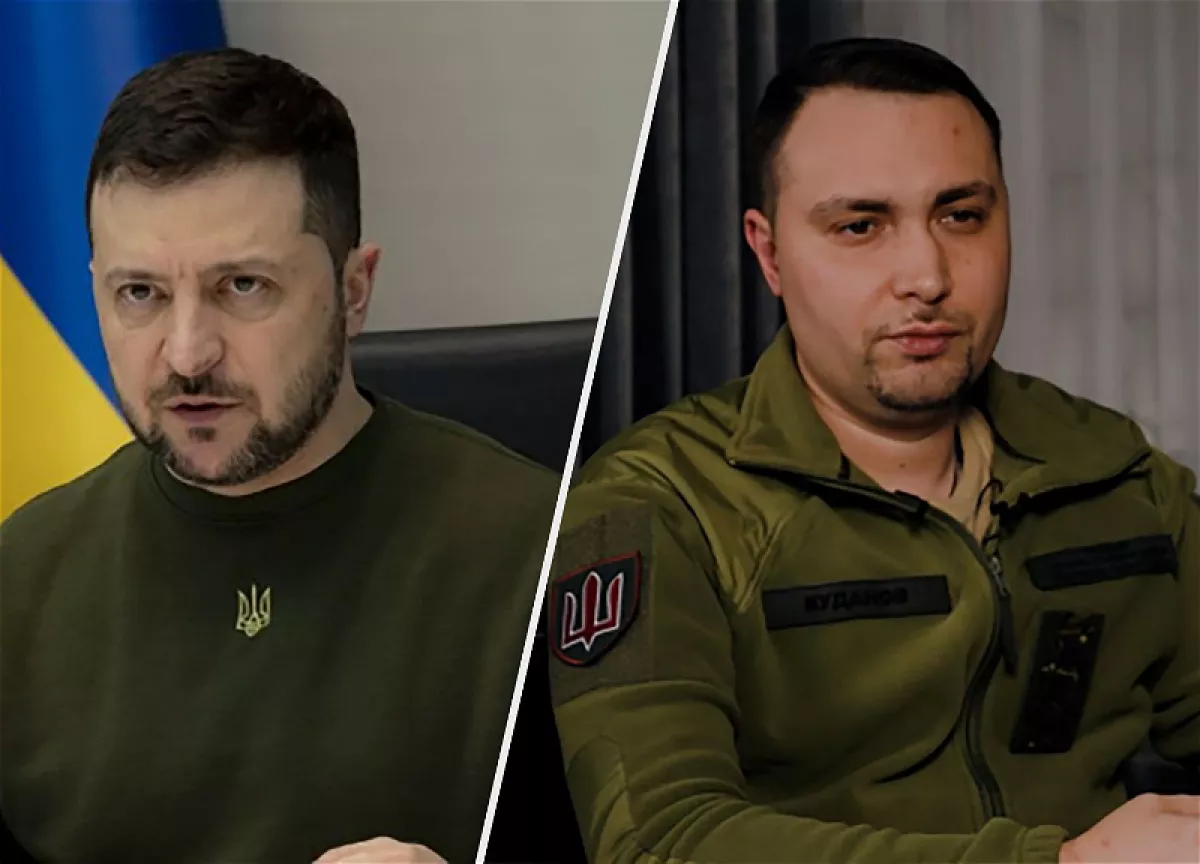
Even more shocking is the claim that a financial-monitoring officer allegedly refused to process the transaction, and that Ukrainian President Volodymyr Zelenskyy demanded her dismissal. If this is confirmed in the course of the court proceedings, the matter would go far beyond a mere corruption scandal and raise extremely serious questions about the functioning of state institutions and the extent of the top political leadership’s influence over the financial system.
At the same time, the case materials reportedly involve senior Ukrainian officials, including Prosecutor General Ruslan Kravchenko, State Bureau of Investigation Director Oleksii Sukachov, and others. Particular attention is drawn to the mention of the incumbent head of the Presidential Office, Kyrylo Budanov, whose state following the release of the recordings was described by Ukrainian media, citing an unnamed source, as follows: “He walks around white-faced after the tapes were released. He does not meet with anyone from outside.”
The claim itself, of course, does not prove Budanov’s involvement in any illegal activity. However, the very appearance of the head of the Presidential Office in the information space surrounding a corruption scandal deals a serious blow to the authorities’ reputation.
And all this is happening against the backdrop of one of the most difficult periods Ukraine has experienced in terms of the destruction of its economic infrastructure. Recently, Russian attacks have increasingly targeted not only energy facilities, but also logistics hubs, warehouses, oil depots, manufacturing plants, and other economic infrastructure. In particular, warehouses belonging to major retail chains have come under attack, with facilities operated by Fora, Yves Rocher Ukraine, VARUS, and EKO Market damaged. A distribution warehouse belonging to Faini Lody was destroyed, while the KLO oil depot in Kyiv region was also severely damaged, forcing it to suspend operations.
Behind each such report are additional costs, disruptions to supply chains, shortages of certain goods, higher transportation costs, and the urgent need to establish alternative routes and backup capacity. In other words, the war is gradually becoming increasingly costly not only for the state but also for every Ukrainian business.
According to estimates cited by Ukrainian economic experts, the cumulative rise in costs could lead to a further acceleration of inflation. In some segments, the prices of goods and services could rise by several percentage points simply as a result of higher logistics costs and the need to restore destroyed infrastructure.
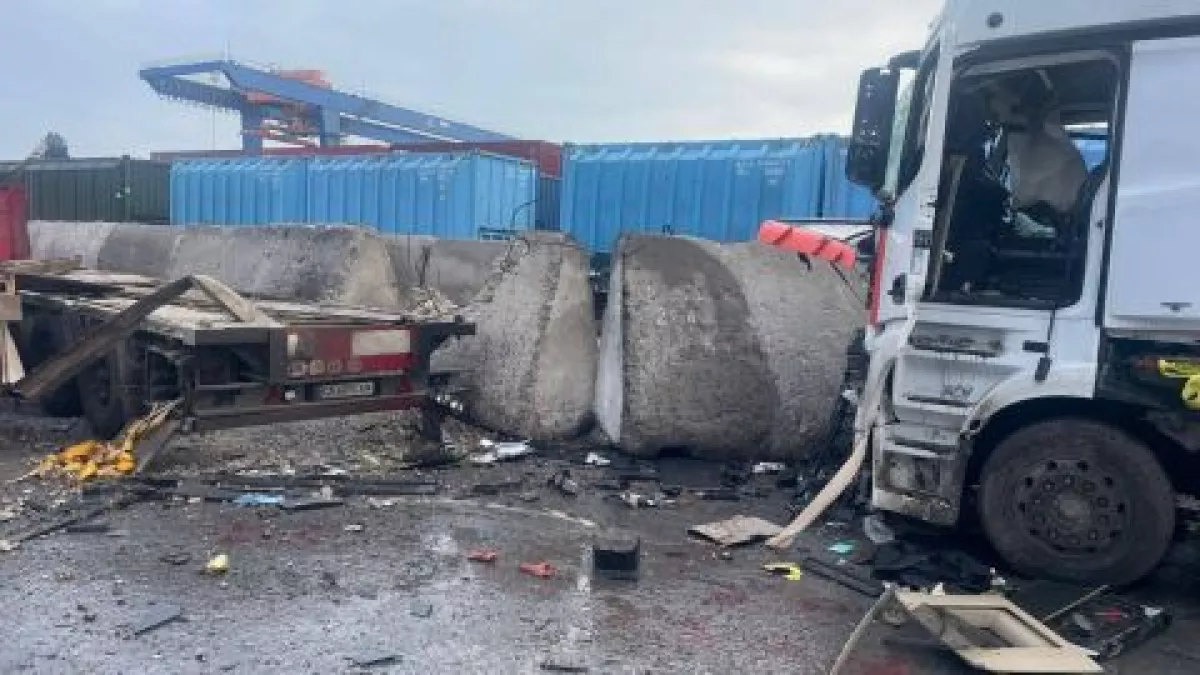
The situation is even more difficult in the industrial sector: attacks on enterprises in the mining and metals sector, problems with maritime logistics, and rising Ukrzaliznytsia (Ukrainian Railways) tariffs have placed the industry in an extremely difficult position. At the same time, the shutdown or reduction of production at major enterprises means not only the loss of jobs and tax revenues, but also a decline in foreign-currency earnings — one of the key pillars of the Ukrainian economy.
In this context, the ports of Odesa region cannot be overlooked. They are being targeted at a critically important time — during the harvest season. Disruptions to port operations automatically affect the entire economy, as Ukraine has traditionally depended on maritime exports of agricultural products, which account for more than half of the country’s export earnings.
Even more alarming is the situation with another vital part of the country’s fuel infrastructure. Hundreds of filling stations have been damaged or destroyed in recent months, with corresponding consequences for transportation, municipal services, businesses, healthcare, and logistics.
As follows from all of the above, Ukraine has effectively found itself caught in a vicious cycle: Russian strikes destroy economic assets and increase business costs — declining business activity reduces tax revenues — rising costs drive up prices — inflation worsens the population’s living conditions — the government increases budget spending on defense and reconstruction — and covering the resulting deficit requires financial assistance from international partners.
Against this backdrop, corruption scandals pose an existential threat, as Western governments and institutions must explain to their taxpayers why billions of euros are being directed to a country where NABU and SAPO are continually uncovering corruption schemes, while individuals from President Zelenskyy’s inner circle are becoming subjects of investigations. Moreover, with every new criminal case, it becomes increasingly difficult for Ukraine’s partners to provide credible explanations for what is happening.







 editor@caliber.az
 +994 55 444-88-98
 Азербайджан, Баку, ул. Низами, 203, Af Business House, 5-й этаж