










AI, chips and humanoids: China’s rise as a technological superpower Analysis by Teymur Atayev
China continues to rapidly strengthen its position in the global economy and technology sector. Moreover, this advance has long gone beyond individual industries: exports are rising, industrial production is expanding, the high-tech sector is growing, and the country is making significant progress in artificial intelligence and the production of humanoid robots. Figures from recent months only underscore the scale of these developments.

In the first half of 2026, China’s GDP grew by 4.7% year on year. Against this backdrop, the country’s total imports and exports of goods increased by 19.2% last month alone. Looking at individual categories, between January and early August, 28.1% more fruit and vegetables were exported through the Khorgos border crossing in the Xinjiang Uyghur Autonomous Region than during the same period a year earlier. July 2026 also made history, notably with China’s electric vehicle export figures: Chinese manufacturers shipped around 540,000 electric vehicles overseas. Nearly 162,000 vehicles were delivered to Russia alone in the first half of the year, a 21% increase compared with the same period a year earlier.
During the same period, the combined profits of China’s major industrial enterprises increased by 17.6% year on year. At the same time, the first half of 2026 saw sustained growth in the number of companies operating in emerging industries and other promising areas of development.
Growth was particularly pronounced in the generative artificial intelligence (AI) segment. In particular, 55,000 new companies linked to the sector were registered, representing a 28% year-on-year increase. In the humanoid robotics sector, the number of such companies reached 116,000.
Beijing continues to lead the world in humanoid robot development. From January to July, China developed more than 400 full-scale humanoid robot models — more than 50% of the global total. At the same time, China is developing the infrastructure needed to train them: 53 such facilities are already operational across the country, while more than 30 others are under construction or in the planning stage.
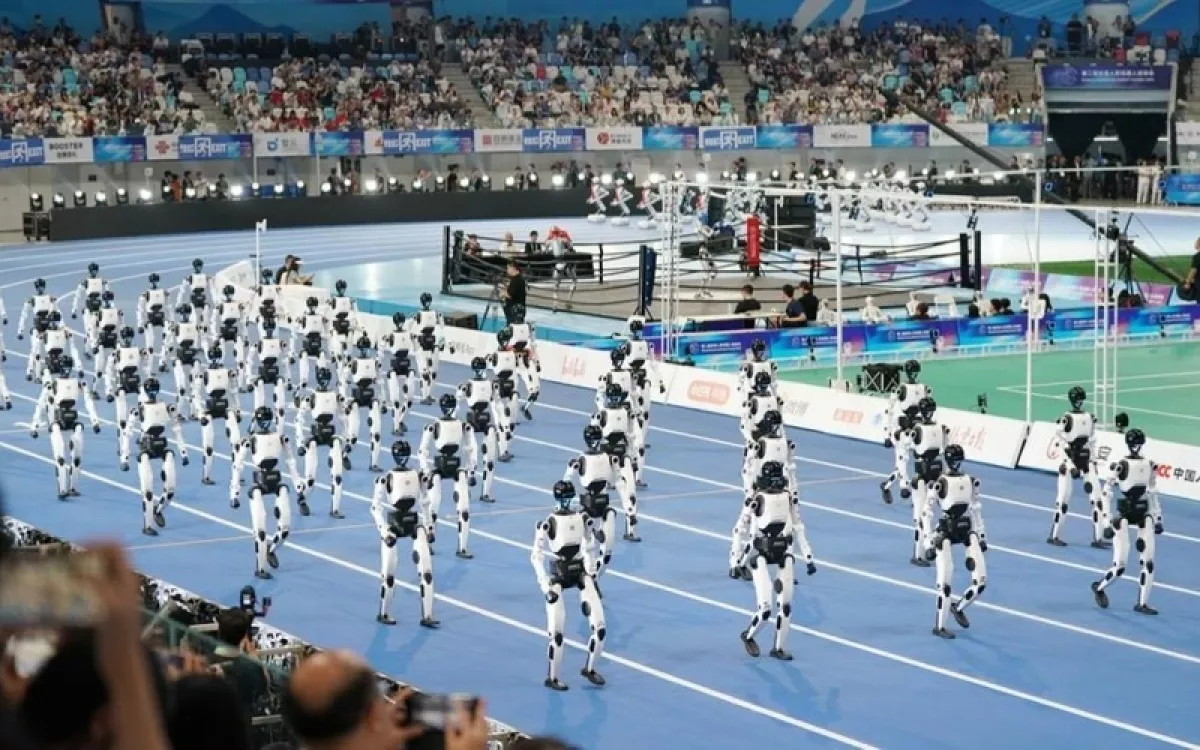
Therefore, it is hardly surprising that China hosted the 2nd World Humanoid Robot Games, which concluded just a few days ago. Incidentally, virtually all media outlets highlighted the fact that the 100-meter race saw the record set by legendary sprinter Usain Bolt broken.
On August 26, it was reported that China had developed around 200 key standards in the field of AI aimed at ensuring the industry’s sustainable and orderly development. It is also emphasised that artificial intelligence is already being actively integrated into every link of China’s production chains — from research and development, design and manufacturing to quality control, operation and maintenance.
China’s leadership in the artificial intelligence technology race is being discussed with increasing frequency around the world. One example was the emergence on the OpenRouter platform on August 20 of an anonymous stealth model called Ox Alpha. The Chinese AI laboratory Z.ai (Zhipu AI) later acknowledged that it was behind the model, confirming that the name had been used to test its new GLM-5.3-Flash model. The model was tested on Chinese AI accelerators, and its weights were subsequently released as open source.
In any case, nothing is surprising about this development. Back in mid-July, Chinese President Xi Jinping, speaking at the opening ceremony of the World Artificial Intelligence Conference (WAIC) in Shanghai, presented Beijing as a proponent of establishing a new global order in the field of artificial intelligence.
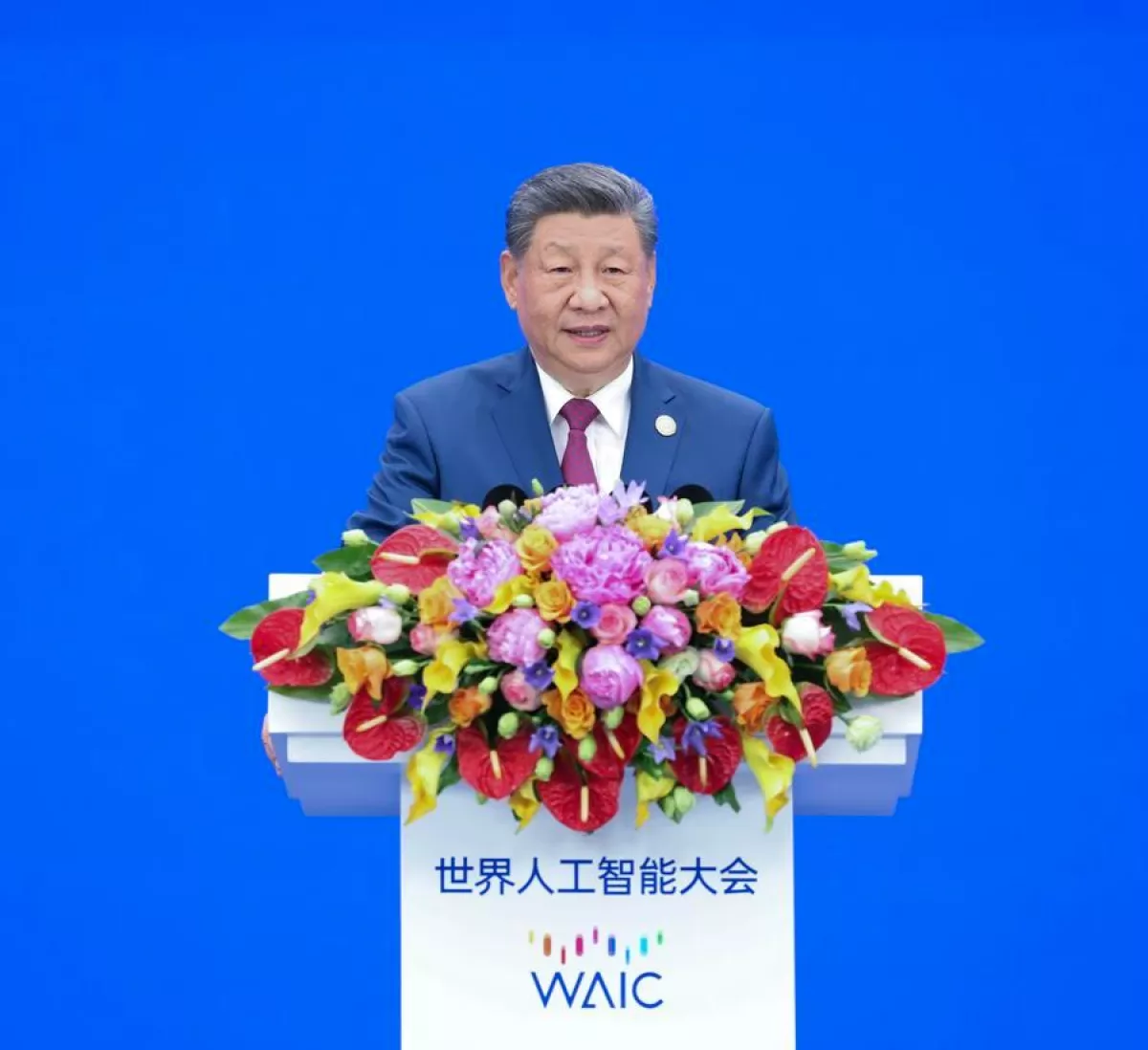
An important aspect of his remarks was the warning that unequal access to AI technologies could lead to “new historical injustices” around the world. At the same time, the Chinese leader pledged to help countries in the Global South build their capacity in artificial intelligence. In this context, experts point to Beijing’s ambition to participate in shaping a global AI governance system, while presenting Chinese open-source models as a “global public good.”
Meanwhile, specialists have drawn attention to a plan unveiled by China’s Central Cyberspace Affairs Commission for the development of the internet sector in 2026–2030. Under the plan, the government intends to increase support for breakthrough technologies — ranging from high-performance chips and foundational software to network communications and cybersecurity.
The authorities plan to allocate additional resources to AI development, including the advancement of large language models and the creation of AI agents capable of independently performing a range of tasks. Particular attention is also being paid to security, notably the strengthening of risk-detection, monitoring and personal data protection systems.
Against this backdrop, it is hardly surprising that profits in China’s integrated circuit and semiconductor industry — including the production of computing and memory chips — increased 18.5-fold in the first seven months of 2026 compared with the same period last year.
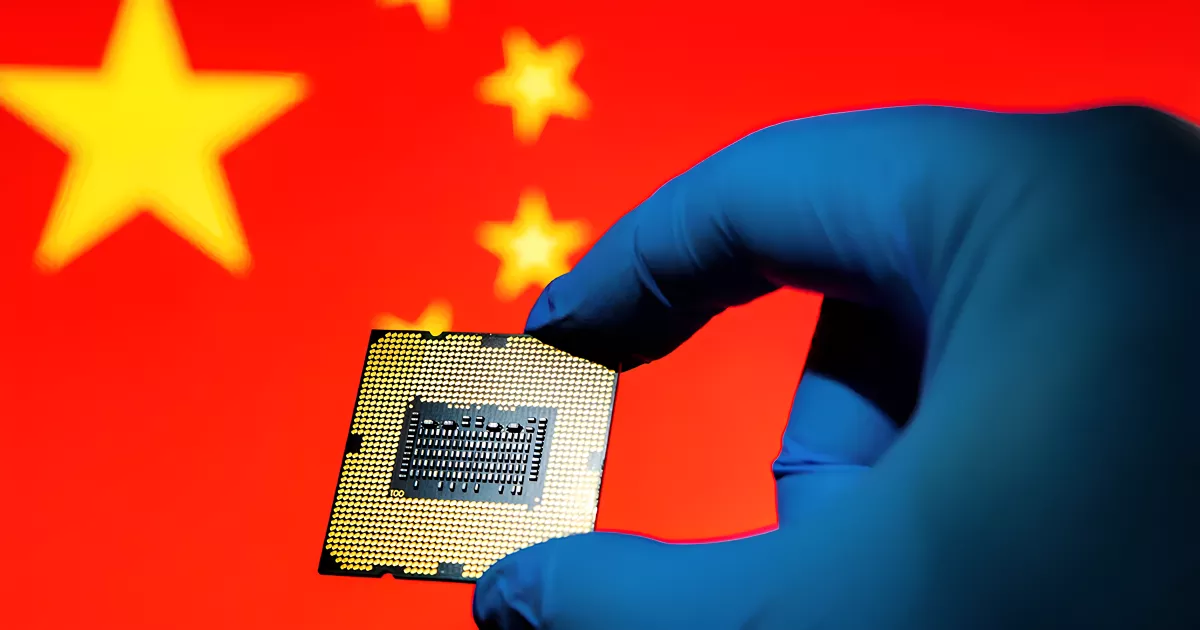
In the first half of the year, profits across the electronics sector increased by 110% compared with 2025. In addition, profits from computer and server manufacturing rose by 330%, while those of industrial control system manufacturers increased by 160% year on year. Overall, China’s high-tech manufacturing sector posted profit growth of more than 50% year on year in the first seven months of 2026.
Against this backdrop, experts are also drawing attention to China’s prospects in the semiconductor industry. While China accounted for 32% of the world’s manufacturing capacity for processing silicon wafers using mature-node technologies in 2025, this share could rise to 42% by 2028. This would enable China to become a major manufacturing hub for a significant share of mature-node semiconductor products.
In the first half of this year alone, China’s exports of automatic data-processing equipment and components increased by more than 41%, reaching nearly $140 billion.
Against this backdrop, Beijing has tightened protections for chip-development technologies and strengthened intellectual property regulations. The new provisions will take effect in October 2026.
All of this points to a sweeping technological advance by China and the inevitable intensification of competition between Beijing and Washington — and not only in the technology sector.







 editor@caliber.az
 +994 55 444-88-98
 Азербайджан, Баку, ул. Низами, 203, Af Business House, 5-й этаж