










Anti-Azerbaijani pattern in Russian rhetoric Propaganda, pressure, and hybrid tactics
Russia is surprising. Although many experts consider its behaviour largely predictable, recent developments reveal a more complex picture. Instead of implementing the measures announced in Dushanbe in autumn 2025—tied to specific conditions outlined by Azerbaijani President Ilham Aliyev and essential for restoring relations with Moscow after the tragic 2024 incident in which an AZAL civilian aircraft was shot down over Grozny, killing 38 people—we are witnessing a series of hybrid anti-Azerbaijani actions by the Russian Federation.
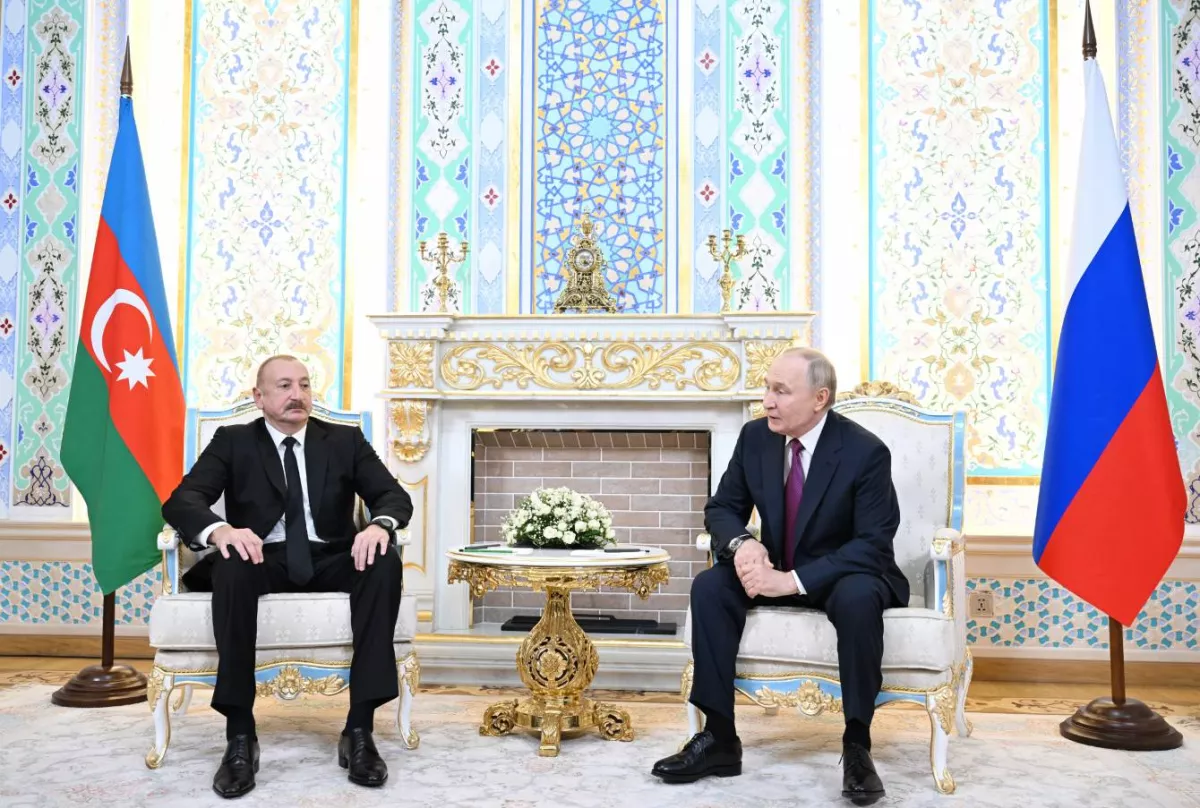
In the Tajik capital, Vladimir Putin addressed “the most sensitive topic—the aviation tragedy” and emphasised that, in his very first phone call with the Azerbaijani president, he “apologized for the fact that the tragedy occurred in Russian skies.” He stressed Russia’s unconditional (!) commitment to carry out all procedures required “in such tragic situations,” particularly regarding the legal assessment of the actions of “all officials” and the payment of compensation.
However, instead of concrete follow-up measures, information soon emerged about a letter sent to Azerbaijan via Russia’s Investigative Committee, headed by Alexander Bastrykin, a close associate of the president. The content of the letter was fundamentally different and directly contradicted Putin’s earlier statements. This, apparently, marked the start of a new wave of anti-Azerbaijani rhetoric and actions, which has effectively been unfolding since January 2026.
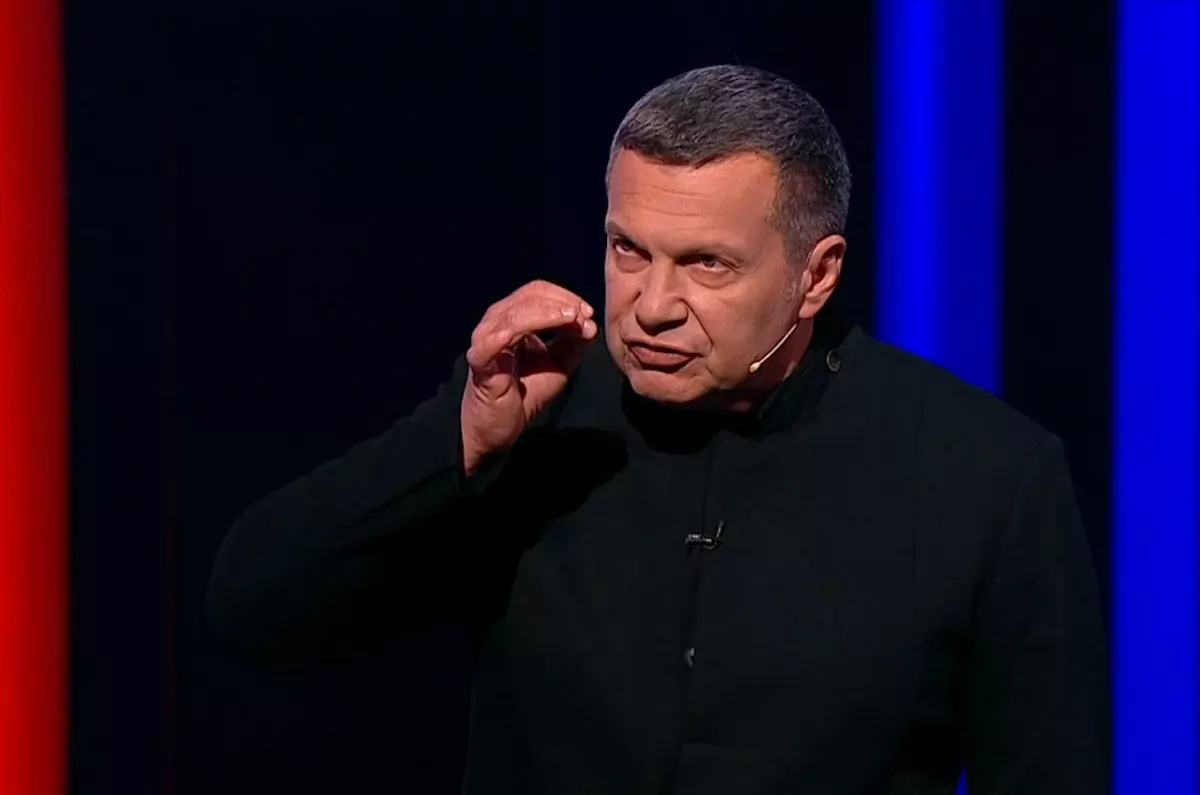
First, television host Vladimir Solovyov publicly raised the possibility of conducting “special military operations” in Central Asia, thereby, in his words, highlighting the need for Moscow to formulate a national doctrine with clearly defined zones of Russian influence. Given that Central Asia is increasingly emerging as a single geographic and geopolitical space (the C6 format), the intention behind such statements is fairly obvious.
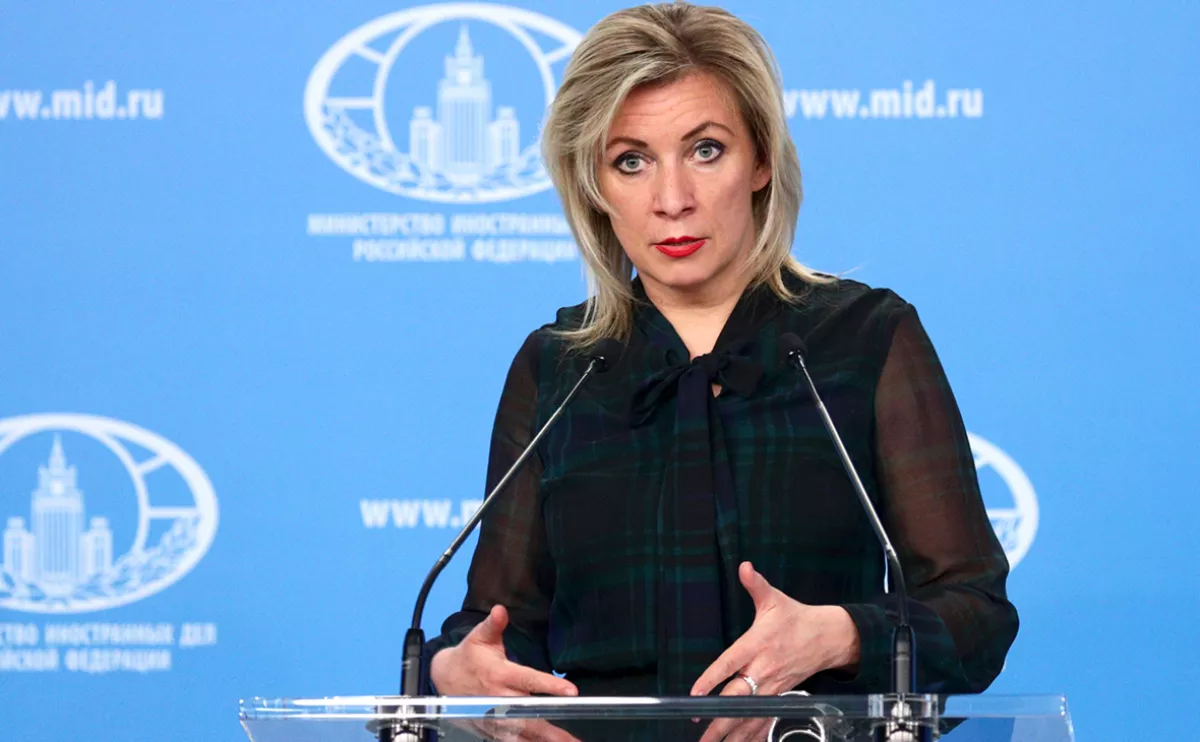
Although Russian Foreign Ministry spokesperson Maria Zakharova characterised Solovyov’s remarks as his personal opinion rather than the official position of the state, her statement was transparently unconvincing—especially since Moscow’s anti-Azerbaijani shift continued to develop shortly afterward.
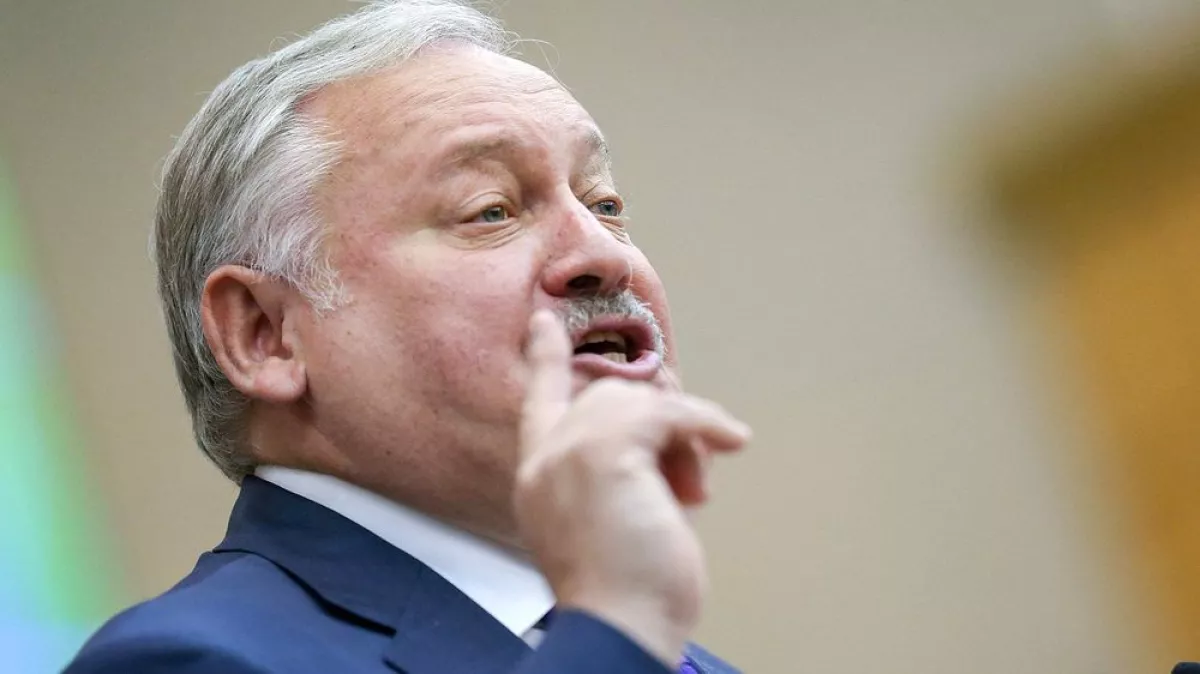
The head of the notorious Russian–Armenian “Lazarev Club,” First Deputy Chairman of the State Duma Committee on CIS Affairs, Eurasian Integration, and Relations with Compatriots, and member of the United Russia party, Konstantin Zatulin, issued a so-called “firm protest” concerning the ongoing “illegal trial in Baku, which the Azerbaijani authorities are conducting in violation of human rights and international legal norms.” This is precisely how this politician described the trial of Armenian citizens who were found guilty and convicted of crimes against peace and humanity, as well as war crimes committed during the neighbouring state's military aggression against Azerbaijan.
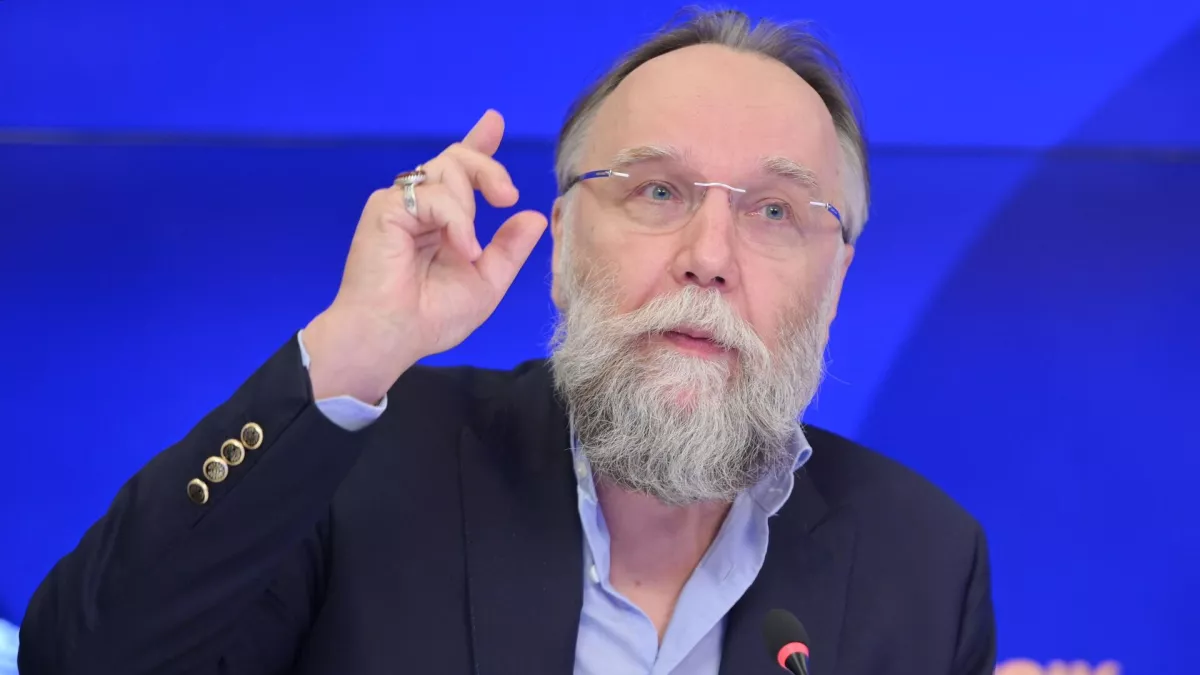
The director of the Higher School of Politics at the Russian State University for the Humanities, Alexander Dugin, also made his position known, openly expressing his disagreement with the very existence of sovereign Armenia, Georgia, Azerbaijan, Kazakhstan, Uzbekistan, Tajikistan, and Kyrgyzstan. According to him, “sovereignty is over, national states belong to the past.”
Following this, once again Konstantin Zatulin—speaking on behalf of the so-called Lazarev Club, which exists only on paper—attempted to distort the outcomes of the modern “Nuremberg trial” in Baku regarding Armenian military criminals. He described the restoration of historical justice as a “reprisal” against “illegally convicted prisoners.”
Our comparison with the 1945–1946 Nuremberg Trials of Nazis, who committed war crimes, conspiracies, and crimes against peace and humanity, is deliberate. At that trial, the chief prosecutor from the USSR, Roman Rudenko, emphasised that the court was judging not only the defendants themselves but also the “criminal institutions and organisations” they had created, as well as the misanthropic “theories” and “ideas” they propagated, which served as instruments for executing premeditated crimes against peace and humanity.
Does Zatulin truly believe that the Baku trial is not a fair court proceeding against criminals who violated not only international law but also fundamental principles of morality and ethics through the genocide of the Azerbaijani people, urbicide, cultural destruction, and ecocide? I believe this figure understands the situation perfectly well. This is about far deeper issues than mere personal sympathies or antipathies.
The statements cited above from other Russian propagandists clearly reveal the imperial backdrop of Russia’s anti-Azerbaijani (and broader) policies. It is no coincidence that we emphasise the hybrid nature of these attacks: the propaganda field employs not only political or economic instruments but also other spheres of public life.
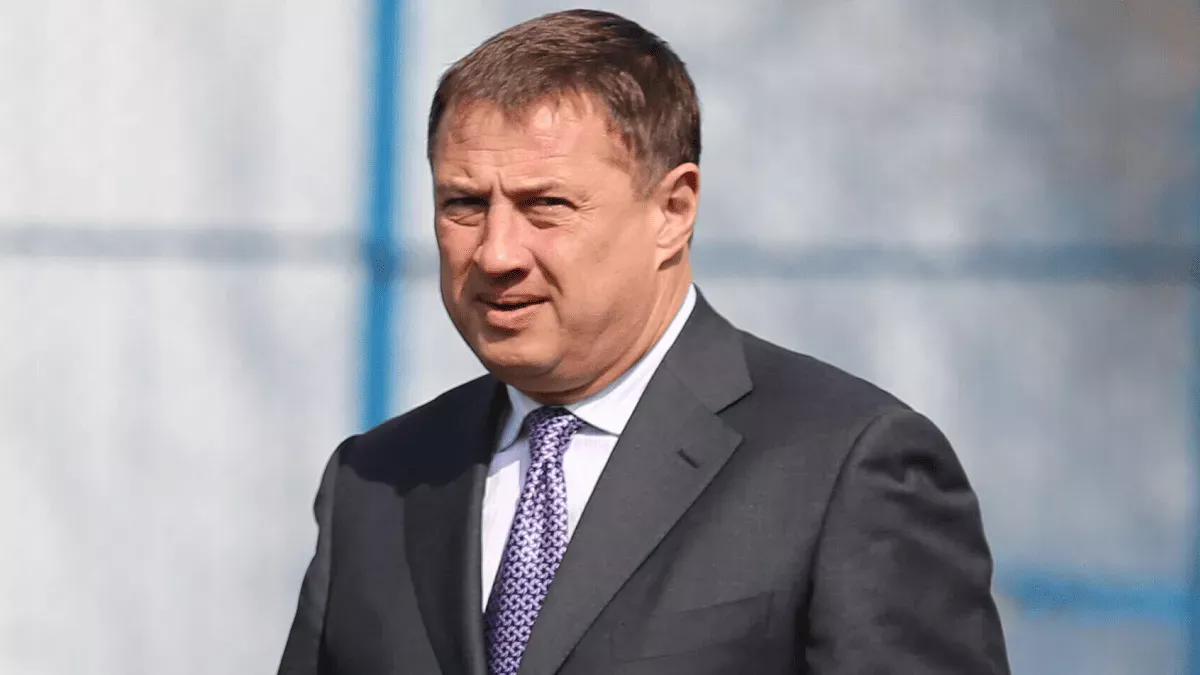
For example, Alexander Shikunov, former sporting director of Moscow’s Spartak, bluntly declared that “all these ‘Qarabağ’ and ‘Bodø/Glimt’ teams made it to the playoffs because our teams weren’t there. These are all our places. We understand the level of Kairat, Qarabağ. Our players, who have already played in the Russian Premier League, are now playing there—for Kairat. Here they didn’t fit in, but there they play and reach the Champions League playoffs.”
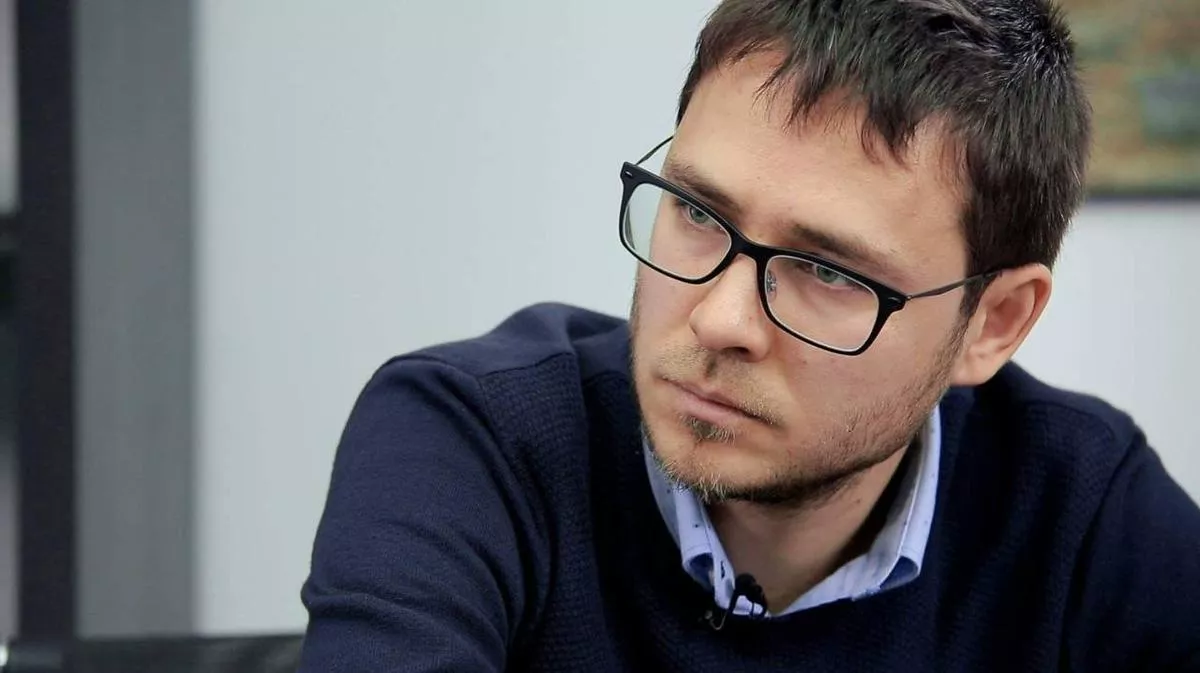
Certain Russian figures are clearly unsettled by the success of Karabakh from Aghdam. But let them be envious. The issue at hand is something else. As Rinat Mukhametov, author of the Telegram channel “NERUSSKIY" and once instrumental in boosting the popularity of the portal Islam.ru, notes, such rhetoric is not a new phenomenon and has resurfaced in waves over decades—including during the Yeltsin era. In this context, “the current wave of aggressive statements is not an exception but yet another repetition of a familiar scenario.” According to him, this rhetoric “does not directly define foreign policy but serves a supporting function: sometimes as PR accompaniment, sometimes as a form of pressure or signalling to certain elites in the countries concerned. In some cases, it reflects internal processes within the political class itself.”
In any case, today we are once again witnessing another round of anti-Azerbaijani rhetoric in Russia. At the same time, there is no visible effort by official Russian structures to repudiate such statements. Yet the initiators of these insinuations against Azerbaijan—as well as against the Central Asian countries—persistently refuse to acknowledge the obvious: Azerbaijan will continue to consistently defend its national interests. Moreover, as the undisputed leader of the region, the country confidently conveys a peaceful agenda to the world—and that is precisely the source of its strength.
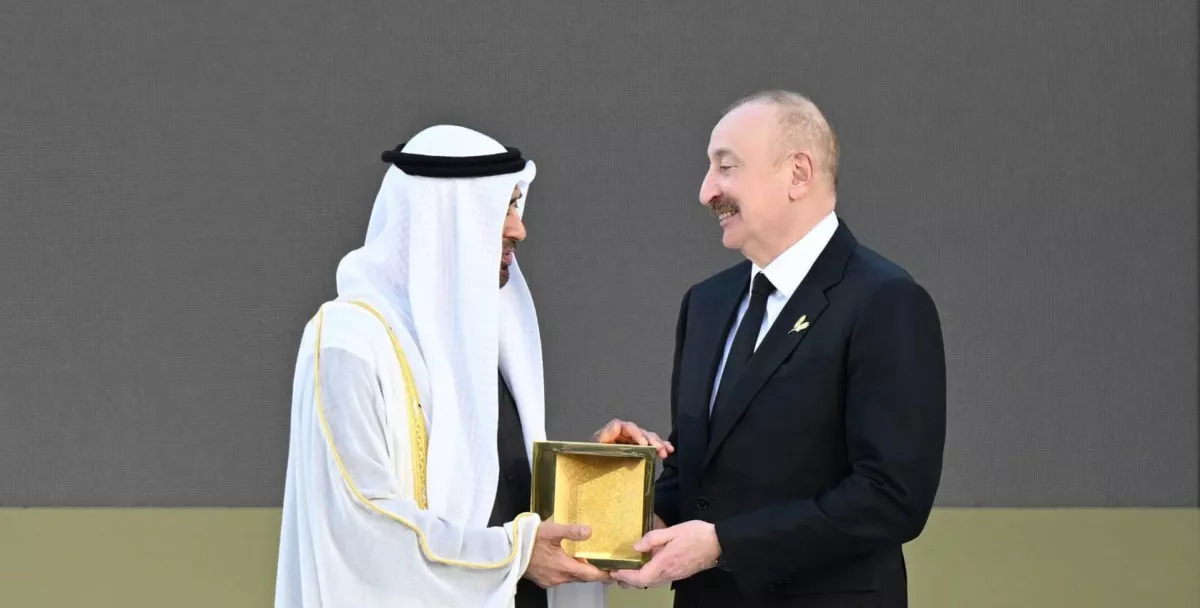
Unlike the aggressive actions from one side or another, as President Ilham Aliyev noted during the ceremony for the Zayed Award for Human Fraternity in Abu Dhabi, “the appreciation of our efforts by this distinguished judging committee and all our friends is very encouraging.” In this context, the example set by official Baku “should be learned and taken as a roadmap for those who are still at war.”
It is telling that, during the same period and parallel to Russia’s ideological and propaganda push against Azerbaijan, the Parliamentary Assembly of the Council of Europe (PACE) also acted from a similar standpoint. Is this merely a coincidence?







 editor@caliber.az
 +994 55 444-88-98
 Азербайджан, Баку, ул. Низами, 203, Af Business House, 5-й этаж