










Armenia walks tightrope between EU and Russia A balance on the edge
Amid a complicated domestic political situation in Armenia, linked to the upcoming parliamentary elections, the country's leadership is trying to maintain a balance between Russia and Europe despite existing contradictions. On one hand, Prime Minister Nikol Pashinyan seeks to reduce dependence on Moscow without completely severing ties; on the other hand, he is strengthening relations with the EU. This approach is presented as a “multi-vector policy” based on Armenia’s national interests.
In both cases, Armenia is reaping substantial economic benefits. A recent example underscores this trend.
Recently, the Armenian foreign minister announced at a Foreign Affairs Committee meeting that the country has requested a third tranche of aid from the EU through the European Peace Facility.
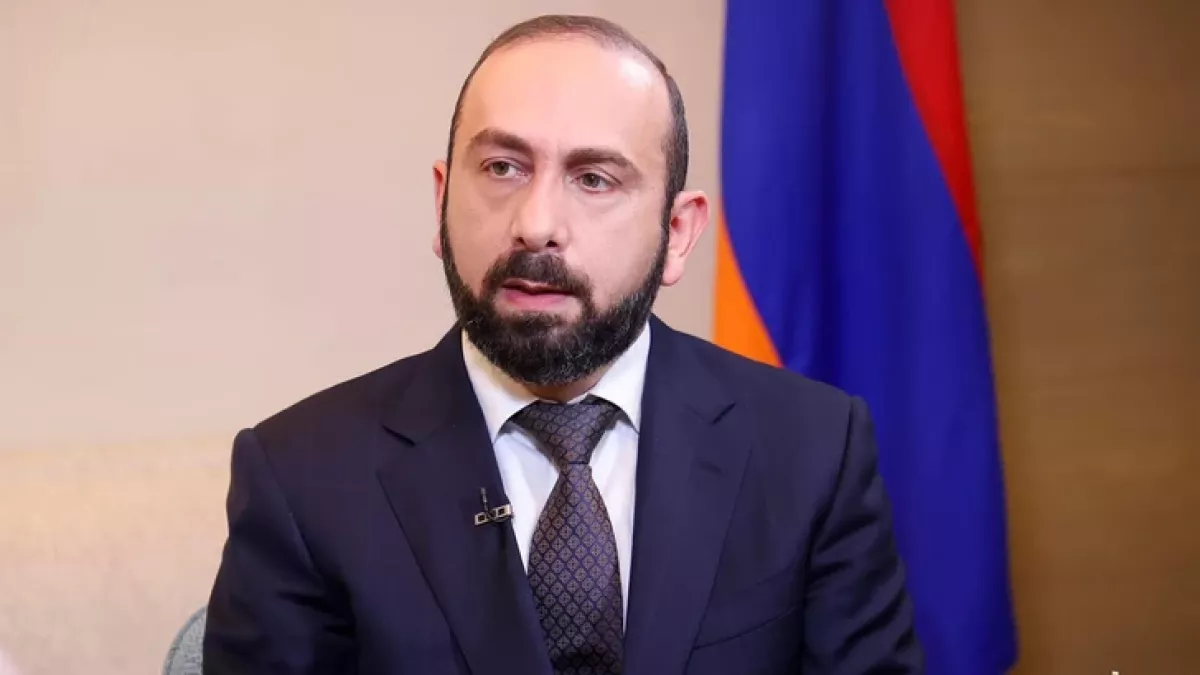
“Armenia has received the second tranche of €20 million from the EU through the European Peace Facility and has already applied for a third tranche,” Mirzoyan said, noting positive developments in the dialogue on visa liberalisation between Armenia and the EU.
Notably, on July 22, 2024, the EU Council approved the first aid measure to support the Armenian Armed Forces in the amount of €10 million through the European Peace Facility (EPF). The second tranche of €20 million was approved at the end of 2025. In the same year, the EU Council also “gave the green light” to start a dialogue on visa liberalisation with Armenia. Thus, by early 2026, the total approved assistance through the EPF had reached €30 million. The Armenian side now expects the third tranche, which is likely to be discussed at the upcoming European Political Community Summit in Yerevan, scheduled for May 2026. This rapprochement therefore carries not only economic but also military-political significance.
This context is further reinforced by the presence of the European Union Monitoring Mission to Armenia (EUMA), whose mandate has once again been extended until 2027. The mission’s activities have caused significant discontent among regional countries, as they are rightly perceived as part of Brussels’ intelligence infrastructure.
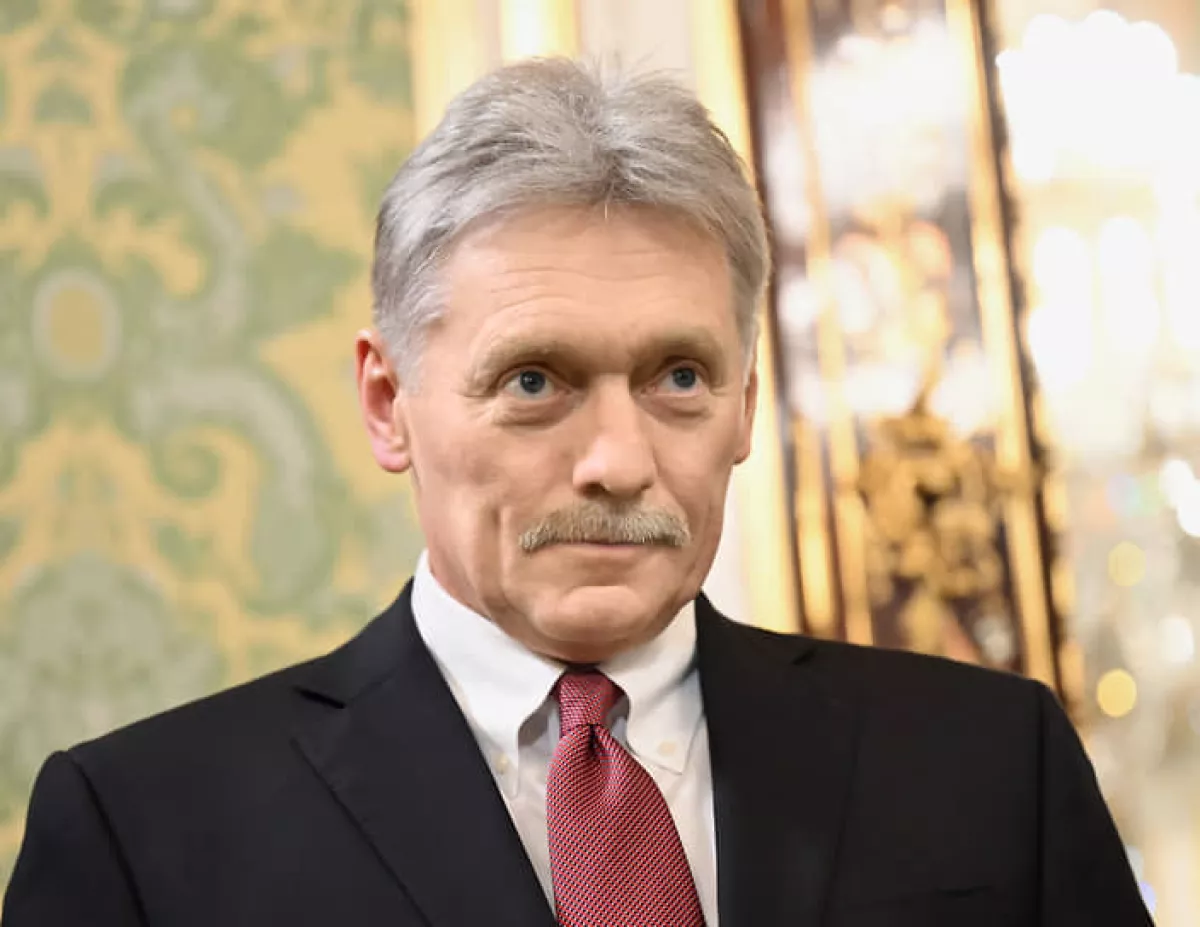
The press secretary of the Russian president, Dmitry Peskov, has expressed scepticism about the EU mission in Armenia, calling it a one-sided move by Yerevan that does not contribute to stability. The Kremlin believes that EU observers are seeking geopolitical influence, while the mission’s effectiveness is questioned due to a lack of coordination with Azerbaijan.
This is just one example highlighting the contradictions in Russia-Armenia relations against the backdrop of Yerevan’s rapprochement with Brussels. At the same time, an important nuance should be noted: despite its gradual alignment with the EU, Armenia has not officially applied for EU membership. However, as early as March 2025, the Armenian parliament approved a law outlining the country’s path toward the European Union, formally setting a political course for European integration. Prime Minister Nikol Pashinyan has also expressed Armenia’s aspiration to become an EU member.
Moscow, for its part, has repeatedly pointed out that EU membership is incompatible with participation in the Eurasian Economic Union (EAEU), of which Armenia is a member. According to Moscow, deepening ties with the EU could negatively affect Yerevan’s obligations within the EAEU framework.
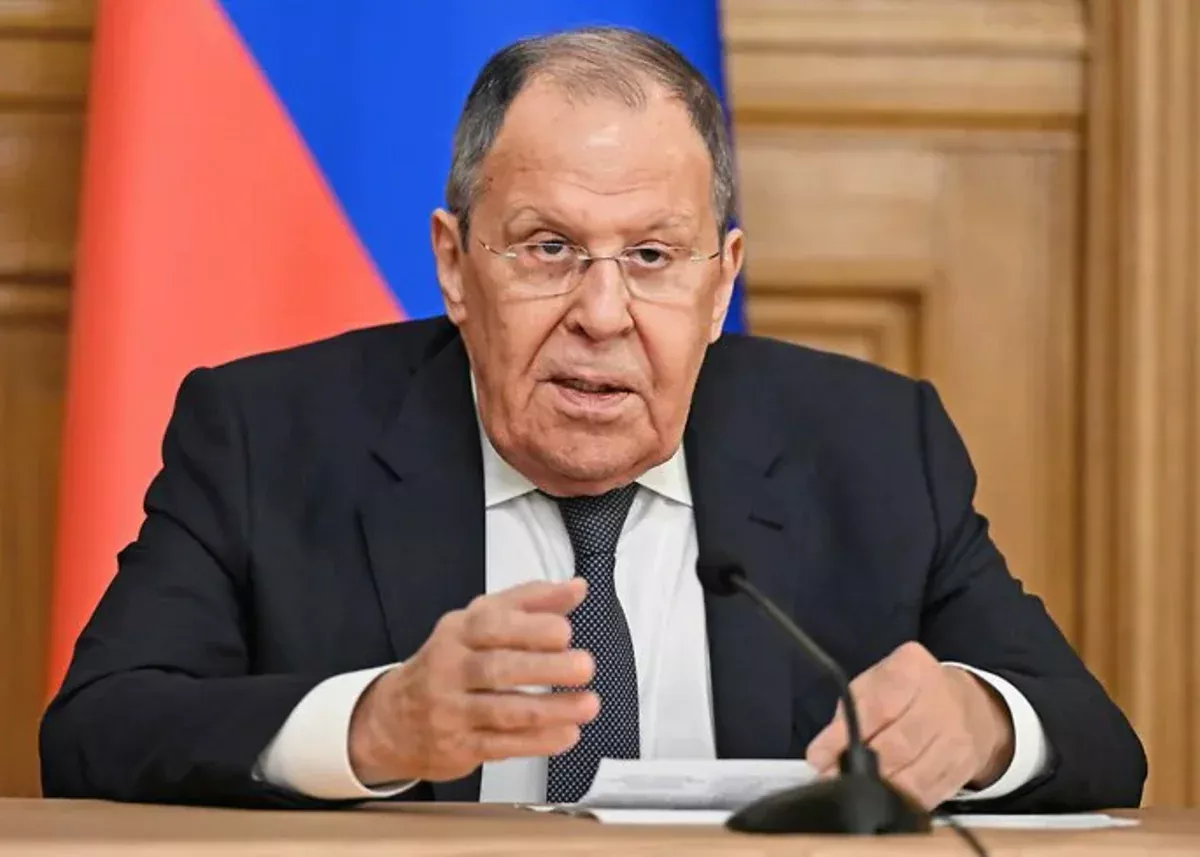
Russian Foreign Minister Sergey Lavrov has repeatedly stated that Armenia’s transition to EU standards while maintaining membership in the EAEU is technically impossible.
So, what do we observe at this stage? Despite deepening ties with the West, Armenia is in no hurry to leave the EAEU. Russia remains its key economic partner, and Russian military bases in the country are still operational. This occurs against the backdrop of Armenia’s frozen participation in the Collective Security Treaty Organisation (CSTO) and its search for alternative security options—particularly through cooperation with the United States and France.
The Armenian leadership is seeking to reduce dependence on Russia, but it stops short of a full rupture—and there are reasons for this.
First, a sharp pivot away from Russia would inevitably hit Armenia’s domestic economic stability, affecting businesses, markets, and remittances. As a result, Pashinyan is effectively following a “don’t burn bridges” approach, gradually reducing dependence while relying on the EU and other Western partners.
Second, the question remains how long Yerevan can continue to manoeuvre between the EU and Russia. Sooner or later, it will have to make a strategic choice.
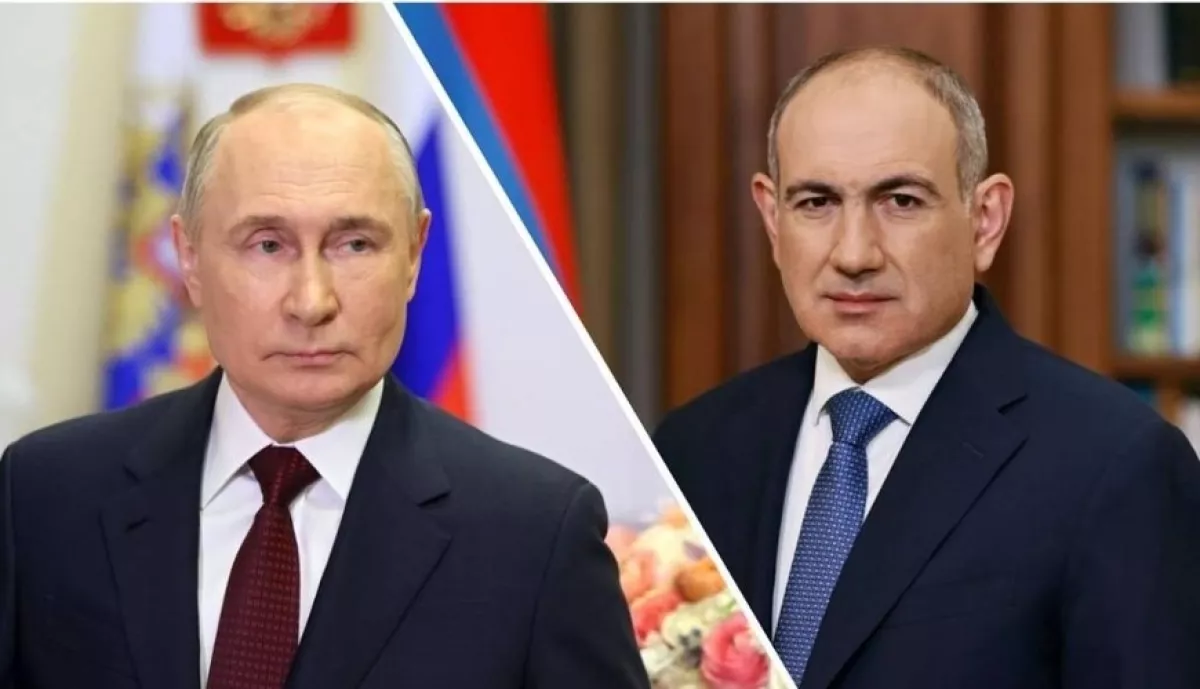
Recently, a phone conversation took place between the leaders of Russia and Armenia at the initiative of Nikol Pashinyan. According to official reports, the parties discussed the development of bilateral relations, including cooperation in trade, economic, energy, and transport sectors. However, given the agreement to continue the dialogue in the format of an in-person meeting, it can be assumed that the real agenda will be significantly broader and tougher than the formal statements suggest.
A key topic will likely be Yerevan’s participation in the CSTO. Moscow appears poised to make another attempt to keep Armenia within its sphere of influence using economic and political tools, while Pashinyan will aim to secure more favourable terms of engagement. It is also possible that Armenia’s integration with the EU will emerge as a central issue during the upcoming Putin–Pashinyan meeting, particularly in the context of Moscow’s “red lines.”
The forthcoming meeting could, to some extent, clarify critical questions: where the new boundaries of Russian influence in Armenia lie, and whether Pashinyan will be able to convince the Russian leadership of the viability of Yerevan’s “multi-vector policy.”







 editor@caliber.az
 +994 55 444-88-98
 Азербайджан, Баку, ул. Низами, 203, Af Business House, 5-й этаж