










Azerbaijan and rise of self-reliant Eurasian security architecture TEYMUR ATAYEV PONDERS NEW REGIONAL POWER EQUATION
We are undeniably living in a unique era — a time dominated by paradox and unpredictability, where established written and unwritten international norms and rules are rapidly eroding while new ones have yet to take definitive shape. A stark confirmation of this shift came in widely circulated reports revealing that defence departments in South Korea and the United States have agreed to truncate the duration of their joint military exercises by six full days.
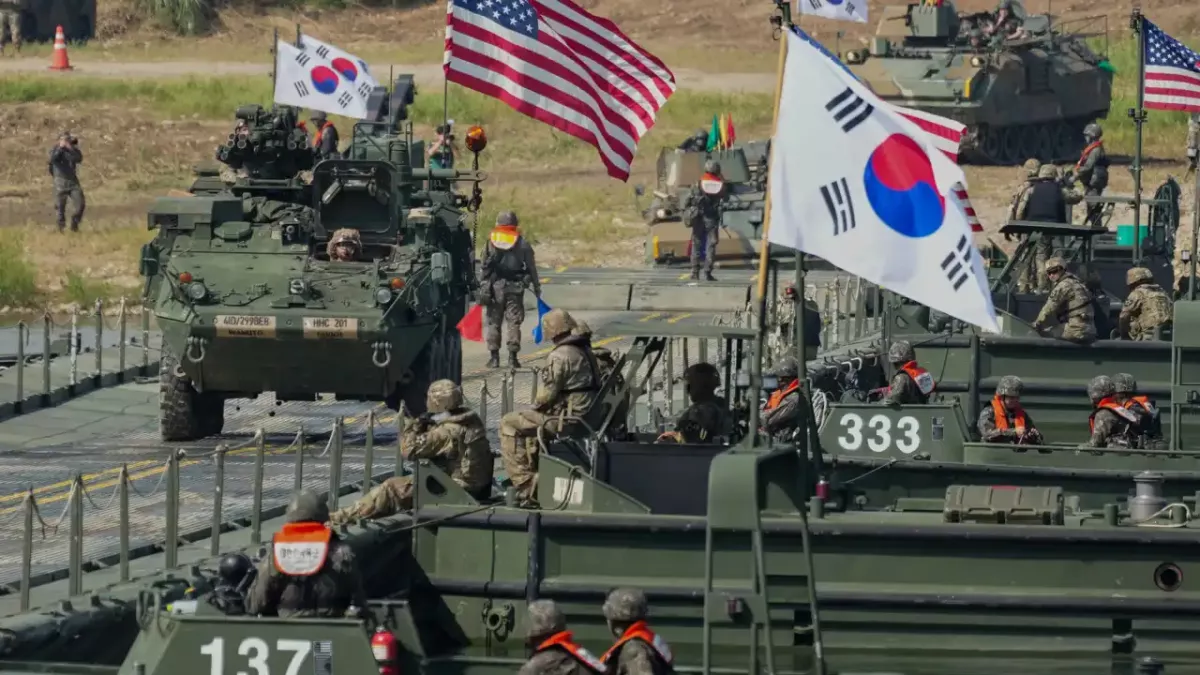
At the core of this military adjustment may lie President Donald Trump’s intent to resume diplomatic engagement with North Korean leader Kim Jong Un. Concurrently, reports highlight the White House chief's discontent with Seoul following its refusal to align with Washington’s measures against Iran. Regardless of the underlying drivers, the reduction in joint U.S.–South Korean military manoeuvres coincides with parallel bilateral agreements to scale down a series of combined field exercises.
Could anyone have anticipated such a trajectory of events just two or three years ago? Similarly, who could have foreseen the profound rift currently fracturing NATO? While Trump had previously predicted a degree of ideological friction within the alliance, it was hardly envisioned in its present format. Consequently, a growing number of analysts are now evaluating the long-term prospects of joint military exercises — and, to a broader extent, the overall strategic efficacy of the North Atlantic Treaty Organisation — from an entirely different vantage point.
In substantiating this analytical shift, military experts point out that technologies such as unmanned aerial vehicles (drones) have fundamentally transformed conventional doctrines of warfare and military power. Multi-billion-dollar investments in costly traditional weaponry no longer reliably yield proportional defence returns. Meanwhile, traditional "security umbrellas" — promoted for decades as foolproof shields against external threats — are demonstrating severe operational limitations.
Overall, recent years have introduced sweeping adjustments to both the efficacy of these protective umbrellas and the long-held assumption of an unbreakable transatlantic cohesion. Fundamental new dynamics have surfaced, shifting how individual states and broader regions must approach and guarantee their long-term stability and security.
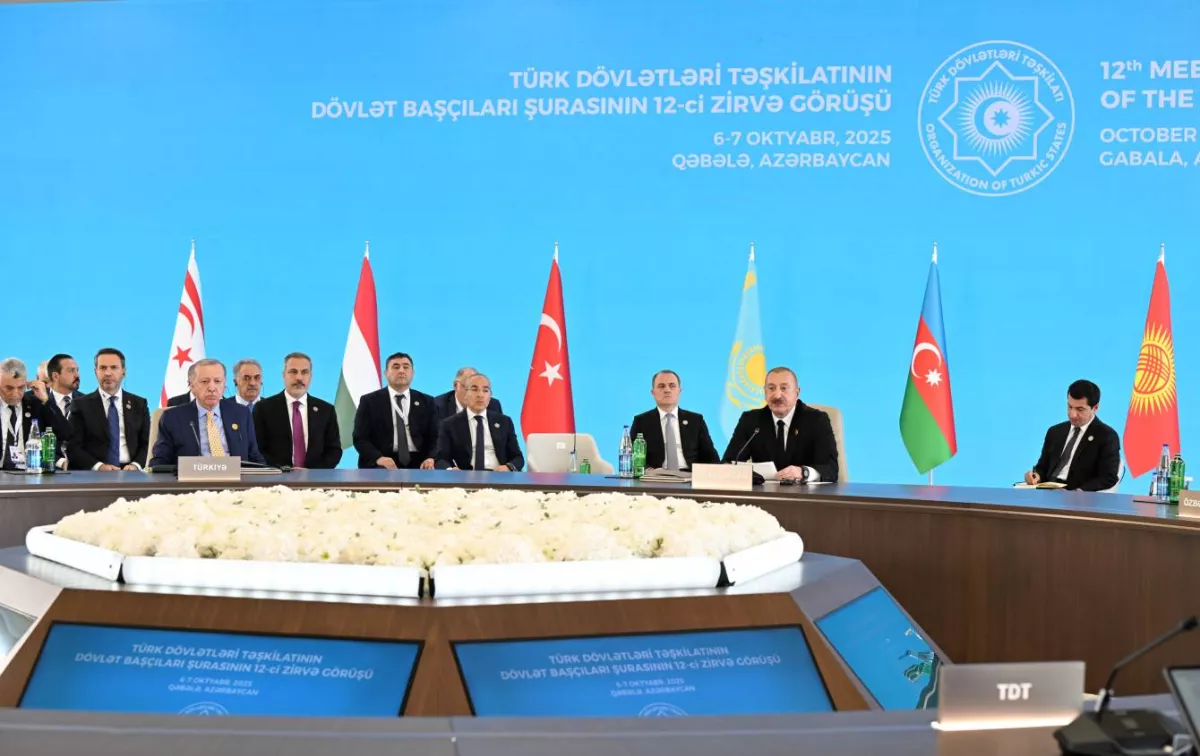
The successful operation of the Organisation of Turkic States provides a key example of this shifting global dynamic. At its 12th summit, held under the motto "Regional Peace and Security," member states decided to expand cooperation with third-party nations using an "OTS Plus" format. During this forum, President of Azerbaijan Ilham Aliyev emphasised that "shared historical and ethnic roots, along with common national and spiritual values, bring OTS states together as a family."
In light of these dynamics, the Azerbaijani leader characterised the OTS not merely as a platform for cooperation, but as a major emerging geopolitical power centre. He grounded the organisation's rise as a pivotal global actor in its internal political and economic stability, key geostrategic position, favourable demographics, and young population. These factors are further augmented by the group's substantial transport and logistics capabilities, vast natural resources, and growing military and defence-technical potential.
Acknowledging the complex challenges posing serious threats to global and regional security, President Aliyev highlighted the necessity for all OTS member states to collectively defend the "vast transport network connecting Europe and Asia" passing through their territories. At this current historical stage, "our countries play a leading role in the development of the East–West and North–South corridors". Ultimately, the "security umbrella" of the OTS remains in the hands of its direct member states rather than relying on external global powers.
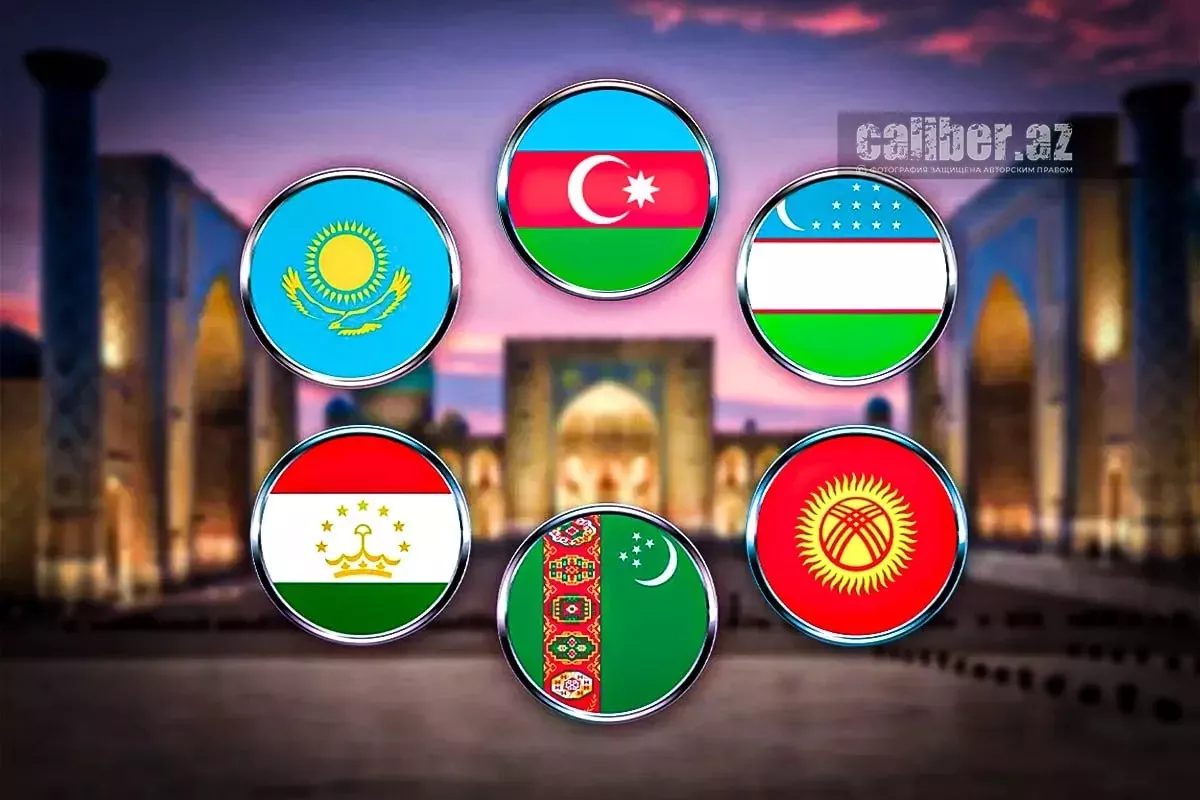
This same core dynamic defines the operation of the "C6" — the analytical term used to describe the unified region of Central Asia and Azerbaijan following Baku’s inclusion as a full participant in the Consultative Meetings of the Heads of State of Central Asia. As President Ilham Aliyev noted, "With the growing economy, demographics and geopolitical potential, Central Asia and Azerbaijan are a single historical and cultural geographic region of strategic significance in world politics."
Reflecting on this momentum, Uzbek President Shavkat Mirziyoyev emphasised that amidst the growing complexity and unpredictability of current international relations, Azerbaijan’s entry into the Consultative Meetings framework elevates regional cooperation to a qualitatively new macro-regional level. From this angle, a historical opportunity opens for this geopolitical expanse to construct a unified space for development. Through these collective efforts, member nations are establishing a durable foundation for sustainable growth, interconnectedness, and good-neighbourly relations at the heart of Eurasia.
Consequently, this emerging geopolitical format underscores a major trend in contemporary global affairs: guaranteeing peace, stability, and security across the shared regional landscape through native, collective effort, entirely free from reliance on external powers.
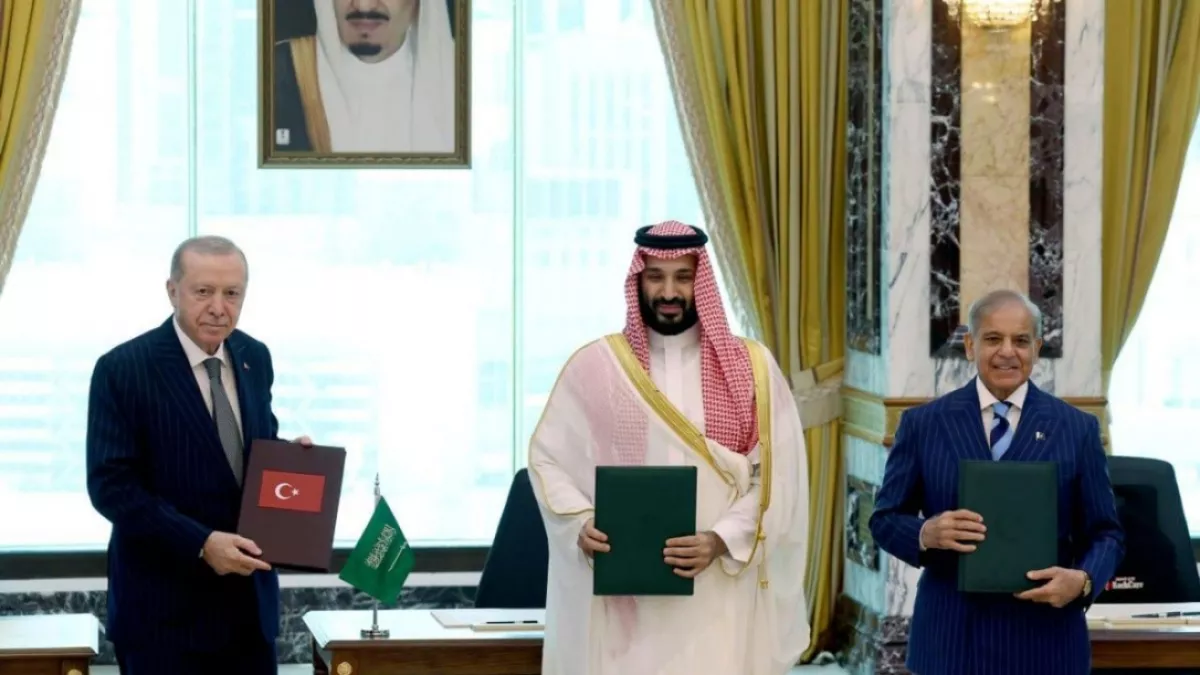
A parallel dynamic is evident in the implementation of the "Mecca Agreement on Mutual Defence," which embodies, in the words of Pakistan's Deputy Prime Minister and Minister of Foreign Affairs Muhammad Ishaq Dar, "our shared resolve to strengthen cooperation in addressing the evolving peace and security challenges facing our region." The stated objective of this pact is to reinforce collective deterrence against external aggression while enhancing the signatory nations' capacity to safeguard their sovereignty, territorial integrity, and populations.
Under this framework, nuclear-armed Islamabad, Ankara — which commands the second-largest army in NATO alongside a formidable defence industry — and Riyadh, possessing vast financial and economic resources, have pooled their capabilities to jointly navigate persistent geopolitical turbulence without relying on external oversight.
Consequently, this pivotal historical stage is not merely producing new international trends, but is actively shaping a foundational piece of the emerging global order through the rise of influential power centres led by Azerbaijan and its key partners. In the words of President Ilham Aliyev, these powers — through their participation in major alliances — are progressively exerting influence on events beyond their borders while maintaining responsibility for stability within their own territories and, to a significant extent, across the broader region.







 editor@caliber.az
 +994 55 444-88-98
 Азербайджан, Баку, ул. Низами, 203, Af Business House, 5-й этаж