










Beijing breeze over the two Koreas Wang Yi tests Seoul’s strategic balance
Chinese Foreign Minister Wang Yi made his first official visit to Seoul in five years on August 19–20, during which he held talks with his South Korean counterpart, Cho Hyun, National Security Adviser Wi Sung-lac, and President Lee Jae-myung. The trip confirmed Beijing and Seoul’s desire to restore bilateral ties while also bringing the two countries’ positions on regional security issues closer together as much as possible.
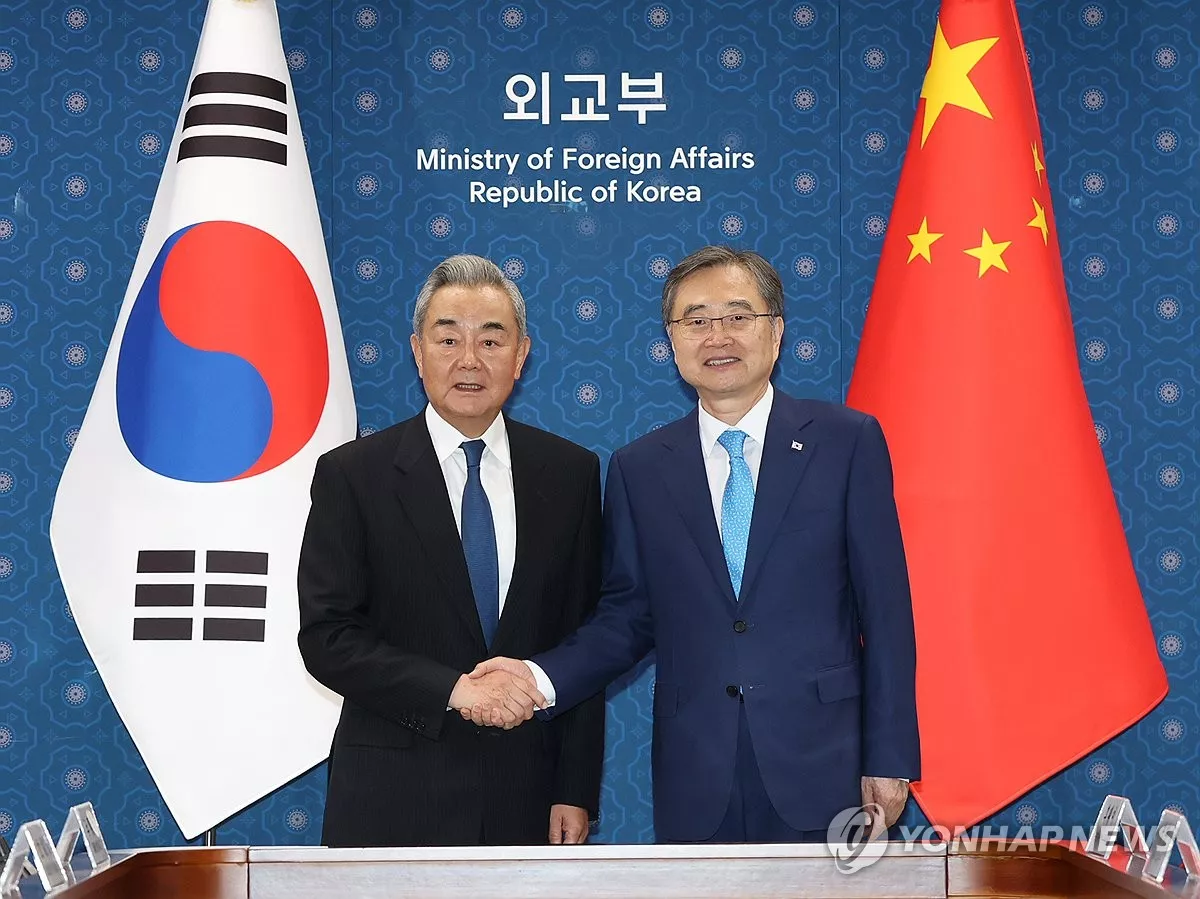
The situation on the Korean Peninsula was the main topic of discussion. Seoul called on Beijing to play a constructive role in bringing Pyongyang back to dialogue. Wang Yi responded that the main way to reduce tensions is to eliminate their underlying causes, and that the United States should abandon its “hostile policy” toward North Korea. At the same time, the Chinese foreign minister stressed that Washington and Pyongyang should make their own decision on whether to resume contacts, and once again advocated peaceful coexistence between the two Koreas.
These statements came amid an attempt by the Trump administration to create conditions for a new engagement with Kim Jong Un. In particular, the United States has scaled back the annual joint Ulchi Freedom Shield exercises with South Korea. In Seoul, this was seen as an additional signal that the resumption of negotiations between the United States and North Korea may be approaching.
A representative of South Korea’s Ministry of Unification said directly: “The U.S. president’s decision to scale back the joint South Korean-U.S. military exercises is a decision to begin dialogue aimed at establishing a peace regime on the Korean Peninsula.”
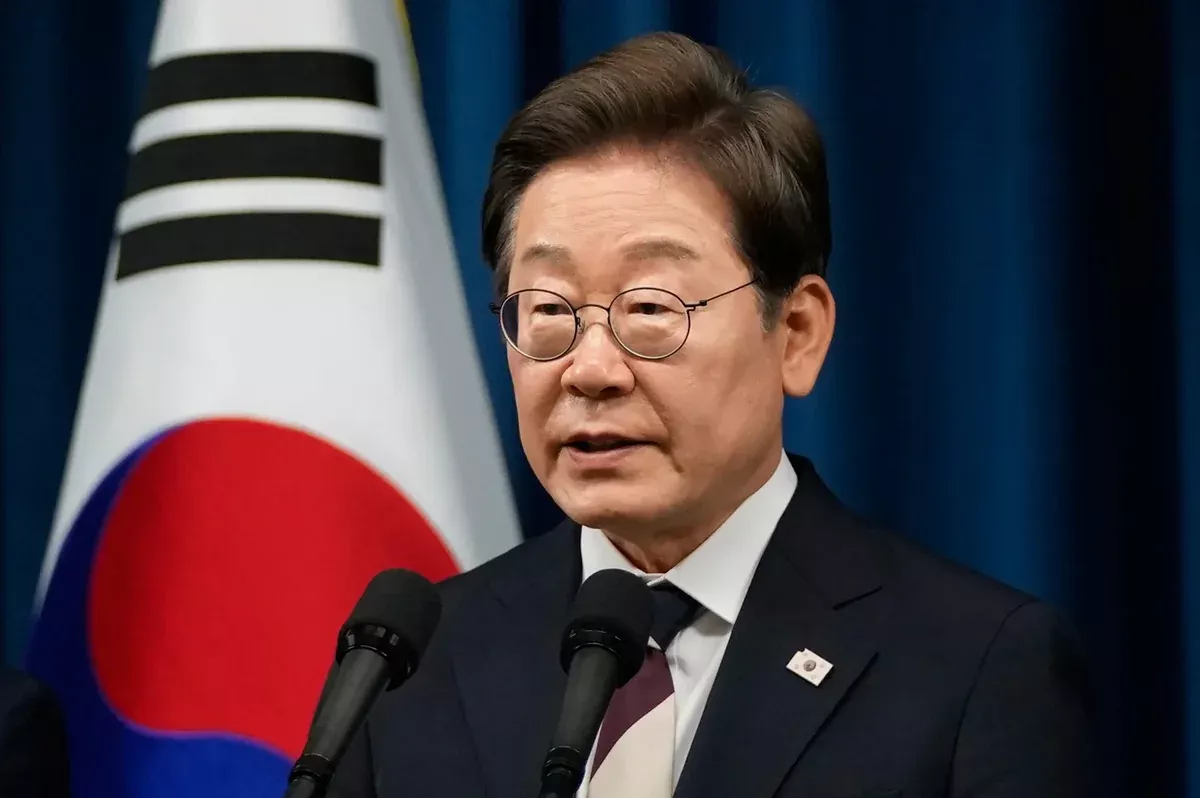
For Beijing, however, the issue extends beyond the Korean settlement itself. Wang Yi called on South Korea to maintain “genuine strategic autonomy,” avoid bloc confrontation, and develop ties simultaneously with China, the United States, and other major powers. In essence, Beijing is urging Seoul not to choose between two centers of power, but to preserve room for independent maneuver. Lee Jae-myung, for his part, said that China and South Korea should become mutually beneficial partners, and that the development of ties with different countries should be mutually compatible.
This is particularly important given the recent history of bilateral relations. Under former President Yoon Suk Yeol, Seoul moved significantly closer to Washington and Tokyo, while relations with Beijing remained strained, in part because of disagreements over the deployment of the U.S. THAAD missile defense system in South Korea. Lee Jae-myung, by contrast, is seeking to restore a balance, viewing China as a key economic partner while also recognizing it as a country capable of influencing the situation surrounding North Korea.
The economic side of the visit demonstrated that a practical foundation for this already exists. Wang Yi stressed the need to strengthen political trust and cooperation in trade, investment, and security, and called for the second phase of negotiations on a free trade agreement to be completed more quickly. The two sides agreed to expand humanitarian exchanges, stabilize supply chains, and aim to increase the total number of trips between the two countries to more than 10 million annually. Beijing and Seoul also reaffirmed their commitment to further developing their strategic partnership.
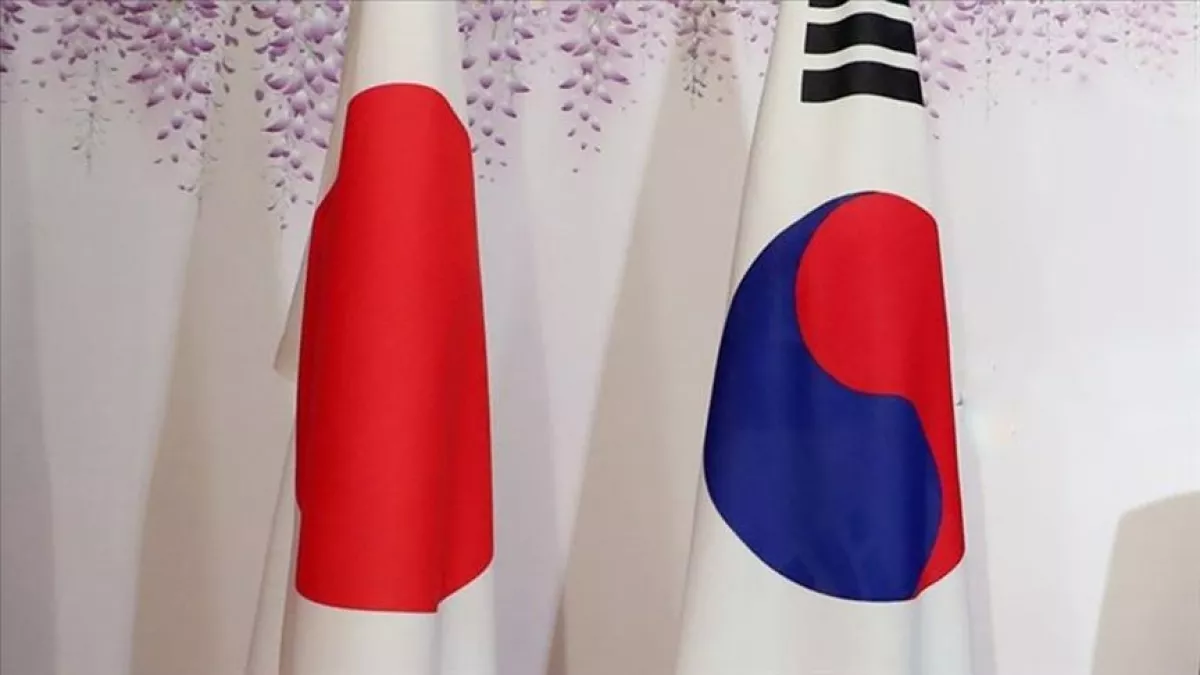
Another topic of discussion was Japan. Wang Yi called on Seoul to remain vigilant about the rhetoric and actions of Japan’s right-wing forces and to prevent the revival of Japanese militarism. For China, the strengthening of Tokyo’s military role is directly linked to the U.S. alliance system in East Asia. For South Korea, however, the situation is more complicated: historical tensions with Japan persist, but Tokyo remains an important security partner for both Seoul and Washington.
Thus, Wang Yi’s visit marked another stage in the restoration of China–South Korea ties, while also highlighting the geopolitical contest over their future direction. Beijing wants to see Seoul become a more independent player, capable of cooperating with China without abandoning its relations with the United States. Judging by Lee Jae-myung’s political approach, South Korea is, as far as circumstances allow, broadly following this logic. The next major test will be the APEC summit in Shenzhen in November, and the Chinese side has already said it is “actively considering” the possibility of a meeting between Xi Jinping and Lee Jae-myung.







 editor@caliber.az
 +994 55 444-88-98
 Азербайджан, Баку, ул. Низами, 203, Af Business House, 5-й этаж