










Belarus–DPRK: Betting on an alliance outside the Western orbit Analysis by Limansky
On March 25–26, the President of Belarus paid an official visit to the Democratic People’s Republic of Korea. Pyongyang and Minsk have long maintained close ties, united by a shared aspiration to help shape a new multipolar world.
From Korea, with love
The current visit by the Belarusian leader to Pyongyang marks a transition to a new level of strategic engagement between Belarus and the DPRK.
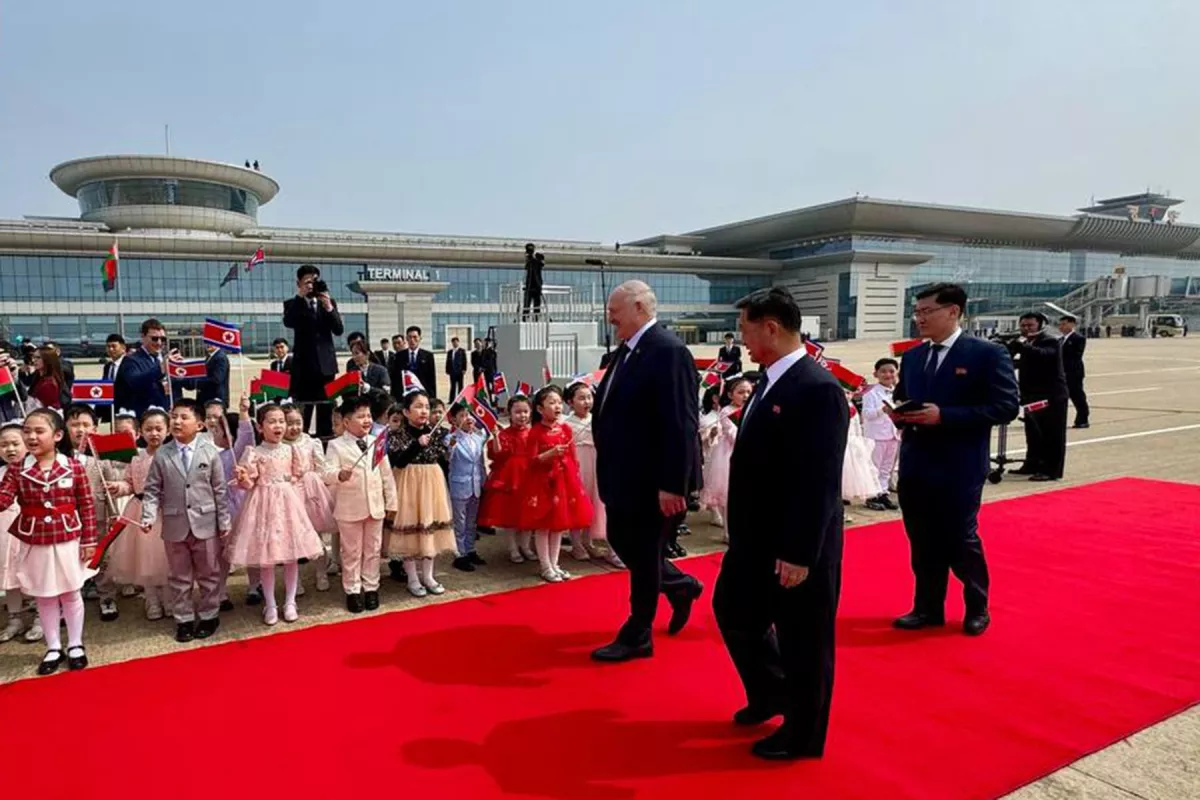
On the morning of March 25, Alexander Lukashenko arrived at Pyongyang Airport. He was welcomed on the red carpet by the DPRK’s First Vice Premier, Kim Tok Hun, who said: “We warmly welcome your visit to our country, Mr President.” An honour guard of the Korean People’s Army was assembled for the occasion. Cheerful Korean children waving the flags of both countries chanted greetings. From the airport, the presidential motorcade proceeded under the escort of an honorary motorcycle unit.
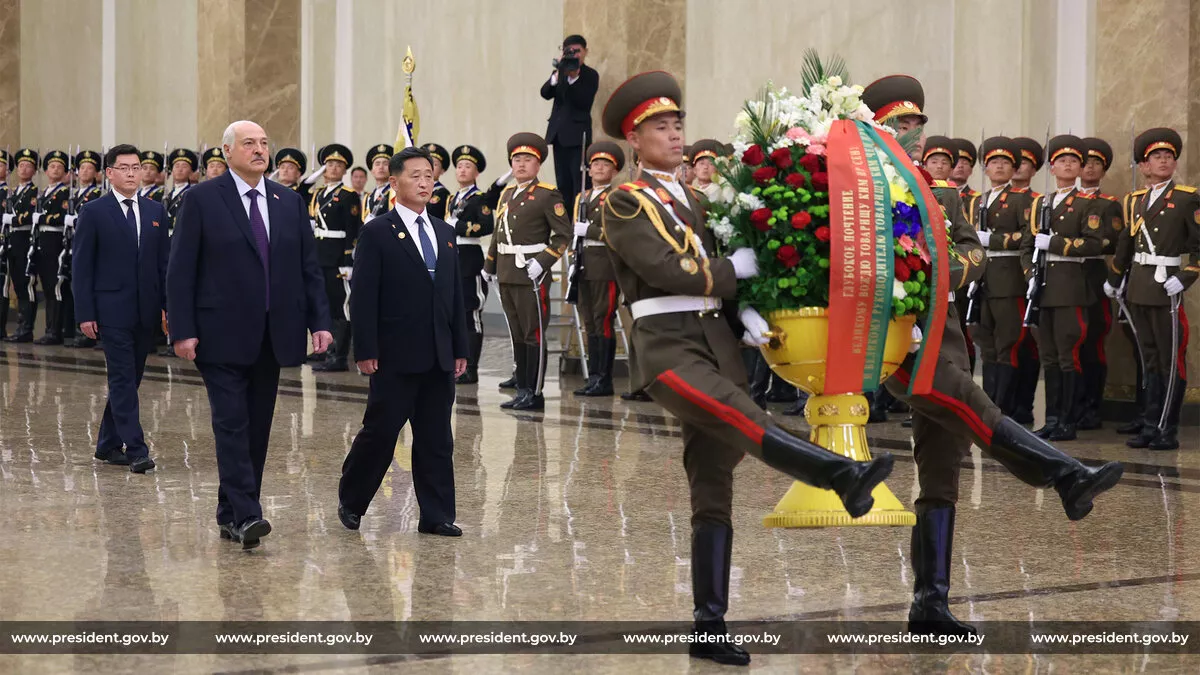
The President of Belarus visited the Kumsusan Palace of the Sun and paid tribute to the DPRK’s leaders, Kim Il Sung and Kim Jong Il. This is a sacred site, with access for foreign visitors strictly regulated.
The official welcoming ceremony between President Alexander Lukashenko of Belarus and the leader of the Democratic People’s Republic of Korea, Kim Jong Un, took place in Kim Il Sung Square.
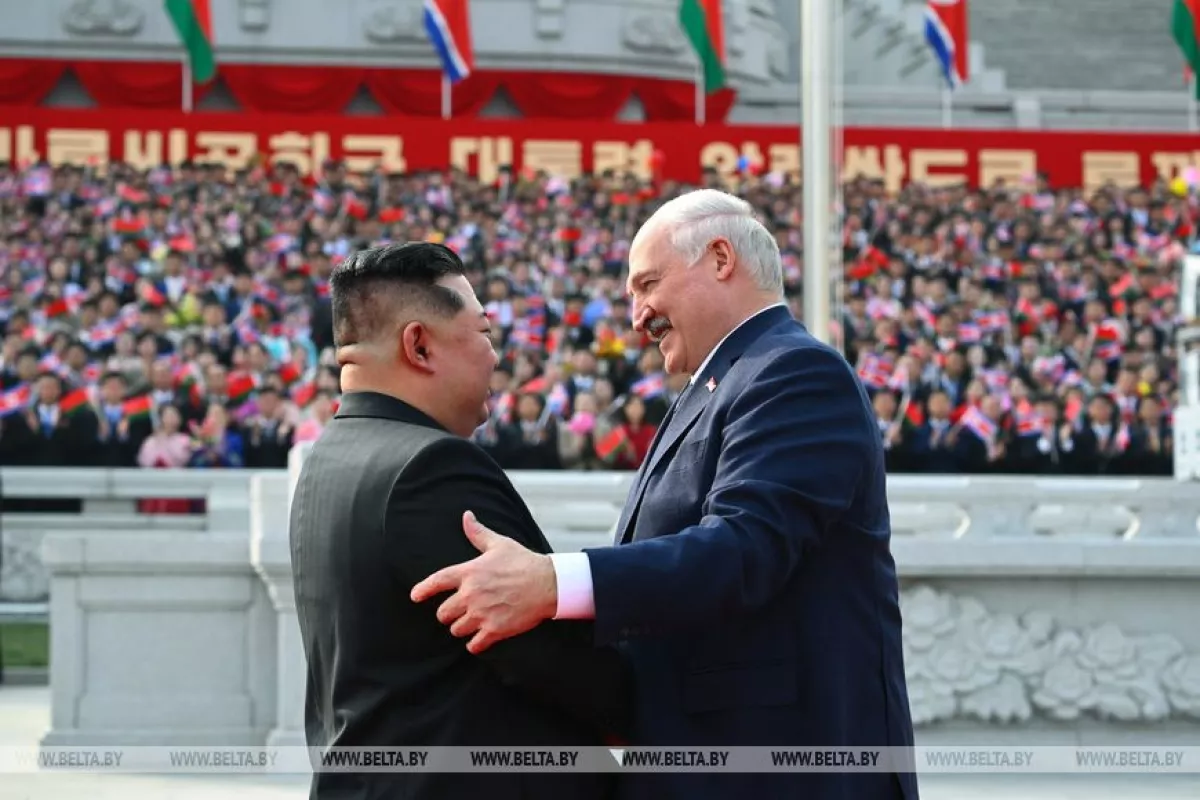
The meeting was marked by a vivid and spirited ceremony. Alexander Lukashenko and Kim Jong Un greeted each other with an embrace. Under a 21-gun salute, the national anthems of the Republic of Belarus and the DPRK were played. The two leaders inspected the honour guard, after which representatives of the three branches of the Korean People’s Army marched in ceremonial formation. Adding a distinctive flair to the event were mounted members of the ceremonial cavalry unit, dressed in striking uniforms and riding white horses.
Together with Kim Jong Un, Alexander Lukashenko visited the “Liberation” monument and laid a wreath. The Belarusian president paid tribute to the soldiers of the Red Army who fell during the liberation of Korea from Japanese occupation. A bouquet of flowers was also laid at the foot of the monument by Nikolai Lukashenko.
Alexander Lukashenko received the invitation to visit the DPRK in September 2025 during a meeting with Kim Jong Un at a parade in Beijing marking victory in the Second World War over fascism and Japanese militarism.
In the past, Belarus joined UN sanctions imposed on the DPRK following its nuclear tests. However, in July 2024, Belarusian Foreign Minister Maxim Ryzhenkov visited the DPRK, where, among other issues, economic cooperation was discussed.
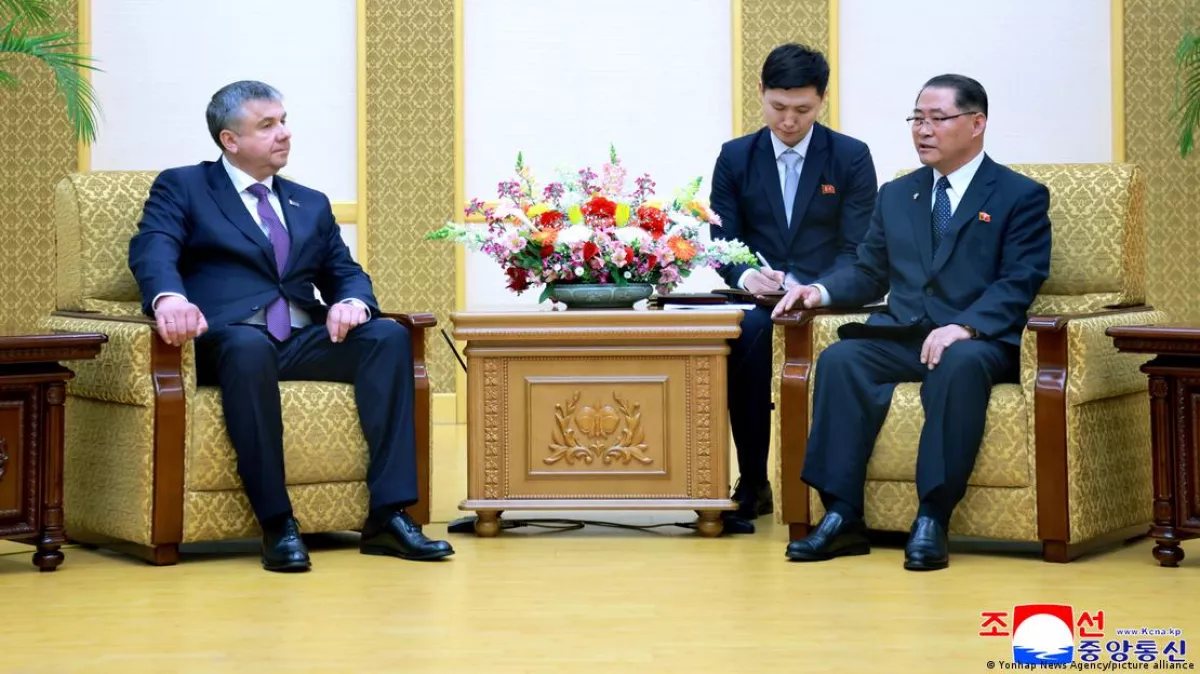
In May 2025, Deputy Prime Minister Yuri Shuleiko visited Pyongyang, where a session of the joint intergovernmental committee was held.
True friends
On March 26, 2026, talks were held between Alexander Lukashenko and Kim Jong Un. Lukashenko noted that Belarusians and Koreans are brought closer together by patriotism, the preservation of historical memory, and deep respect for the older generation.
“I can tell you as a friend, as someone who has seen it all in this world: your country has a great future ahead with such hardworking and disciplined people,” the Belarusian leader said.
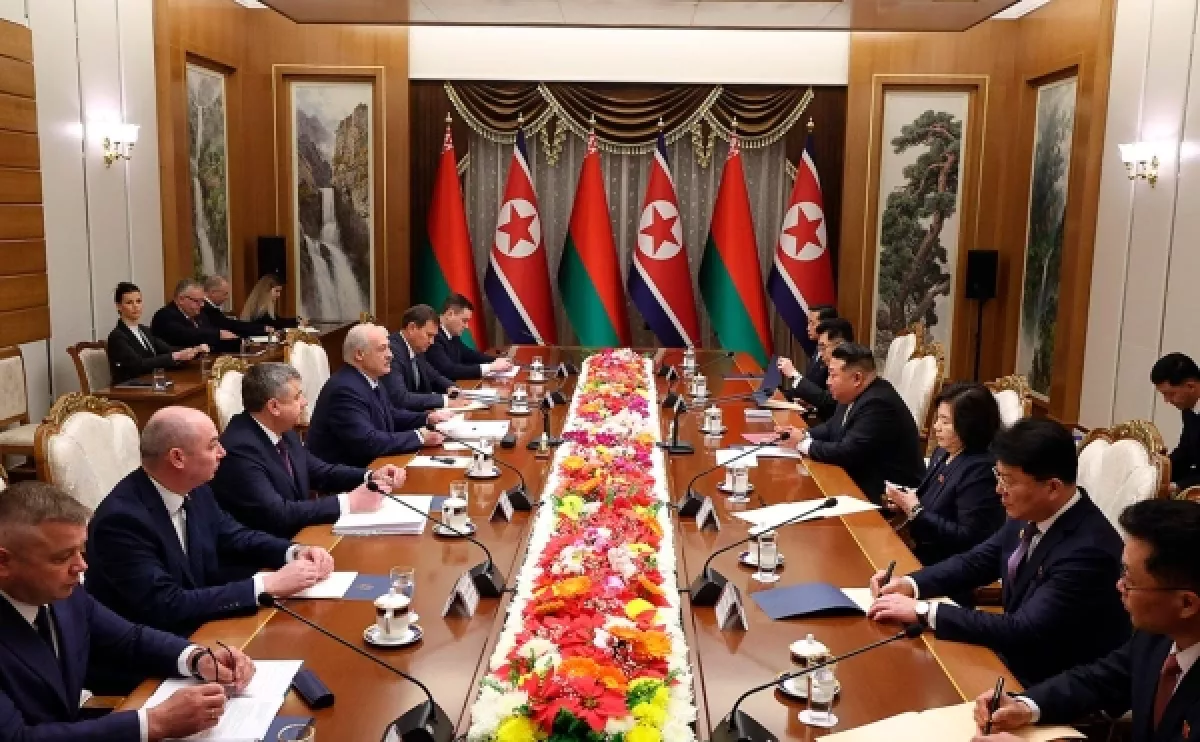
“And the second thing I have seen is that you are capable of doing everything—and you do it in a way no one else can… The friendly relations between our states, which originated back in the days of the Soviet Union, have never been interrupted. Today, as a result of comprehensive and steady development, we are moving to a fundamentally new stage. With considerable delay, but we are nonetheless making this transition. Yes, we indeed lacked close cooperation in the past, largely due to our own fault. But I am sincerely pleased to note that our interaction has now significantly intensified.”
During the meeting, a bilateral Treaty on Friendship and Cooperation was signed. This document is of a fundamental nature and signifies the transition of relations between Belarus and the DPRK to a qualitatively new level.
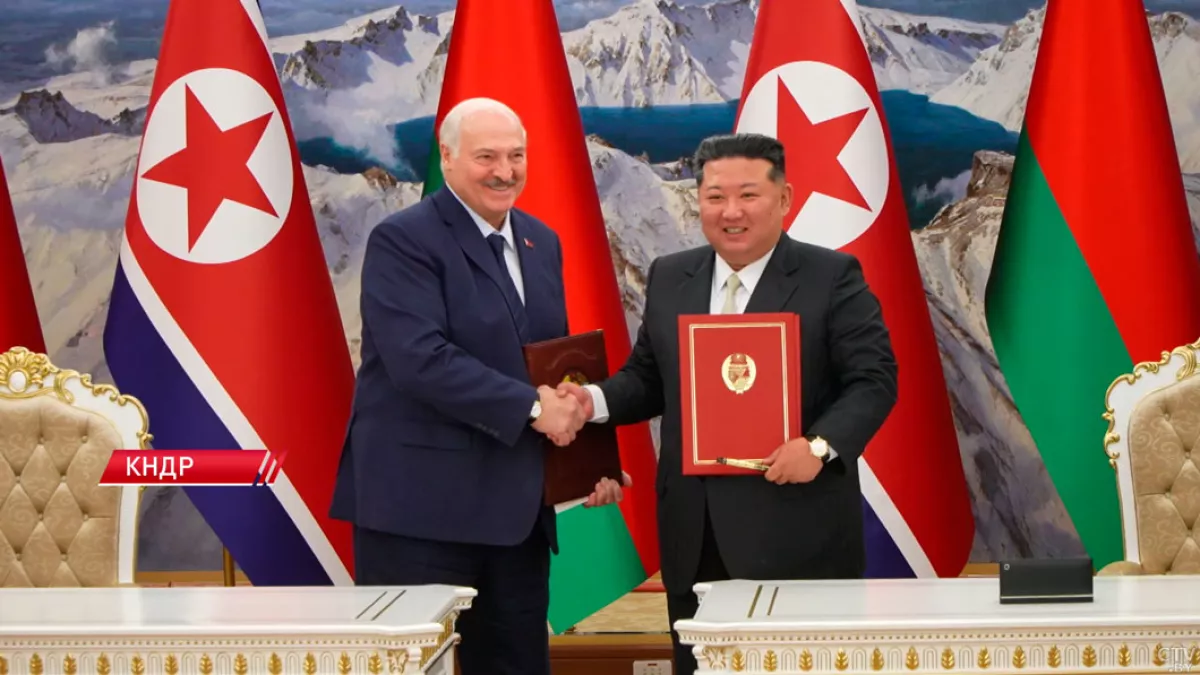
The Belarusian leader emphasised that in today’s realities—when the norms of international law are being violated by the world’s most powerful actors—independent states need to stand together. At the same time, Minsk and Pyongyang should develop their relations without looking over their shoulders at other countries, some of which may be displeased, as they see themselves as competitors.
“Our economies are complementary; we need each other, and this is the direction in which we should move,” Lukashenko noted.
Kim Jong Un expressed confidence that the development of cooperation between the DPRK and Belarus rests on a solid foundation: both countries advocate for peace based on sovereignty and justice and share similar positions on many international issues.
“We express solidarity and full support for Belarus,” the DPRK leader stated.
Kim Jong Un also condemned Western pressure on Belarus and voiced support for the measures taken by the Belarusian state to maintain socio-political stability and develop its economy.
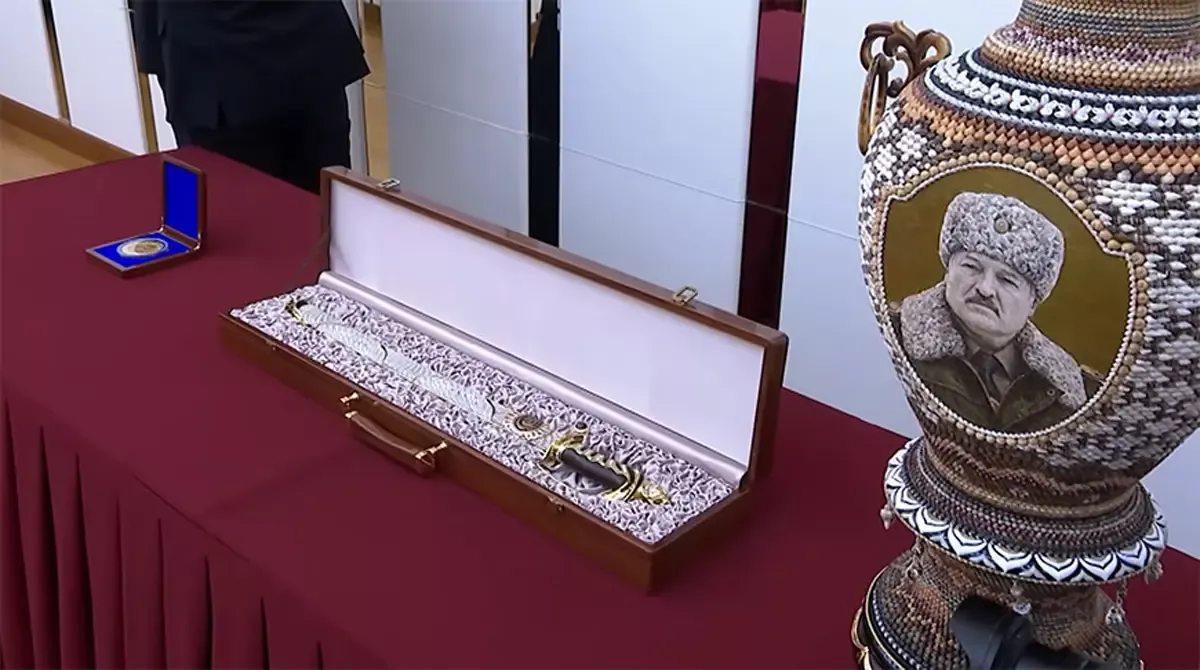
As is customary, the leaders exchanged gifts. Kim Jong Un presented the Belarusian head of state with a ceremonial sabre, a large vase decorated with seashells, and a commemorative gold coin marking the visit.
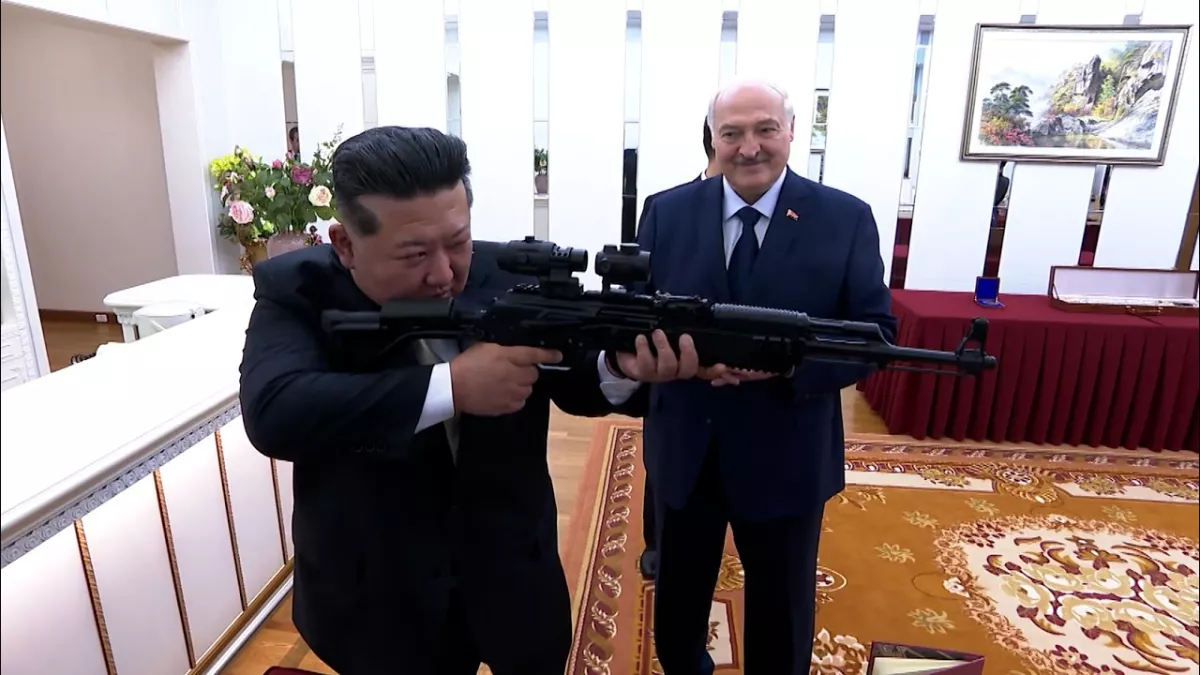
In turn, Lukashenko gifted Kim Jong Un a Belarusian-made VSK rifle, which drew the DPRK leader’s interest, traditional Slutsk gold belts, as well as bottles of Zubrovka, Belovezhskaya, and Belarusian Balsam liqueurs. He also presented a homemade drink prepared by Belarusian farmers, specially baked black bread, various food products, and linen goods. Naturally, the famous Belarusian dairy products were also included.
Kim Jong Un’s daughter was presented with an artistic jewellery box, while his wife received a golden cornflower—the national symbol of Belarus.
At a concert held in honour of the distinguished guest, Korean performers sang a number of songs, including in the Belarusian language. People’s Artist of the DPRK Kim Ok Ju performed the song Kutochak Belarusi.
At the conclusion of the two-day visit, Kim Jong Un personally saw Alexander Lukashenko off at the airport.
In addition to the Treaty on Friendship and Cooperation, nine sectoral agreements and memoranda were signed, covering agriculture, education, healthcare, culture, sport, information policy, as well as cooperation between chambers of commerce and industry, academies of sciences, and research institutions.
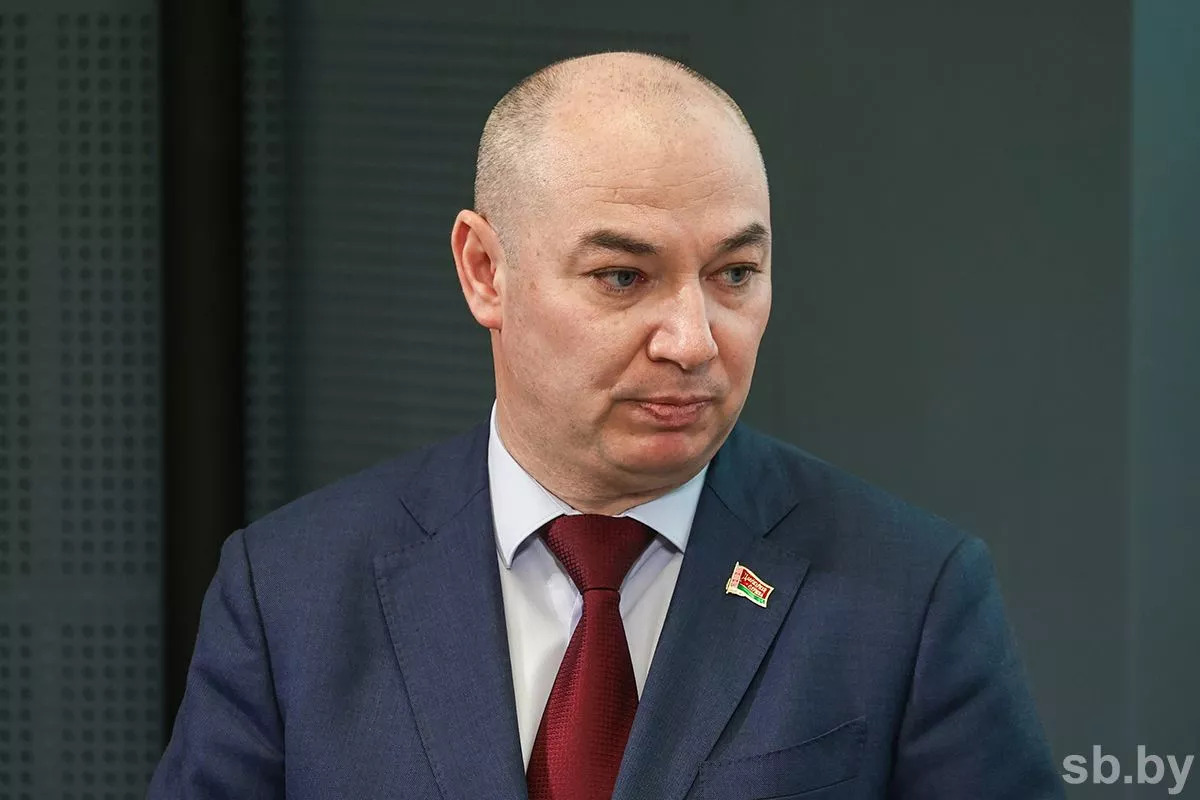
The relevance of cooperation in the fields of medicine and epidemiology was underscored by Belarusian Health Minister Alexander Khodzhayev, who was part of the delegation.
Deputy Prime Minister Yuri Shuleiko, also present in Pyongyang, noted that cooperation would develop in a steady and measured manner—taking into account objective constraints, including geographical distance and sanctions barriers.
Minsk is also showing interest in trilateral initiatives together with Pyongyang’s traditional partners, such as Russia and China.
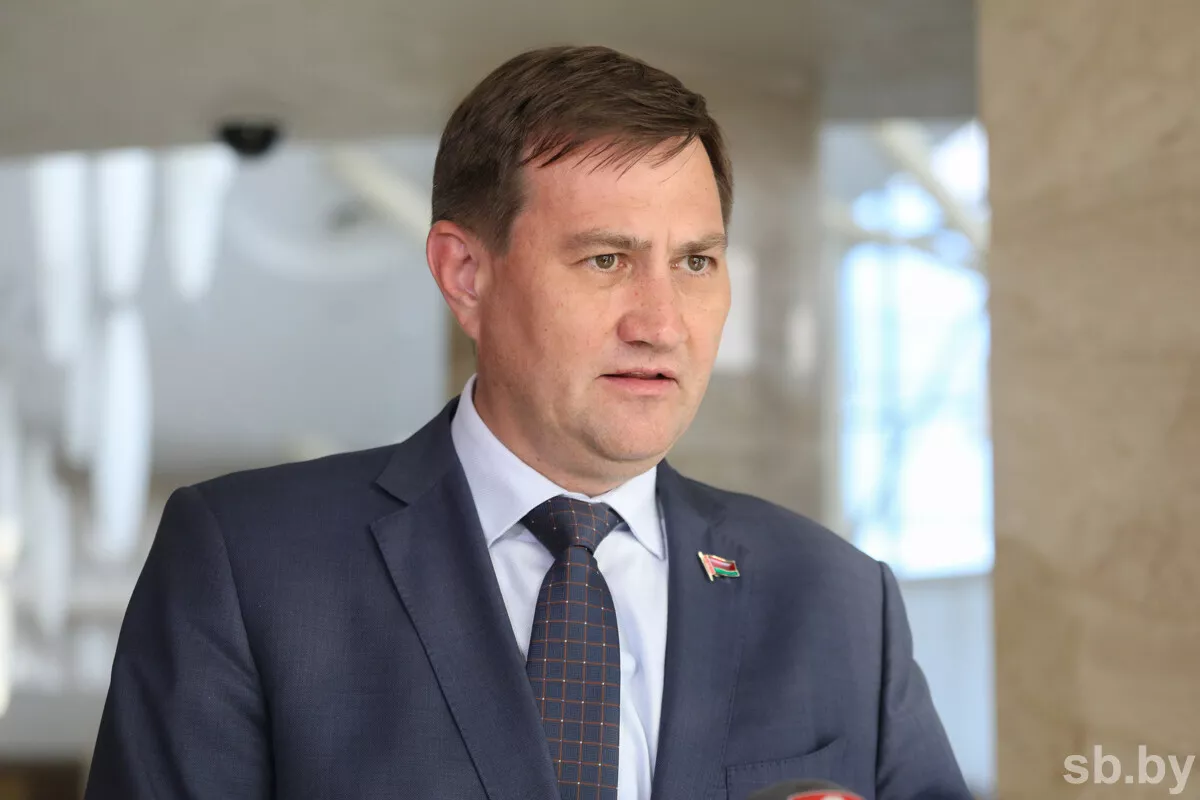
According to Belarusian Foreign Minister Maxim Ryzhenkov, trade turnover between the DPRK and Belarus remains limited. However, significant prospects are emerging in sectors such as pharmaceuticals and food supplies, including dairy products. The latter are not traditionally part of Korean cuisine, but in recent years the DPRK has been implementing a programme to expand the consumption of dairy products.
In turn, Belarus may import high-quality, affordable cosmetics from the DPRK, along with developing cooperation in other areas.
“We are only at the beginning of this journey. The current situation is, quite literally, pushing us into each other’s arms. We are looking for friends. Even if they are far away, they are loyal, reliable partners who respect us,” the Belarusian foreign minister stated.
In the future, the opening of a direct Minsk–Pyongyang flight is also possible.
A new alliance
Naturally, Belarusian opposition media have already criticised the visit. In particular, the Belsat TV channel stated that “dictator” Lukashenko had travelled to meet his “dear friend” Kim Jong Un.
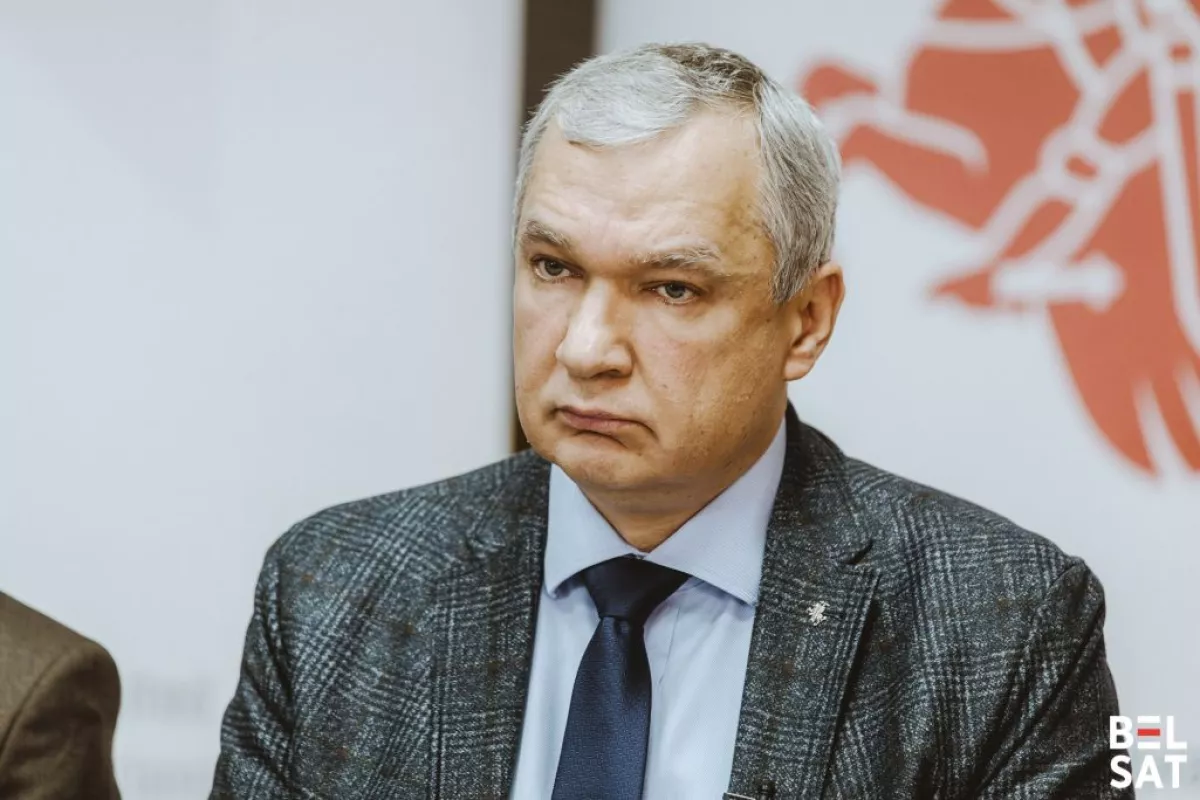
Pavel Latushko, a deputy to Sviatlana Tsikhanouskaya, in turn, remarked that Kim Jong Un—with his “one-party system”—and Lukashenko are united by the concentration of power in a single pair of hands.
At the very least, however, the former diplomat and ex-minister Latushko should have taken into account that the DPRK formally operates a multi-party system. In addition to the Workers’ Party of Korea, there are also the Korean Social Democratic Party and the Chondoist Chongu Party, both of which are part of the Democratic Front for the Reunification of the Fatherland.
That said, the issue goes beyond an inaccurate interpretation of the DPRK’s political system. The Belarusian opposition has yet to present clear arguments as to what specific risks are posed by the development of relations between the sovereign Republic of Belarus and the Democratic People’s Republic of Korea. At the same time, the criticism appears to be largely aimed at an external audience.
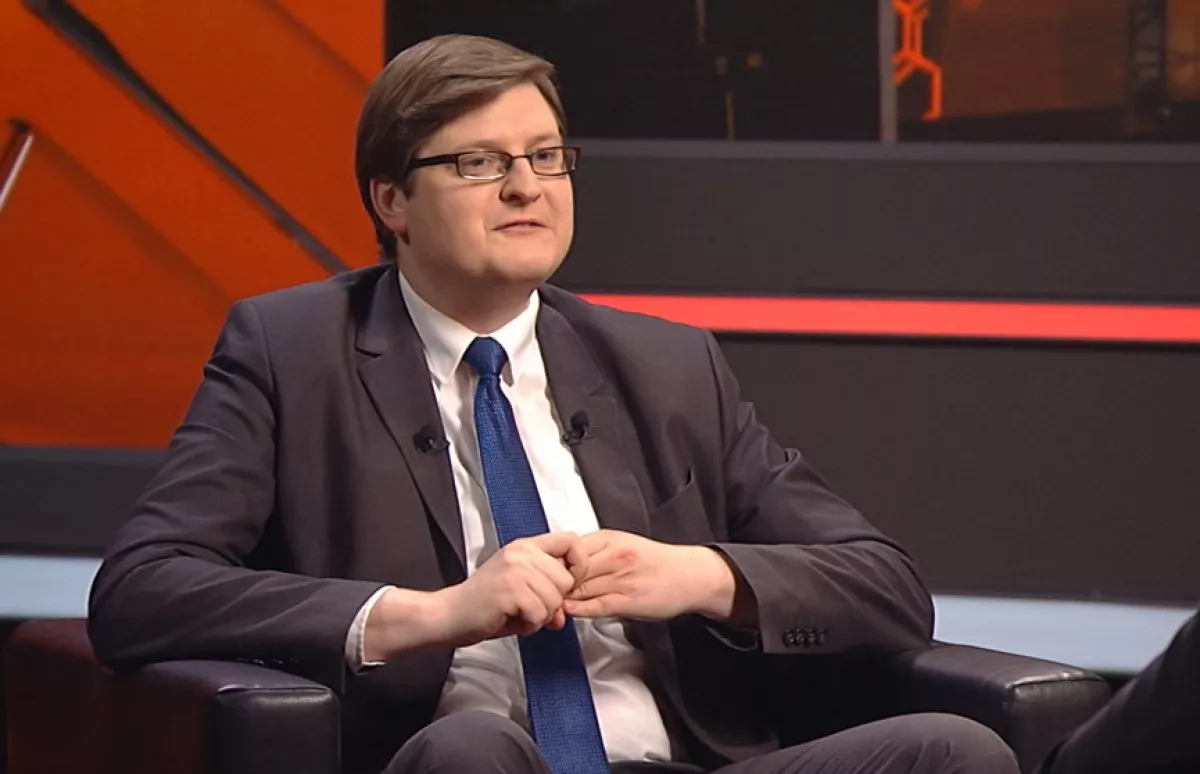
As Belarusian political analyst Pyotr Petrovsky notes, the DPRK—where certain economic reforms are currently being implemented, tentatively comparable to elements of the New Economic Policy (NEP)—is showing considerable interest in Belarusian agricultural products and farming machinery.
At the same time, the DPRK’s agricultural sector, which operates under a “family contract” system, primarily requires light and compact machinery—particularly suited for use on rice terraces. There is also demand for heavy equipment for the mining industry; notably, Belarusian BelAZ trucks are already in operation in the DPRK.
Another item on the agenda is the education of Korean students at Belarusian universities.
According to the analyst, particular interest lies in the initiative to establish a trilateral format of cooperation. In the future, the DPRK could be considered a potential participant in deeper integration mechanisms involving Russia and Belarus.
It is evident that in the near future, the economic dimension of cooperation between Belarus and the DPRK will continue to develop and gain practical substance.
At the same time, the key outcome of the visit was a clear political signal: the two countries, consistently pursuing a course of independent development, are demonstrating their readiness to deepen allied relations.







 editor@caliber.az
 +994 55 444-88-98
 Азербайджан, Баку, ул. Низами, 203, Af Business House, 5-й этаж