










Eurasian backbone: Azerbaijan–Uzbekistan alliance takes on international significance Overview by Teymur Atayev
Global geopolitics is undergoing a period of sweeping transformation. Before our eyes, the balance of power is shifting, new centers of influence are emerging, and the role of states in the international system is being reassessed. Another distinctive feature of the current stage is that middle powers capable of pursuing an independent and multi-vector foreign policy are playing an increasingly prominent role in shaping the new international agenda.
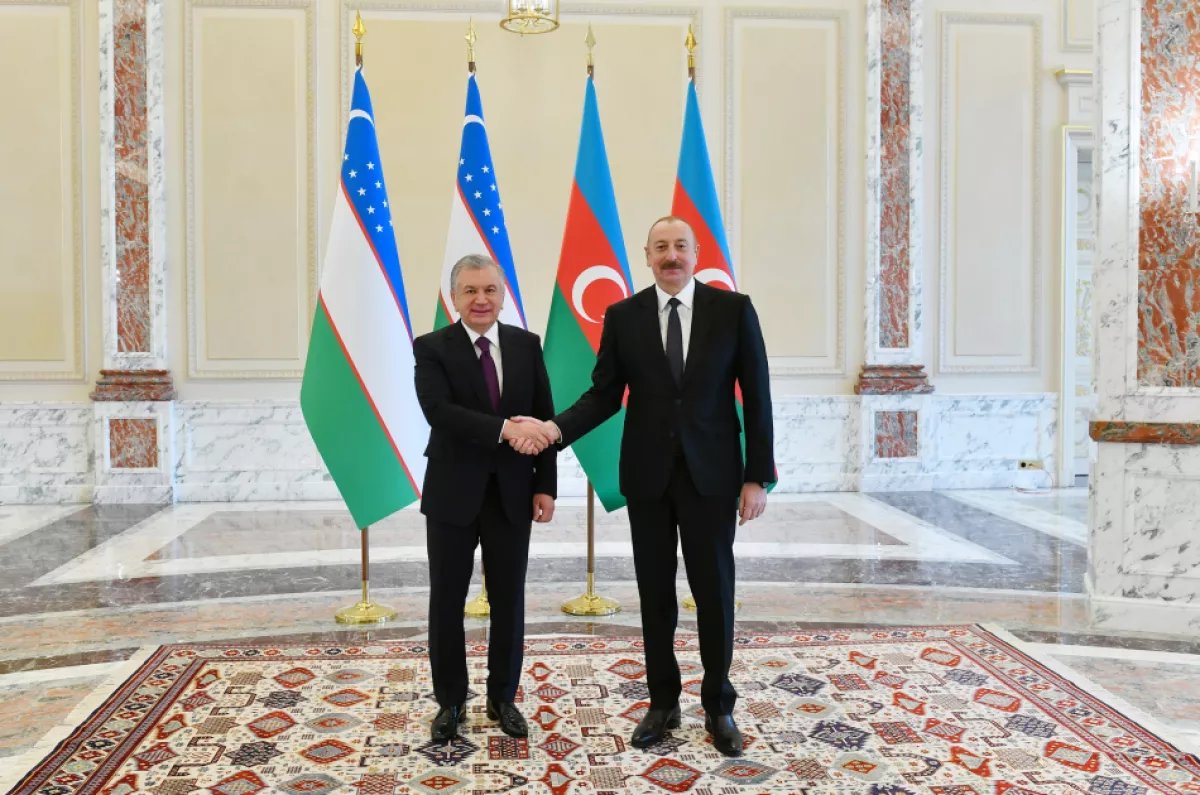
In this context, Azerbaijan and Uzbekistan deserve particular attention. Relations between the two countries, as President Ilham Aliyev said in an interview with the Uzbekistan National News Agency (UzA), “have entered a stage of unprecedented development in recent years, risen to the highest level — that of alliance — and acquired entirely new content.”
In this context, it is worth recalling events nearly three decades ago that laid a solid foundation for the current Azerbaijan–Uzbekistan tandem. During his official visit to Uzbekistan in 1997, National Leader Heydar Aliyev described the document on friendship and cooperation between the two countries, which had previously been signed in Baku, as one of the foundations for further developing bilateral relations under the new circumstances.
Heydar Aliyev attached particular importance to the joint creation of a Trans-Caucasian corridor that would reliably link Central Asia, the South Caucasus, and Europe, and would subsequently become an important component of economic cooperation between the two states. Stressing Baku’s readiness to take the necessary measures to ensure the timely implementation of the agreements reached, the National Leader noted that the development of relations between Azerbaijan and Uzbekistan was of great importance to both countries. “We are now free peoples, we are now independent states, we are masters of our own destiny,” he said, emphasizing: “Our ties are alive, they continue, and they will live on.”
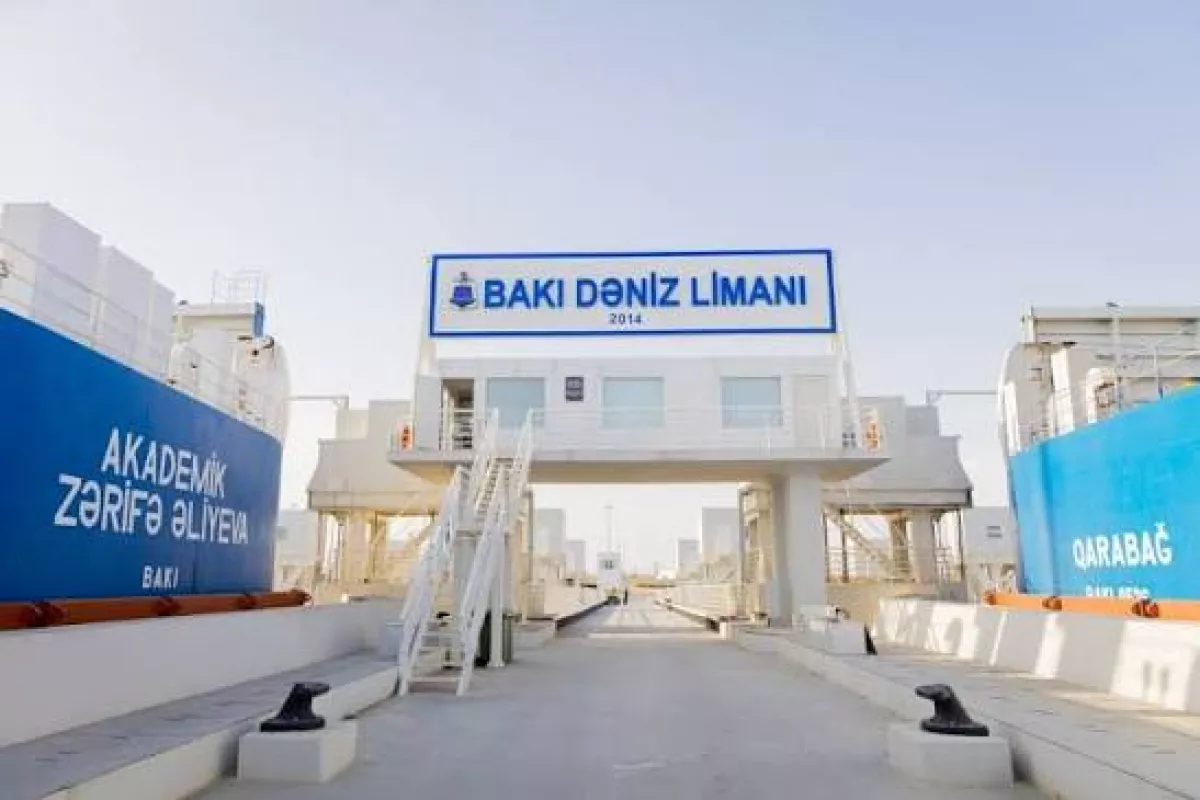
Today, we are witnessing these words being put into practice. One of the clearest manifestations of this has been the development of joint projects in the transport and logistics sector, including the expansion of maritime infrastructure and the establishment of a joint Uzbek-Azerbaijani fleet on the Caspian Sea.
Transport and logistics cooperation has become one of the key drivers of expanding bilateral trade, enhancing the competitiveness of the Middle Corridor, and strengthening the transit potential of the region as a whole. In this context, the two countries are also pursuing a project to establish a joint Uzbek-Azerbaijani logistics center near the Baku International Sea Trade Port. The selected site is integrated with both Azerbaijan’s railway network and transport routes linking Central Asia, the South Caucasus, and Europe.
In this way, Azerbaijan and Uzbekistan are gradually developing one of the important hubs of the emerging Eurasian transport architecture, helping to strengthen connectivity between the regions. The importance of this cooperation is further underscored by the implementation of the China–Kyrgyzstan–Uzbekistan railway project, which could significantly increase cargo flows from China and Central Asia toward the Caspian region. Within this system, the Port of Baku is assuming particular strategic importance as a key transit hub through which cargo from Central Asia and China can be transported to Europe along the Middle Corridor.
As a result, transport cooperation between Azerbaijan and Uzbekistan extends far beyond bilateral relations, becoming part of a broader process of shaping a new Eurasian logistics architecture.
But let us be objective: the experience of world history convincingly demonstrates how much the implementation of interstate agreements depends on the level of mutual trust between national leaders. Today, we sometimes witness not only established ties within individual geopolitical blocs falling apart, but also previously reached agreements and signed documents being called into question.
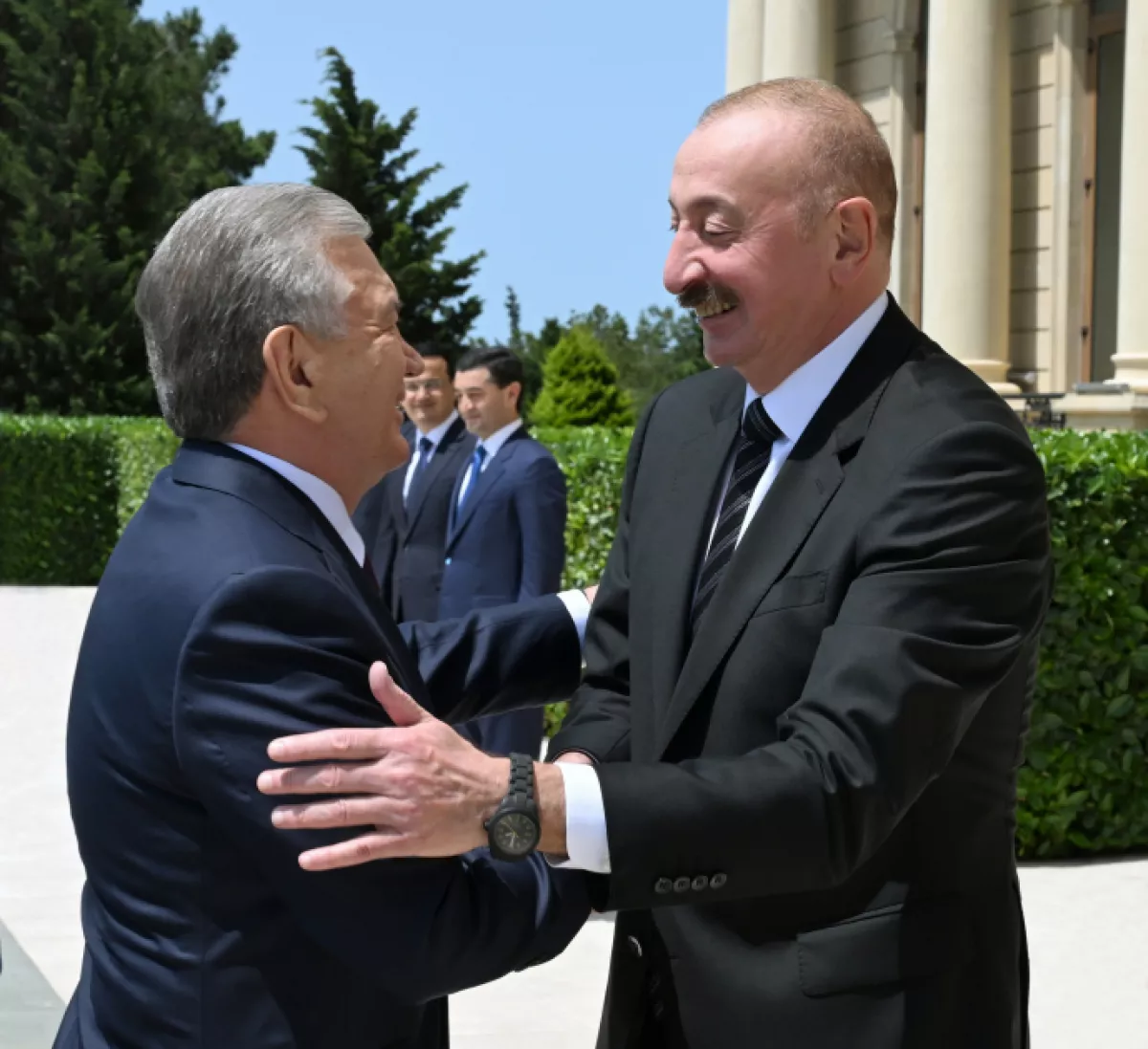
Azerbaijan–Uzbekistan cooperation, by contrast, is demonstrating a different dynamic. It is characterized by consistency, mutual support, and a high level of trust between the leaders of the two countries, Ilham Aliyev and Shavkat Mirziyoyev. It is precisely their political will that provides a solid foundation for further deepening allied relations and implementing large-scale joint projects.
President Ilham Aliyev particularly emphasized this in 2025, during the summit of the Economic Cooperation Organization held in Khankendi. During the visit, the presidents of Azerbaijan and Uzbekistan toured a major garment factory, which Ilham Aliyev described as “a great gift from the fraternal people of Uzbekistan to Azerbaijan and to the reviving Karabakh region.”

The first such symbol of fraternal support was the secondary school in Fuzuli, built at the initiative of the President of Uzbekistan. As Ilham Aliyev noted, these projects are evidence of friendship and brotherhood “not just in words, but in deeds.” “Our brothers have always been with us in the most important and most difficult times for us. This is also the case today,” the President of Azerbaijan emphasized.
Of particular importance in this context was the signing in 2024 of the Treaty on Allied Relations between Tashkent and Baku. The document formalized the ties between the two states based on the principles of comprehensive cooperation, trust, equality, and mutual consideration of national interests. Particular attention was also devoted to strengthening military-technical cooperation aimed at enhancing the defense capabilities of both countries.
As the President of Azerbaijan emphasized in an interview with the Uzbekistan National News Agency, sincere friendship, mutual respect, and trust between the leaders of the two countries have played a particularly important role in strengthening Azerbaijani-Uzbek brotherhood, elevating bilateral relations to their current level, and further advancing the alliance.
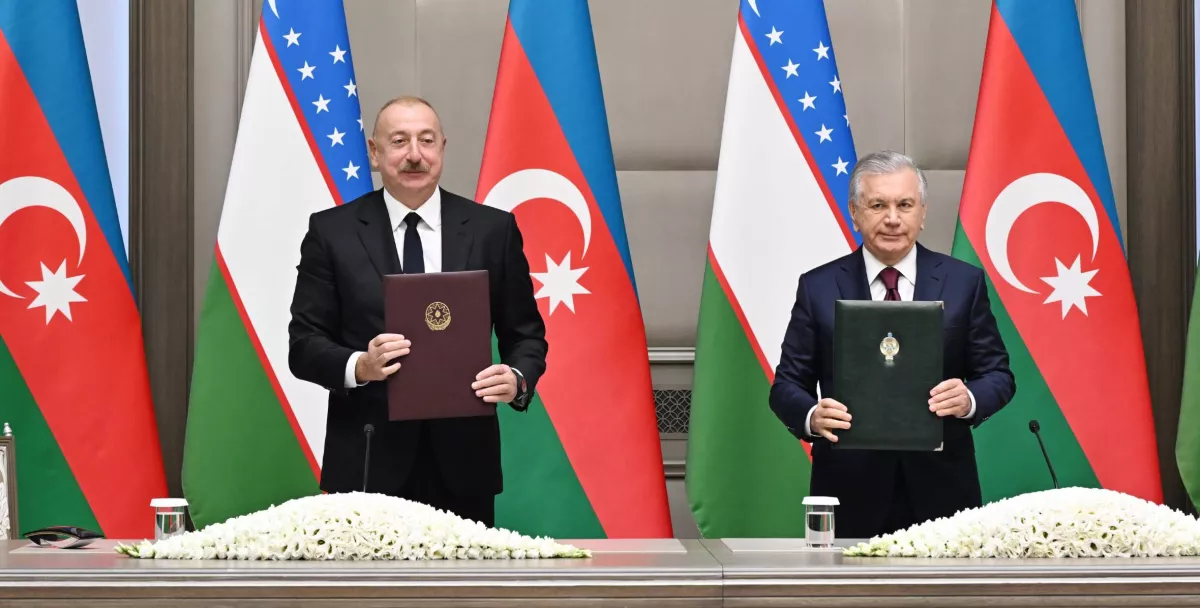
President Ilham Aliyev also highlighted the special role of the Supreme Interstate Council, established in 2023, which has become an important institutional mechanism for deepening the strategic partnership and allied relations between Baku and Tashkent. According to the Azerbaijani leader, the Council’s activities, along with the work of the Azerbaijan-Uzbekistan Investment Company, create additional opportunities for expanding economic cooperation.
Speaking about the dynamics of trade turnover between the two countries, Ilham Aliyev described it as an “excellent indicator” and emphasized the significant potential for further developing economic ties, including in the field of “green” energy. “The economic opportunities offered by Azerbaijan and Uzbekistan complement each other,” the President noted, stressing the prospects for implementing new joint investment projects both in Azerbaijan and Uzbekistan. Significantly, more than 130 commercial entities with Uzbek investment are currently registered in Azerbaijan.
The political and economic cooperation between Azerbaijan and Uzbekistan is reinforced by cultural and humanitarian ties — a crucial component without which a sustainable strategic partnership can hardly acquire a solid foundation. One of the latest initiatives in this area was a press tour by Azerbaijani journalists to Uzbekistan.
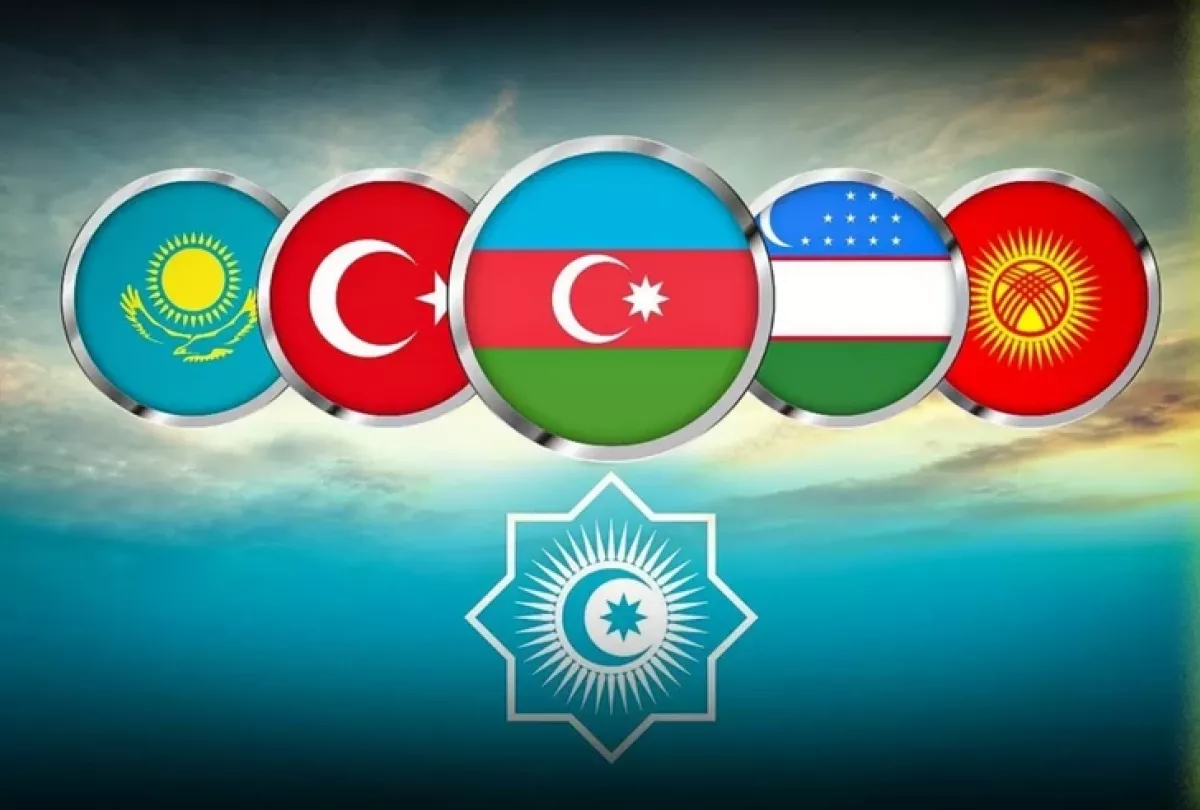
Baku and Tashkent complement their bilateral cooperation with international formats, above all within the framework of the Organization of Turkic States (OTS).
As President Ilham Aliyev noted, this is driven by the fact that both countries view the OTS not merely as a platform for interstate cooperation, but also as an organization tasked with carrying “our shared history, culture and spiritual values into the future.” Therefore, the contribution of Azerbaijan and Uzbekistan to developing political dialogue, economic ties, transport and logistics potential, as well as cooperation in education, science, and culture within the OTS “further contributes to the deepening of integration among the Turkic states.”
Another important area of cooperation is the Consultative Meetings of the Heads of State of Central Asia, in which Azerbaijan has become a full-fledged participant. As a result, a new format of regional interaction — C6 — has emerged, broadening the scope of dialogue and giving additional momentum to the strategic partnership between the Central Asian states and Azerbaijan.
Equally significant is the cooperation between Baku and Tashkent within virtually all major international organizations and multilateral platforms of which the two countries are members. In addition to the OTS and the Economic Cooperation Organization (ECO), this includes the United Nations, the Organization of Islamic Cooperation, the Conference on Interaction and Confidence-Building Measures in Asia (CICA), and the Non-Aligned Movement.
Thus, the current stage of Azerbaijan–Uzbekistan cooperation carries significance that extends far beyond the bilateral agenda. It is increasingly acquiring an international dimension and fitting into the broader transformation of the global system of relations.
Developments in recent years, and especially those of the current year, convincingly demonstrate that the familiar configuration of the world order is changing, while the importance of states capable of pursuing an independent foreign policy, serving as bridges between regions, and proposing their own formats of cooperation is growing accordingly. In this context, Azerbaijan and Uzbekistan offer an example of a partnership based on political trust, mutual support, and shared strategic interests, while simultaneously strengthening their positions as independent and influential centers within the emerging Eurasian architecture.







 editor@caliber.az
 +994 55 444-88-98
 Азербайджан, Баку, ул. Низами, 203, Af Business House, 5-й этаж