










Europe’s fatigue Is the Russia–Ukraine war losing relevance?
At the World Economic Forum in Davos, long regarded as a barometer of global priorities, the war in Ukraine has receded somewhat from the spotlight. Only recently, European leaders were preparing for a challenging discussion with the U.S. president over Ukraine’s future and security guarantees. Yet, in a matter of days, the focus shifted dramatically, prompted by Trump’s remarks on Greenland, which Brussels interpreted as a direct threat to NATO unity and the entire Euro-Atlantic security architecture.
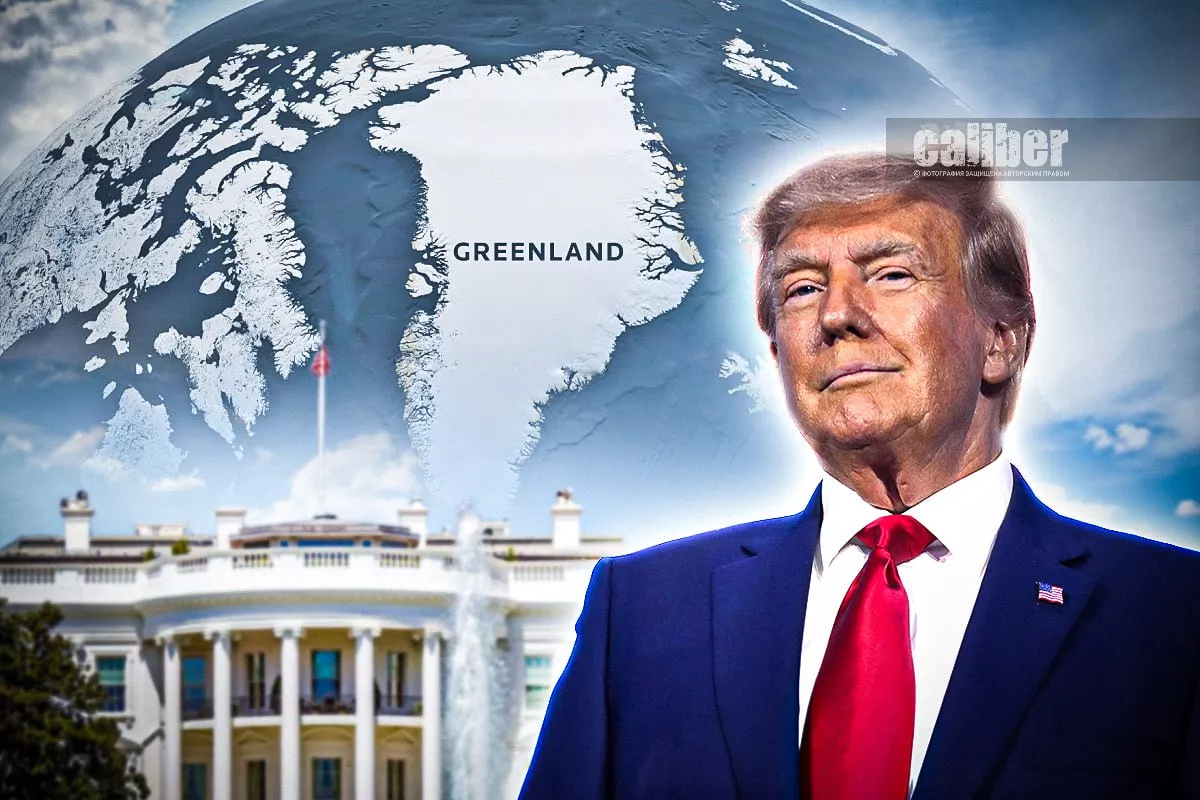
According to the Financial Times, the Greenland question has risen to the top of the agenda in European capitals, eclipsing yet another round of debate over Ukraine. Donald Trump’s threats to impose trade tariffs on EU member states should they side with Denmark and oppose his designs on Greenland compelled Brussels to urgently recalibrate its priorities.
At first glance, it may seem paradoxical that a distant Arctic island could overshadow a war that has become Europe’s largest since the Second World War. For European policymakers, however, the logic is clear. Ukraine—despite the scale of the tragedy—has gradually been absorbed into the European Union’s political and bureaucratic routine. Greenland, by contrast, threatens to open a tectonic fault line within NATO itself. For Europe, this is a far more destabilising prospect than a prolonged war in Ukraine: without American military, intelligence, and logistical backing, the continent would find itself significantly more exposed to external threats—and not only those emanating from Russia.
The weakening of the North Atlantic Alliance would automatically reduce European states’ capacity to respond to crises in the Middle East, North Africa, and the Arctic—regions where great-power competition is intensifying at a rapid pace. This is precisely why discussions in Brussels today extend beyond potential retaliatory tariffs against the United States to scenarios that would have seemed unthinkable just a few years ago: from restricting American companies’ access to the EU market to accelerating the development of Europe’s autonomous defence capabilities.
Beyond this, the Ukrainian issue has run into another serious obstacle: accumulated fatigue among European elites and societies. Nearly four years of full-scale warfare, hundreds of billions of euros in assistance to Kyiv, rising prices, and higher unemployment across the European Union have all taken their toll. Even in countries that have been among Ukraine’s most steadfast supporters, the same question is increasingly voiced: how long can this go on?
This sentiment has been further reinforced by a factor that is rarely discussed openly but is widely perceived. Across European cities, people see large numbers of Ukrainian men of conscription age who appear to have ample time to record and post videos on social media about their daily lives, while showing no intention of returning home to defend their country. On the contrary, many openly declare in their posts that this is “not their war.”
As a result, voices within the European establishment are increasingly converging on the view that Ukraine’s defence must, first and foremost, be carried by Ukrainian men themselves. Following a meeting of the so-called “Coalition of the Willing” in Paris on January 6, German Chancellor Friedrich Merz stated at a press conference that President Volodymyr Zelenskyy should ensure that young Ukrainian men serve their country on Ukrainian territory, rather than “leaving for Germany, Poland, or France.” That same day, Markus Söder, leader of the Christian Social Union (CSU) and Minister-President of Bavaria, argued that safeguarding Ukraine’s security should primarily involve the deployment of Ukrainian forces.
“Before young German men have to go to Ukraine, young Ukrainian men should first return home and help defend their own country,” Söder emphasised during a closed CSU meeting at the Seeon Abbey.
Against this backdrop, it is easy to understand the frustration felt by many ordinary Germans, French citizens, and Poles when they encounter large numbers of Ukrainian men of conscription age moving freely through the cities and towns of their countries.
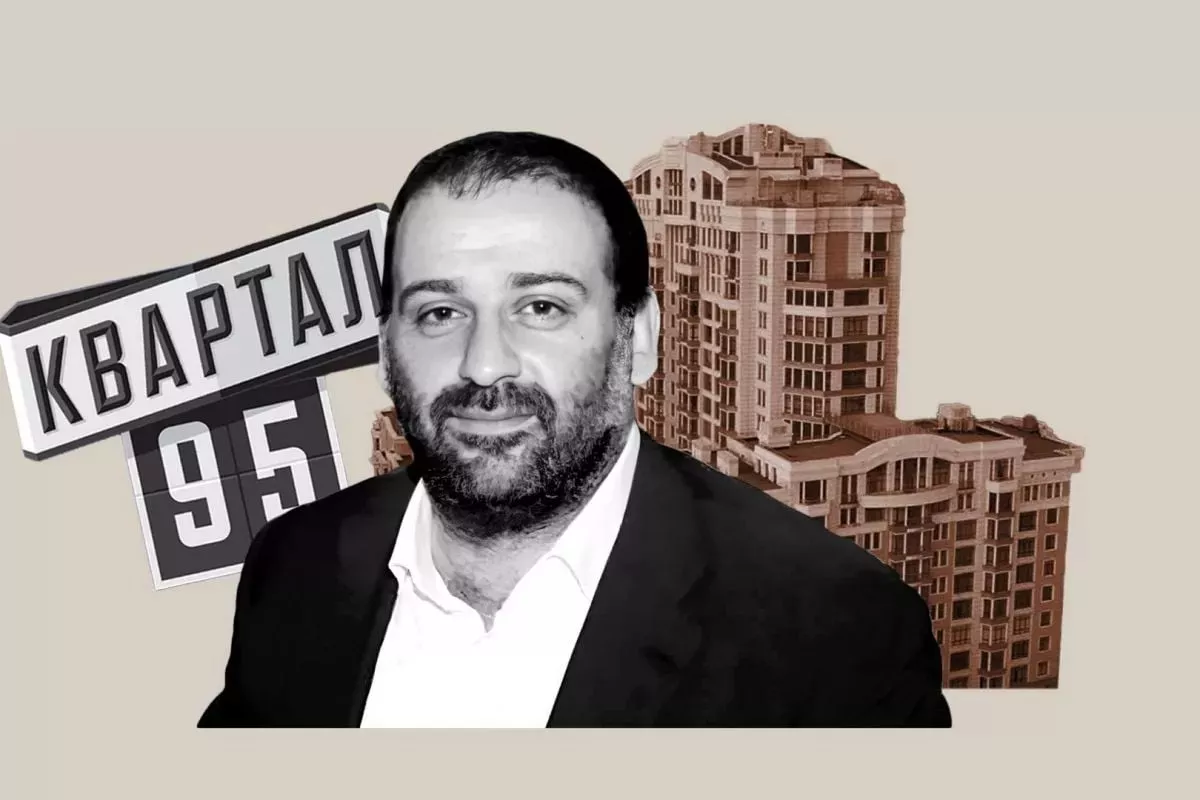
Another factor cannot be ignored—one that, to put it mildly, has further eroded the willingness of European elites and societies to sustain the same level of support for Kyiv. This is the scale of corruption in Ukraine, which has proven deeply unsettling. European media have previously devoted extensive attention to the so-called Mindich case, in which Timur Mindich and Oleksandr Tsukerman were accused of large-scale embezzlement in Ukraine’s energy sector, already teetering on the brink of collapse.
In recent days, Ukraine has been hit by yet another “information bomb.” Businessman Serhii Vahanyan gave a high-profile interview to former Verkhovna Rada deputy—and now one of the country’s most influential political bloggers—Boryslav Bereza. In substance, the interview amounted to a public accusation that a centralised corruption network operated within Ukraine’s Security Service in 2020–2021, during the tenure of its then head, Ivan Bakanov, with Andrii Naumov allegedly acting as its key informal overseer.
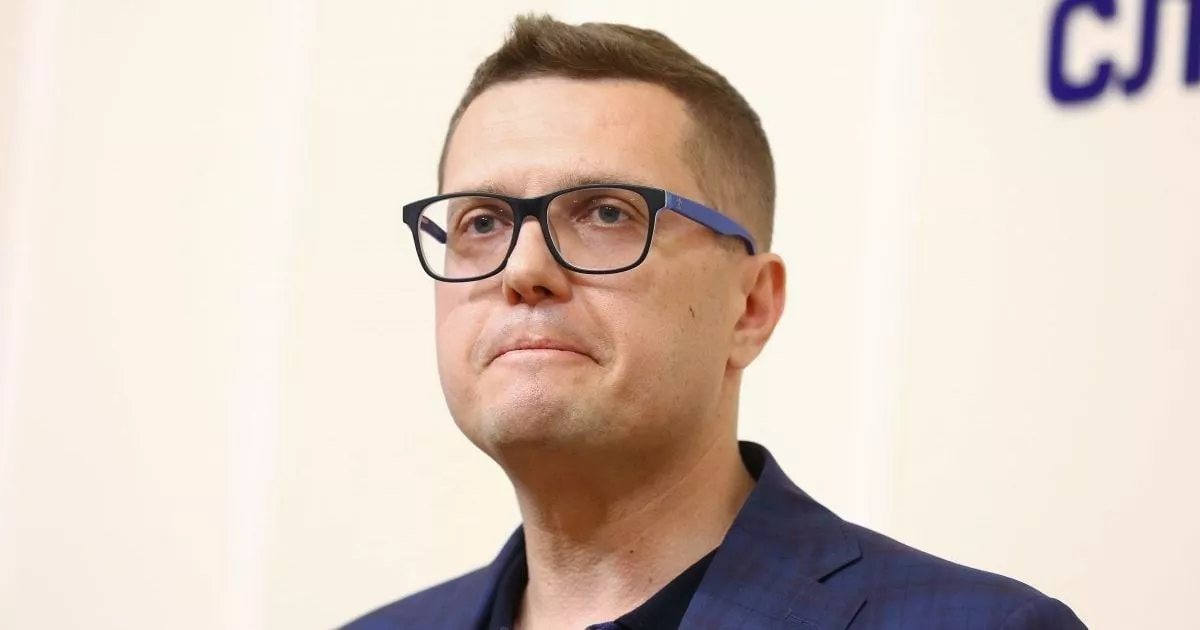
Notably, Ivan Bakanov—a classmate and close friend of Zelenskyy—had neither relevant education nor intelligence experience before his appointment. His rise to head the Security Service of Ukraine (SBU) was controversial from the start, yet the Ukrainian president publicly called him “the most honest head of the SBU in Ukraine’s history.” Following the outbreak of the full-scale war, Bakanov was dismissed, and virtually nothing is known about his subsequent fate—Zelenskyy has consistently avoided answering journalists’ questions about him directly.
A telling episode, recounted by Vahanyan, involved an offer to lead the Odesa Regional State Administration in June 2021. According to Vahanyan, the “price” was $20 million, and when he refused, he was told, “You have goods worth $44 million”—accompanied by a detailed breakdown of assets, companies, and beneficiaries. This episode provides direct evidence of the SBU’s pervasive control over business, far beyond its legal authority.
Vahanyan further described one of the most alarming elements of the scheme: the trade in National Security and Defence Council sanctions for personal enrichment. In some cases, even time was effectively “sold,” allowing businesses to re-register assets before restrictions formally took effect. One example is Vadym Iermolaiev, whose company is officially under sanctions yet continues to operate and secure government contracts in practice.
Adding to the controversy, the broadcast featured photographs that, according to Vahanyan, show Bakanov counting cash, money on Naumov’s desk, funds in Bakanov’s armoured vehicle, and joint photos from private events. The release of a related video was also announced. Even at this early stage, it is clear that these materials constitute a public accusation of specific individuals for systemic corruption, racketeering, and abuse of power.
In turn, Ivan Bakanov has dismissed the allegations, claiming they are “an attempt by supporters of Petro Poroshenko to undermine the parliamentary majority and force Zelenskyy to cede Ukrainian territory to Russia.” In doing so, he relied on familiar narratives about “Porokhobots” or “Kremlin agents,” commonly invoked whenever officials in the current Ukrainian administration face potential legal or political jeopardy.
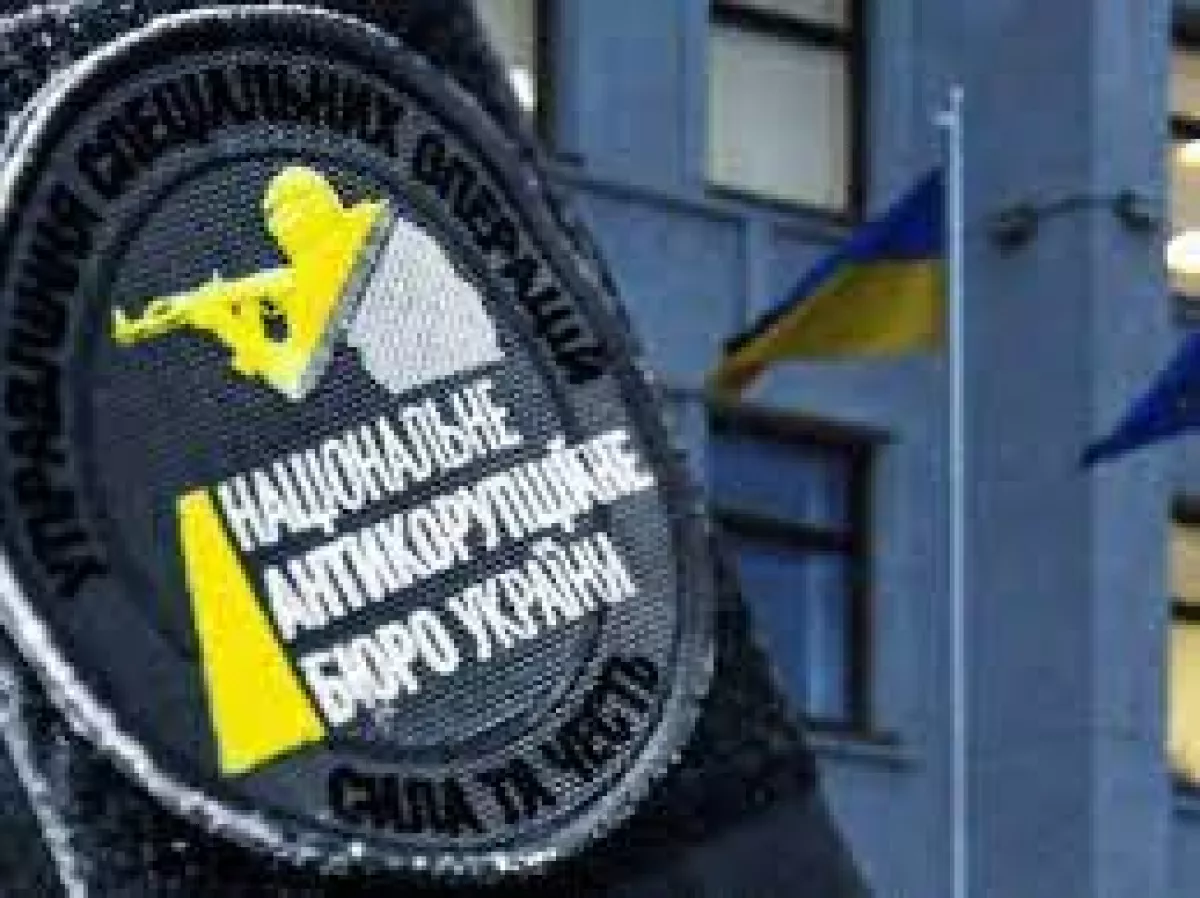
Meanwhile, Ukraine’s National Anti-Corruption Bureau has already opened an investigation under Article 368, Part 4 of the Criminal Code—covering the acceptance of illicit benefits by an official on an especially large scale or as part of an organized group—and Article 369, Part 4, which addresses offering or providing illicit benefits to an official in a position of particular responsibility in exchange for actions or inaction.
Against this backdrop, a pressing question emerges: can Europeans, faced with these high-profile corruption scandals involving close associates of President Zelenskyy, continue to support a war-torn country with the same level of trust as before? The answer, it appears, is both obvious and unequivocal.







 editor@caliber.az
 +994 55 444-88-98
 Азербайджан, Баку, ул. Низами, 203, Af Business House, 5-й этаж