










Geopolitical storm and Azerbaijan’s unique path When the whole world is stuck in a swamp of uncertainty
The results of a survey published in the French magazine Le Grand Continent proved truly shocking. The survey was conducted in late November across Belgium, Germany, Spain, Italy, the Netherlands, Poland, Portugal, France, and Croatia.
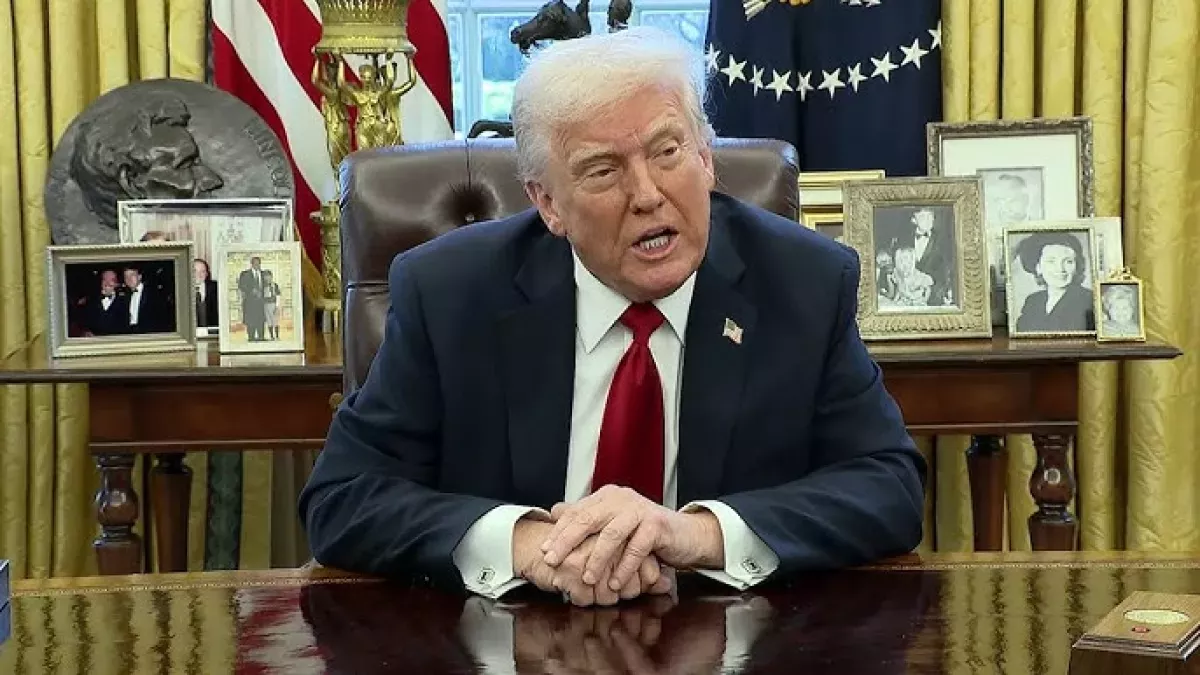
According to the results, out of nearly 10,000 respondents across the nine EU countries, 48% called Trump an “enemy of Europe.” The figures varied from 62% in Belgium to 19% in Poland (in these countries, 7% and 24% respectively called him a friend). As noted by Jean-Yves Dormagen, professor of political science and founder of the polling agency Cluster17, attitudes toward the U.S. president are becoming harsher – now far fewer people describe him as “neither friend nor foe” than in December 2024.
At the same time, a relative majority (51%) considers the risk of an open armed confrontation with Russia in the coming years to be high, with 18% viewing it as very high. According to Dormagen, such a result “would have been unthinkable just a few years ago and signals the shift of European opinion toward a new geopolitical regime in which the possibility of direct conflict on the continent is now widely accepted.”
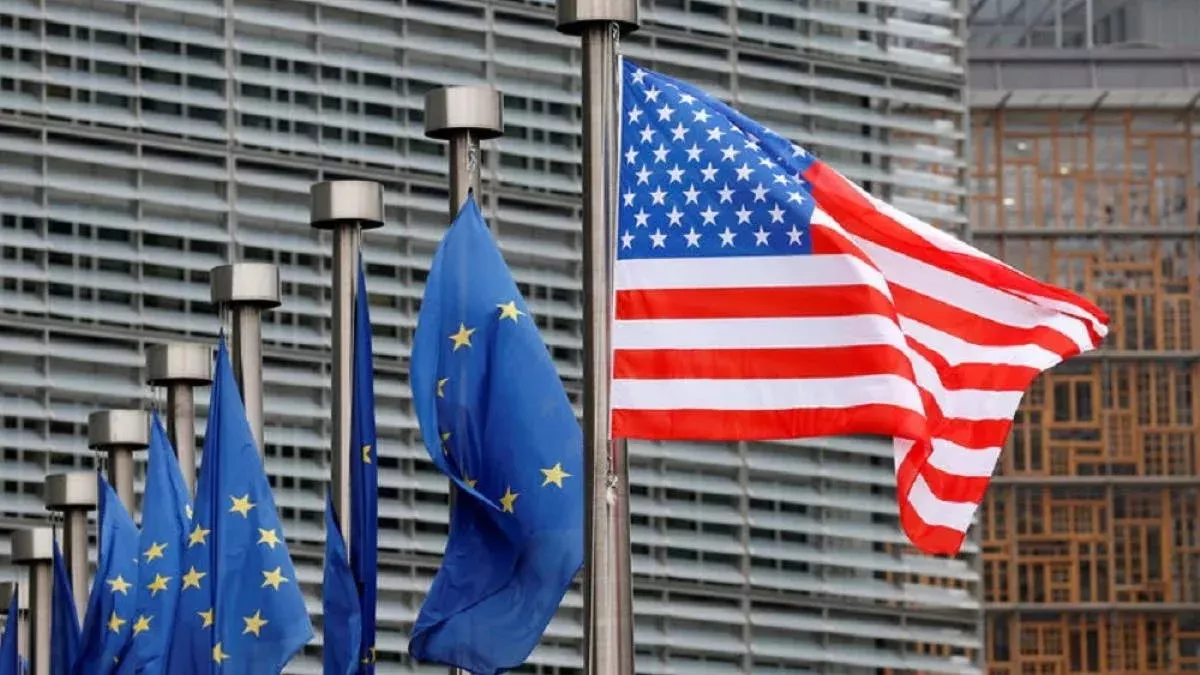
And this view cannot be disagreed with – such a scenario indeed reflects a profound reassessment of what Europe has traditionally considered its “security guarantee.” The world is thus on the threshold of a new phase: transatlantic relations are undergoing a “transformation,” and the EU is increasingly considering the need for “strategic autonomy,” since, from any perspective, current conflicts of interest touch the very foundations on which Europe’s postwar architecture was built.
A brief look into relatively recent history shows examples of serious ruptures in ties between the Old Continent and the U.S., particularly during the Cold War. Yet even in those tense times, relations were not so cold – regardless of circumstances, the United States was still seen as an ally and a guarantor of Europe’s security.
After the collapse of the Soviet Union, confrontation diminished, and EU–U.S. relations became more flexible, with a focus on economic cooperation, trade, investment, and cultural ties, though military and strategic connections also persisted. Today’s tensions, however, may run deeper than in the past, as they involve a reassessment of the United States’ role in ensuring European security and a reconsideration of the entire transatlantic system.
It is perfectly clear that if Europe ultimately stops seeing the United States as an unwavering guarantor of security, this will create a trust vacuum. Consequently, post-Soviet republics, situated at the intersection of major global powers’ interests, will face even greater uncertainty, which, in turn, will trigger a reassessment of geopolitical alliances. Some countries may no longer rely on a single global patron but instead seek to balance between multiple centres of power, potentially intensifying competition for influence from Russia, China, and regional actors. Moreover, in a context of declining global guarantees, regional states will be compelled to rely on their own capacities – strengthening economic and military development and consolidating sovereignty.
For many former Soviet states, this scenario represents both a threat and an opportunity. On one hand, there are fewer external guarantees; on the other, there is greater independence and the possibility to pursue flexible, autonomous policies. In this regard, the example of Azerbaijan is illustrative, as its strategy is marked by pragmatism and foresight.
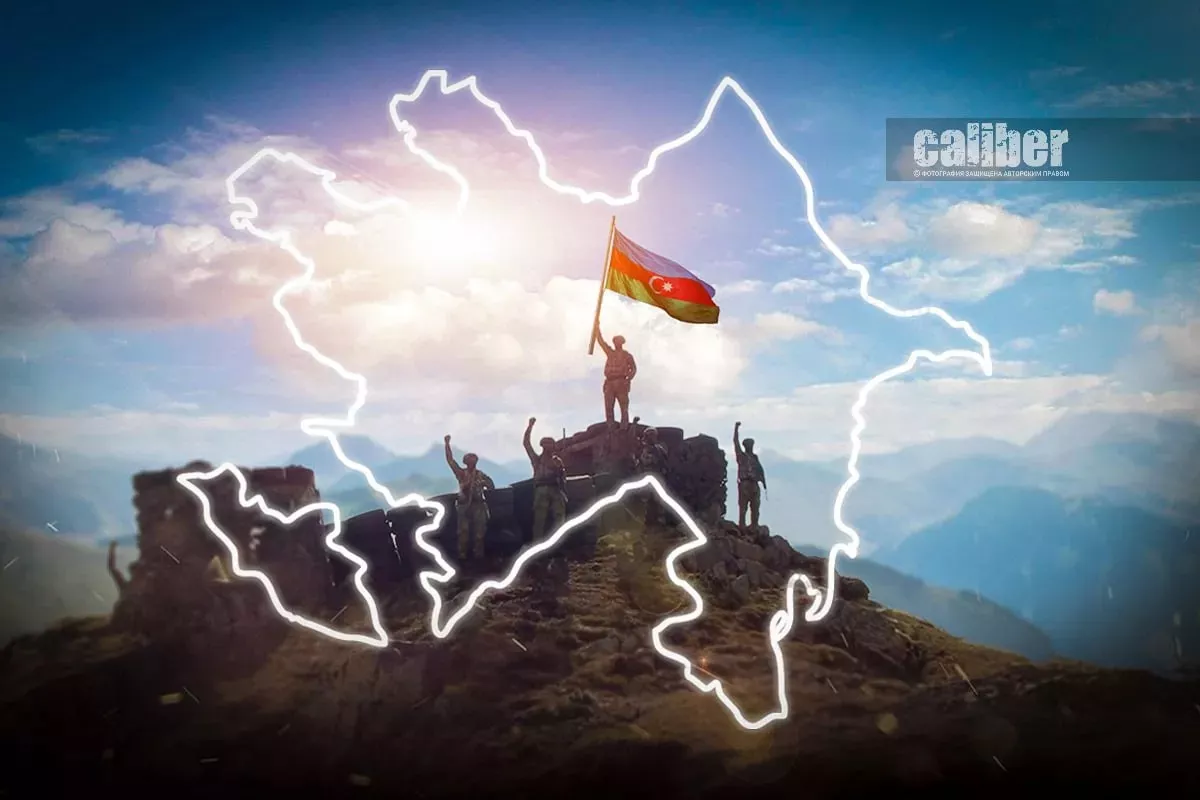
Historically, Azerbaijan has never relied on any external “guarantors” of security, whether the United States, Europe, Russia, or China. The country has focused on its own capacities, steadily developing its economy, strengthening its military, and building institutional stability. As a result, the Republic of Azerbaijan independently restored its territorial integrity, despite external pressures and the expectations of the co-chair countries of the now-defunct OSCE Minsk Group.
In a context where global alliances are fracturing and Europe increasingly questions the reliability of the United States, the Azerbaijani model stands out as an example of a rational path. Today, as the world becomes more multipolar, independence from external “guarantors” proves to be a strong advantage. Essentially, it is the protection of national sovereignty through economic resilience, military capability, and internal consolidation, rather than through Russian, European, or American “patronage.” This is a carefully planned and brilliantly executed strategy of President Ilham Aliyev.







 editor@caliber.az
 +994 55 444-88-98
 Азербайджан, Баку, ул. Низами, 203, Af Business House, 5-й этаж