










Karabakh and Zangezur set for tourism boom Azerbaijan opens doors to the world
One of the strategic objectives of the Azerbaijani government is to transform the Karabakh region into a key international-level tourism hub. Developing the recreational potential of the liberated territories is included in the “First State Program for the Great Return to the Liberated Territories of Azerbaijan.”
Over the past five years, the region has seen active development of specialised infrastructure, construction of hotels and leisure zones, restoration of historical monuments, and the creation of tourism development plans for the villages of Dashalti and Tugh, the towns of Hadrut and Sugovushan, the city of Shusha, and others. The success of these efforts in enhancing Karabakh’s tourism potential was recently assessed by members of the NomadMania club—79 guests from 37 countries who visited the revitalising cities of the region.
As the Shusha, Lachin, Kalbajar, Gubadli, Zangilan, Fuzuli, and Khojavend districts are revitalised, competitive tourist destinations are actively taking shape, including through the utilisation of rural areas and scenic natural landscapes. Mountaineering and winter sports will be actively developed, alongside thermal and hunting tourism, while “green,” ethnographic, and agrotourism initiatives will also be promoted.
The region boasts key advantages such as the Istisu mineral springs, forests, high-altitude lakes, and favourable climatic conditions. The full-flowing Hakari River, along with other mountain rivers and lakes, provides significant potential for water-based recreation and active sports tourism in general.
In particular, the Aghdara district and surrounding areas, with their dense forests, mountainous terrain, and natural landscapes, offer excellent conditions for nature tourism and ecotourism. The horticultural and agricultural potential being developed in the Aghdam and Fuzuli districts opens up significant opportunities for agrotourism.
At the same time, ancient Albanian churches, mosques, and other Islamic heritage sites offer considerable potential for cultural and historical tourism, including attracting visitors from Central Asia, the Middle East, and beyond.
Unlocking the recreational potential mentioned above is one of the key objectives of the First State Program for the Great Return. Although demining operations continue on the liberated lands, primary infrastructure is already being successfully established, cities and villages are being rebuilt, and, importantly, the development of tourism potential is advancing in parallel. In several locations, hotels, leisure zones, and balneological resorts are being planned and constructed.
In 2023, the State Tourism Agency (STA) developed a concept for the tourism potential of the Kalbajar district, followed in 2025 by a similar plan for the Lachin district. In particular, work is underway to develop a recreational and balneological zone in Kalbajar, rich in thermal and mineral healing springs. In the city of Lachin, seven parks are being created, a recreational centre is being established on the banks of the Hakari River, and a 1,720-metre cable car is under construction.
STA specialists have also prepared tourism development concepts for the villages of Dashalti and Tugh, as well as for the towns of Hadrut and Sugovushan. In Sugovushan, tourist infrastructure has been created, including a 7.5-hectare park near the reservoir, and efforts are underway to establish the Tugh State Historical, Architectural, and Natural Reserve.
In the city of Shusha, the focus of tourist destinations will be on the cultural heritage of the liberated territories. In Fuzuli and several other districts, a programme of trips along the “Victory Road” tourist route is being implemented, including routes such as Yolumuz Ağdama, Yolumuz Füzuliyə, and Yolumuz Xocavəndə.
Additionally, the Karabakh Regional Tourism Administration has been established, along with other institutional measures aimed at creating new tourist products, developing recreational zones, hosting tourism-related events, and conducting marketing and communication activities.
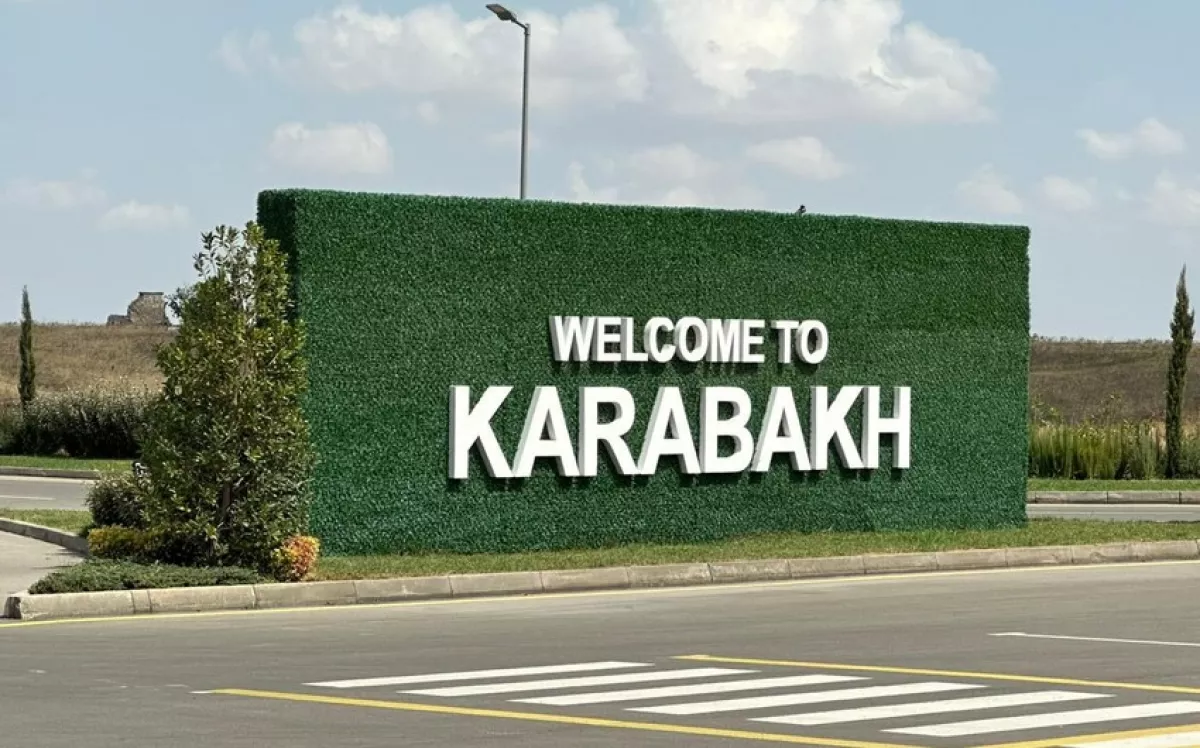
The main strategic approach of the State Tourism Agency (STA) is to transform the liberated territories into an accessible and high-quality destination for domestic tourism, while ensuring the effective utilisation of the region’s promising recreational opportunities. In the long term, the recreational sector in the Karabakh region is expected to play a key role in developing inbound tourism, which could become an important source of export revenue for the country.
The tourism sector is also crucial for employment in Karabakh and East Zangezur: it is projected that by 2030, the recreational industry will create more than 2,000 permanent jobs in the region.
The effectiveness of the work carried out in recent years is evident. In a remarkably short period, three international-level airports have been opened in the region—in Fuzuli, Zangilan, and Lachin—since a well-developed “short-haul aviation network” is essential for accommodating large numbers of foreign tourists.
At the same time, a robust hotel infrastructure is being developed to support tourism in the Karabakh region. In particular, the Shusha, Lachin, Kalbajar, and Tartar districts have seen several years of construction of tourist and balneological facilities. The most intensive work has taken place in Shusha, where three hotels—the Qarabağ Hotel, Avan Shusha Plaza Hotel, and Kharibulbul Hotel—have been restored and are operational. Plans are also underway to build boutique hotels, guesthouses, and hostels in the city and its suburbs, with construction soon beginning on the high-end five-star Qarabağ Zəfər hotel complex.
Development of the recreational sector is advancing in other districts as well. Last year, hotels such as Bulud, Safali, Shafag, Yurd, and Gizil Gul opened in Khankendi; the Khojavend Hotel opened in Khojavend; and the Aghdara and Riverside Hotel opened in the city of Aghdara. In Lachin, the Lachin Hotel & Resort began operations, while Shusha’s hotel cluster expanded with the Yasemen Hotel, and Zangilan saw the opening of the Aghali Hotel.
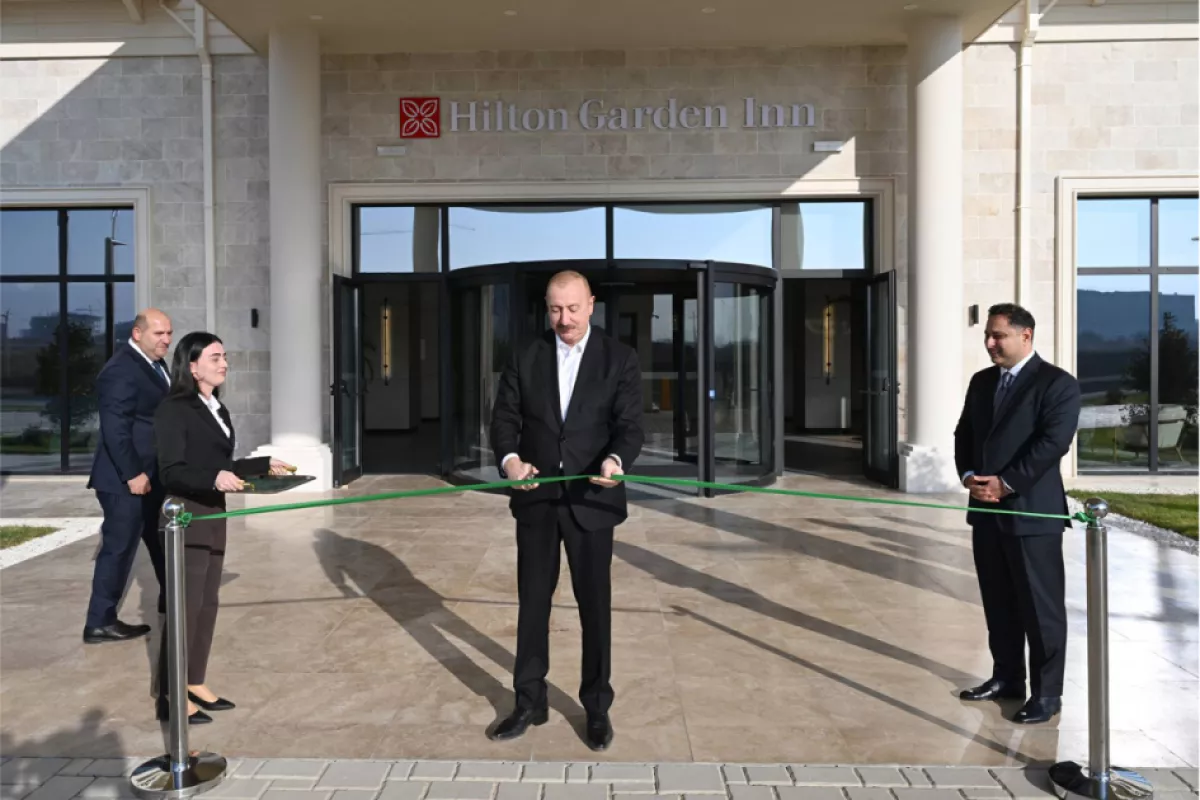
Meanwhile, Azerbaijan is actively attracting international hotel brands to the Karabakh region. In December of last year, with the participation of the Head of State, the first such establishment opened in Aghdam—the Hilton Garden Inn Agdam.
Azerbaijan has also intensified efforts to promote the recreational potential of Karabakh. To this end, the region’s tourism opportunities are showcased at international exhibitions and other specialised forums, attracting potential investors. A key step in advancing the recreational appeal of the liberated territories is engaging international tourism organisations, bloggers, and media representatives.
A recent example of this approach was the visit by a group of travellers from the globally renowned NomadMania international travel club. Between 2020 and 2025, international travellers affiliated with leading world travel clubs, including NomadMania, completed 15 expeditions to Karabakh and East Zangezur. The latest, sixteenth expedition—comprising 79 travellers from 37 countries—became the most prominent international expedition to date.
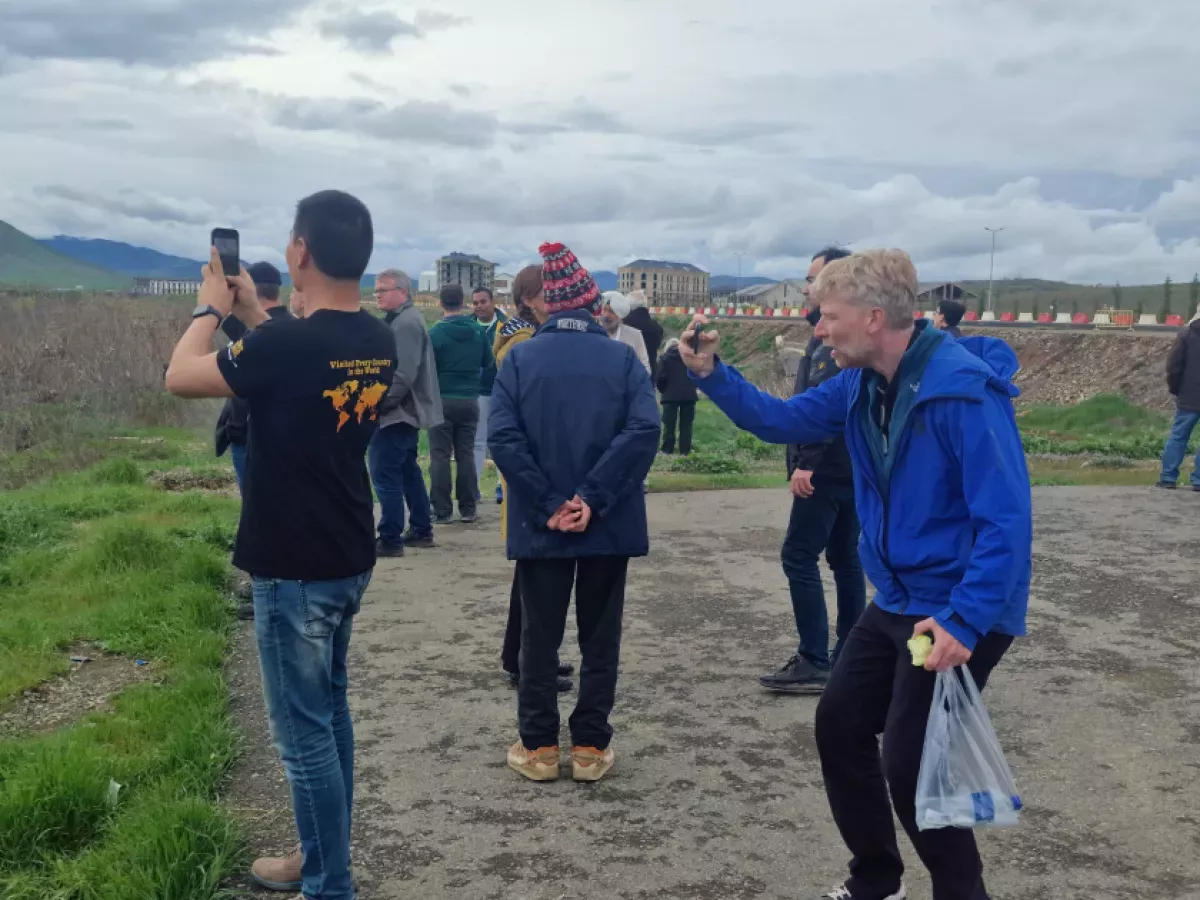
“Karabakh will become a very attractive destination for tourists in the future,” noted Italian traveller Alessandro Giovanni Gerevini. “This is my first visit to Karabakh. The nature here is beautiful, and in the future, this place will likely attract many more travellers.”
During their trip, the group visited the cities of Shusha, Khankendi, Aghdam, Lachin, Fuzuli, and Zangilan, exploring cultural and historical monuments and witnessing the extensive reconstruction and construction work underway. This visit holds exceptional significance for promoting the liberated territories within the framework of so-called black tourism, allowing the guests to personally assess the hotel and broader tourism potential of the region.







 editor@caliber.az
 +994 55 444-88-98
 Азербайджан, Баку, ул. Низами, 203, Af Business House, 5-й этаж