










Ottawa’s countermove How Canada is building a “unique alliance” with Europe
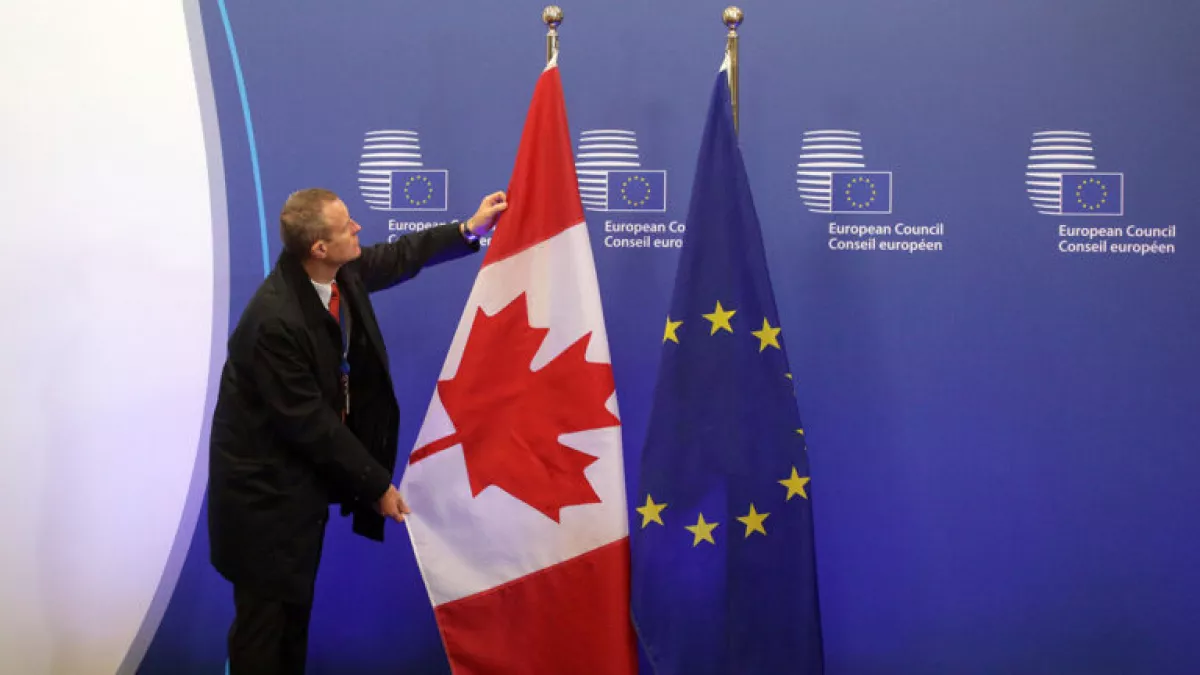
Prime Minister Mark Carney’s statement that Ottawa does not intend to become integrated into the EU’s institutional framework, but instead wants to build a unique alliance with Brussels, has pushed closer Canada-Europe ties to the forefront of the geopolitical agenda. Wall Street Journal journalists, citing diplomatic sources, report that Carney is preparing to visit the European Parliament, where he is expected to formally propose the concept of “associate membership”.
The proposal would involve deep integration in areas such as technology sharing, labour mobility and cooperation in critical sectors — from artificial intelligence and energy to rare-mineral extraction and arms production. At the same time, experts stress that Canada is not seeking to join the EU. Instead, the two sides are exploring an entirely new legal framework — one that would go far beyond a conventional trade partnership while allowing Canada to retain its sovereignty and avoid integration into the EU’s supranational institutions.
The North American rift
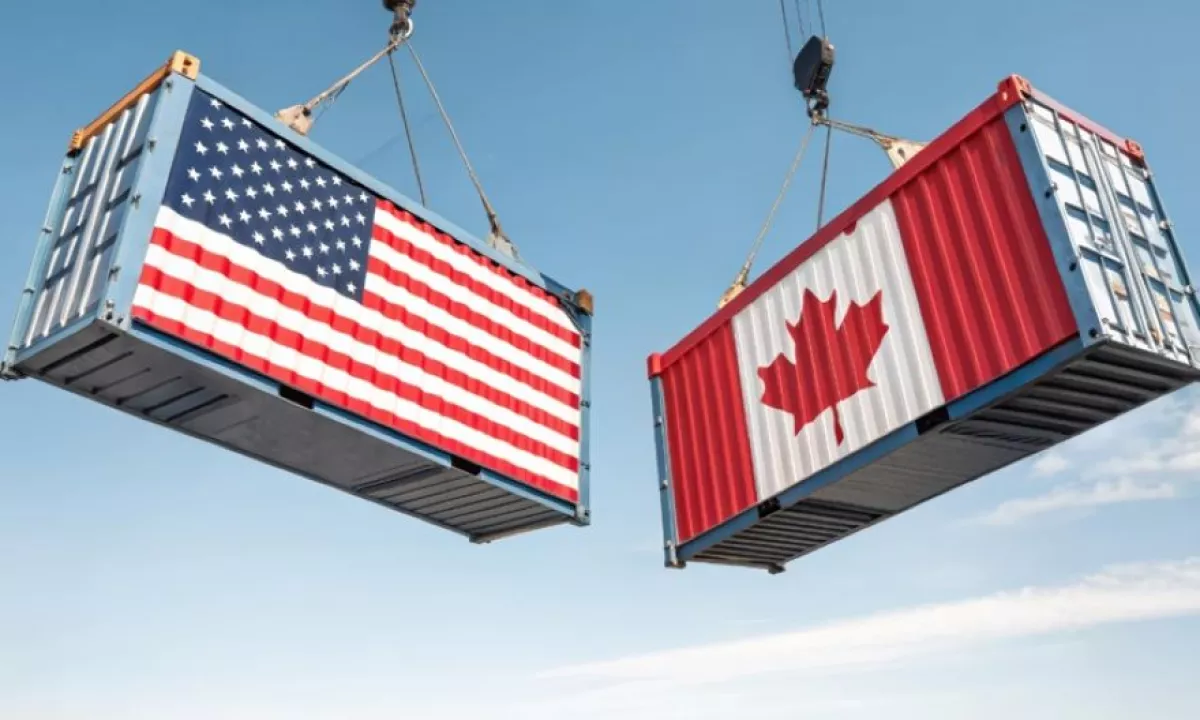
The immediate trigger for such a radical reassessment of Canadian foreign policy was the deepening crisis in relations with the United States. The trade war escalated gradually: first, the White House imposed tariffs on Canadian steel and aluminium, prompting Ottawa to retaliate with matching duties. Washington then raised tariffs by another 10%, and by the end of summer 2026, the confrontation had reached an unprecedented level. The US imposed 50% tariffs on Canadian goods worth around $20 billion.
Ottawa responded forcefully, introducing dollar-for-dollar retaliatory tariffs on September 8. More than 700 categories of US exports were targeted, including household appliances, electronics and agricultural products. To support domestic industry, the government allocated C$7.5 billion in emergency assistance to businesses. The urgent effort to diversify trade has already produced results: the share of Canadian exports going to the United States has fallen from the traditional 75% to 66%.
The White House responded in kind. Donald Trump signed executive orders banning imports of Canadian alcohol, motorcycles and dairy products, while also threatening to block Bombardier aircraft from the US market. The confrontation has also taken on a symbolic dimension. A US executive order directing federal agencies to use the name “Lake America” for Lake Ontario on domestic maps, together with Trump’s repeated remarks about Canada becoming the “51st state”, triggered a strong backlash in Ottawa. Mark Carney’s response was characteristically blunt: Canada is not for sale.
Europe as a strategic backstop
Despite the tough rhetoric, Canada’s leadership has no illusions about completely distancing itself from its southern neighbour. The world’s longest international land border and deeply integrated economies make the United States a natural partner that Canada cannot simply do without. Carney’s goal is not to sever these ties, but to reduce Washington’s ability to exploit Canada’s economic vulnerabilities as a means of political coercion.
Against this backdrop, the European Union is emerging as a second strategic pillar. The foundation has already been laid: following the signing of an updated security agreement, Canada became the first non-European country to gain access to the EU’s SAFE defence programme. The arrangement is already producing tangible results: Montreal-based Marconi Technologies has secured a major contract to supply tactical radios to European armed forces.
For Brussels, which has been seeking new ways to deepen cooperation with partners — particularly after Iceland definitively abandoned its plans to join the bloc — the Canadian initiative offers a convenient pilot project. The EU gains a reliable partner in North America, while Canada gains an opportunity to integrate into European technology and defence supply chains.

The Arctic dimension and prospects
The Arctic gives this emerging alliance additional strategic weight. Against the backdrop of growing Russian and Chinese activity in the region, Brussels has a strong interest in strengthening its presence in the northern latitudes. Closer cooperation between Ottawa and Europe could create a new North Atlantic security framework encompassing control of trade routes and access to natural resources.
Clearly, establishing such a status in legal terms will take time. EU law contains no ready-made mechanism for this kind of arrangement, while Ottawa will also carefully calibrate the depth of integration, seeking to avoid creating new vulnerabilities to political pressure from the United States. Nevertheless, Mark Carney’s address to the European Parliament could establish the main strategic direction: Canada is building a pragmatic European backstop, creating a precedent that could reshape the architecture of transatlantic relations far more profoundly than any conventional expansion of the European Union’s borders.







 editor@caliber.az
 +994 55 444-88-98
 Азербайджан, Баку, ул. Низами, 203, Af Business House, 5-й этаж