










Red lines and cold calculations US and China brace for a tough dialogue
Relations between the two superpowers – China and the United States – have never been smooth. They can rather be described as a dynamic combining a fierce struggle for technological and military supremacy with a forced economic interdependence.
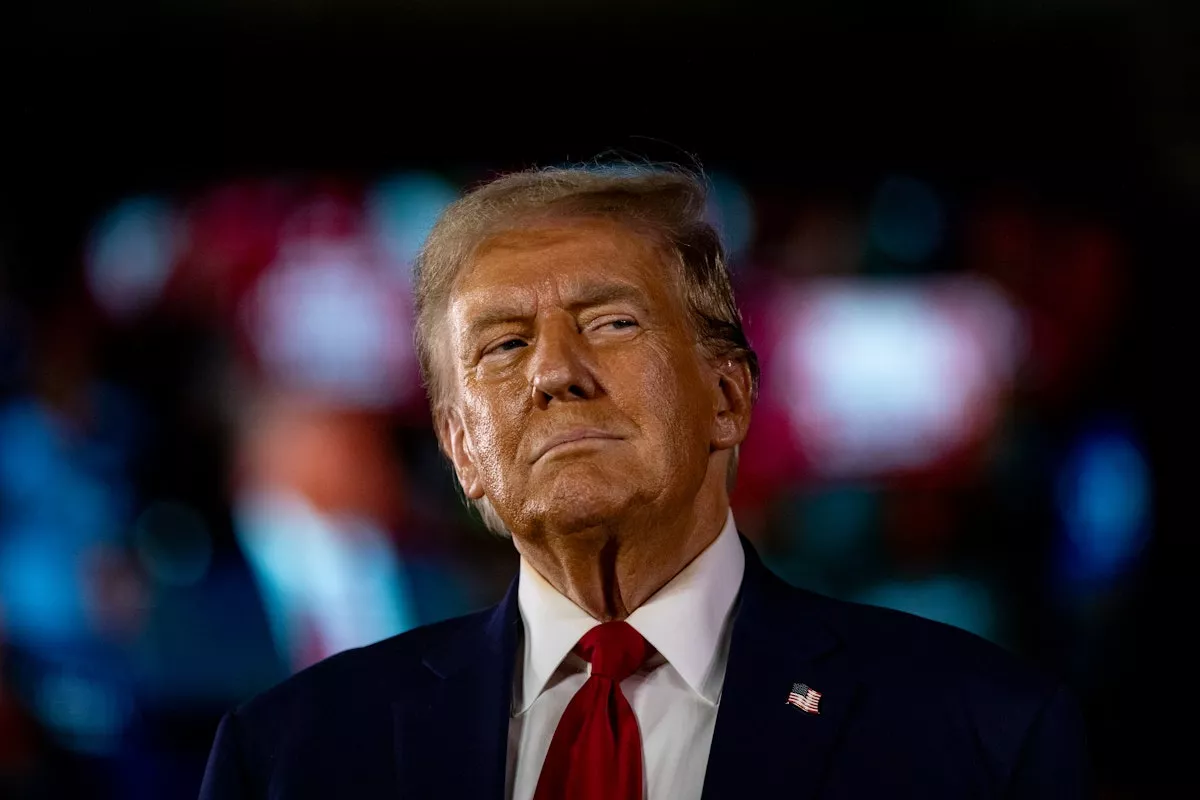
However, the long-standing tension in US–China relations may ease somewhat at present. At least, recent statements by the US president suggest some optimism. According to the Chinese Foreign Ministry’s press service, during a phone call with the Chinese president, the White House leader called the US–China relationship “the most important bilateral relationship in the world,” noted that he has excellent relations with Xi Jinping, and stated that under his leadership, and that of the Chinese leader, the two countries have been able to establish cooperation in trade and the economy.
Later, in an interview with NBC News, Trump announced planned meetings with the Chinese leader this year: “I’m gonna be going there [China] in April, then he’s [Xi Jinping] coming here toward the end of the year.”
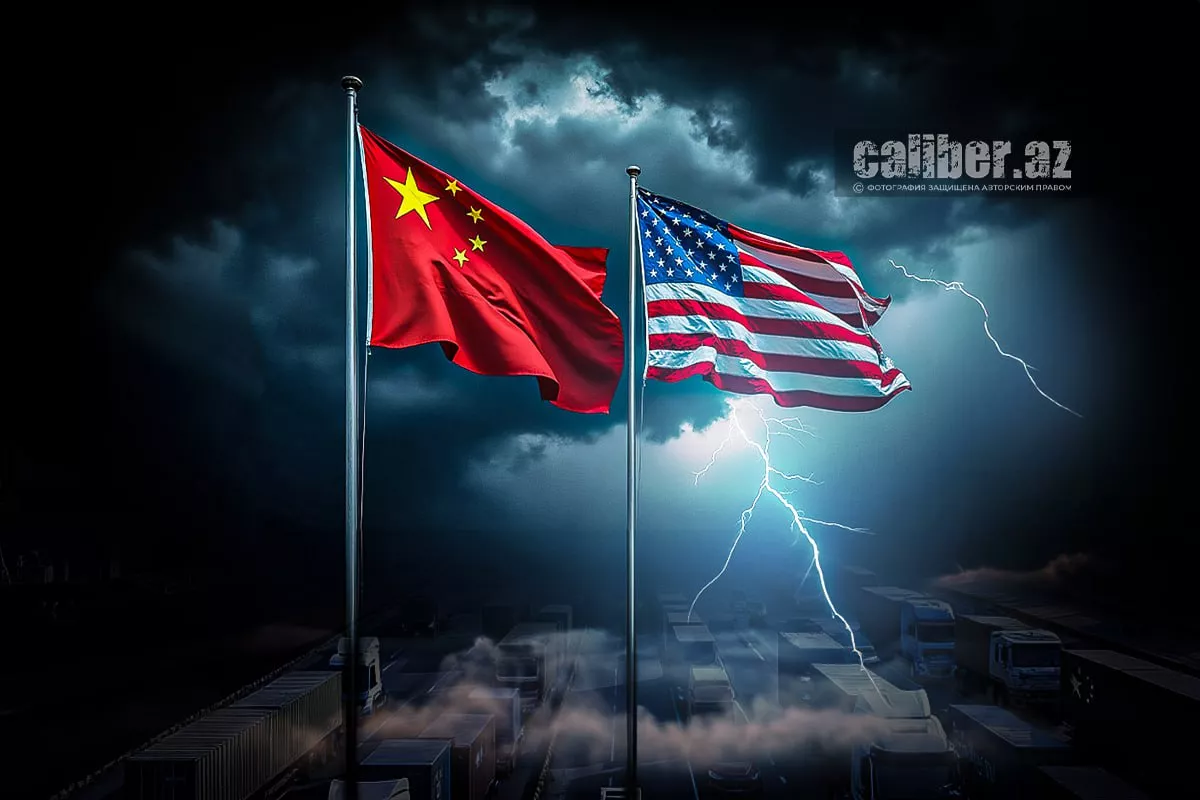
So, before analysing the upcoming high-level US–China talks, let us first consider the key aspects of the foreign policy agendas of both countries. To begin with, it should be noted that they are competing to shape the global order, which makes their relationship a case of traditional strategic rivalry. Significant political disagreements play no small role here, particularly regarding Taiwan, the South China Sea, and many other elements of the international system.
To be frank, Taiwan is the very point of confrontation that defines the limits of what is acceptable in the US–China rivalry. It is therefore quite logical to assume that any serious crisis in the Taiwan Strait could escalate into a systemic conflict. In this context, it is hardly surprising that the United States views Taiwan as a strategic foothold in the Indo-Pacific region and as a tool to contain China, providing diplomatic support and military assistance to the island. Naturally, this introduces an element of confrontation into US–China relations.
According to the Chinese Foreign Ministry, the total value of US military supplies to Taiwan over the past few years has exceeded $70 billion, and this does not appear to be the limit. In April last year, Dan Caine, nominated by Donald Trump as Chairman of the Joint Chiefs of Staff, reassured the public that the United States would continue to assist the island in maintaining its defensive capabilities. Continuing along these lines, in November 2025, the State Department approved a possible sale to Taiwan of spare parts for American F-16 fighter jets, as well as C-130 transport aircraft, with a total value of $330 million. This was reported by the Pentagon’s Defense Security Cooperation Agency, which oversees military equipment and arms sales abroad under intergovernmental contracts.
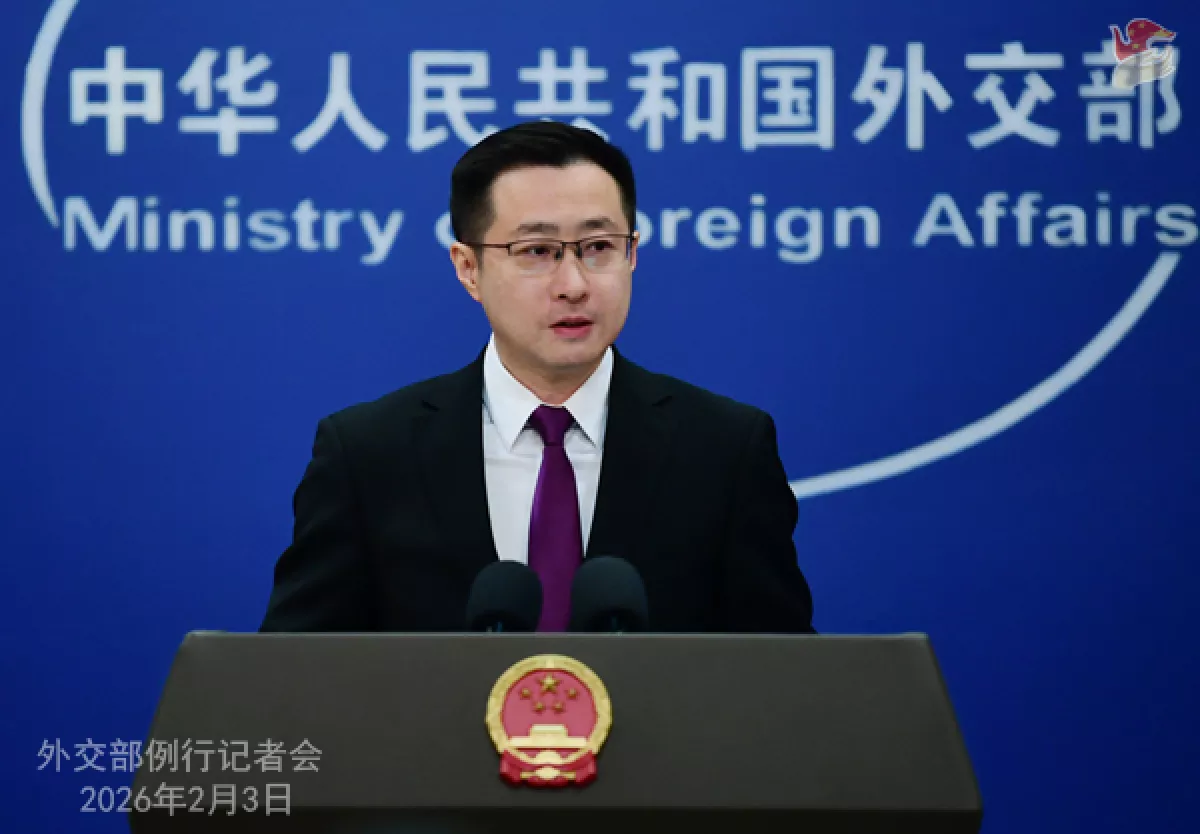
Unsurprisingly, this did not go unnoticed in Beijing, which strongly condemned the first military deal with the island approved during Trump’s second term. In particular, Chinese Foreign Ministry spokesperson Lin Jian stated that “The U.S.’s arms sale to China’s Taiwan region grossly violates the one-China principle and the three China-U.S. joint communiqués, especially the August 17 Communiqué of 1982, infringes on China’s sovereignty and security interests, contravenes international law, and sends a gravely wrong signal to ‘Taiwan independence’ separatist forces.” Official Beijing also warned Washington that it would take all necessary measures to safeguard its sovereignty, security, and territorial integrity.
Thus, statements by Chinese officials confirm what we noted earlier: any steps toward recognising the island’s independence are viewed by China as crossing a “red line,” which could lead to a range of possible developments.
Based on the above, it is highly likely that the Taiwan issue will be discussed in detail during the upcoming US–China leaders’ talks. Will the two sides reach a compromise on this matter after meetings in Beijing and Washington? We consider this unlikely, even though neither the United States nor China is interested in direct military confrontation. This contentious issue may remain within the framework of a managed confrontation, but the fundamental rivalry between the two countries over the island is set to continue. This is the first key point.

Secondly, the talks between Donald Trump and Xi Jinping will inevitably address the Russia–China relationship through the lens of the Russia–Ukraine war. As early as July 2022, then-US Secretary of State Antony Blinken questioned China’s neutrality, accusing Beijing of supporting Russia, and in April 2024, Washington accused Beijing of providing Moscow with geospatial intelligence.
Equally important is the perception in Washington that closer ties between Russia and China pose a potential threat to American trade and economic interests. The US fully recognises that closer relations with Moscow offer China a range of economic advantages, including access to cheap natural resources, advanced military technologies, and backing in the UN Security Council.
At the same time, competition between China and the US in the trade and economic sphere is intensifying against a backdrop of trade restrictions, sanctions, and a struggle for leadership in high-tech industries. Given Donald Trump’s “America First” doctrine, this trend is likely to continue, and it is possible that the United States could soon impose new tariffs and tighten restrictions on Chinese companies and imports.
The third aspect of the planned US–China talks can be considered in a purely hypothetical context. If the United States and Iran do not enter into direct military confrontation before April this year—a possibility that cannot be ruled out—then the discussions may also address China’s support for the Islamic Republic, which Beijing provides to counter American influence in the Middle East. This is an obvious fact, closely linked not so much to geopolitics as to economics and energy.
As is well known, Iran is a major supplier of oil and gas and a significant player in the global energy market. Chinese support helps the Islamic Republic maintain stable economic ties and access to markets despite American sanctions—through banks, technology, and infrastructure projects. By supporting Iran, China not only mitigates the risk of total American dominance in the Middle East but also strengthens its own position in the region, pursuing its own geopolitical and geo-economic interests, particularly in energy.
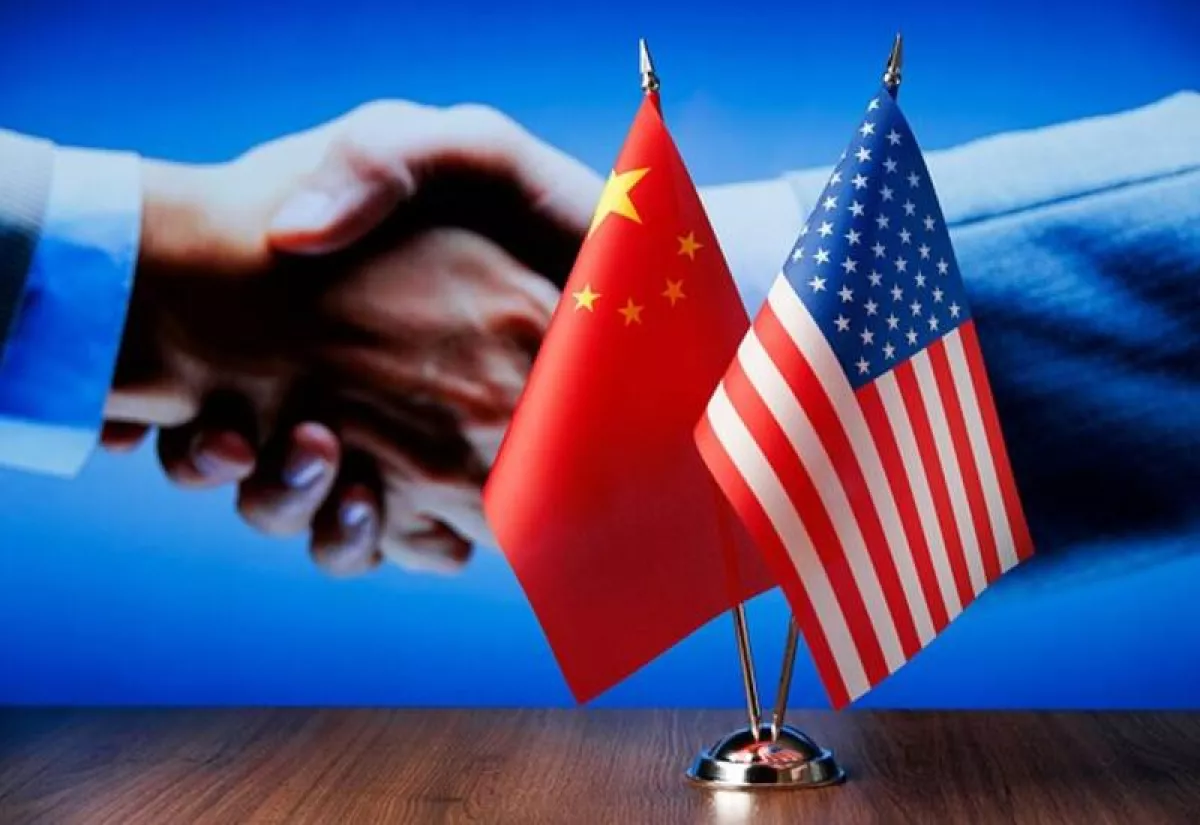
Thus, it can be assumed that the upcoming US–China talks will be tense. However, thanks to the positive attitude of the White House leader, the two sides may be able to reach common ground on a number of economic issues within the US–China agenda.







 editor@caliber.az
 +994 55 444-88-98
 Азербайджан, Баку, ул. Низами, 203, Af Business House, 5-й этаж