










Trump’s race against time What his latest interview revealed
Donald Trump’s 20-minute interview with Glenn Beck on August 26 clearly highlighted the White House’s biggest headache ahead of the November midterm elections for Congress. There is almost no time left, and voters are no longer satisfied with attractive promises and bold statements. They want tangible, measurable results that they can feel in their wallets and in their everyday lives.

The conversation symbolically began and ended with domestic issues. Trump mentioned that he had ordered government flags to be flown at half-staff in memory of “the queen of country music,” Dolly Parton, who died on August 25 at the age of 80. He then discussed with the host possible ways to stabilise the beef market — an issue that directly affects both farmers and consumers in several key states. Beneath this almost mundane backdrop, however, the administration’s main vulnerability is clearly visible: persistently rising prices and the overall cost of living.
Trump continues to prefer shifting the blame onto the previous administration of Joe Biden. But as the elections draw closer, voter scepticism is becoming increasingly apparent. People are increasingly viewing such explanations as an attempt to evade responsibility rather than as a workable strategy.
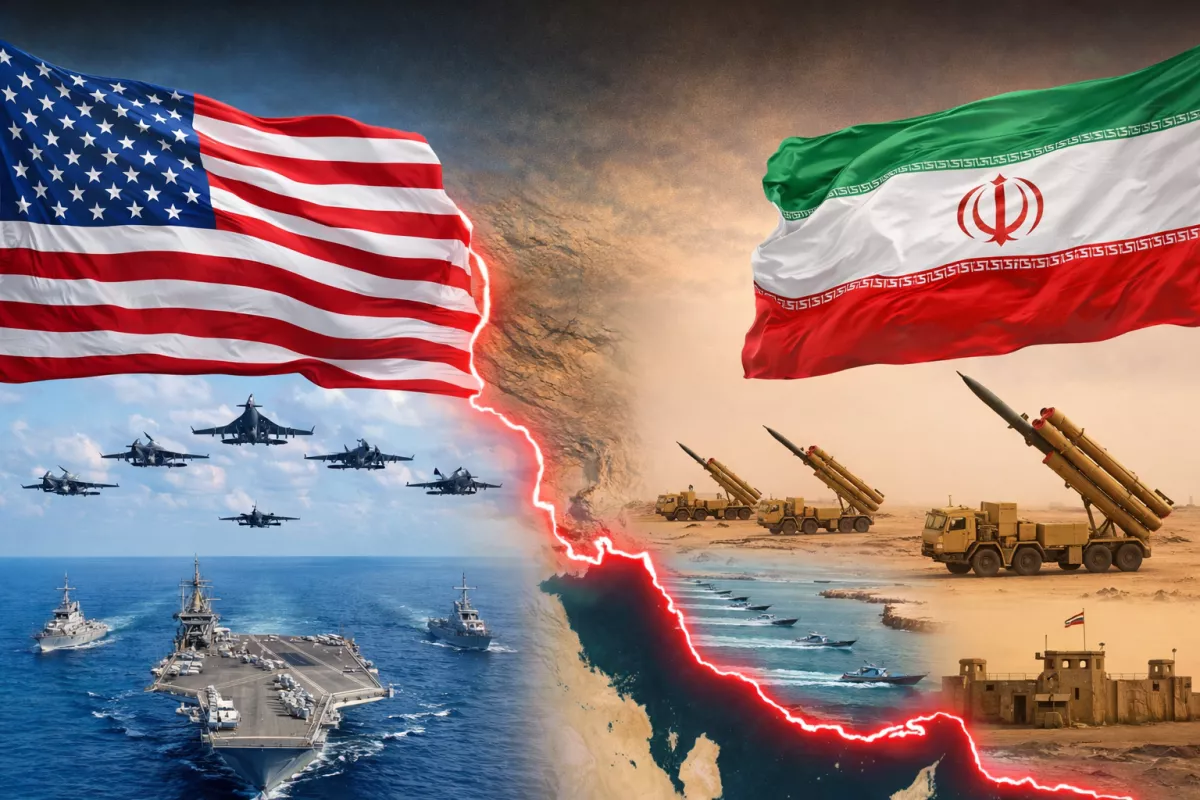
To bring inflation down in a meaningful way, the White House needs a relatively swift and convincing resolution to the conflict surrounding Iran. This remains one of the key drivers behind the surge in fuel prices and, consequently, the rising cost of a broad range of consumer goods. During the interview, Trump spoke of a “big victory” and the resumption of shipping through the Strait of Hormuz.
Experts, however, are considerably more cautious. After years of sanctions and pressure, Tehran has learned how to adapt to isolation. In their view, expecting a quick capitulation under external pressure would be naïve. A prolonged conflict would continue to fuel inflationary pressures inside the United States and directly undermine the president’s approval ratings.
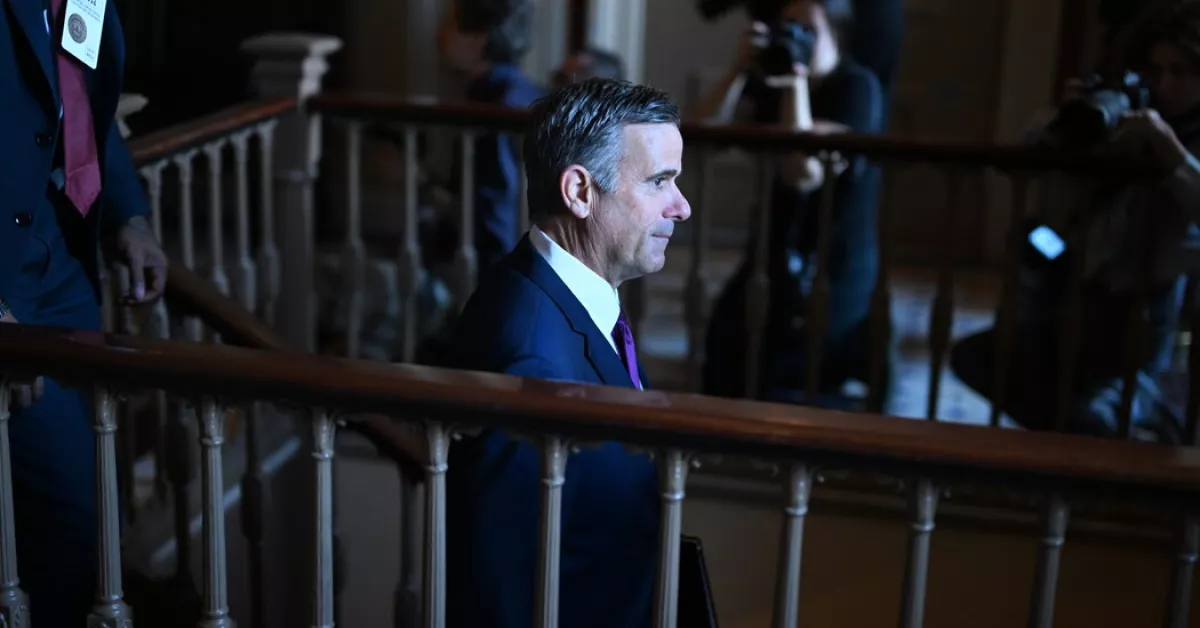
At the same time, Trump sought to downplay the significance of CIA Director John Ratcliffe’s secret trip to Moscow as much as possible, describing it as merely a “working visit.” But the very fact that the trip took place suggests otherwise. The head of the U.S. intelligence agency had not visited Russia since November 2021, which in itself is a significant signal.
Analysts believe Ratcliffe was carrying a fairly tough package of warnings: not to provide Tehran with intelligence in an effort to circumvent the U.S. blockade, to refrain from destabilising NATO’s eastern flank, and at the same time to explore possible approaches to ending the war in Ukraine. The White House was clearly seeking to mitigate both reputational and geopolitical risks for the United States simultaneously.
Against this backdrop, the Canadian angle stands out particularly clearly. Here, Trump can move quickly, with little need for lengthy diplomatic procedures or consultations. Following the collapse of trade negotiations, he imposed 50% tariffs on Canadian imports, publicly called his northern neighbour “one of the worst countries in the world to deal with,” and then, on August 27, signed an executive order renaming Lake Ontario “Lake America.”
Unlike the complex and protracted situations involving Iran and Russia, the president’s approach toward Canada allows him to demonstrate toughness, speed, and a willingness to take highly visible actions in front of voters. Such moves are easy for the public to understand and can reinforce his image as a decisive leader.
Ultimately, the interview with Glenn Beck laid bare the central challenge facing the current administration. Trump urgently needs quick and visible victories at home. But achieving them without at least partially resolving the foreign-policy knots is extremely difficult. And the cost of allowing these processes to drag on is rising with every passing day — both politically and economically.







 editor@caliber.az
 +994 55 444-88-98
 Азербайджан, Баку, ул. Низами, 203, Af Business House, 5-й этаж