










Türkiye in the EU spotlight Peacekeeping, security, and frozen integration
Last week’s visit of EU Enlargement Commissioner Marta Kos to Ankara attracted significant attention from the international community and global media.

In particular, the reputable outlet Politico, highlighting the goals of this visit, focused on the European Union’s perception of Ankara’s peacekeeping role: “After years of looking at Turkey as a problem, the European Union is now viewing it as part of the solution. As negotiations for peace in Ukraine gather momentum, Turkey's potential role in the post-war order — particularly as a peacekeeper and regional powerbroker in the Black Sea —makes it a critical partner for the EU.”
This conclusion by the publication is likely influenced by Koc herself, who, prior to her trip, stated: “Peace in Ukraine will change the realities in Europe, especially in the Black Sea region. Türkiye will be a very important partner for us. Preparing for peace and stability in Europe implies preparing a strong partnership with Türkiye.”
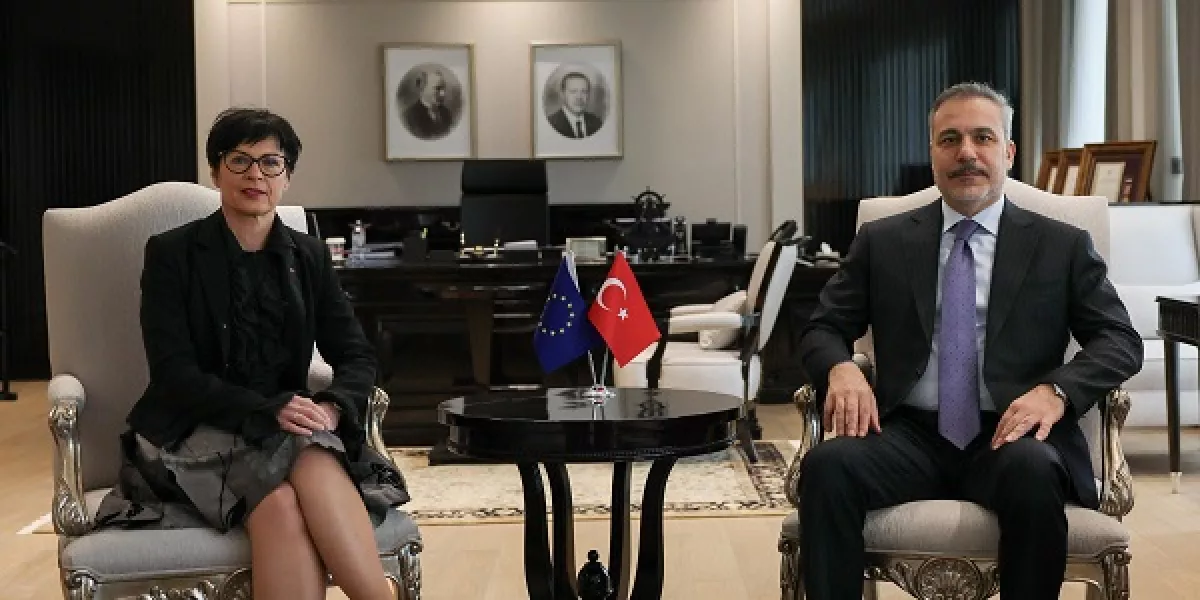
However, the EU commissioner’s plans did not include discussions on reviving Türkiye’s EU accession talks. According to the Turkish news agency Anadolu, following the meeting between Hakan Fidan and Marta Kos, the Turkish Foreign Ministry issued a joint statement, which only reaffirmed Türkiye’s status as a candidate country for the European Union and highlighted the strategic importance of bilateral relations amid a changing geopolitical landscape. The document emphasised issues such as the rule of law, modernisation of the customs union between Türkiye and the EU, regional security challenges in the Middle East, Cyprus, and the Ukrainian crisis.
All of this underscores the European Union’s clear interest in Türkiye, which is entirely logical and driven by several important factors. First, the Republic of Türkiye has the second-largest army in NATO and occupies a key strategic position between Europe, the Middle East, and the Mediterranean. This, along with control over the Bosphorus, gives Ankara the ability to significantly influence regional security.
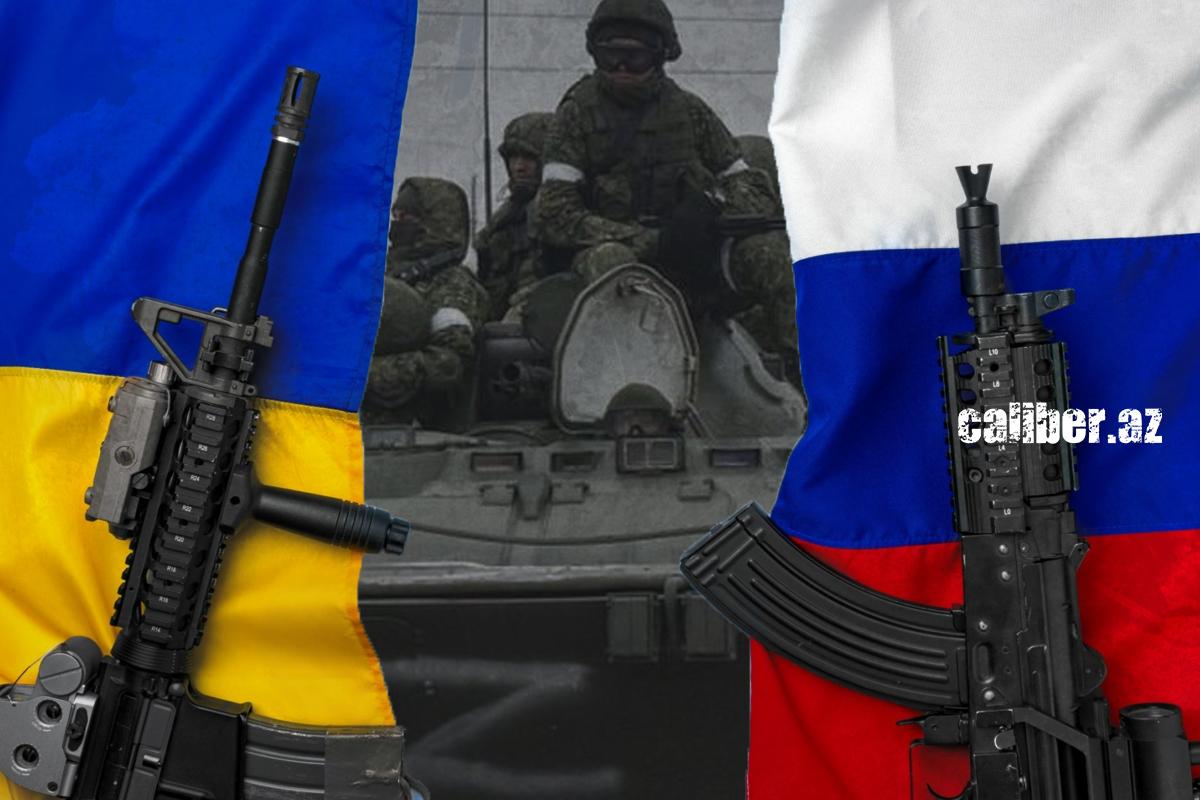
Second, Türkiye has been one of the earliest and most active mediators in the Ukrainian crisis. Ankara facilitated the “grain deal” in July 2022—just four months after the start of the Russia-Ukraine war—thanks to its engagement with both Moscow and Kyiv, following a pragmatically balanced approach. In particular, Türkiye supports Ukraine’s territorial integrity, including its non-recognition of annexed territories, and positions itself as a defender of the Crimean Tatars. At the same time, however, it has not joined anti-Russian sanctions, maintaining economic and energy cooperation with Moscow.
At the core of Ankara’s carefully calibrated geopolitical approach are its national interests, which further strengthen its image within the international system. On this basis, it can be confidently argued that Türkiye’s efforts to mediate the Russia-Ukraine conflict are fully aligned with its foreign policy strategy and reflect significant trust in President Recep Tayyip Erdoğan. This, in turn, has prompted the EU to view the country as a key mediator and potential peacekeeper in the Black Sea region.
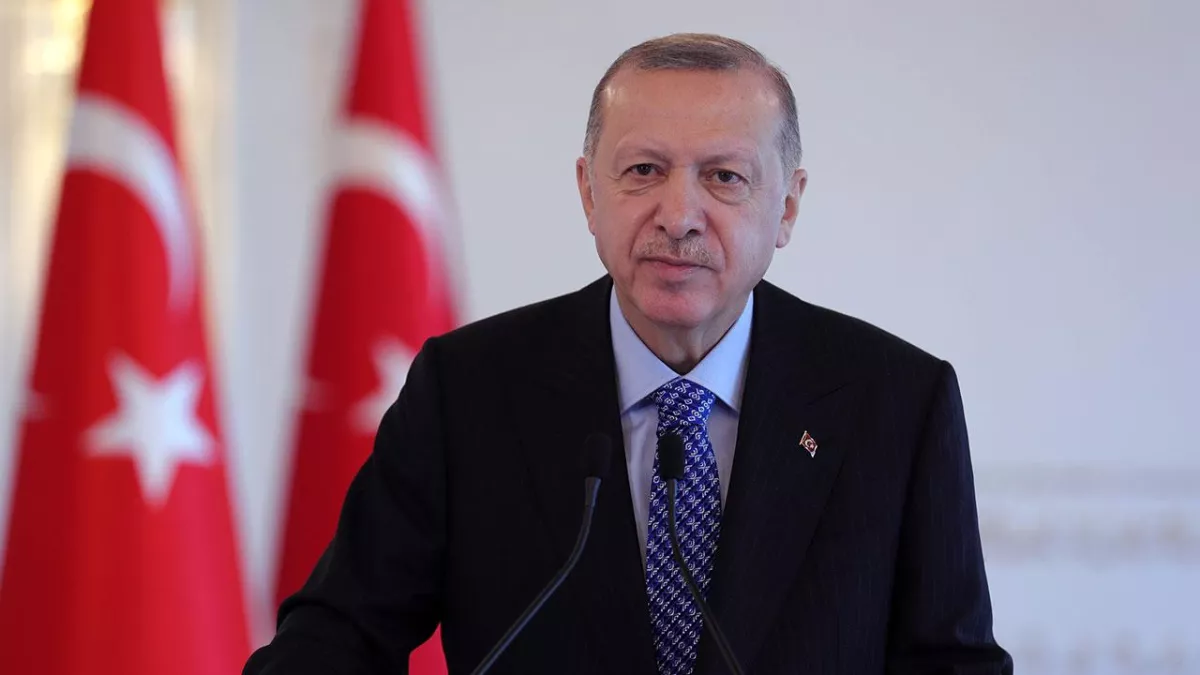
Regarding Türkiye’s EU accession, which has effectively been in a state of “suspension” since 2016–2018 despite the country’s official candidate status since 1999, the structure of Kos’s visit to Ankara underscored President Erdoğan’s assertion that “the EU needs Türkiye,” even though the topic was not formally on the agenda.
In July 2025, Erdoğan told journalists: “Türkiye is the EU’s last hope. The world is changing, and Europe has already changed. Removing the influence of outdated, intrusive political barriers could open the way for the European Union to enter a new era. We are ready for full membership.”
Yet, despite these gestures, it appears that the Old Continent is in no rush to “embrace” a leading state of the wider Turkic world. This impression is reinforced by the fact that, following Kos’s visit, there was not a single mention of renewed momentum in the accession process, nor did the EU propose any roadmap on the matter.
Thus, it becomes clear that Brussels seeks to avoid addressing Türkiye’s European integration, while at the same time assigning significant importance to the country as a key NATO member and strategic partner in the Middle East—one whose influence on regional security is indispensable for discussing and resolving critical regional and global issues.
This point is further underscored by the upcoming official visit of the Greek Prime Minister to Ankara on February 11, coinciding with the sixth meeting of the Türkiye-Greece High-Level Cooperation Council. Given the complex relations between Ankara and Athens, there is hope that Kyriakos Mitsotakis’ visit will provide new momentum to bilateral ties and make a positive contribution to the prospects of Türkiye’s European integration.







 editor@caliber.az
 +994 55 444-88-98
 Азербайджан, Баку, ул. Низами, 203, Af Business House, 5-й этаж