










Ukraine between heroism and cynicism Heroes on the frontlines, “electricians” in cafés
Morning. The Kyiv metro, Kharkivska station. I step into a carriage and notice a man lying stretched across the seats. He rests his head on a bundle used as a pillow, a checkered bag with a few belongings strapped around his waist. I ride for eight stops, and no one — the carriage gradually filling from half-empty to crowded — makes any attempt to wake him.
Why? The answer is both obvious and terrifying. Everyone on that train understood: this man might have lost his home in the latest Russian missile or drone strike on Kyiv. Each passenger projected that possibility onto themselves, silently acknowledging that tomorrow, they too could wake up without a roof over their heads.
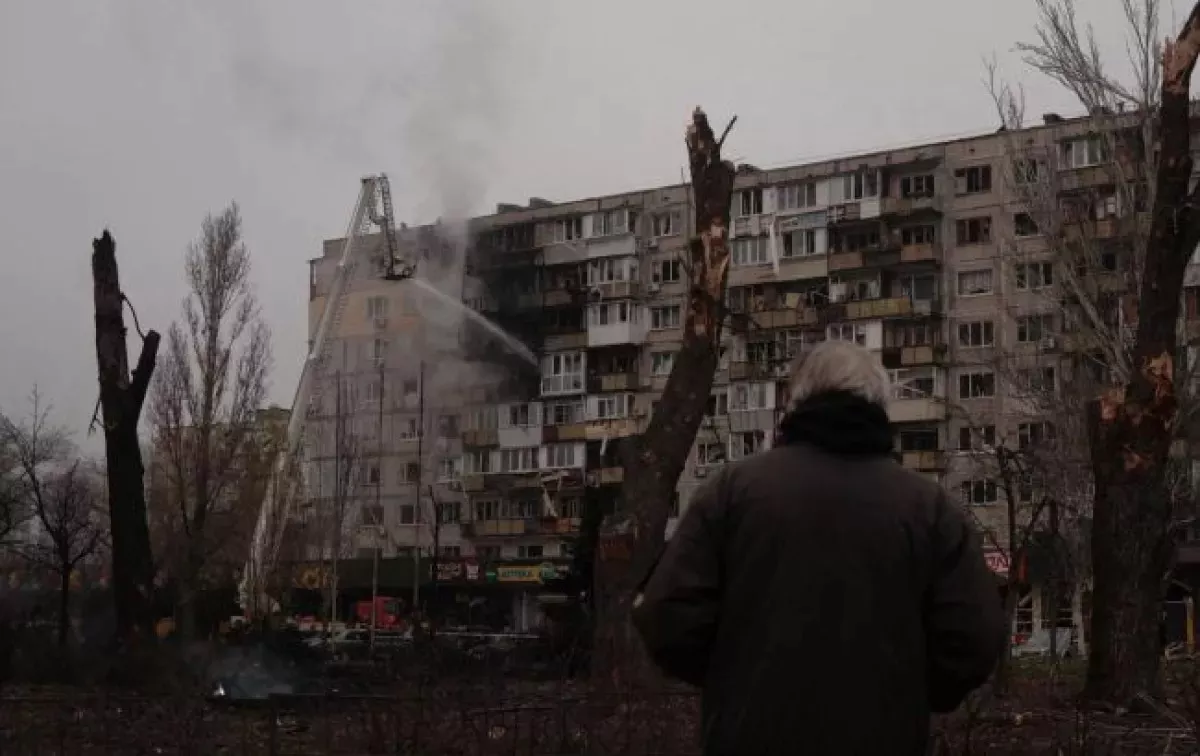
These are the realities of Ukraine. Many middle-aged and older men move around on prosthetic limbs, a visible reminder of the human cost of the war. Yet, contrary to a misconception common in some countries, Kyiv is not a city entirely devoid of men. Yes, there are fewer than before the conflict, and in many supermarkets and small shops, elderly women staff the cash registers and counters. Still, plenty of men remain — including young ones. You can see them in fitness centres, cafés, and restaurants.
But what about the shortage of personnel at the front, which military experts so frequently and loudly highlight? That shortage exists — and it is a serious problem.
Corruption adds another layer of complexity. The demand for ways to avoid military service creates a supply. For instance, someone can arrange legal guardianship over an elderly or incapacitated mother or grandmother and thereby secure a deferment from service in the Armed Forces of Ukraine. Naturally, the offices responsible for issuing such documents are working at full capacity. The result? Many employees in the social services benefit handsomely — a modern fairy tale of enrichment amid war.
One can also get officially registered as an employee of the energy sector. Considered a critical industry, those listed as working in it are granted a deferment and are guaranteed not to receive a draft notice. As a result, many people who have nothing to do with vital energy infrastructure end up officially recorded as “workers” in the sector. The scheme is straightforward: the salary of such a “worker,” along with a monthly cash equivalent, goes to the person who manages the arrangement.
Consequently, in Kyiv, you can see quite a few young, healthy men who have never been to the front, officially registered as either “guardians” or “electricians.” And how could it be otherwise when Yevhen Koshovyi, a close friend of President Volodymyr Zelenskyy from the Kvartal 95 comedy studio, openly expressed his view on defending Ukraine in one interview:
"I just thought about it… I don’t have any skills, nothing… So I go. On the very first day a sniper catches me and shoots me… And how did I help the country? In no way. Only by giving haters something to hype over and say: ‘Thank God he’s dead!’ No, for now I’m not planning to."
Yet, on August 28, 2022 — six months into this terrible war — Koshovyi, who neither fought nor planned to fight, was awarded a state honour: the Order of Merit, 3rd class.
The question, then, is what kind of messages Ukraine’s leadership is sending to society — messages that directly influence people’s decisions. One cannot ignore the findings of a survey conducted by Sociopolis Research Company, which showed that 60% of respondents believe President Zelenskyy bears personal responsibility for the corrupt actions of Timur Mindich, co-founder of Kvartal 95, as well as others implicated in the corresponding anti-corruption investigation by NABU.
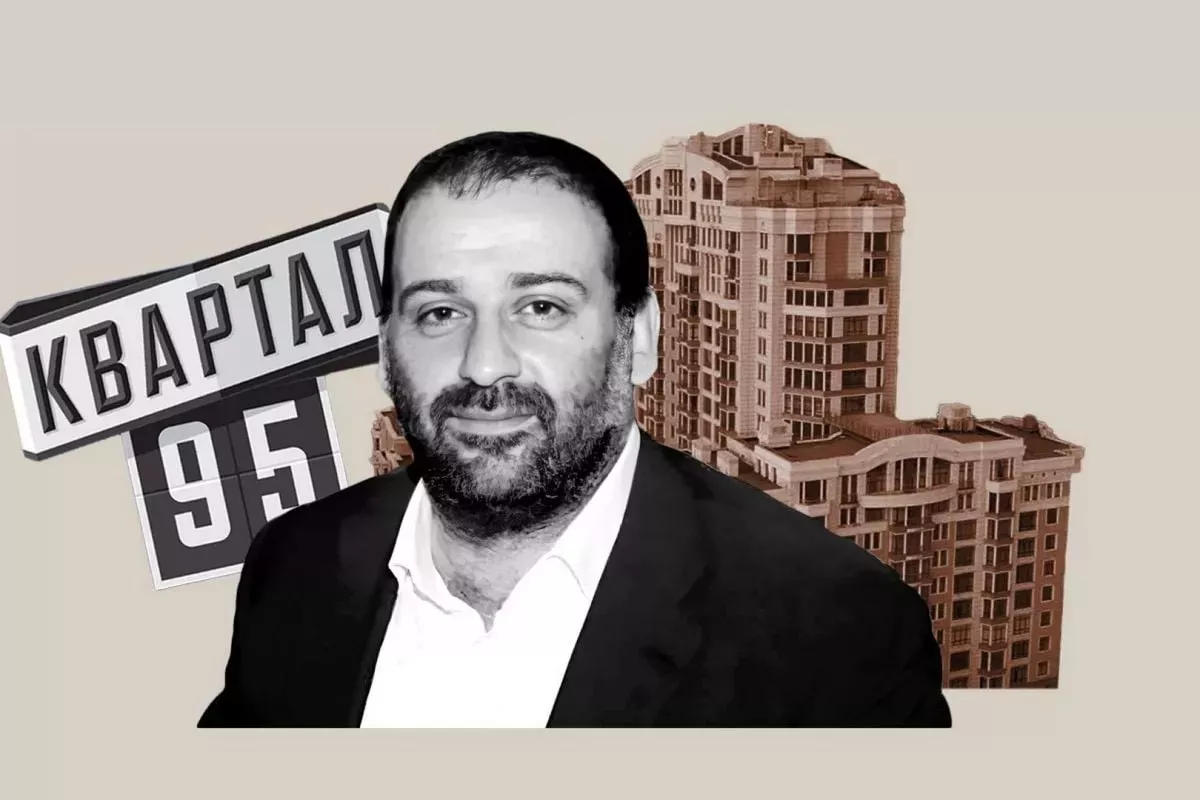
The phrase “the two million went to Moscow,” mentioned in declassified recordings of the participants in this corruption scheme, has gone viral. It refers to two million dollars in corrupt funds that were taken out of Ukraine and sent to someone in Moscow. Many Ukrainian servicemen and ordinary citizens I have spoken to are furious, demanding harsh punishment for those who so cynically betrayed and robbed the country — at a time when fundraising to support individual brigades of the Armed Forces of Ukraine (AFU), organised by ordinary people via social media, is proving extremely difficult.
In this context, consider the most recent high-profile scandal: Ukraine’s vice-champion in diving and two-time Olympian, Sofiya Lyskun, has taken Russian citizenship. The athlete herself announced the move to Russian media, explaining that she had been unable to train in Kyiv, relocated to Poland, and ultimately changed her citizenship due to “problems with coaches.” Yet, remarkably, she recently won two medals at the 2025 European Championships: gold in the mixed team event and silver in the synchronised 10-meter platform.
"Money, conditions, opportunities… All of this tempted her. And when the president’s friend and his business partner from Kvartal 95 send ‘two million to Moscow,’ it becomes clear why others also agree to such things. They think: if the president’s friends are allowed to do it, why shouldn’t we?" — wrote former Verkhovna Rada deputy and popular blogger Boryslav Bereza on Facebook. It’s hard to disagree with him.
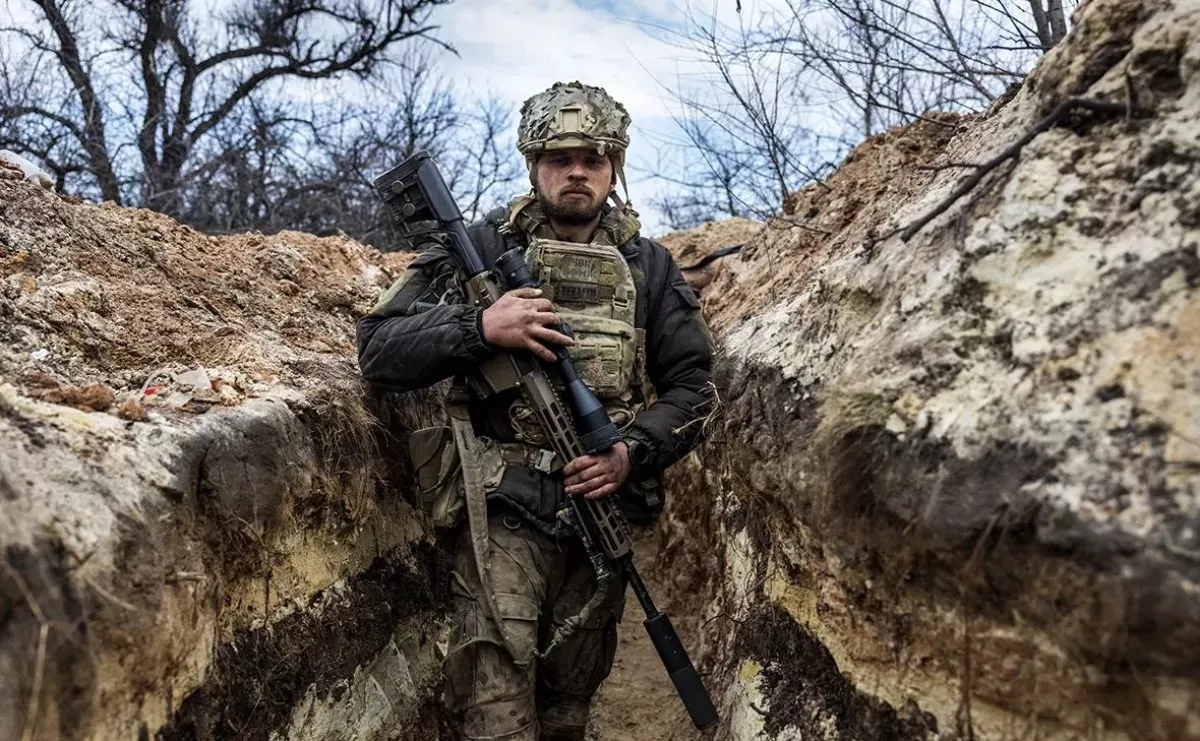
This is Ukraine — a country of contrasts. It relies on the heroism and courage of its best sons and daughters, who today, with weapons in hand, resist Russia’s attempts to seize as much of the country as possible. Yet it is also weakened by the cowardice of those seeking any way to evade defending the Motherland, and by corruption on a shocking scale, reaching all the way to the highest levels of political power. It is a country in which the scene I witnessed early one morning in the Kyiv metro — a man lying across the seats, carrying only a few belongings — has become a quiet, tragic norm.







 editor@caliber.az
 +994 55 444-88-98
 Азербайджан, Баку, ул. Низами, 203, Af Business House, 5-й этаж