










Valerii Zaluzhnyi: Making a pause part of the war strategy What can Ukraine learn from Azerbaijan’s experience?
Valerii Zaluzhnyi’s column for the Ukrainian publication Liga.net caused a political stir—not only because the former Commander-in-Chief of the Armed Forces of Ukraine, now Ukraine’s ambassador to the United Kingdom, for the first time openly entertains the scenario of a long-term freeze in the war with Russia, but also because his analysis of events reads like a campaign programme for a future Ukrainian presidential candidate. And this is no longer just a political hypothesis.
As The Times reports, citing public opinion research, Zaluzhnyi is the only Ukrainian politician whose rating has approached that of the current President, Volodymyr Zelenskyy. He has not yet overtaken the head of state, but remains the only figure capable of reaching parity with him. The general’s popularity, the publication emphasises, stems from his status as a war hero and as a person who symbolised Ukraine’s defence during the most difficult months of 2022.
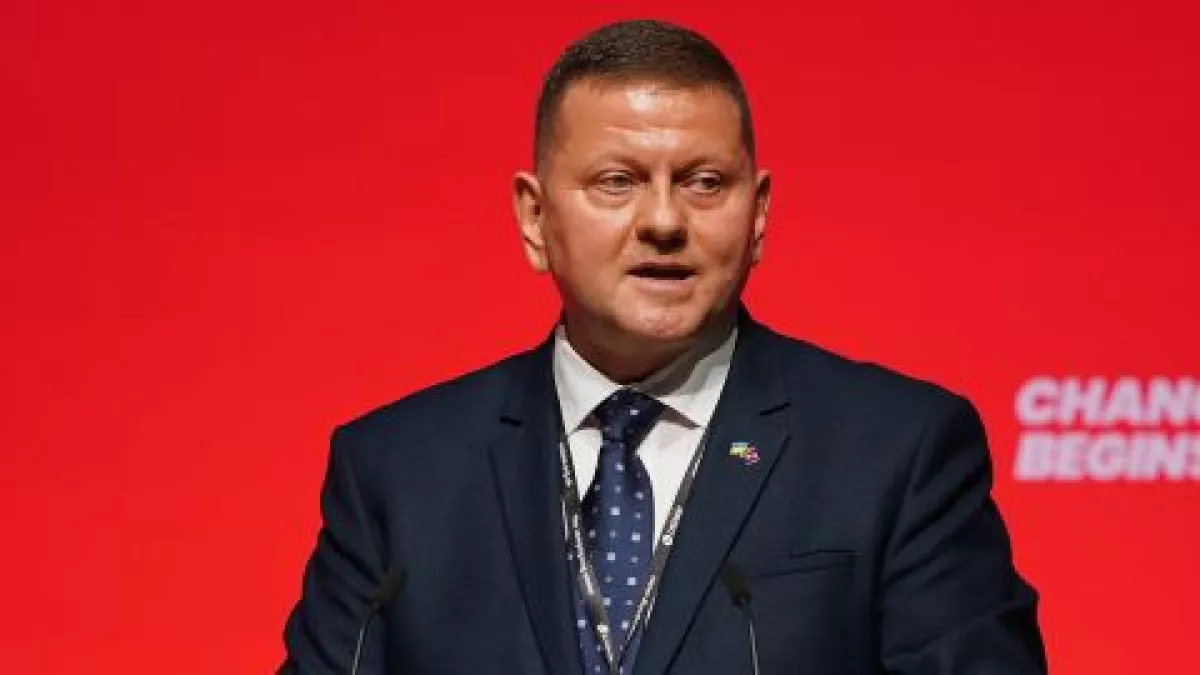
At the same time, The Times clearly does not take into account the consequences of the high-profile corruption scandal in Ukraine’s energy sector, which has led to a significant loss of public trust in Volodymyr Zelenskyy—his disapproval rating now exceeds his approval rating.
All of this is occurring against the backdrop of Valerii Zaluzhnyi’s rising popularity. For this reason, his article appears not merely as an expert reflection, but as a roadmap for a potential future president of Ukraine. What makes it even more interesting is that the scenario he proposes closely resembles the path Azerbaijan took after signing the ceasefire agreement in May 1994.
In his column, Zaluzhnyi writes in very direct terms: “We, Ukrainians, of course, strive for a complete victory – the collapse of the Russian Empire. But we cannot reject the option of a long-term (for years) cessation of the war, because this is an all-too-common way of ending wars in history.” He effectively legitimises what was previously considered a political taboo: the recognition that a war of attrition cannot be ended by political decree or by manipulating informational narratives.
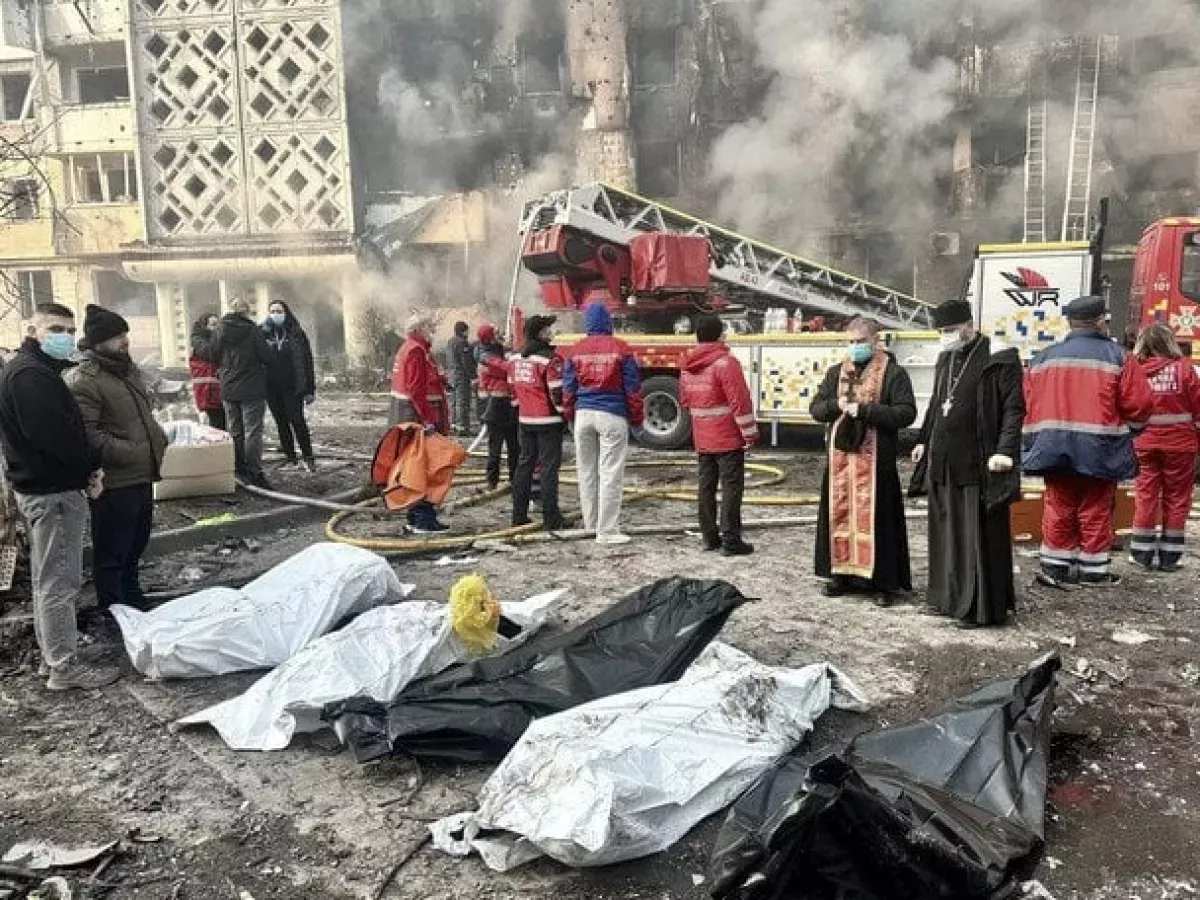
According to him, the decision will depend on the “totality of achievements or, conversely, losses”—military, economic, and diplomatic. Even a possible Russian capture of the Donetsk region or other territories, he notes, would not satisfy the Russian leadership, whose goal, according to Zaluzhnyi, is the complete destruction of Ukrainian statehood.
Zaluzhnyi defines the only criterion for Ukraine’s defeat: “complete occupation of Ukraine due to its collapse”—meaning that anything short of the disappearance of Ukrainian statehood remains a form of struggle, even if it temporarily worsens the situation on the frontlines or in diplomacy.
This logic is strikingly similar to what Azerbaijan experienced in 1994 when the ceasefire agreement was signed.
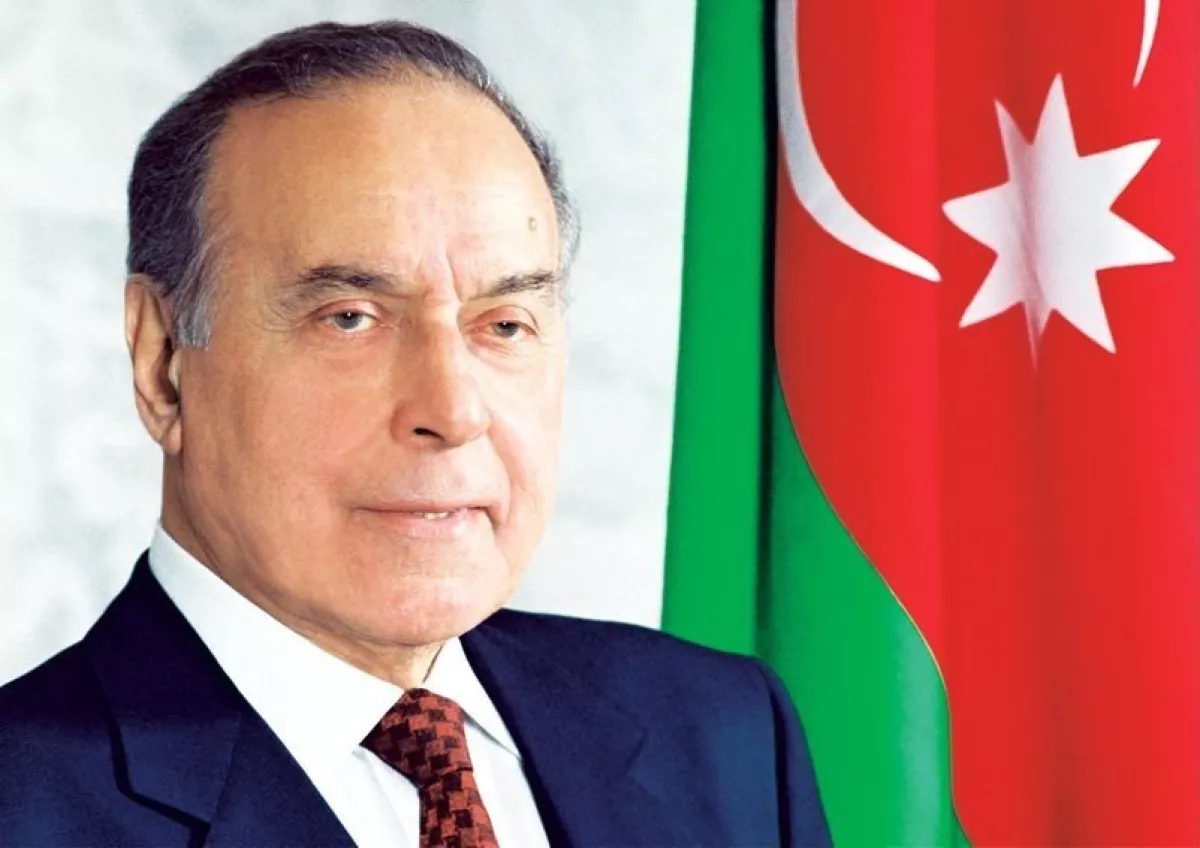
But the national leader Heydar Aliyev understood what the emotionally driven country could not see at the time—Azerbaijan did not have the resources to continue the war, and, importantly for comparison with Ukraine, it did not enjoy even a fraction of the international support that Kyiv has today—military, financial, or diplomatic. Moreover, in 1992, the United States passed the notorious Section 907, which prohibited direct assistance to Azerbaijan, an egregious example of injustice: a country under occupation found itself constrained in ways that served the interests of the aggressor.
And Heydar Aliyev did what Zaluzhnyi today proposes—he put the war on pause to change the geopolitical, economic, and military conditions under which the country would continue its struggle.
On September 20, 1994, the “Contract of the Century” was signed at the Gulistan Palace in Baku—the largest international energy project in the Caspian region at the time. Thirteen oil companies from eight countries signed the agreement, ushering in a new era in Azerbaijan’s history: global investments, strategic energy projects, the formation of a network of allies, army modernisation, and the creation of infrastructure for the future return of Azerbaijani territories.
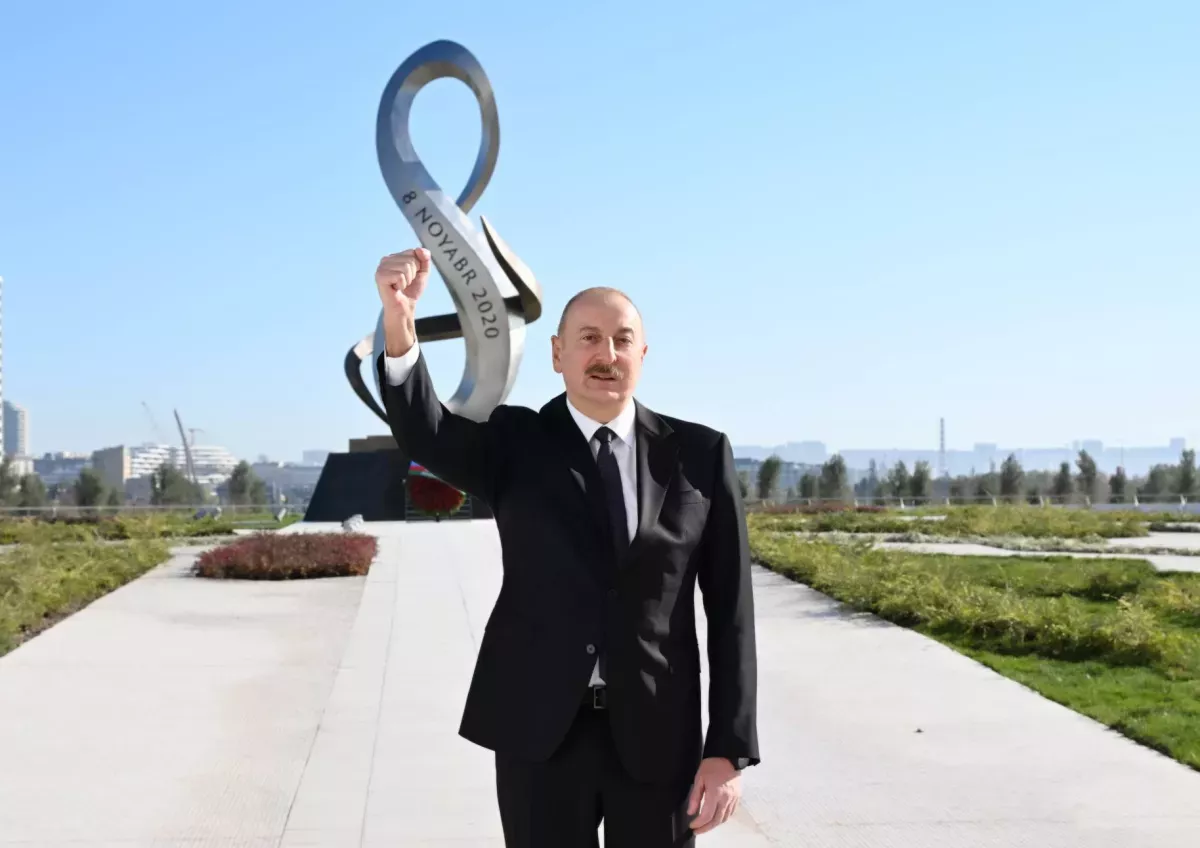
At the time, few understood that Heydar Aliyev’s decision would change the course of history. But 26 years later, it became clear that this very foundation allowed Azerbaijan, under the leadership of the Supreme Commander-in-Chief, President Ilham Aliyev, to achieve a historic victory in the 44-day war of autumn 2020, liberating occupied territories, including the city of Shusha—a symbol of national spirit and identity. In September 2023, during a one-day counterterrorism operation, the Azerbaijani state fully restored its territorial integrity.
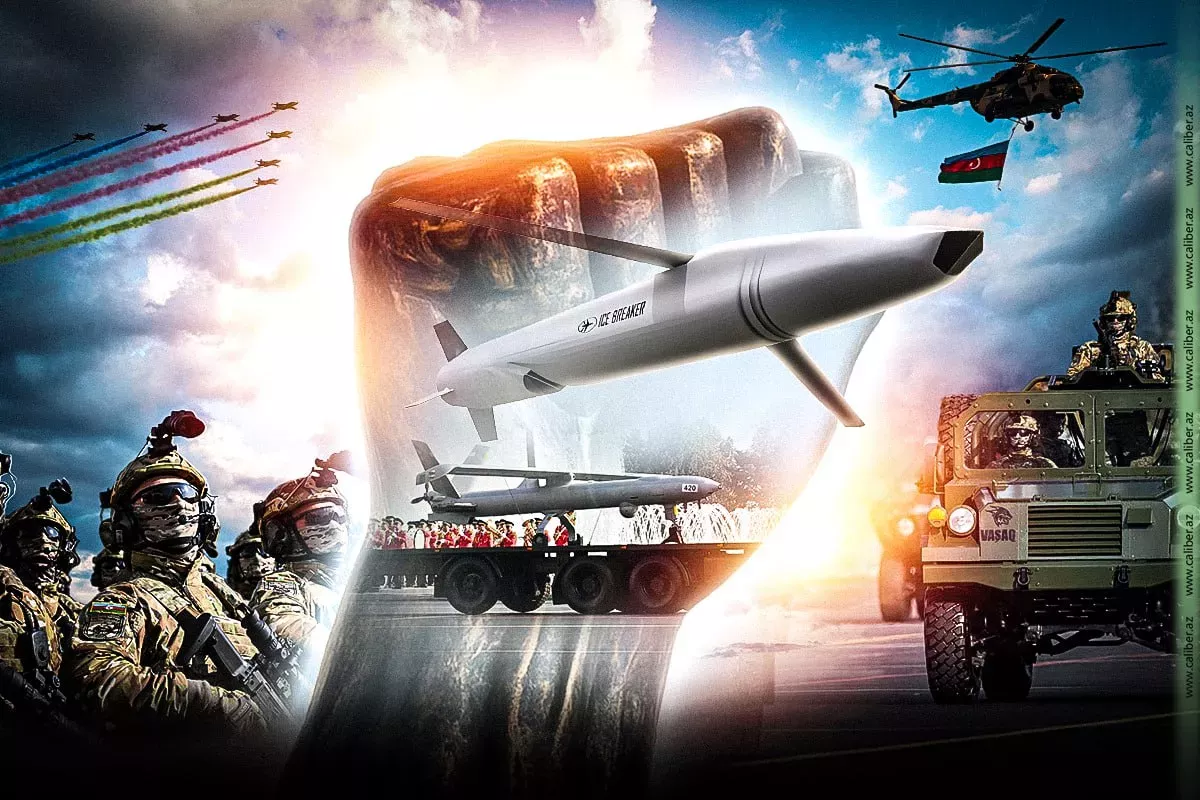
Thus, the path from the forced pause of 1994 to victory was possible only because the country’s leadership planned a strategy decades ahead, modernised the Armed Forces, built a strong economic base, and united society around the idea of reclaiming its territories. Azerbaijan demonstrated that a frozen war is not a defeat if it is guided by strategy.
Yes, if Ukraine signs a ceasefire agreement, it will be a painful moment for its citizens—they will feel as burdened as we did in 1994. But Azerbaijan’s experience shows that losing a battle does not mean losing the war. We won our war despite the lack of support from global powers and pressure from international centres of influence.
If Kyiv can use even a long pause in hostilities the way the Azerbaijani state did, Ukrainians will be able to reclaim their temporarily occupied territories. This is the path of a long, difficult, but calculated struggle; yet, by following it, Ukraine could find itself in the same position that the Republic of Azerbaijan occupies today.







 editor@caliber.az
 +994 55 444-88-98
 Азербайджан, Баку, ул. Низами, 203, Af Business House, 5-й этаж