










War of attrition Demographics as Ukraine’s main front
In the context of the full-scale Russian-Ukrainian war that has been ongoing for more than four years, any discussion about its duration is perceived not as an abstract forecast, but as a personal sentence for millions of people—even if such information is presented as insider information or a behind-the-scenes discussion. At the same time, this does not concern the frontline, where such assessments are part of everyday reality, but ordinary civilians living under constant threat, uncertainty, and accumulated fatigue.
This is why the statement from sources at Ukrainska Pravda—that President Volodymyr Zelenskyy instructed the first deputy head of the “Servant of the People” faction, Andriy Motovilovets, to prepare a parliamentary work plan in case the country has to fight “for another three years”—had a significant impact not only on the political class but also on public sentiment.

Such a reaction is also driven by the fact that the longer this devastating war continues, the clearer its true nature becomes: it is not primarily about territorial disputes, but about an attempt to undermine Ukraine’s very statehood. Having failed to achieve a quick victory, Russia has shifted to a strategy of attrition, which means focusing not on rapid military success, but on the gradual weakening of the opponent—economically, demographically, and psychologically. Unfortunately, there are grounds to say that Russia feels fairly confident operating in this mode.
One of the key dimensions of the Russian-Ukrainian war is demography. According to the head of the Office of Migration Policy, Vasyl Voskoboinyk, Ukraine experiences 300,000 more deaths than births each year, and the birth rate has dropped to 0.7, compared with the 2.2 needed for simple population replacement. This is no longer just a crisis—it is a rapid physical decline.
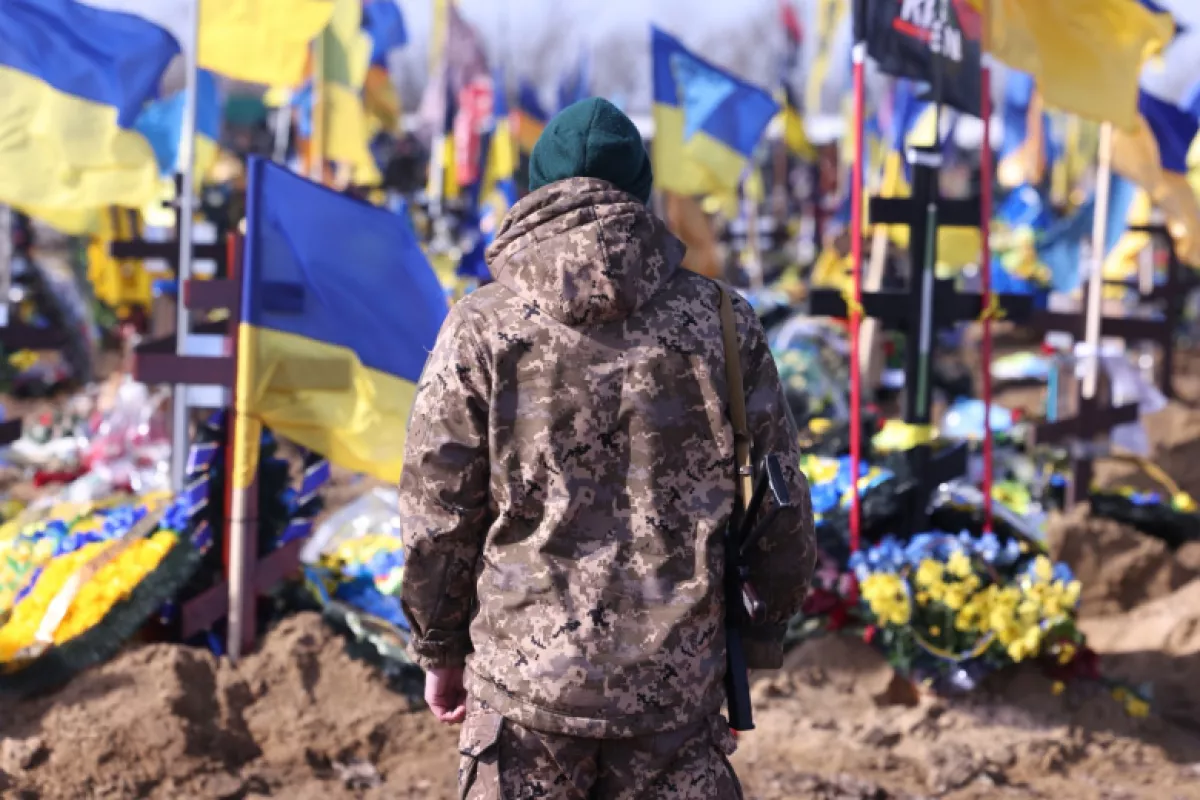
Meanwhile, the situation in Russia is far from favourable as well. As of December 2025, the total fertility rate (TFR) stood at 1.374, continuing a decade-long downward trend. However, even these figures raise questions, given the opacity of Russian statistics. The most recent publicly available data show that in 2024, the number of births in Russia fell to 1.222 million—the lowest level since 1999—while the January–March 2025 figures set an all-time low for more than two centuries.
In other words, the demographic problem is systemic for both sides of the conflict. However, in Ukraine, it manifests far more acutely due to the combination of war, migration, and the general atmosphere of uncertainty. From this, a logical conclusion follows: upon learning that the war could continue for years, most families inevitably revise their plans, and the decision to have a child—one of the most responsible choices in life—is postponed or abandoned altogether. This is not a matter of emotion, but of rational calculation: is it reasonable to bring a small human being into a world that remains dangerous and unstable, potentially for an indefinite period? Thus, even merely hearing that the war may continue becomes a factor accelerating the demographic decline.
At the same time, another alarming trend is developing—the mass emigration of young people. Ukrainian education experts have been observing for several years the following pattern: parents of high school students are using every possible means to send their children abroad. This decision is driven by well-founded reasons. The first is the fear of missile and drone strikes, which have become part of everyday life. The second is concern over mobilisation, as media regularly circulate footage of forced detentions of men of conscription age, creating an atmosphere of anxiety and distrust. No one wants their son or brother to end up in such a situation. As a result, the country is not just losing population—it is losing its future generation.
Adding to this is another factor: the crisis of trust. Ukrainian society reacts sharply to reports of corruption at the highest levels of power and to the obvious gap between public rhetoric and the personal conduct of elite figures. When those who have spent years delivering patriotic speeches are slow to join the frontlines, it undermines motivation and heightens internal tension.
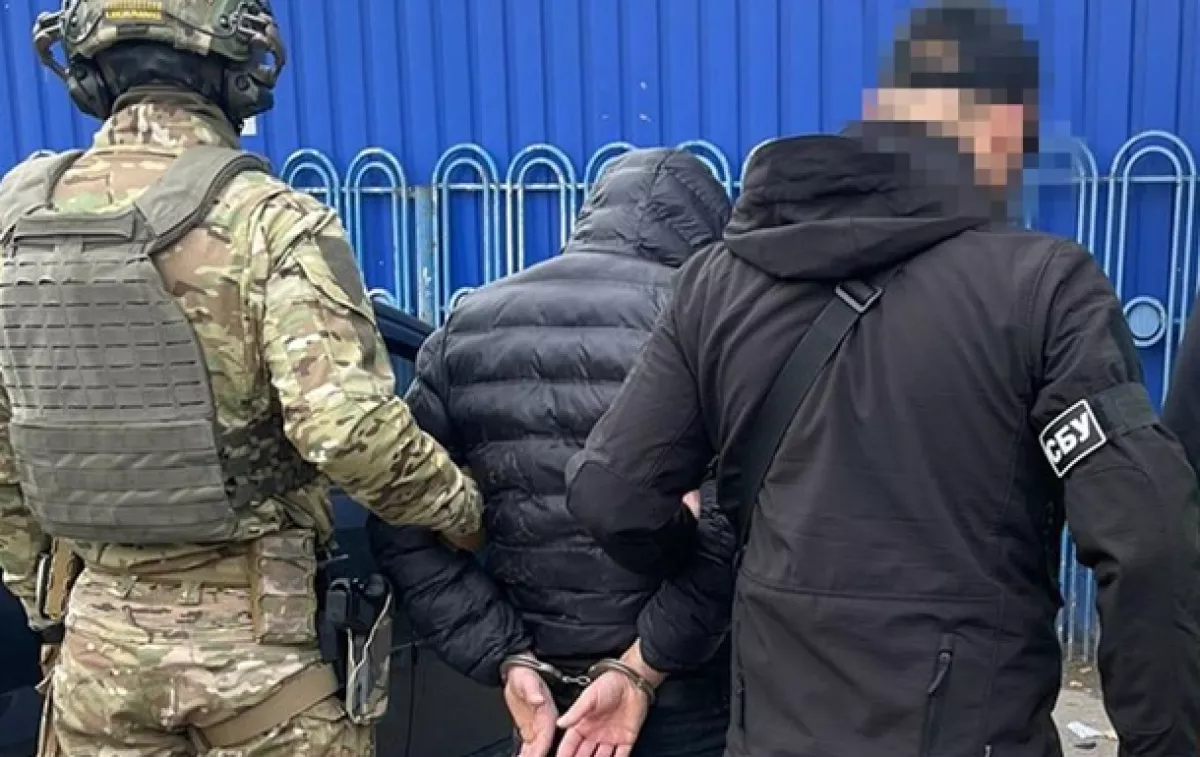
On the other hand, looking at the demographic picture in retrospect makes it even more dramatic. In 1993, Ukraine’s population was 52 million, and from that point, a gradual decline began, which sharply accelerated after 2014 due to the loss of control over Crimea and parts of Donbas. The war has only deepened this process: battlefield losses, wounded, missing persons, and mass emigration have led to a situation where today, around 29 million people live in territories under Kyiv’s control. In other words, the country has effectively lost more than 20 million people compared with its peak population, and current trends suggest this is not the limit. The Russian-Ukrainian war is not just about the front line, military operations, and negotiations—it is a deep, multilayered crisis affecting the very foundations of the state: demography, social structure, and the psychological well-being of society.
In this context, any statements about a possible prolongation of armed conflict cease to be mere political signals and become elements that shape the framework within which citizens make decisions of profound importance—for themselves and for Ukraine’s future—from whether to have children to choosing a country to live in.







 editor@caliber.az
 +994 55 444-88-98
 Азербайджан, Баку, ул. Низами, 203, Af Business House, 5-й этаж