










What if 2026 breaks the world as we know it? Forecasts for next year
Let’s be provocateurs—not by inciting crimes or becoming secret agents, but through bold forecasts for 2026.
Recent months have shown that nothing is impossible, the unthinkable is thinkable, and “cannot” often means “can.” So, let’s imagine: the United States and Europe drift further apart, divided by disagreements over everything from human rights to the Ukraine crisis. An alliance that once seemed unshakable is showing cracks—and those cracks are widening.
The consequences will be both predictable and surprising: new openings for Russia and China, and the gradual dismantling of the international governance architecture, including the United Nations.
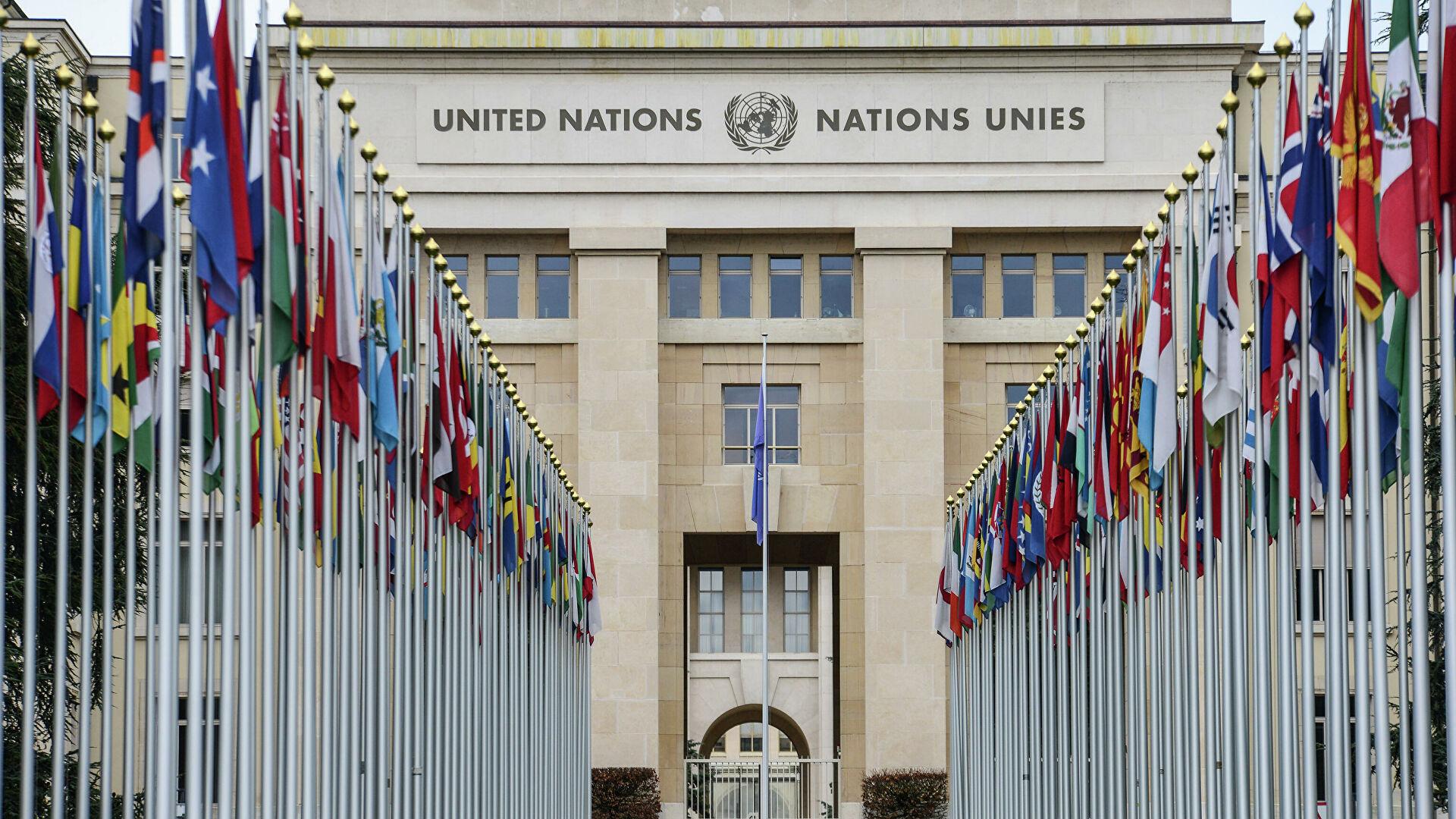
As for the UN itself, Americans increasingly view it pragmatically rather than through abstract ideals. UN agencies will be sorted into categories: useful, useless, and harmful.
Ukraine. For the first time in decades, the world may witness the consolidation of territory seized by force—and don’t rush to dismiss it as “something that has happened countless times before.” What matters is the subsequent recognition, however qualified, of new borders. This is a moment to say: “Thank you, Ilham Aliyev—we have managed to reclaim our lands!”
I did not expect Trump to show such interest in our region. By December 2025, this involvement gives us a real chance of normalising relations with Armenia. Over five years ago, for Donald Trump, whose focus was on creating a business-friendly environment, it would have been irrelevant who controlled the territory. For Azerbaijan, however, accepting injustice would have meant challenging Washington.
Gaza. Tel Aviv is acting on a grim principle: “Damned if you do, damned if you don’t.” Accepting reputational costs as inevitable and attempting to soften the partially deserved image of the party responsible for numerous civilian casualties, Israel is focused on removing the tumour threatening the country with metastasis. The origins of this problem are open to debate, but its existence is undeniable—and Israel is no longer willing to tolerate it. The overall picture is bleak.
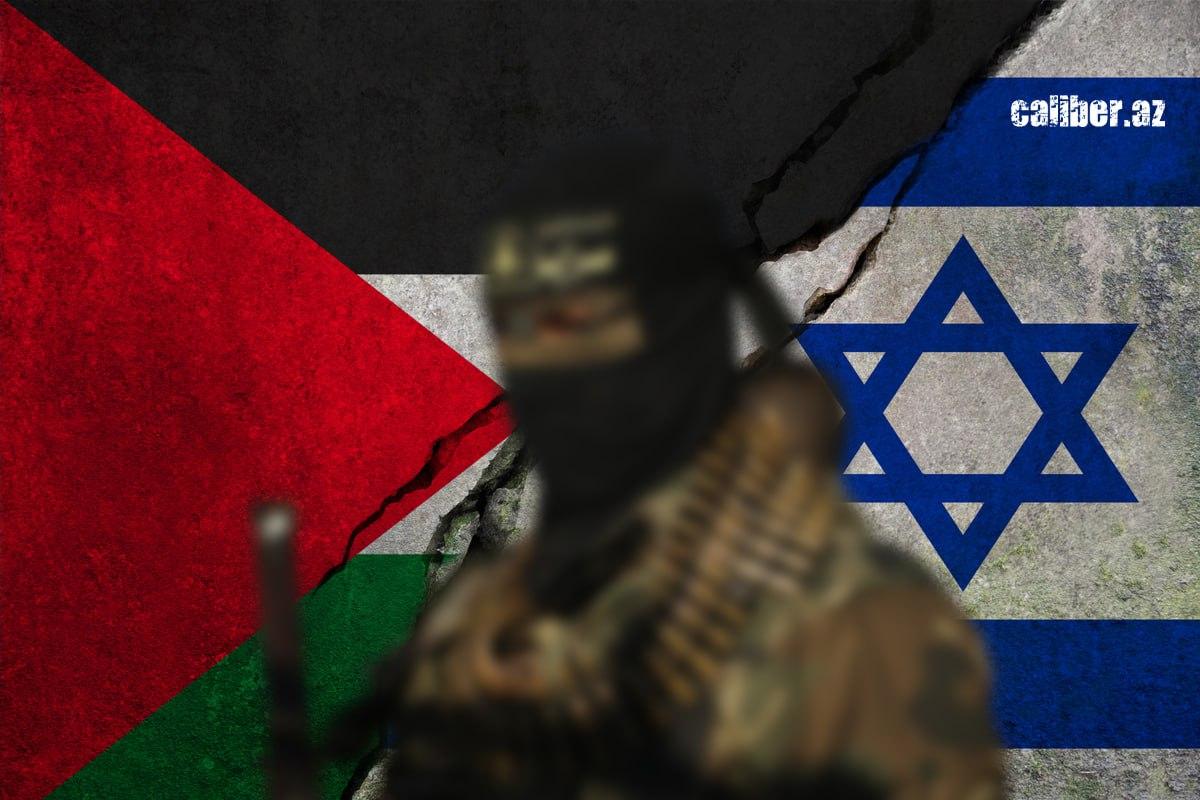
The Palestinian cause is no longer a “moment of truth” for the Arab street. Things have changed since the Arab Spring. The lessons of Syria, Libya, and Yemen have been learned: only the most extreme radicals are willing to risk their countries’ stability for the fleeting ideals of the Muslim Brotherhood. Even traditionally dogmatic Saudi Arabia is now moving toward peace, and the forward-looking Emirates, Qatar, Bahrain, and Oman certainly won’t be “sticking their necks out.” As for those “alongside them” – Iraq, Lebanon, and others – they aren’t even at the table; they’re on the menu.
Latin America. A renaissance of right-wing forces is on the horizon. Anyone who thinks the United States’ active support for Argentina is simply due to a personal friendship between Trump and Milei—or because Milei is Trump’s “favourite”—is mistaken. This is a clear demonstration of the formula: “You give me a candidate I like in the presidency, and I’ll provide your citizens with money and broad support.”

Red warning lights will flare again—no one knows exactly when, but they inevitably will—for Canada (the 51st US state, remember?) and Greenland (which the White House openly admits it genuinely desires). A member of Trump’s family was right: no one can predict his decision-making mechanisms. We’ve written about this before. More than that, I’m convinced even the president himself doesn’t fully know! Brilliant chaos—a fascinating algorithm.
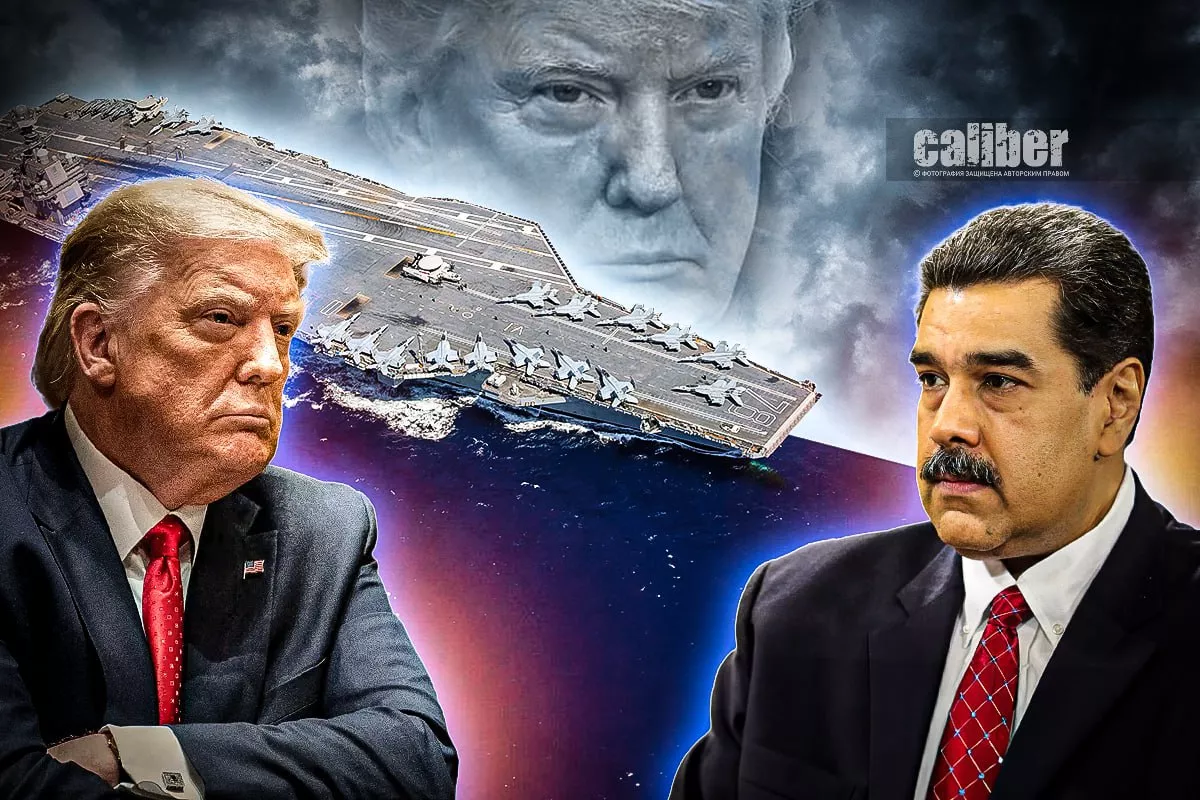
Trump will squeeze Venezuela. He can’t not do it. Precedent matters. This is not Obama, who famously declared Assad’s days were numbered, only for Assad to cling to power for another 13 years. Donald will not allow that. If nothing else, because “I said Maduro will leave!!!”
Iran. The White House will certainly keep an eye on this existential “bad boy”—both directly and through Israel’s subtle yet intense influence, which detests Iran so strongly that “it can hardly stomach it.” This partly explains the US’s stormy interactions with Syria’s new leadership.
Britain. But enough about the US! For some reason, I sense rapid developments within the British political establishment. What exactly? I couldn’t say—but something is coming. Post-EU Britain, amid disagreements with its overseas allies, must resolve numerous contradictions at home and abroad. Against a backdrop of a politicised public—including concerns over immigration, which is hardly just an English issue—these decisions could trigger even more serious challenges.
Terrorism in 2026. Next year threatens a rise in terrorism—partly for the same immigration-related reasons already discussed. Migrants from distant lands have long been fertile ground for terrorist recruitment. Total rejection by local societies, combined with looming deportations, can only intensify these trends. Who is to blame—the ones who let them in, or those who failed to integrate them and later decided to expel them? This debate may well unfold over the rubble of the next suicide attack. Ideally, it would take place in a courtroom, where criminals could be judged before committing their crimes—but that is largely a matter of luck, and a question for the intelligence services.
Instead of “once upon a time,” it will be “once upon some time.” Instead of “war and peace,” it will be “war and we.” If there were a global rescue service, calling it would get you this response: “Unfortunately, all our teams are on calls. If you survive the next month without being killed, starving, drowning, flooded by rising oceans, or swept away by another hurricane, call again. But there are no guarantees our service will still be operational.”
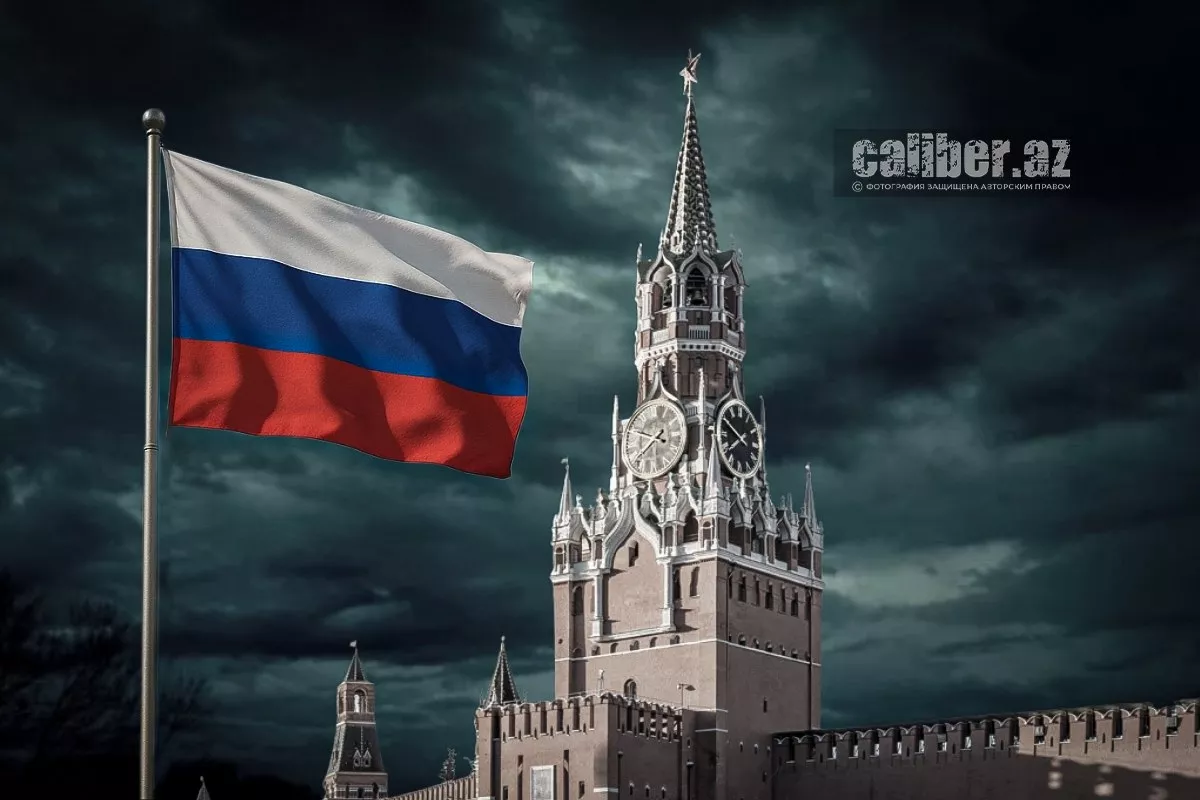
Russia. Despite all its problems, the Kremlin has shown that you can act with remarkable freedom and face surprisingly limited consequences. While the options for continuing Ukraine’s “stroll” are currently off the table (Moscow simply lacks the resources) in 5–7 years, fiercely debated topics could include Kaliningrad—or even the Baltic states.
Africa. The continent is in turmoil. Though often hailed as humanity’s future hub, reality is far less optimistic. With shrinking financial aid and ruling elites largely unable to take responsibility for the future, the situation looks grim. There are exceptions, of course—but few. It is wise to cultivate relationships with these outliers, because their influence will grow as the continent drifts further into chaos.
Afghanistan. The smell of dust and gunpowder hangs in the air. Polite, charming people—who are often ready to devour anything that doesn’t fit their notions of “good” and “bad.” And they are clever. Today, they understand that if they decide to pay a visit to their neighbours, the rest of the world—already struggling to respond to anything—will be slow to intervene for those unlucky enough to share a border with this fearsomely formidable country.
Reading this again, even I feel uneasy. It’s grim. We need hope, a reason for optimism. After all, it could always be worse. Want optimism? You’ll get it!







 editor@caliber.az
 +994 55 444-88-98
 Азербайджан, Баку, ул. Низами, 203, Af Business House, 5-й этаж