










What was driving force behind increase in Azerbaijan's currency reserves? Review by Caliber.Az
The assets of the State Oil Fund of Azerbaijan (SOFAZ) reached $45.3 billion, in the first quarter of this year. Oil and gas revenues became the main source of the Fund's income, which grew 2.3 times compared to the same period last year. At the same time, the quite challenging macroeconomic and geopolitical situation in the world, resulting in high inflation and a significant decline in the securities markets, real estate, and other assets led to a decrease in the Fund's income from asset management. Nevertheless, the forecasts of experts on the energy market promise SOFAZ a positive trend in asset growth by the end of this year.
The global energy crisis, which began last year, has increased significantly due to the war in Ukraine and anti-Russian sanctions that crushed the European fuel market. Spot crude oil prices have been rising for the fourth month in a row. Brent Crude futures for June, for example, rose by 20 per cent on average, reaching $113.19 a barrel, on April 19. In turn, natural gas prices, which reached $3,900 per thousand cubic meters during winter, finished the second decade of April at $1,000. According to most experts, despite seasonal factors and other market fluctuations, the demand for hydrocarbons as a whole will exceed the lagging supply this year, keeping the price parameters high. In particular, this opinion was voiced in OPEC's April review, which also believes that the global market may face a shortage of gasoline and distillates in the summer period. OPEC still maintains its forecast that global oil consumption will exceed 100 million barrels per day (bpd) in the third quarter of this year, the first time since 2019, which means demand will return to pre-pandemic levels. Gas demand and prices will also rise by the end of the summer, taking into account the empty gas storage capacity in Europe and the inability to meet these needs with LNG due to the unreadiness of the necessary infrastructure to receive liquefied gas. In short, all factors suggest that energy prices will remain fairly high this year and probably next as well.
The favourable environment for the commodity-dependant countries undoubtedly contributes to the growth of revenues from energy exports, thereby increasing their foreign exchange reserves. Thus, Azerbaijan's international reserves in the first quarter of this year grew by $300 million, exceeding $52.400 billion. Most of them (86.4%, over $45.264 billion) are accumulated in the State Oil Fund, and over 7.136 billion (13.6%) are reserved by the Central Bank of Azerbaijan (CBA).
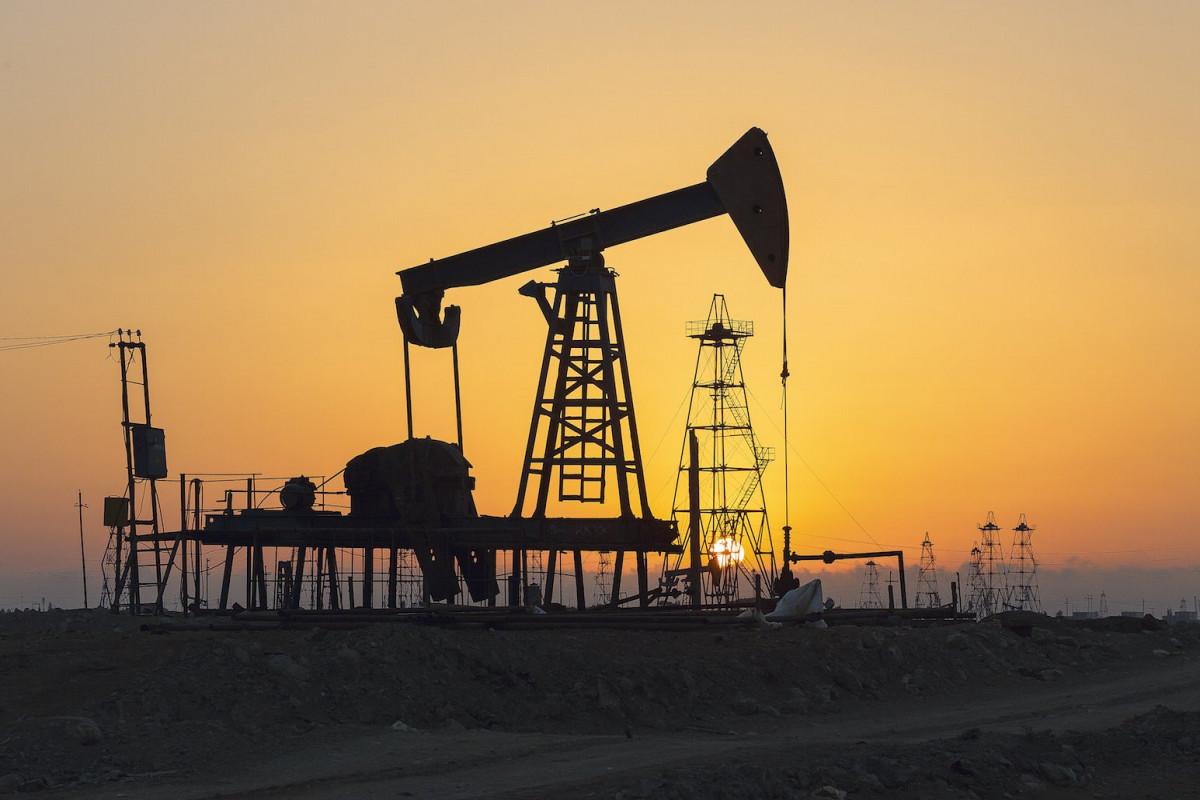
SOFAZ's high rate of asset growth in the first three months of the current year is mainly due to the recent changes in the global energy market: rising prices of oil, condensate and gas helped the Fund to increase its assets to $45.264 billion. At that, income from oil and gas sales for the reporting period almost reached AZN 3.846 billion, 2.3 times higher than the same period last year. Thus, for three months, the revenues from net income on hydrocarbons sales attributable to Azerbaijan have been fulfilled by 45% of the Fund's budget forecast for 2022. It should be noted that a key driver of SOFAZ revenue growth has become income from sales of profitable oil, condensate and gas from the Azeri-Chirag-Guneshli (ACG) and Shah Deniz fields, which was more than twice as much as income for the same period in 2021. High spot prices for gas in Europe during the winter period have also contributed to the growth of revenues from the export of Azerbaijani natural gas via the South Gas Corridor and corresponding payments to the Fund. Thus, only the Fund's income from sales of profitable gas and condensate produced from the Shah Deniz field in January-February 2022 made $227.557 million and provided 64.3 times growth against last year's figures.
"At the same time, a quite difficult global macroeconomic and geopolitical situation in the first quarter of 2022, caused fluctuations in financial markets, where the main risks are associated with the growing threat of a slowdown in the leading economies of the world, the highest global inflation in decades and against this background of doubts about the results of monetary policy, and additional pressure on the supply/demand chain created by post-pandemic and geopolitical events. The current non-standard situation in financial markets has led to a corresponding decline in both global bond markets and stock indices, which was also reflected in the investment portfolio of SOFAZ", the Fund says.
Under the circumstances, the income from asset management of the Fund in the reporting period amounted to AZN 714 million, or 22.44% of SOFAZ's total income. At the same time, SOFAZ is aware of high risks for the investment portfolio, taking into account negative processes in the world economy and financial markets, largely related to the complex geopolitical situation caused by the conflict in Ukraine. Today about 80% of SOFAZ's investment portfolio consists of highly liquid and low-volatility fixed-income securities, including shares of 1,600 largest companies in the world, real estate, as well as gold - a reliable tool in times of crisis. Specifically, the fund increased the share of gold from last year's 13.1 per cent to 13.9 per cent of total assets, reserving about 101.8 tons. Similar steps were taken in real estate in the first quarter: its share increased from 6.1% to 6.3%. The competent policy of currency and geographical diversification of the portfolio secured the fund against risks caused by the conflict in Eastern Europe, the gas crisis in Europe, the pandemic and other negative factors. In particular, today in the structure of the investment portfolio 70% of assets are placed in U.S. dollars, increasing by one per cent relative to the results of 2021. In contrast, the share of high-risk assets in Russian roubles fell to a minimum level of 0.3 per cent versus 0.6 per cent last year.
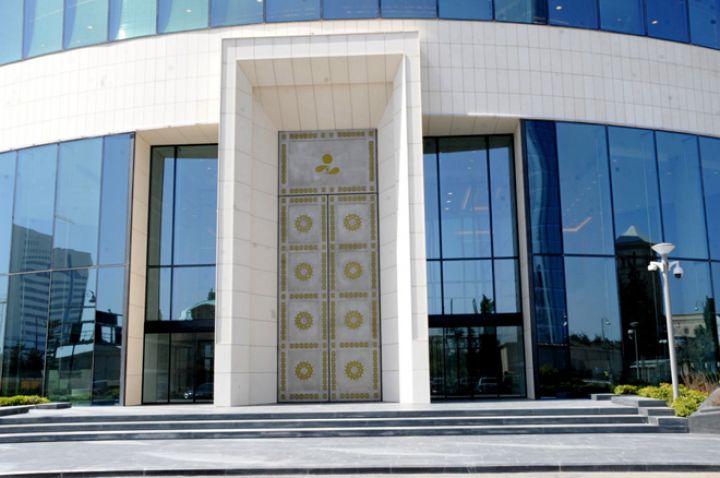
In general, as part of its long-term planning, SOFAZ conducts its investment activities based on the Strategic Asset Allocation: this methodology aims to optimize the mix of asset types based on the expected profitability and volatility of each asset class and their correlation with each other. The main objective of this portfolio structure optimization is to maximize its profitability taking into account risk tolerance, which is also formulated in the Investment Policy as maximization of profitability under conditions of low risk of capital loss.
A deceleration of the world's leading economies increased pandemic risks (outbreaks of coronavirus and increased mortality in China), and a growing conflict between the West and Russia have frequently been mentioned among forecasted threats in 2022. However, most experts of international financial organizations assume that this year Azerbaijan will not face economic risks that could harm its export revenues. In particular, the Asian Development Bank (ADB) believes that in 2022 Azerbaijan's surplus in foreign trade will increase by 48.5% on the background of export growth by 14%. According to ADB forecasts, high oil prices, as well as reduced transfers from the State Oil Fund to the state budget of Azerbaijan, will lead to a growth of international reserves up to $54.3 billion by 2024. It is worth noting here that due to a significant increase (above the forecast) in tax and customs revenues, SOFAZ transferred to the budget by 13.3% less than envisaged in the first quarter.
The International Monetary Fund (IMF) follows the same opinion. They believe the average annual amount of SOFAZ assets in 2022-2026 will remain within $42 billion. That is, IMF forecasts show the maintenance of acceptable dynamics of the fund's capitalization in the future.
It is relevant to note here that the SOFAZ income forecast for 2022 is based on an average oil price of $50 per barrel, and despite the growth of this indicator (in 2021 the budget price was $40 per barrel), this scenario is still quite conservative and risk-free. Even though, the balance between income and expenditures of the State Oil Fund in the current year is possible at an average global oil price of $55 per barrel, according to calculations of the Ministry of Finance of Azerbaijan. Oil prices are twice as high today, moreover, according to the forecasts of most global experts, the cost of Brent will hardly drop below $90-95 per barrel in 2022. Thus, the expected dynamics of hydrocarbons prices will be significantly ahead of the cut-off price, contributing to the growth of oil and gas revenues of SOFAZ this year and probably next year.







 editor@caliber.az
 +994 55 444-88-98
 Азербайджан, Баку, ул. Низами, 203, Af Business House, 5-й этаж