










A difficult road to de-escalation: What the US-Belarus talks revealed Analysis by Limansky
Following the visit of Trump’s special envoy to Minsk, sanctions were lifted on two Belarusian companies, while 25 prisoners were released. Details of the interim agreement have not yet been disclosed.
On September 15, US President Donald Trump’s special envoy John Coale met with Alexander Lukashenko in Minsk. Following the talks, the two sides reached a number of new agreements.
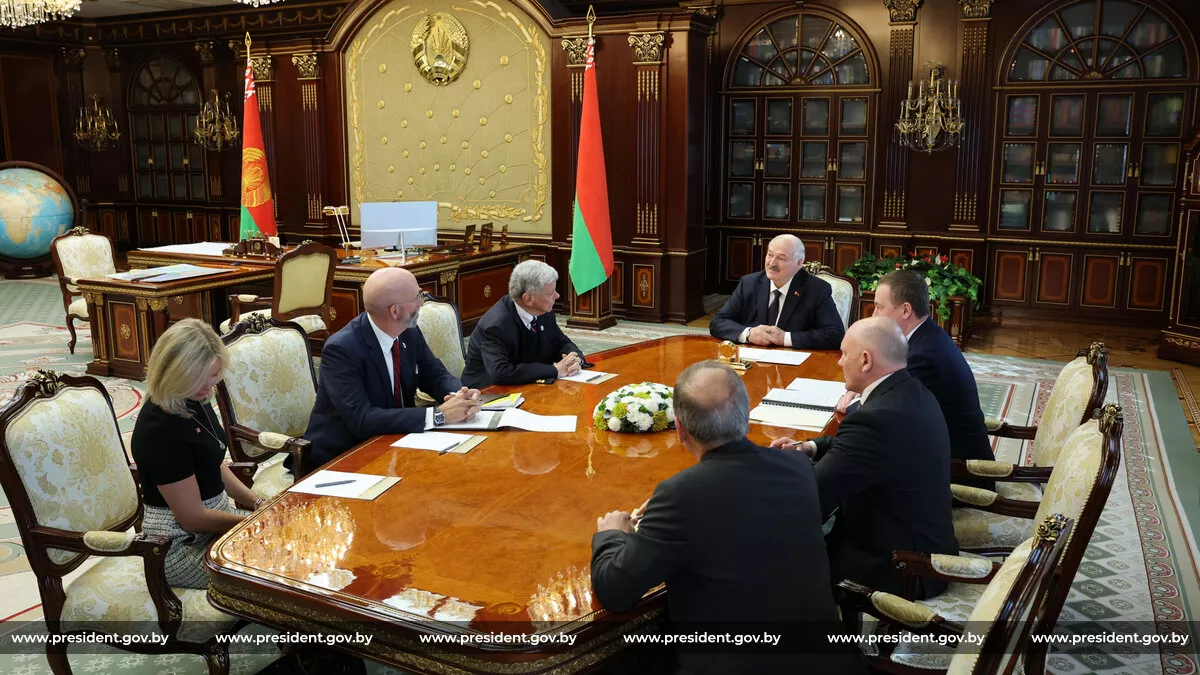
The meeting between John Coale and the Belarusian president took place at the Palace of Independence. Also taking part on the Belarusian side were Prime Minister Alexander Turchin, KGB Chairman Ivan Tertel and Belarus’s Permanent Representative to the UN Valentin Rybakov. The US delegation included Christopher Panico, Deputy Assistant Secretary of State for Eastern Europe, who had previously worked at the OSCE mission in Belarus and served as a secretary at the US Embassy in Minsk.
Alexander Lukashenko warmly welcomed the US envoy: “Dear John, we live far apart, so we don’t see each other often. But I welcome you to Belarus. We have not kept your visit secret. And you did not exactly keep it secret either — we knew about it. I must tell you that society is following your visits with great interest. And, of course, our neighbours and other heads of state are closely following our meeting.”
John Coale conveyed Donald Trump’s greetings to the Belarusian president and assured him that Trump supports everything being done as part of the negotiations.
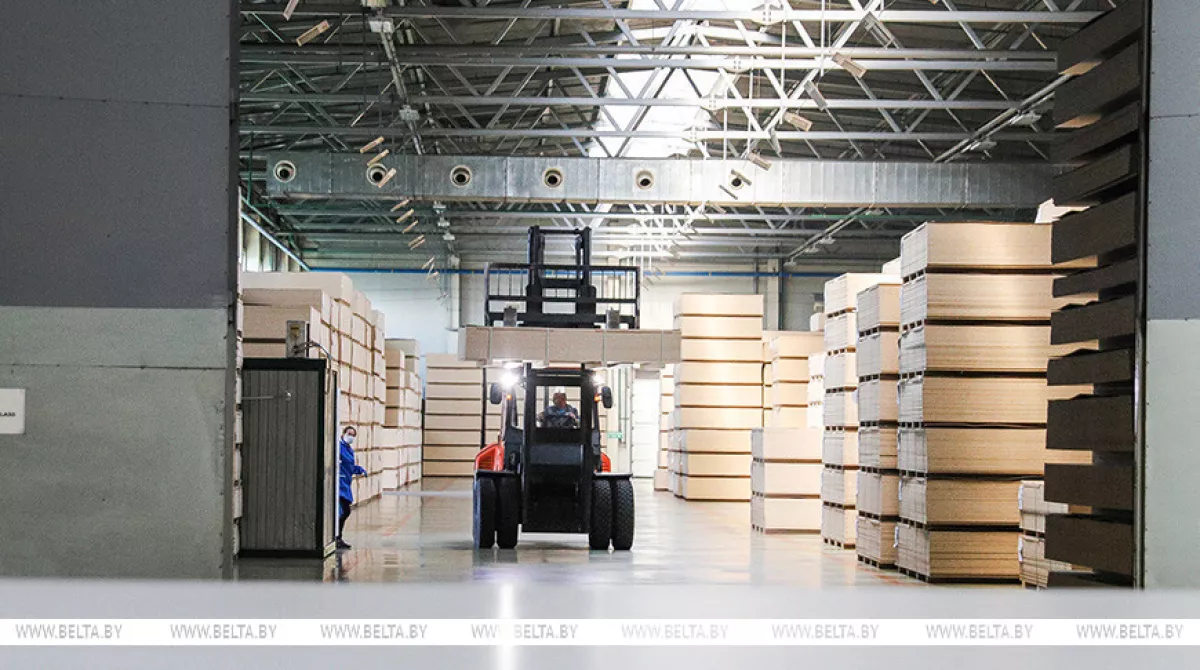
On September 16, Trump’s special envoy told Belarusian journalists that significant progress had been made during the talks in Minsk. The United States is prepared to lift sanctions on two Belarusian companies — the Bellesbumprom concern and Lakokraska OJSC. The issue of Belarusian funds blocked at Citibank in the United States was also discussed. The amount in question is $43–44 million.
“This money must be unfrozen and returned. We have approached the bank with a request to unfreeze these funds. We are now working out a mechanism for how to do this. As soon as we receive a concrete answer from the bank, we will immediately inform you,” John Coale said.
On September 11, Alexander Lukashenko told journalists: “$43–44 million of ours has been stuck at Citibank — a company that worked with us paid the money. It is stuck in wealthy America. Please return this money to us. The government reported to me in writing. Return the money! This is a disgrace for the United States. Then we will negotiate more serious matters with you.”
The release of people convicted in connection with the events of 2020 was also discussed at the meeting. At the same time, Alexander Lukashenko stated: “There are no political prisoners in Belarus, because there is no such provision in our legislation. Yet there is a great deal of talk about this—about releasing people who (as a lawyer or attorney, you understand this perfectly well) are legally under investigation or serving sentences in correctional labor colonies.”
Following the talks, Belarus released 25 prisoners. In return, the United States announced the lifting of sanctions on two Belarusian companies.
International issues and the bilateral agenda were also discussed. Summing up the meeting, John Coale said: “The parties will continue working to resolve the outstanding issues. Once all the issues have been resolved and agreed upon by both sides, there will be additional releases of individuals and the lifting of sanctions on Belarusian companies.”
According to Coale, the meeting also resulted in agreement on some kind of interim arrangement. Its details have not yet been disclosed.
During the talks, Alexander Lukashenko said: “The only thing — and this is not a demand, but a request from me to you — is that we strictly adhere to our agreements. On our side and on the US side.”
Following the meeting in Minsk, John Coale said he was “very, very” grateful to Belarus and Alexander Lukashenko.
The logic of escalation vs. the logic of logistics
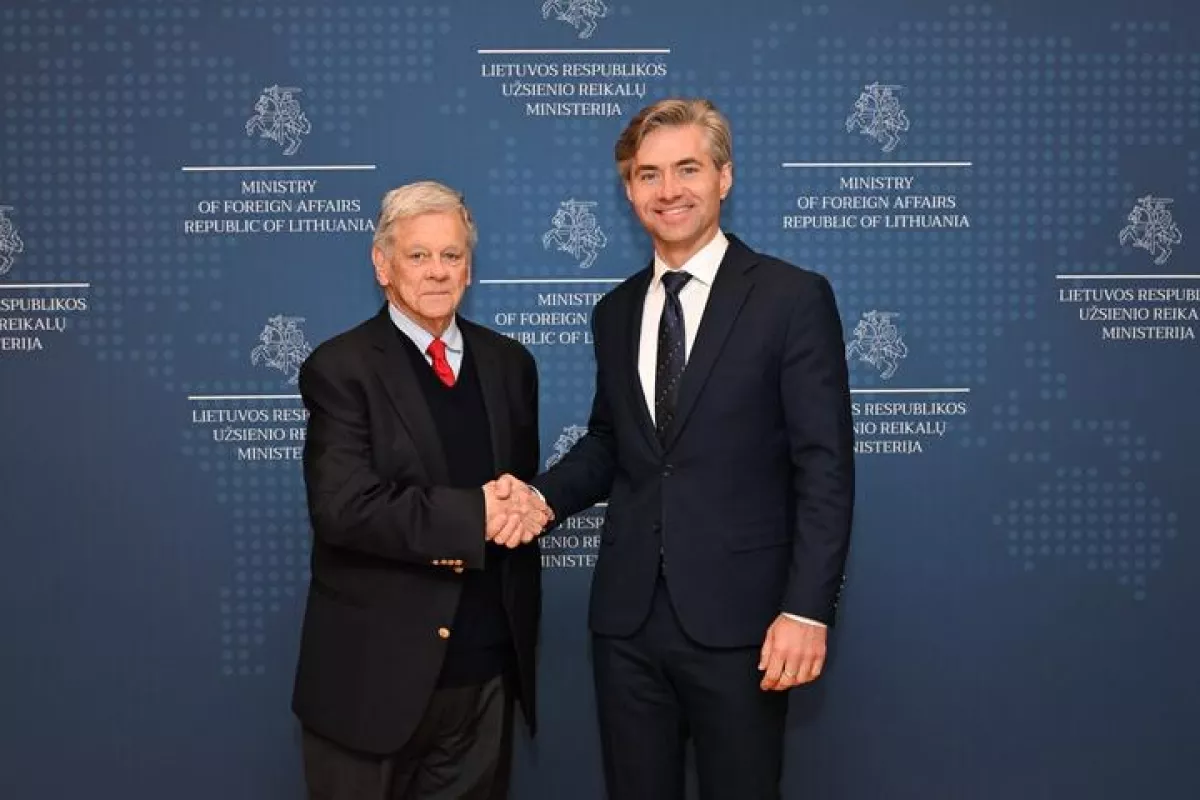
On his way to Belarus, Donald Trump’s special envoy visited Vilnius, where he held talks with Lithuanian Foreign Minister Kęstutis Budrys on September 14.
During previous talks, the United States had already lifted sanctions on a number of Belarusian enterprises, including Belaruskali. However, shipments of Belarusian potash fertilisers to the United States ran into logistical problems. The most convenient transit route via the port of Klaipėda has been closed by Lithuania in accordance with European sanctions against Belarus.
In July 2026, the General Court of the European Union rejected a challenge by Lithuanian stevedoring company BKT seeking to have the ban on certain types of Belarusian potash products annulled or disapplied.
The issue remains unresolved despite efforts by the US side. At the same time, one vessel carrying Belarusian potash fertilisers for the United States has already been loaded. Its departure remains dependent on the choice of an alternative route, including via Russian ports.
The state-owned Bellesbumprom concern was added to the US sanctions list in December 2023. Bellesbumprom is also subject to EU sanctions. Before the sanctions were imposed, up to 40% of the concern’s products were supplied to the European market, while Lithuanian businesses in the timber-processing sector were among its major partners.
Following the introduction of sanctions, Bellesbumprom’s trade flows were largely redirected eastwards, including to China, Azerbaijan and Central Asian countries. The lifting of US sanctions is likely to affect the Belarusian concern primarily in terms of financial transactions.
The Lida-based Lakokraska enterprise was first placed under US sanctions in May 2008 as part of the Belneftekhim concern. In September 2008, the United States temporarily suspended sanctions against Lakokraska for six months. Sanctions against the enterprise were subsequently imposed and lifted several more times. They were most recently reimposed in 2021.
The difficult road to de-escalation
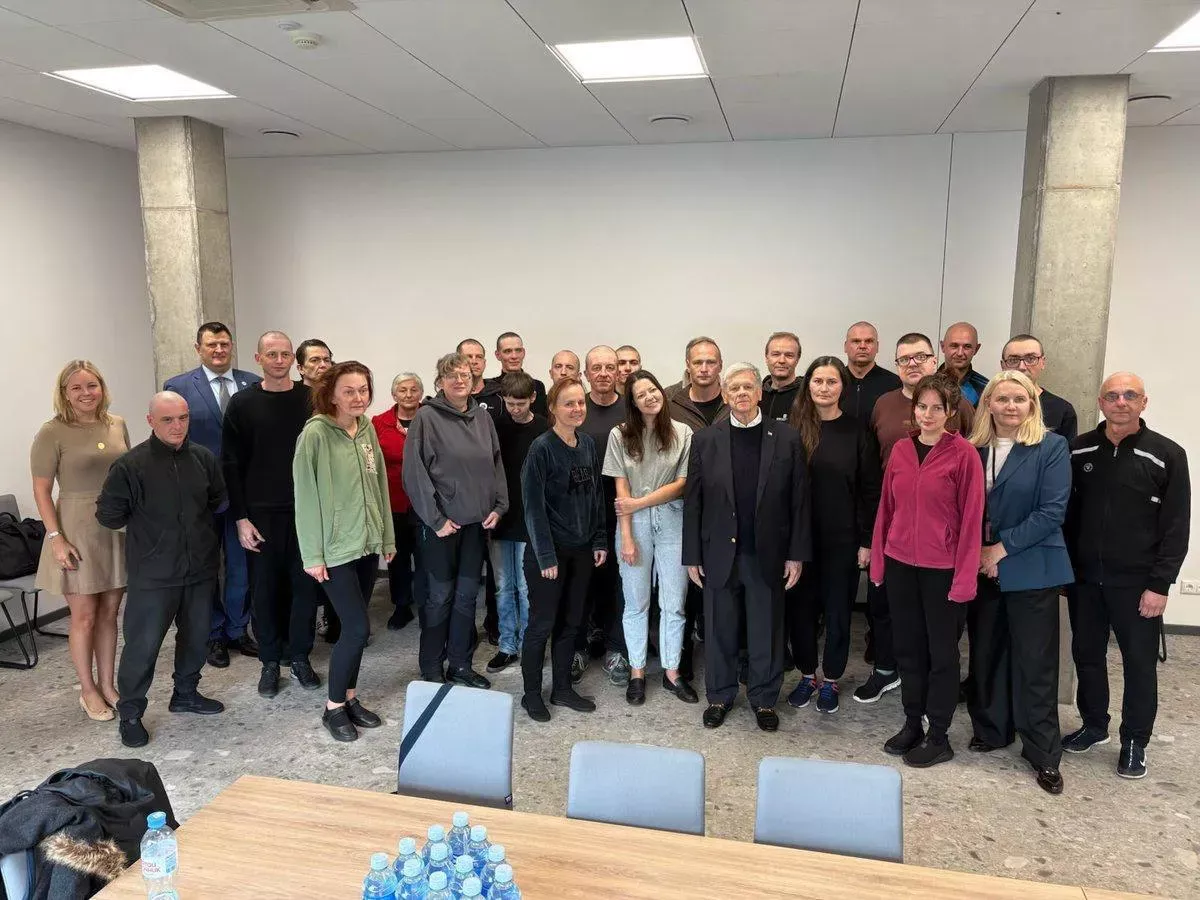
On September 16, the Belarusian side released 25 people who had been pardoned by the President of Belarus. Among them were Lyudmila Chekina, former CEO of the now-defunct opposition media outlet TUT.BY, and musicians from the band Tor Band. TUT.BY and Tor Band have been designated as extremist organisations in Belarus. The people released arrived in Lithuania the same day.
At the same time, representatives of the Belarusian opposition in exile expressed dissatisfaction that same day, describing the number of people released as insufficient. The position of Sviatlana Tsikhanouskaya’s office on the process of normalising relations between the United States and Belarus remains ambiguous. On the one hand, Tsikhanouskaya welcomed the release of prisoners. On the other hand, she has said that continued detentions make it impossible to view the release of individual groups of prisoners as evidence that the repression has ended. Reuters also reported her position that new detentions continue in Belarus even after some people are released.
Following the latest release, Tsikhanouskaya’s adviser Denis Kuchinsky reiterated a similar point in an interview with the opposition outlet Belsat. However, according to the position cited, he did not name the individuals allegedly detained again or provide details of their cases.
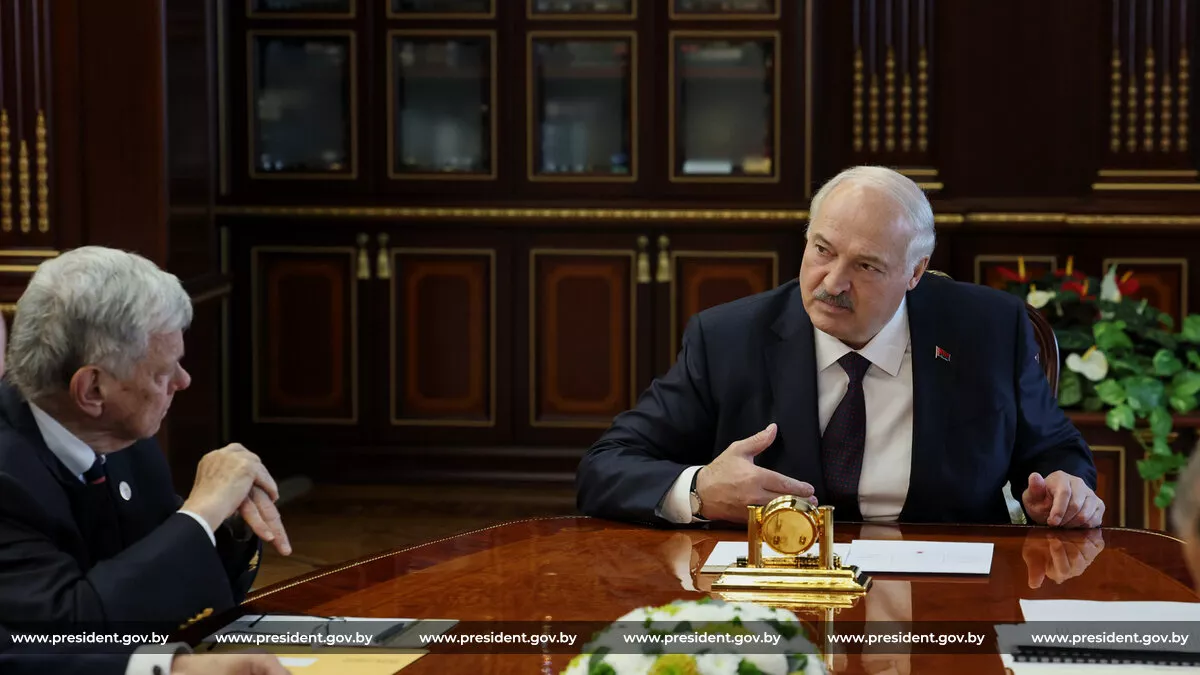
Alexander Lukashenko, for his part, rejected claims during his meeting with Trump’s special envoy that released prisoners were being replaced by new detainees: “I am leading you to the main issue. Our fugitives are spreading the narrative in the West and, I feel, according to the information I have, they have convinced you that we release some people here but, while continuing the repression, detain twice as many people in their place. I want to tell you publicly that this is absolutely untrue. We have no such objective — to send new people to correctional labour colonies in place of those who have been released. We do not have such a problem. We are not doing this and will not do so. These are our Belarusians.”
Critical comments regarding the new understanding between Washington and Minsk have also appeared on opposition media outlets. A number of prominent representatives of the Belarusian opposition likewise criticised the talks, arguing that engagement with the United States is allowing Belarus to gradually return to the international agenda.
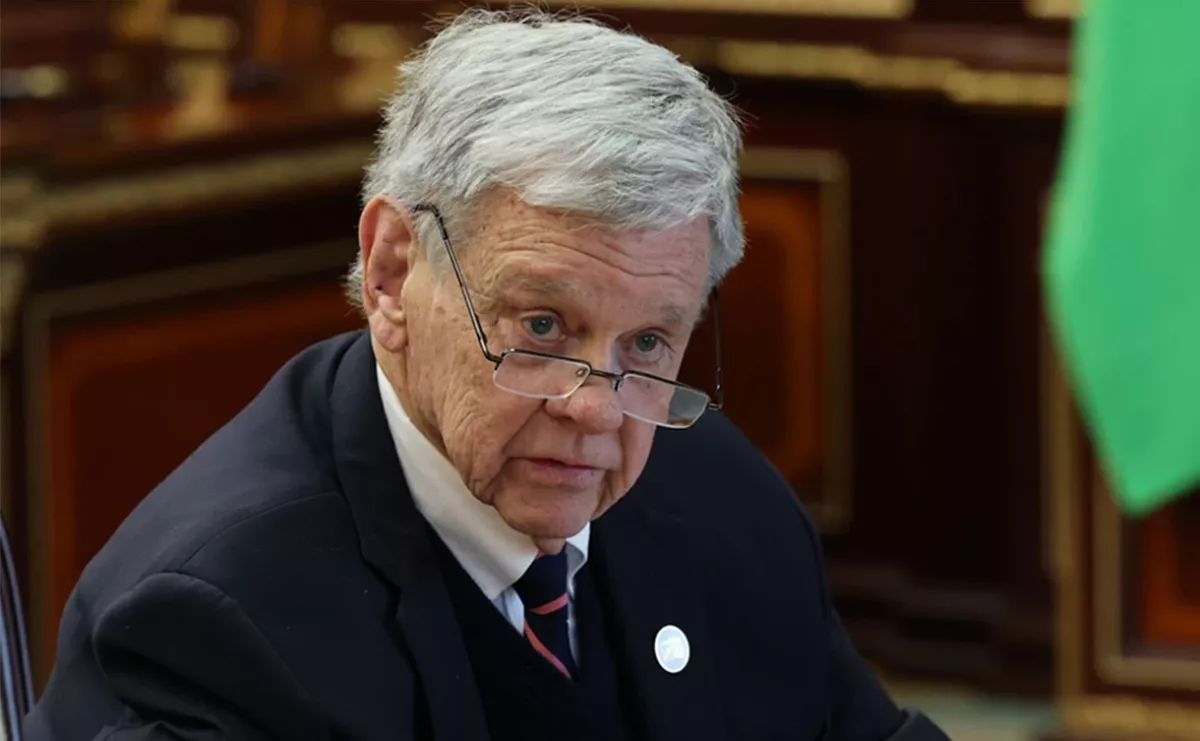
Opposition representatives also said that the number of people released under the current agreement should have been significantly higher. In an interview with Reuters, however, John Coale said that the number of prisoners to be released had changed during the negotiations: “At first there were two. Then 14. Then the numbers went up and down… For me, the important thing is that the process moves forward and people gain their freedom. And today I left [in Vilnius] a group of 25 people who are very happy.”
John Coale also said that Donald Trump was pleased with the latest results of the talks. According to the special envoy, international conflicts are hindering further progress in the negotiations. Describing the end of his meeting with Alexander Lukashenko, Coale recounted an exchange between the two: “At the end, when I was leaving, I shook his hand and asked, ‘Are we still friends?’ He laughed and replied, ‘Yes.’”
In another interview, Trump’s special envoy said: “We are almost certain that a larger number of prisoners will be released in about a month. We used what you would call ‘Trumpism’ — very friendly, but very direct — and got a lot done.”
According to Coale, around 700–800 people were released in Belarus during previous rounds of negotiations. He plans to make his next visit to Minsk in about a month. Reuters also reported his expectation that hundreds more people could be released as part of the next round.
……
Apparently, the latest meeting was only the first phase of a new stage in the negotiations, within which the sides reached the “interim agreement” announced by both parties. In the near future, following detailed work on the remaining issues, further steps could be taken by both sides — both in terms of sanctions policy and pardons.
At the same time, each subsequent meeting is becoming increasingly substantive and focused on concrete agreements. Judging by Alexander Lukashenko’s statements, the Belarusian side is placing particular emphasis on practical results and compliance with the agreements reached.
The prospects for further normalisation of Belarus-US relations nevertheless remain a subject of debate. Representatives of the Belarusian opposition and human rights organisations point to continued detentions and the large number of political prisoners still held in Belarus, while Minsk rejects the characterisation of these cases as political persecution.
Thus, further de-escalation will depend not only on new releases and possible sanctions relief, but also on whether the parties can establish a sustainable mechanism for implementing the agreements they have reached.







 editor@caliber.az
 +994 55 444-88-98
 Азербайджан, Баку, ул. Низами, 203, Af Business House, 5-й этаж