










A future beyond NATO Analysis by Serhey Bohdan
The American president and European leaders have long debated the West’s principal military instrument—the NATO alliance. Now, however, they have moved from words to action. Europeans are refusing to allow the United States to use even their airspace in a war against Iran, while the Americans are declining to assist Europeans in reopening the Strait of Hormuz. All of this reflects the erosion of NATO’s foundations and the parallel transformation of the European Union. Together, these processes have led to fundamental divergences between the EU and the United States.
“Disgust” for NATO
This week, U.S. President Donald Trump repeatedly signalled that he is considering a U.S. withdrawal from NATO. On April 1 alone, two interviews and a televised address were released in which he spoke of his “disgust” for NATO. This should not be dismissed as mere bluff or rhetorical flourish. The point is that, in parallel, though in less vivid language, similar messages were delivered by Secretary of State Marco Rubio, Defense Secretary Pete Hegseth, and U.S. Ambassador to NATO Matthew Whitaker. All of them spoke about Washington reassessing its commitments to NATO, with Hegseth even declining to reaffirm adherence to the alliance’s principle of collective defence. In short, the U.S. position on NATO appears increasingly consolidated.
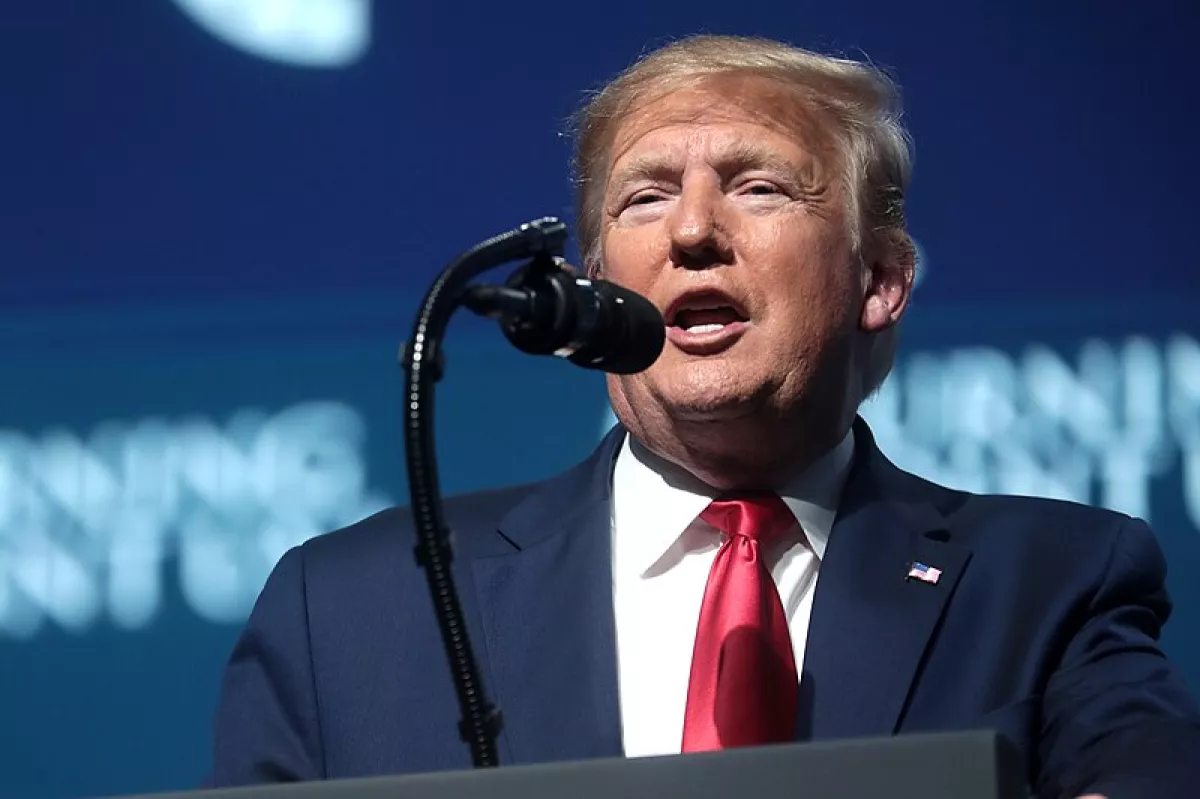
At the same time, Donald Trump has moved from words to action. In his televised address to the nation, he stated that he has no intention of reopening the Strait of Hormuz in the interests of NATO allies.
In Europe, officials have persistently tried to maintain the appearance that the situation remains under control. Recently, a spokesperson for the German government brushed aside a question about potential U.S. plans to leave NATO, remarking that Trump had made such statements before. The implication was that Europeans had previously managed to navigate awkward situations involving Trump. These “solutions,” however, have consistently amounted to transferring ever greater sums of money to the American side.
Yet this time, even that approach may not work. As reported by the Financial Times, the U.S. leadership is considering halting arms supplies to Ukraine—striking at the European Union’s primary foreign policy and military priority: the war with Russia. Such a move would signal the failure of NATO European members’ attempts to reach a compromise on supplying Ukraine. Last summer, NATO Secretary General Mark Rutte proudly launched the PURL programme, establishing a mechanism through which the United States would sell weapons to European partners for Ukraine. The initiative was intended to address concerns raised by Trump about fairness in burden-sharing. As we can see, however, the issue is far from resolved.
The EU as a military force
In assessing the current situation around NATO, it is important to recognise that European actions have also significantly contributed to it. Even in the present crisis surrounding the war in the Middle East, Spain, France, and Italy have refused to allow the United States to use their airspace for military operations against Iran.

The United Kingdom then took matters further by organising a videoconference on April 2 with representatives from more than three dozen Eurasian countries to discuss the Strait of Hormuz—notably without the participation of the United States. At the same time, European countries and their partners began pursuing separate arrangements with Iran. Soon, tankers from France and later Japan resumed passage through the strait.
Moreover, on April 3 it emerged that a draft United Nations Security Council resolution—nominally proposed by Bahrain but effectively backed by Washington—authorising the use of force against Iran was blocked not only by China and Russia, but also by… France.
In other words, European states have begun addressing their concerns directly with a country with which the United States is engaged in a full-scale war. Under such circumstances, can one still speak of NATO’s much-vaunted Article 5 on collective defence? It is worth recalling that back in 2001, following the September 11 attacks, all NATO members stood shoulder to shoulder with Washington after the alliance invoked Article 5.
Of course, there have been moments in the past when European countries disagreed with decisions taken by American presidents. The controversies surrounding the Iraq War are well remembered, as many European states initially declined to participate. Yet even then, they merely stepped aside for a time before later becoming involved in the U.S.-led occupation. Crucially, they did not engage in parallel negotiations with Baghdad during the conflict.
Today’s decisions by European states to distance themselves from the United States—and even to seek their own channels to Tehran—are not isolated initiatives by individual politicians. Rather, the position of the European Union and its leading members appears as consolidated as Washington’s stance on a possible withdrawal from NATO. The fact that the EU’s approach has been long in the making—carefully weighed and considered—is evident in the European response to criticism from Donald Trump over their refusal to join the war against Iran.
While Europe fears a potential U.S. exit from NATO, it shows no sign whatsoever of being willing even to consider complying with Trump’s demand to participate in military action against Iran.

French Deputy Defence Minister Alice Rufo went even further, bluntly stating: “Let me remind you what NATO is. It is a military alliance concerned with the security of the Euro-Atlantic region. It is not designed to carry out operations in the Strait of Hormuz, which would be a breach of international law.”
Moreover, even Washington’s closest allies in Europe have not rallied behind the war with Iran for the sake of preserving NATO. In recent decades, Poland has consistently relied on its alliance with the United States as the foundation of its influence on the continent, yet Polish authorities now appear uncertain.
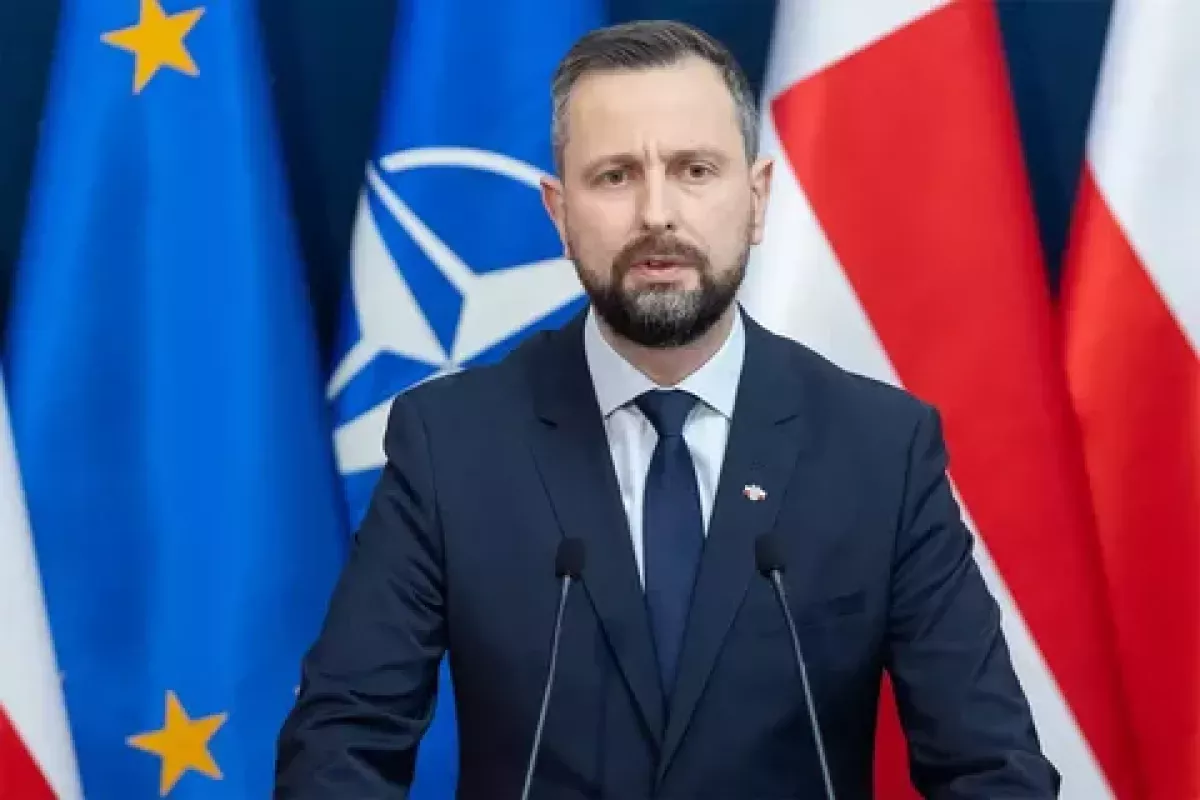
Polish Minister of National Defence Władysław Kosiniak-Kamysz has expressed only cautious hope that “amid the emotions surrounding the President of the United States today, a moment of calm will come [...] Because there is no NATO without the United States, and it is in our interest that this calm comes. But there is also no American power without NATO.”
Meanwhile, the United Kingdom—arguably the United States’ oldest and closest ally in both Europe and globally—has gone even further, openly discussing a reassessment of its foreign policy priorities.
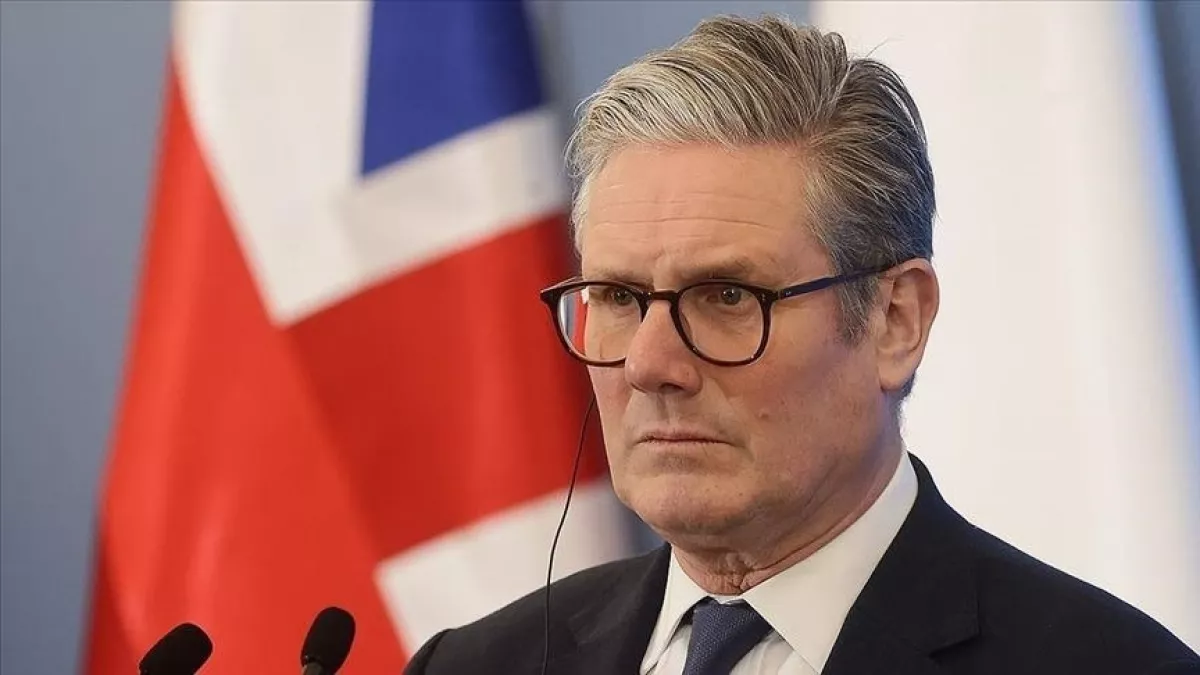
British Prime Minister Keir Starmer stated on April 1 that, regardless of the circumstances, he would act in his country’s national interest—clearly implying that London does not intend to support the United States and Israel in a war with Iran. He then added that the instability linked to the current conflict is prompting the United Kingdom to strengthen its economic and military ties with the European Union—a remark that sounded very much like a challenge to Washington. Notably, this is not merely Starmer’s personal view.
In late March, the UK Parliament’s National Security Strategy Committee published a report urging the government to work more closely with European partners in preparation for “a worst-case scenario where Europe can no longer rely on US support in the event of a crisis.”
From an effective military bloc to a cumbersome behemoth
One should not miss the forest for the trees: behind the current exchanges between Washington and European capitals lie deep strategic divergences, with the present disagreements over Iran serving merely as a trigger for clarifying positions. In the current configuration, despite the striking nature of some of the American leadership’s moves, the United States has not fundamentally altered its course, continuing its pursuit of global hegemony.
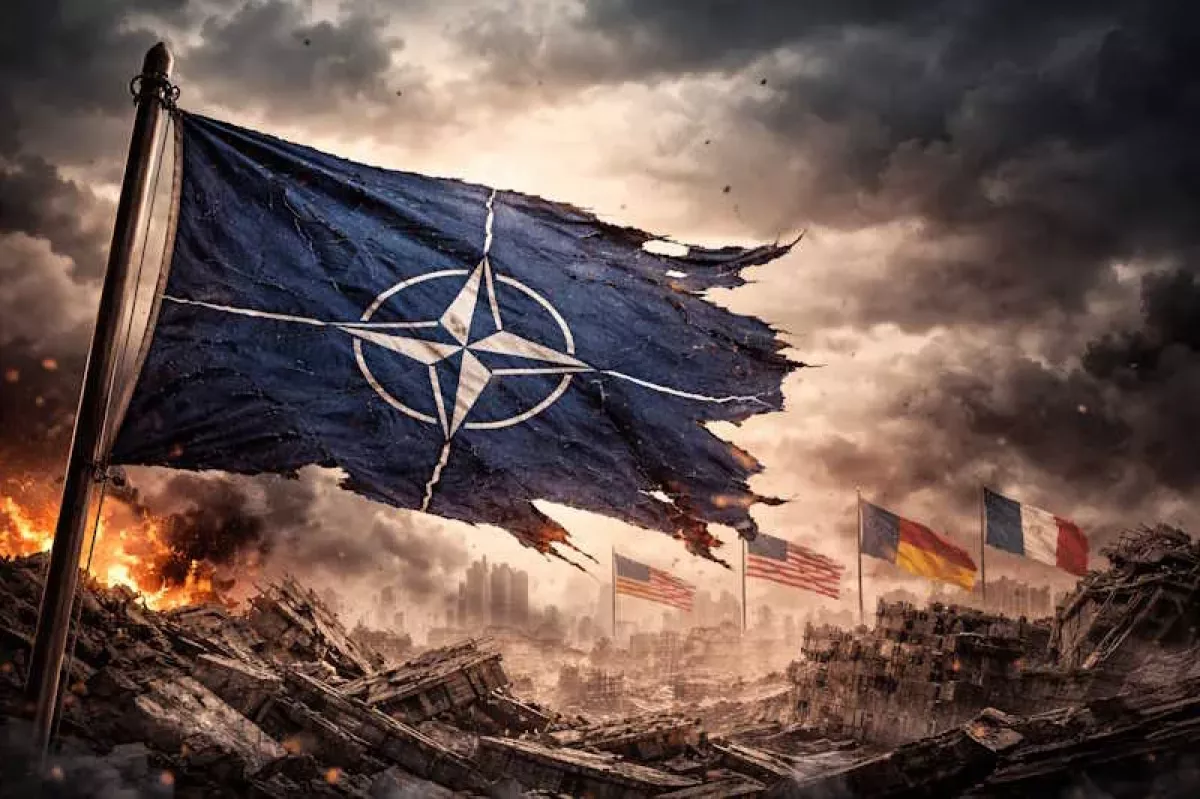
What has changed is the role and very nature of the two key pillars of the “collective West” — NATO and the European Union. NATO has rapidly lost much of its functionality, while the EU is undergoing a process of militarisation. Seen in this light, the current disputes appear both logical and inevitable when one considers the trajectory of NATO and the EU over recent decades. It also becomes clear why NATO has come to be viewed by the Americans as a questionable project, and the EU as a problematic partner.
To begin with, NATO’s unrestrained eastward expansion after the Cold War ultimately did it a disservice. Prior to this expansion, NATO existed as a relatively compact alliance of militarily capable states with a clearly defined set of shared interests. The bloc deployed sufficient forces to counter the Soviet Union and its allies, while also seeking—where possible—to introduce mechanisms aimed at reducing the risk of direct confrontation. These ranged from maintaining a number of neutral states that acted as a security buffer between NATO and the Soviet Union, to an increasing number of mutual inspections and other confidence-building measures.
Following its expansion, NATO evolved into a cumbersome structure in which a good dozen member states possess only symbolic armed forces and lack the capacity to defend even their own territory independently. Yet these countries not only gained a greater voice within the alliance—they also began to exploit its mechanisms to pursue narrow national agendas, sometimes directly contradicting the interests of other members. Speaking of shared strategic objectives has thus become increasingly difficult: the alliance’s expansion in multiple directions, incorporating states with sharply divergent foreign policy orientations, has complicated consensus-building even in situations requiring urgent action.
A telling example can be found in Türkiye’s difficulties in securing NATO support in its fight against armed extremist groups along the Syrian border in the 2010s—from forces linked to so-called “Rojava” to the Islamic State (ISIS). The situation often appeared paradoxical: a key NATO member, possessing the alliance’s second-largest military, was forced to justify its position before a host of Eastern European politicians whose contributions to the alliance’s defence capabilities were minimal, yet who remained highly vocal about historical grievances.
At the same time, the mechanisms designed to reduce risks on the continent were being systematically dismantled—arms control frameworks collapsed, and the neutrality of the states that had once served as a buffer between NATO and Russia was effectively eliminated.
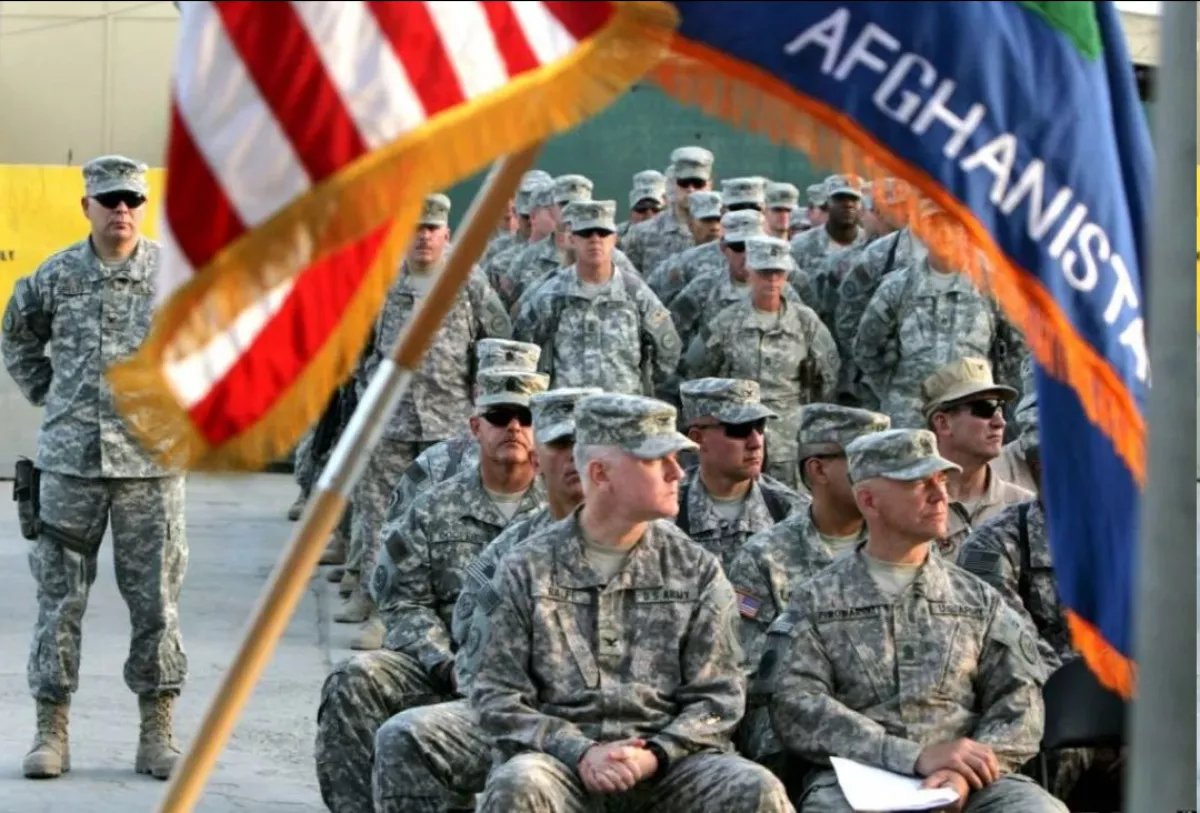
All of this has turned NATO into a structure of questionable effectiveness when it comes to sustaining the global influence of the “collective West.” The consequences have been visible even in specific cases: its involvement in the war in Afghanistan was more symbolic and controversial than a display of meaningful support for the United States. Donald Trump himself pointed this out in January, triggering a wave of indignation across Europe.
Another example is NATO’s inconsistent and often ineffective approach to supporting Ukraine in its confrontation with Russia since 2014. Kyiv did not receive timely or sufficient assistance to achieve concrete objectives—aid was either too limited, inappropriate, or delayed. Notably, some of the Ukrainian army’s recent successes—in February, for the first time in more than two years, it regained control over a larger area than it lost—occurred against the backdrop of reduced supplies. This underscored a key reality: Ukraine’s resistance has been sustained primarily by its own capabilities rather than external assistance.
At the same time, while failing to provide the level of support necessary to change the situation decisively, European countries created a dangerous illusion of imminent, substantial aid—thereby encouraging Kyiv to continue a war against a major power. Given the shared membership of European states and the United States in NATO, this dynamic carried the risk of drawing Washington into a direct conflict with Russia.
At the same time as these risks were mounting, Washington was observing another contradictory trend on the European continent—the militarisation of the European Union. The roots of this transformation are particularly noteworthy. EU politicians often cite the intransigence of the U.S. administration under Donald Trump and the difficulty of working with it within NATO as the main drivers behind the EU’s militarisation.
Yet one may ask: what prevented them from addressing the very issues raised by Trump—meeting agreed defence spending targets as a share of GDP, investing more substantially in support for Ukraine in its war with Russia, or contributing meaningfully to operations in Afghanistan and other expeditionary campaigns?
Ideological differences have also played a role. Trump’s clash with the global liberal establishment—largely defeated within the United States but still influential across the European Union—has further deepened transatlantic divisions.
But a closer look reveals another key factor—financial flows, which always bring clarity to the chaos of political disputes. For EU politicians, it is far more advantageous to build a military component within the European Union itself, transforming it into a military bloc, rather than maintaining a dual structure in the form of EU–NATO. The reason is simple: graft, kickbacks, and other schemes involving the misuse of civilian funds pale in comparison to the opportunities presented by military budgets. Moreover, military corruption is easier to conceal—everything is “top secret.” One need only recall the multibillion-dollar scandal involving kickbacks paid by Lockheed Martin over more than two decades during the Cold War, which implicated politicians and ruling families across leading Western countries—yet despite the evidence, it resulted in virtually no punishments or corrective measures.
This is not an isolated case; it is standard practice within the Western liberal-democratic establishment. In short, developing a military component within the EU opens up enormous opportunities for Euro-liberal elites, opportunities that appear far more attractive to them than the mechanisms of military cooperation via NATO. Crucially, within the EU it is easier to sideline American competitors—say, in arms procurement—whereas within NATO in recent years, this has become practically impossible, forcing Europeans to channel new defence budgets directly to the U.S. military-industrial complex.
In any case, weapons are being acquired, Europe is arming itself, and the EU is creating new options for military solutions. And in Brussels, there is a clear awareness of the potential applications of these options. No, not against Iran or China—their policies are primarily a concern for the United States.
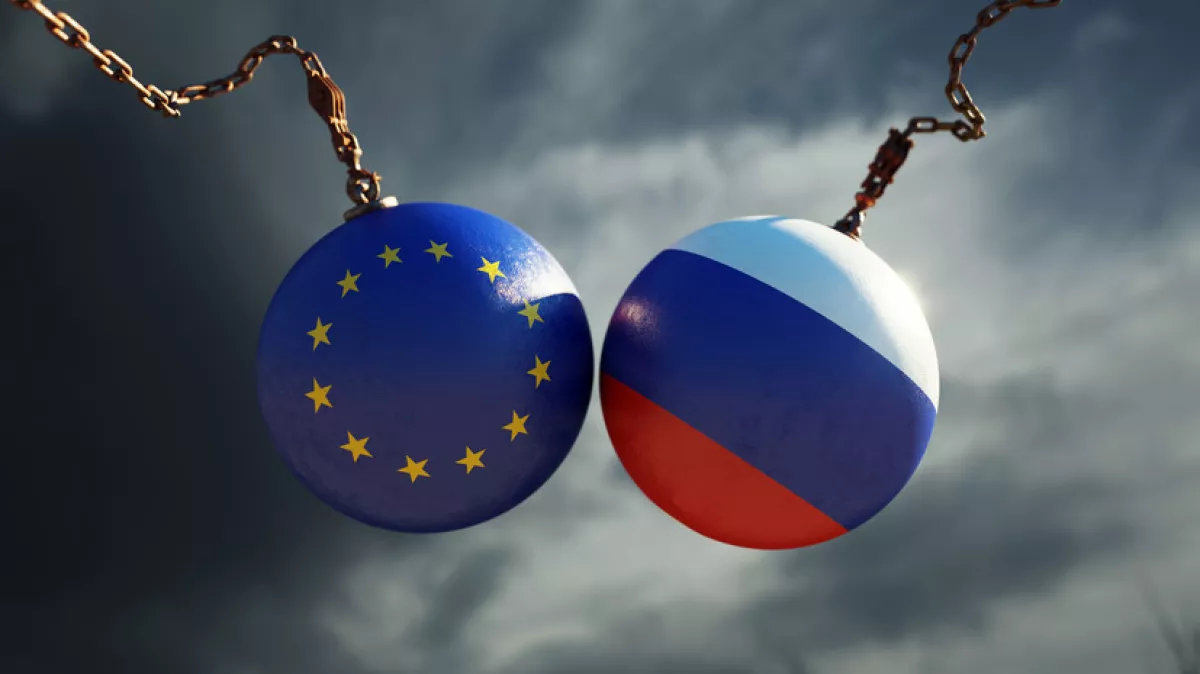
For the EU, the primary strategic question is its confrontation with Russia. The ultimate outcome of this confrontation will determine the fate of the European Union itself. A victory would not merely justify the EU’s extensive expansion and militarisation—it would also serve as a solution to the bloc’s economic challenges.
European elites are preparing the continent for a potential military clash precisely in anticipation of gaining access to cheap Russian resources and markets. They continually frame the end of this decade as the critical moment—the “D-day”—for this strategy.
Success would allow the EU to reclaim a leading role in global politics, a prospect unlikely to sit well with Washington, which is focused on maintaining U.S. global hegemony. The weakening of Russia would also benefit China, giving Beijing additional time for its “peaceful rise” and access to extra Russian resources.
This is why Donald Trump opposes any escalation of conflict with Russia, which Euro-liberal elites are attempting to exploit through NATO mechanisms. In other words, the U.S. has numerous reasons to reconsider its relationship with NATO, whose situation has clearly spun out of control due to the strategic reorientation of several of its members—and all these reasons are long-term and unlikely to be resolved in the near future.
Officially leaving NATO would be difficult for Trump due to the cumbersome legal process involved, which is why his liberal opponents claim it’s just a bluff by the White House—a bluff that, they say, would dissolve if he actually tried to push such a decision through the U.S. Congress. Yet, in today’s world, legal norms in international politics have become so shaken that workaround maneuvers are increasingly replacing long-established procedures.
Even the conduct of wars is now governed by new norms — considering how the U.S. carried out invasions of Afghanistan, Iraq, or Libya without declaring war, Russia similarly invaded a fraternal country without a formal declaration. In this case too, Americans could remain NATO members de jure while effectively distancing themselves from the alliance.
European Union countries could do the same. In fact, this is already happening, and from the European side, we are seeing even more steps that undermine the alliance. In any case, it is now possible to speak of NATO being gradually displaced by the EU in military affairs on the European continent and in its nearby approaches.







 editor@caliber.az
 +994 55 444-88-98
 Азербайджан, Баку, ул. Низами, 203, Af Business House, 5-й этаж