










Ankara summit: A test of NATO unity and resilience Overview by Teymur Atayev
If not long ago NATO summits were perceived as a symbol of Western unity, today they are increasingly becoming a platform for demonstrating disagreements within the alliance. Against this backdrop, particular interest is drawn to the 36th NATO Summit in Ankara, which will bring together not only member states of the bloc but also representatives of Southeast Asia, Oceania, and the Middle East. Can it change the current trend?
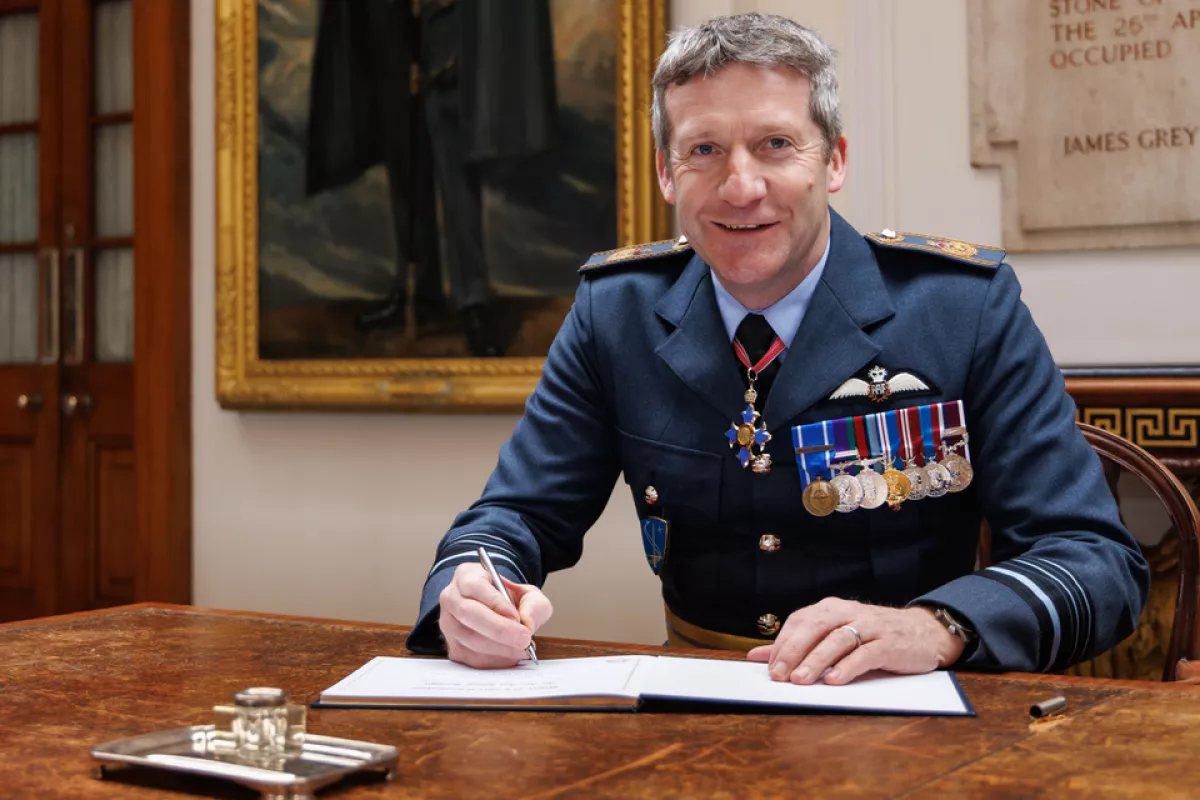
Deputy Supreme Allied Commander Europe John Stringer, calling NATO summits “highly political events,” emphasised the need to demonstrate the organisation’s unity and noted that NATO is in a zone of turbulence.
For this very reason, experts doubt whether such unity can be achieved given the firm stance of US President Donald Trump towards NATO allies. He continues to demand concrete steps from them to ensure their own security. In this context, his pre-summit statement does not appear coincidental, in which he once again expressed dissatisfaction that Washington spends significantly more on NATO than any other alliance country, citing corresponding figures.
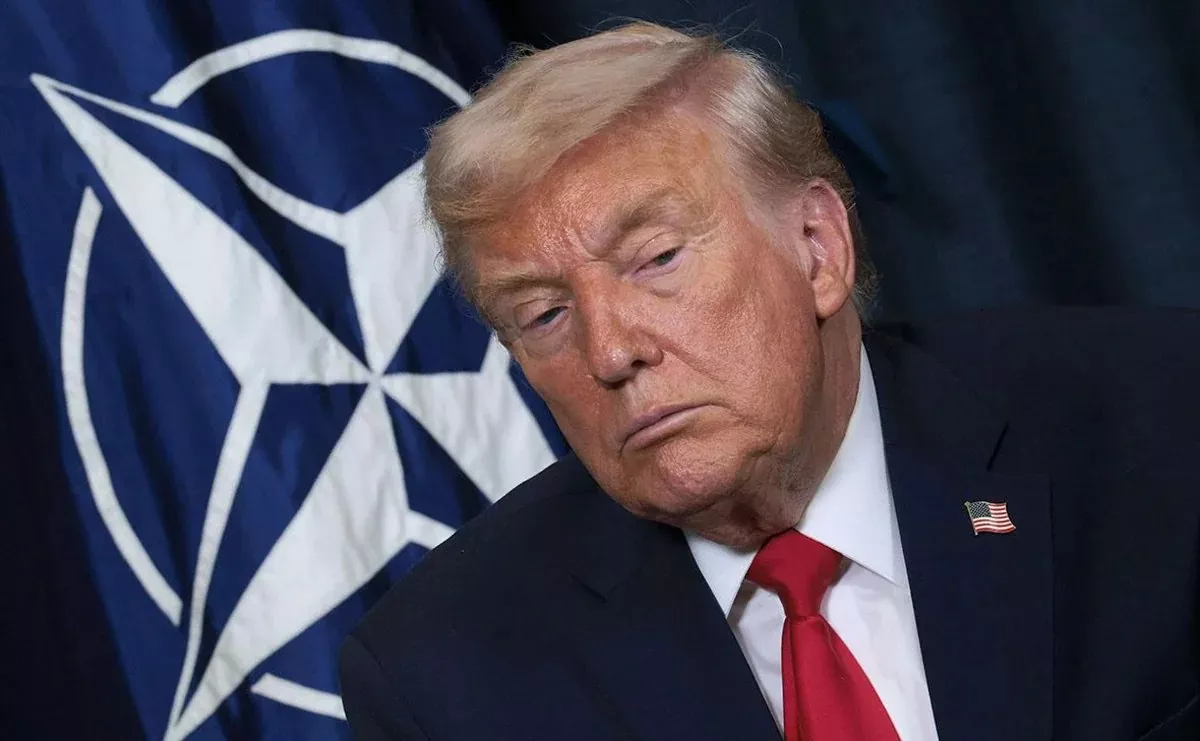
Trump called such a situation “ridiculous,” stressing that the United States bears this burden to protect its allies without receiving any “benefit” in return.
If we add to this Washington’s previously announced plans to reduce the American military presence in Europe, as well as Trump’s high-profile statements that, during the US–Iran conflict, NATO allies, in his words, did not provide even minimal support to the United States, it can be assumed that in Ankara many will once again have to listen to the grievances of the occupant of the Oval Office.
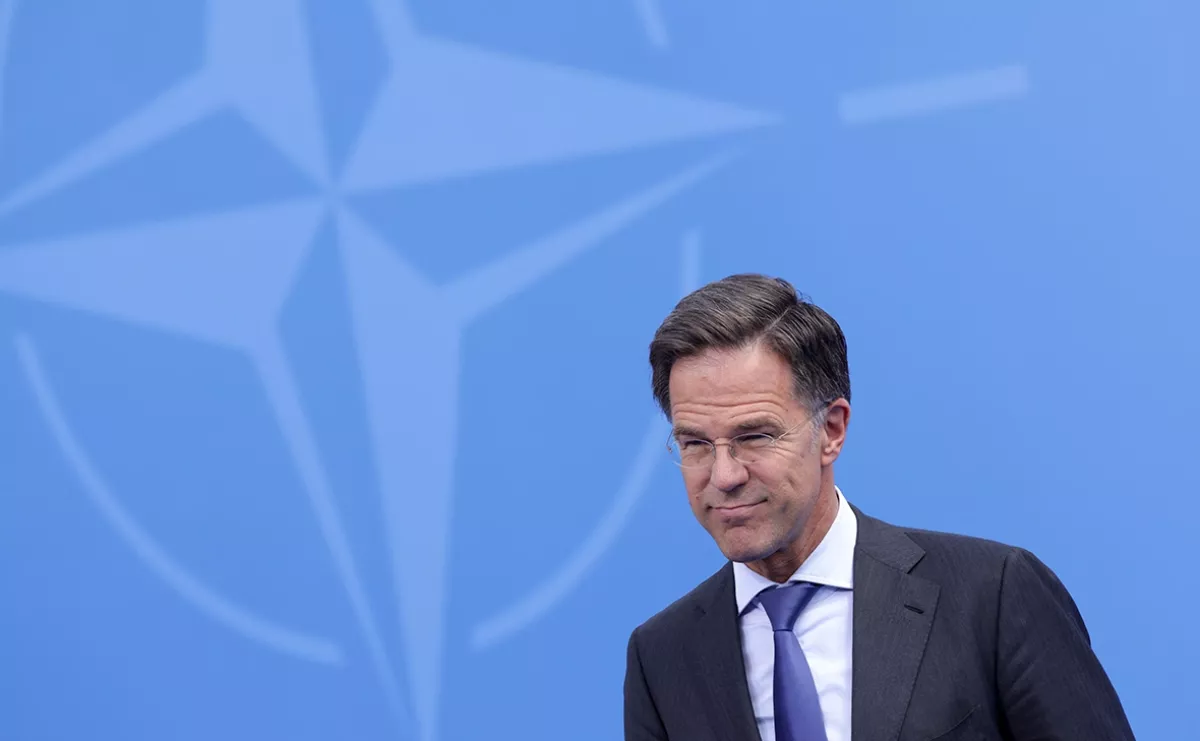
At the same time, ahead of the summit, NATO Secretary General Mark Rutte attempted to ease tensions by pre-emptively announcing that new defence contracts worth tens of billions of dollars would be presented in Ankara. These are expected to demonstrate the alliance’s concrete intentions to expand military production in order to strengthen collective security. However, whether this step will satisfy the US President remains an open question.
Beyond disagreements within the alliance, one of the key topics of the summit is expected to be the situation in the Middle East and broader region, where the interests of individual states are increasingly diverging. In particular, observers are drawing attention to the virtually open clash of positions between Türkiye and Israel.
As is known, the Israeli government decided to recognise the events of 1915 in the Ottoman Empire as the so-called “Armenian genocide,” which caused serious concern in official Baku. The Azerbaijani Foreign Ministry called on Israel to reconsider this decision, stressing that “the reduction of a complex historical issue to a political decision without a sound legal or scholarly basis, are unacceptable,” and that such actions “deepen existing divisions and undermine efforts to achieve lasting peace and stability in the region.”

Turkish President Recep Tayyip Erdoğan stressed that Ankara pays “no heed to the slanders directed at our country by the murder network that has the blood of 75,000 innocent people in Gaza, mostly children and women, on its hands,” adding that in Türkiye’s history “there is no genocide, no massacre, no oppression and no colonialism in our history. In our thousands of years of glorious history, there is only justice and compassion.”
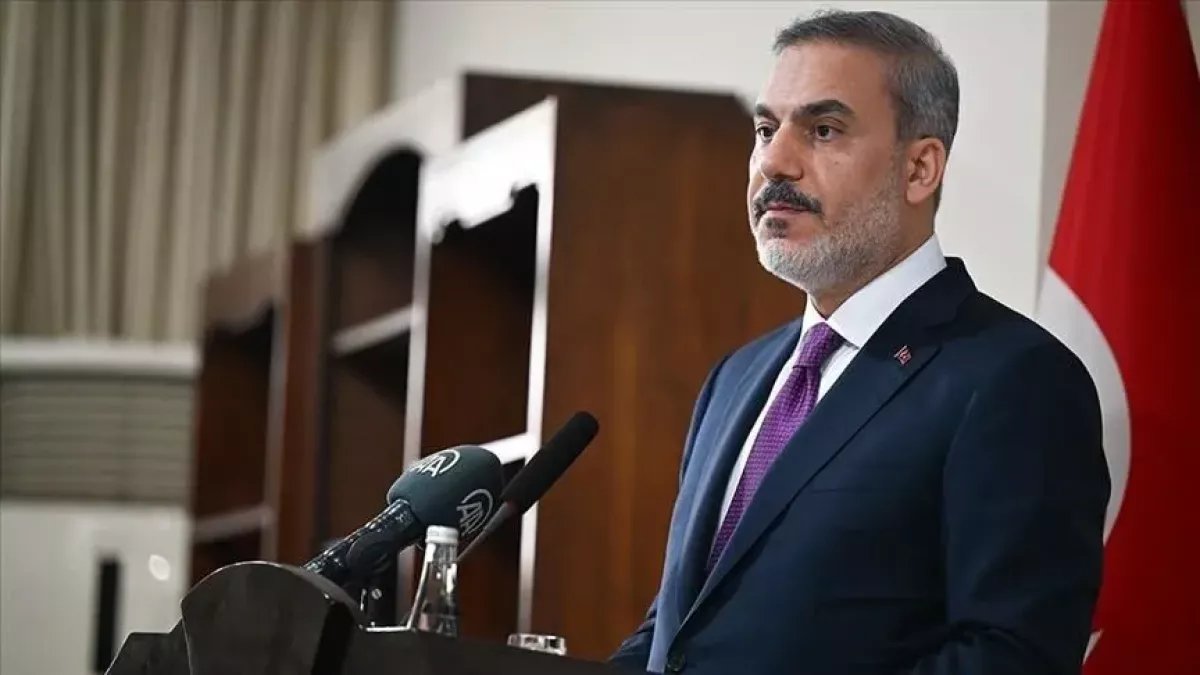
Turkish Foreign Minister Hakan Fidan described Israel as a problem not only for Türkiye but for the entire world, arguing that the country’s authorities have “become a burden that humanity can no longer bear.”
Against this backdrop, Washington’s position is of particular interest. Donald Trump stated that he does not believe a military conflict between Israel and Türkiye is possible. According to the 47th President of the United States, as long as he is in the White House, such a confrontation will not take place.
This is all the more notable given that Presidents Trump and Erdoğan — whom the American leader described as “a hell of a leader and a strong person” — demonstrate mutual respect. In the context of the upcoming summit, media outlets also cited Trump’s remarks that if the forum were not being held in Türkiye, he would not attend it.
“I'm going out of respect to President Erdogan,” President Trump stated.
At the same time, Ankara intends to use the summit to advance its own initiatives within NATO. According to Turkish sources, Türkiye is expected to demand the lifting of arms embargoes and export restrictions imposed by allies. In addition, Ankara plans to declare its ambition to play a more active role in Europe’s security architecture and seeks more substantial, targeted support in the fight against terrorism.
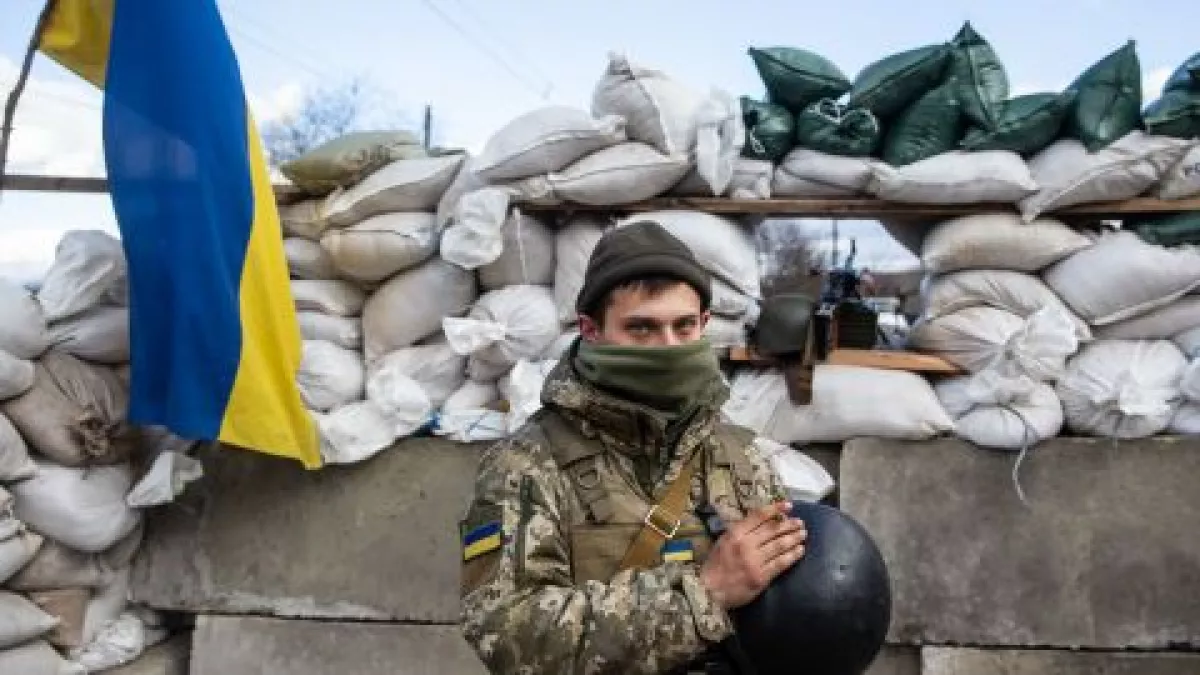
Another important item on the agenda, according to several media reports, will be continued support for Ukraine. It is reported that the draft final declaration of the Ankara NATO Summit envisages providing Kyiv with military assistance amounting to €70 billion annually in 2026–2027. At the same time, Ukraine is seen not only as a recipient of security assistance from NATO but also as a “provider” of security for the alliance’s European partners.
Thus, according to many experts, a smooth and trouble-free atmosphere should not be expected at the upcoming NATO Summit in Ankara. At the same time, they do not foresee a repeat of the scenario of the 2025 Munich Security Conference, when Washington effectively “overpowered” its European allies and partners.







 editor@caliber.az
 +994 55 444-88-98
 Азербайджан, Баку, ул. Низами, 203, Af Business House, 5-й этаж