










Cuba’s New Economic Policy: lifeline or the beginning of the end? Expert opinions on Caliber.Az
Donald Trump’s pressure on Cuba appears to be starting to produce results. The country’s parliament has unanimously approved a radical package of reforms involving the privatisation of a significant part of the economy. If the measures are implemented, the Cuban economy will undergo the most extensive transformations since the 1959 revolution.
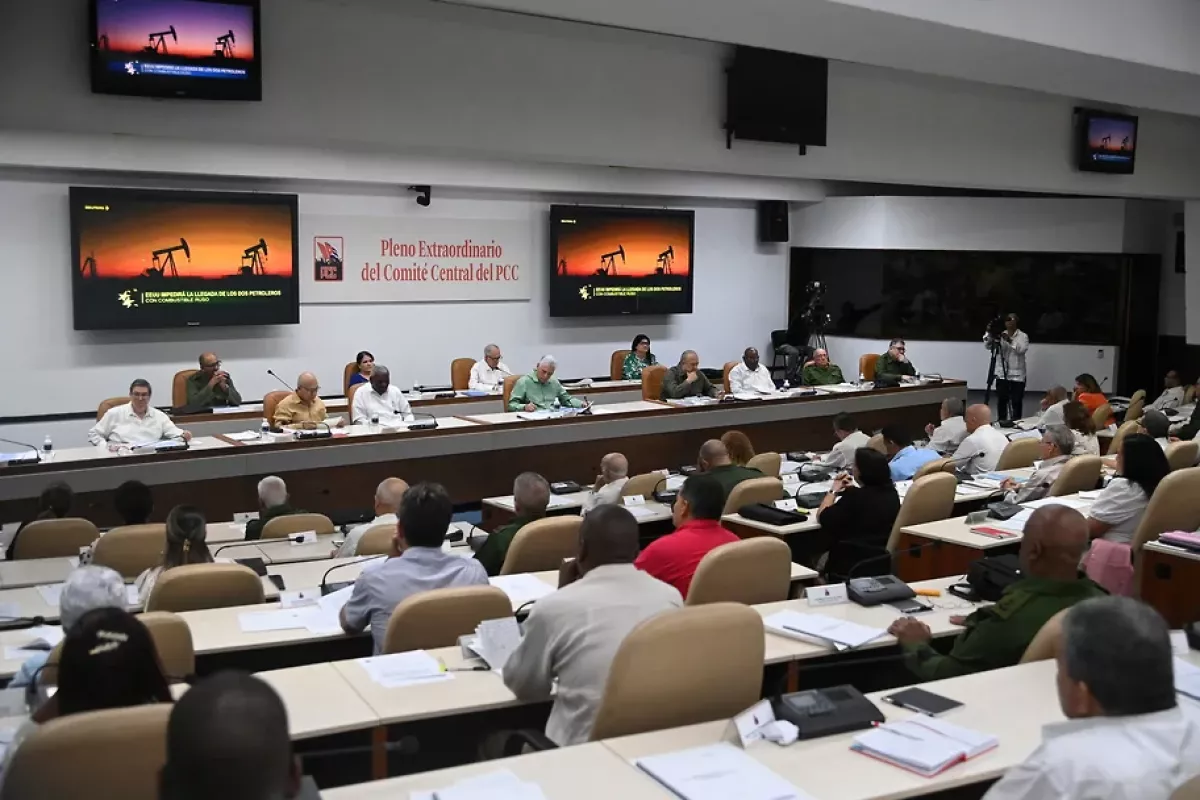
The shift toward a market-oriented economy, according to Reuters, was supported by the Communist Party and the country’s former leader Raúl Castro, who was recently charged by the United States in connection with the 1996 downing of aircraft carrying humanitarian aid.
Although President Miguel Díaz-Canel called on lawmakers to maintain faith in socialist ideals before the vote, the approved package provides for the transformation of state enterprises into commercial joint-stock companies and opens access for private businesses to the real estate and financial sectors.
In addition, it allows the sale of state property to national and foreign legal entities and individuals, including Cubans living abroad.
As Prime Minister Manuel Marrero stated in an almost two-hour speech before parliament, the package of 175 measures recognises the market as “an instrument for the efficient allocation of resources.”
Until now, Cuban authorities had followed a Marxist approach, viewing a market economy as incompatible with socialist development. However, today the country’s leadership, like the leaders of the USSR and China once did, argues that the reforms are not aimed at abandoning socialism but at modernising it.
“We are not renouncing socialism,” Díaz-Canel said. Speaking about U.S. sanctions, which since the beginning of the year have effectively cut off oil and fuel supplies to the island, he noted: “What is being debated here is the dilemma of how to continue the process of socialist construction, which has suffered the longest blockade in history from the world's greatest power.”
According to Marrero, the main goal of the reforms is to improve the quality of life of citizens.
However, Cuba has already been experiencing its most severe economic crisis in years, worsened by U.S. sanctions, fuel shortages, and disruptions in transportation and energy systems.
Back in the day, everything in the Soviet Union also began with perestroika, and it is well known how those reforms ultimately ended.
So what awaits Cuba now? Could the country face the collapse of the communist regime? And if so, will it be possible to avoid large-scale upheavals and civil conflict?
Well-known foreign political commentators shared their assessments of these issues with Caliber.Az.
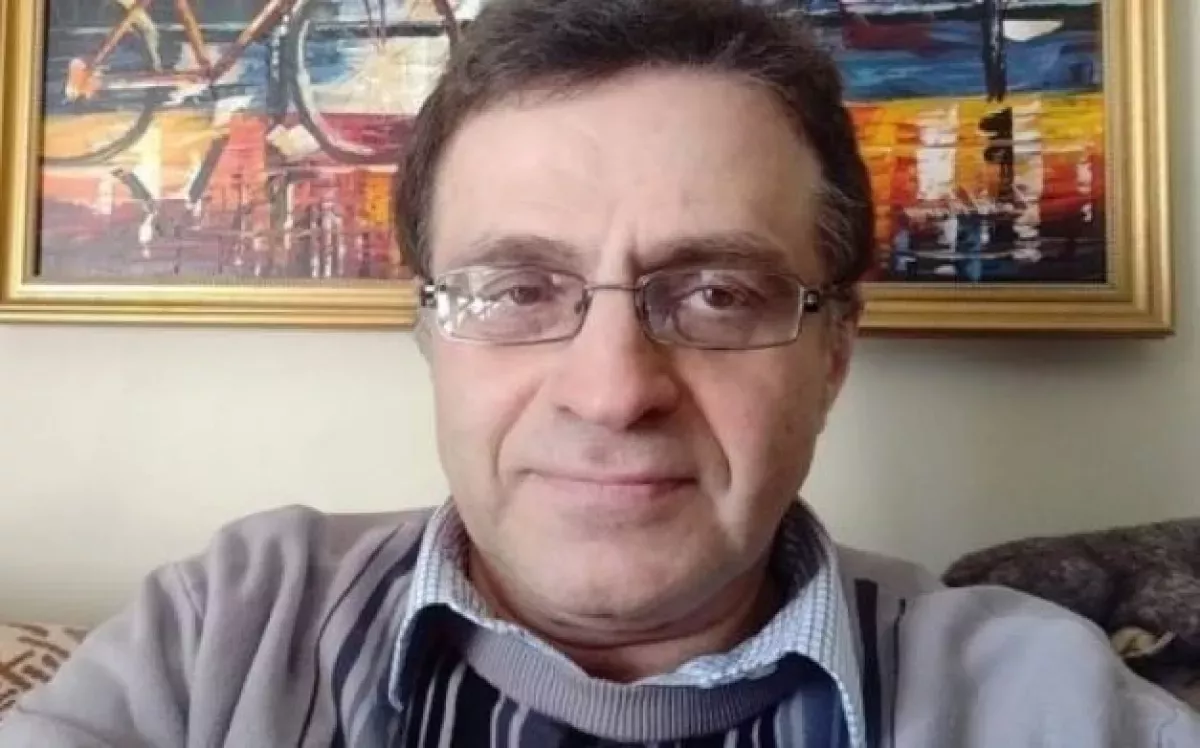
American political scientist and columnist Samson Katsman noted that the comparison with the late Soviet Union is an obvious one, but that the Soviet scenario should not be automatically applied to Cuba.
“The Cuban parliament has indeed approved a package of more than 175 measures, including allowing private capital into new areas of the economy, transforming state enterprises into joint-stock companies, permitting private banks, and selling part of state property. This truly looks like the largest departure from the previous model since the 1959 revolution.
What could happen next?
The first scenario is the Chinese-Vietnamese path, which appears to be the most likely and which, judging by the statements of the country’s leadership, is the path the Cuban authorities themselves are counting on. In this case, the Communist Party retains its monopoly on power, the political system remains unchanged, while the economy gradually becomes more market-oriented. The private sector and foreign investors receive more opportunities to operate. This is exactly the path followed by China after Deng Xiaoping’s reforms and Vietnam after the ‘Doi Moi’ policy. For the Cuban elite, this is the ideal option: to preserve political control while revitalising the economy. Many analysts consider this scenario to be the main goal of the current reforms.
The second scenario is the gradual erosion of the regime and political liberalisation. Market reforms often create new interest groups — entrepreneurs, investors, property owners, and the middle class. Over time, they begin to demand not only economic but also political rights. This is exactly what happened in a number of Eastern European countries at the end of the 20th century. However, there are currently no signs in Cuba that the leadership is ready for such deep political transformations. On the contrary, the reforms are presented as a way to preserve socialism rather than abandon it.
The third scenario is the partial failure of the reforms. This option is also quite possible. Cuba’s problems are not related only to the socialist model. Risk factors include U.S. sanctions, a severe shortage of foreign currency, an energy crisis, mass emigration of young specialists, and extremely worn-out infrastructure. If the reforms are implemented slowly or inconsistently, the economy may fail to achieve the expected results. In that case, a situation could emerge resembling the late Soviet Union of the late 1980s, when the old system had already weakened but the new one had not yet begun to function,” the expert said.
Speaking about the possibility of the collapse of the communist regime, Katsman noted that theoretically such a scenario cannot be ruled out.
“However, there is an important difference from the USSR. In the Soviet Union, economic reforms, political liberalisation, and the strengthening of national movements in the union republics were taking place simultaneously. The last factor largely became the key reason behind the collapse of the state. There is nothing similar in Cuba. It is a unitary country without republics that could seek to leave it, and the political system remains strictly centralised. Therefore, even in the event of a serious crisis, a transformation of the regime is more likely than the disintegration of the state.
As for a civil war, its likelihood appears low at present.
A civil war usually requires armed political groups, strong regional elites, divisions within the military, and ethnic or religious conflicts. Such factors have not been observed in Cuba so far. There may be protests, strikes, and local unrest caused by shortages of food and electricity, as well as increased emigration to the United States and other countries. However, even if the communist system begins to collapse, the most likely scenario is not a Yugoslav-style outcome, but rather a gradual transformation similar to the countries of Eastern Europe in the late 1980s or the economic reforms in Vietnam.
If the current reforms are fully implemented, then in 5–10 years Cuba could become something between modern Vietnam and China: a formally socialist state with a dominant Communist Party, but with an economy that is already largely market-based. At present, this is the most realistic scenario,” Katsman believes.
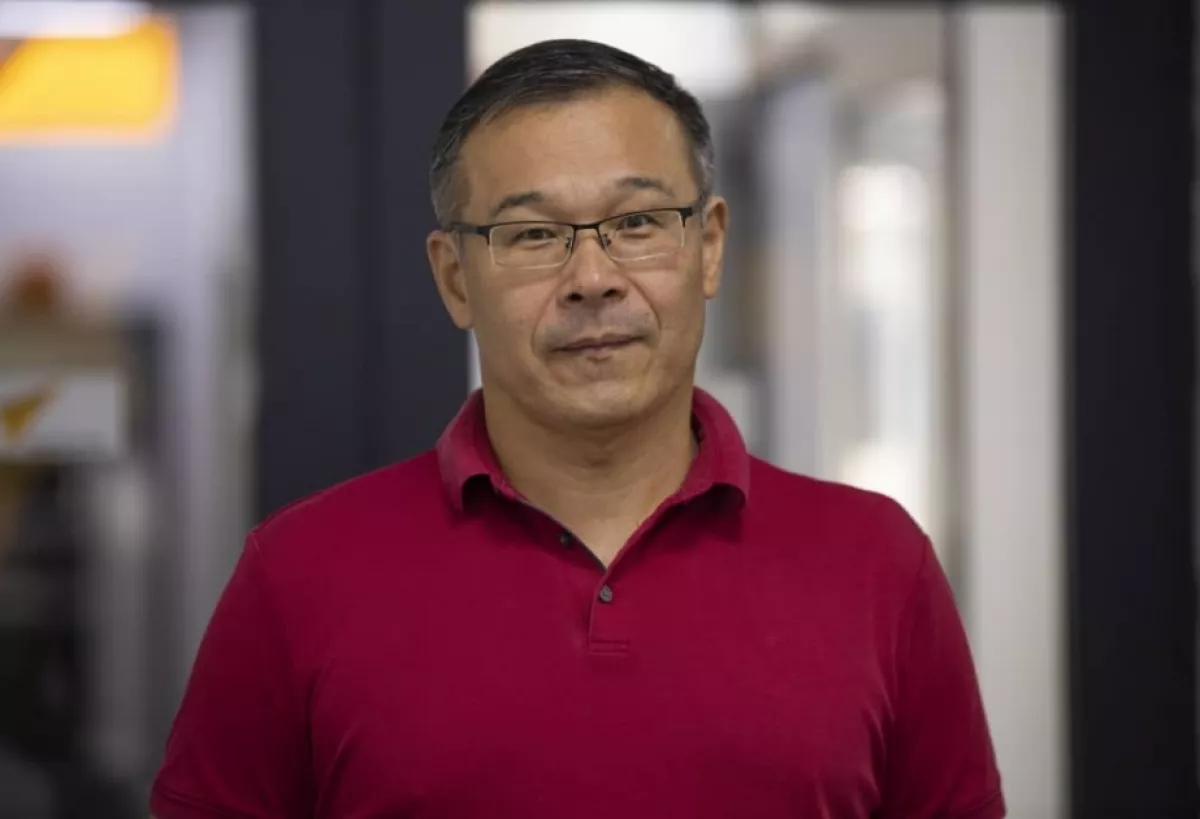
Sheradil Baktygulov, Director of the Institute of World Politics (Bishkek), believes that the current crisis in Cuba is largely a consequence of U.S. policy, or more specifically, the policy of Secretary of State Marco Rubio.
“In the Spanish-speaking world, he has been nicknamed ‘diablito’ — ‘little devil.’ He is known as an ultra-right ‘hawk’ regarding Cuba and a number of other countries. It was the latest package of U.S. sanctions and the effective blockade of the Island of Freedom that triggered a new wave of economic problems. Therefore, the transformations announced in June 2026 look like a forced and large-scale restructuring of the economic model aimed at pulling the country out of its deepest crisis.
The Cuban parliament unanimously approved a package of more than 170 measures — the largest change in economic policy since the 1959 revolution. For comparison, these steps are likened to the Soviet New Economic Policy (NEP) of the 1920s or the reforms in China and Vietnam. However, Cuba’s situation differs significantly from the conditions these countries faced.
Nevertheless, state enterprises will be transformed into joint-stock companies, and the private sector will be granted access to the real estate and financial markets, including the creation of private banks.
Entrepreneurs will be able to own multiple companies and hire more than 100 employees. Imports and exports will be allowed to operate without state intermediaries. In addition, the sale of state property to both national and foreign investors, including Cubans living abroad, will be permitted.
American businesses, as before, are primarily interested in real estate and the island’s coastal territories. Currently, these assets can be purchased at relatively low prices, and in the future their value could increase many times over,” the expert noted.
According to Baktygulov, the Cuban authorities do not hide the fact that the reforms have become a response to pressure from Washington.
“Essentially, this is an attempt to adapt to the conditions of one of the longest sanctions campaigns in modern history. The stakes are extremely high. These measures could help pull the economy out of crisis, but the country’s leadership faces an extremely difficult task: to carry out the transformations without losing political control and while preserving the social orientation of state policy.
At the same time, the success of the reforms largely depends on Washington’s position, which makes the island’s economy a hostage to great-power geopolitics,” Baktygulov concluded.







 editor@caliber.az
 +994 55 444-88-98
 Азербайджан, Баку, ул. Низами, 203, Af Business House, 5-й этаж