










Digitalising Azerbaijan’s railways: ADY builds a smarter future for freight Analysis by Khazar Akhundov
As a key hub of the Middle Corridor, Azerbaijan is developing modern transport and logistics infrastructure by implementing new IT solutions. The rapid digitalisation of all operational and cross-border processes is an essential step for the Azerbaijan Railways CJSC (ADY). As part of a dedicated digitalisation strategy, the railway operator has been carrying out large-scale transformations for several years, with a focus on introducing advanced IT solutions in freight transport. The latest step in this direction is an international tender recently announced by ADY for the procurement of a cloud-based human resources management solution and the implementation of an SAP ERP system. The project is financed primarily through a loan from the Asian Development Bank (ADB).
As the experience of the European Union, North America, China, and several other developed countries in the Asia-Pacific region demonstrates, a key condition for improving operational efficiency and increasing profitability in the railway sector today is the maximum use of multimodal transport schemes and the introduction of interstate integration mechanisms based on digital data exchange. Electronic platforms for exchanging transport documents and permits are also being actively developed across the post-Soviet space.
The introduction of electronic queuing mechanisms at borders, digital document exchange, the use of electronic navigation seals for rail transit cargo, and specialised tracking devices all help freight forwarding companies deliver goods more efficiently. In particular, these technologies speed up and simplify cross-border procedures, provide more reliable oversight, and enable supply chains, including international ones, to be tracked more effectively.
Between 2022 and 2025, Azerbaijan Railways (ADY) renewed its team, developed an information security policy, introduced project management standards, and launched a large-scale digitalisation process across the organisation. In particular, new systems such as MS Project and Atlassian Jira were introduced, enhancing the transparency and reliability of digital processes.
ADY has also been working to integrate with Global DTC’s international logistics platform to facilitate the exchange of cargo data and Track & Trace digital services, with the main focus placed on automating operational processes. As part of its integration with the North–South and East–West transport corridors, ADY specialists have introduced digital services based on the “single window” principle for cargo owners, including the ADY Smart platform, which enables all stages of freight transportation to be tracked in real time.
As a result, cargo processing now takes just 20 minutes thanks to a digital permitting system that eliminates the need for paper-based documentation. Another important step by ADY was the introduction of the unified CIM/SMGS electronic consignment note, which facilitates international freight transport, speeds up customs procedures, and reduces risks associated with border crossings.

A joint study by the Central Asia Regional Economic Cooperation (CAREC) Institute and the Asian Development Bank (ADB) gave a high assessment of the pace of infrastructure and institutional reforms in Azerbaijan. According to CAREC and ADB experts, the next stage of reforms aimed at expanding the transit capacity of the Trans-Caspian International Transport Route (TITR) should involve moving from fragmented IT solutions to a comprehensive national interoperable digital ecosystem.
Among other measures, the experts propose accelerating the launch of the Digital Logistics Platform (DLP) based on the “single window” principle by integrating the information resources of Azerbaijan Railways CJSC (ADY) with similar systems operated by Azerbaijan Caspian Shipping Company (ASCO) and Baku International Sea Trade Port, as well as ensuring automated data exchange with the systems of the State Customs Committee and the State Border Service.
Another priority is to harmonise national legislation with the European Union’s eFTI standards and UN recommendations in order to optimise the use of digital transport documents.

The digital modernisation of railway infrastructure is a decisive factor in enhancing the competitiveness of the country’s rail sector. According to World Bank estimates, freight volumes along the Trans-Caspian International Transport Route (TITR) will nearly triple by 2030, reaching 11 million tonnes. To handle this threefold increase in cargo volumes, all participants along the Middle Corridor, including Azerbaijan, will need to implement key infrastructure projects to ease bottlenecks at Caspian ports and railway hubs at border crossings.
However, alongside the modernisation of physical infrastructure, a breakthrough in the development of digital tools is equally important. These tools can maximise the speed of customs and border clearance procedures and facilitate the movement of cargo. In particular, the introduction of digital solutions has significantly streamlined logistics, reducing cargo delivery times along the TITR from 38–53 days in the past to an average of 12–15 days today.
It is therefore unsurprising that in recent years, ADY specialists have continued their systematic efforts to modernise railway infrastructure. These efforts include the deployment of computerised signalling systems, the installation of fibre-optic communications cables along railway lines, and, of course, the strengthening of the digital capabilities of railway management systems.
This work is being carried out most intensively along a strategically important section of the ADY network connecting the Baku International Sea Trade Port with the Boyuk-Kesik railway border crossing on the Azerbaijan–Georgia border. In particular, under the Asian Development Bank’s (ADB) $350 million loan project for the “Electrification, Signalling and Telecommunications of ADY on the Bilajari–Yalama Section,” the railway section is to be equipped with modern electrification, signalling and telecommunications infrastructure. The project also envisages upgrading the overhead catenary and substations and installing fibre-optic and wireless communications systems.
The works are scheduled to begin on February 1, 2027, while in mid-August, the ADB began accepting applications for the selection of a consulting company.
An equally important area of ADY’s digitalisation agenda is to improve operational and financial efficiency, optimise costs, enhance railway safety, and achieve other related objectives. To this end, the railway operator has embarked on the digitalisation of freight transport and asset management, investment planning systems, interaction with freight customers, as well as corporate functions and human resources management.
The total cost of the comprehensive digitalisation project for the country’s railway sector is estimated at $60.52 million, of which $47 million will be provided by the ADB, with the remaining funding coming from the government.
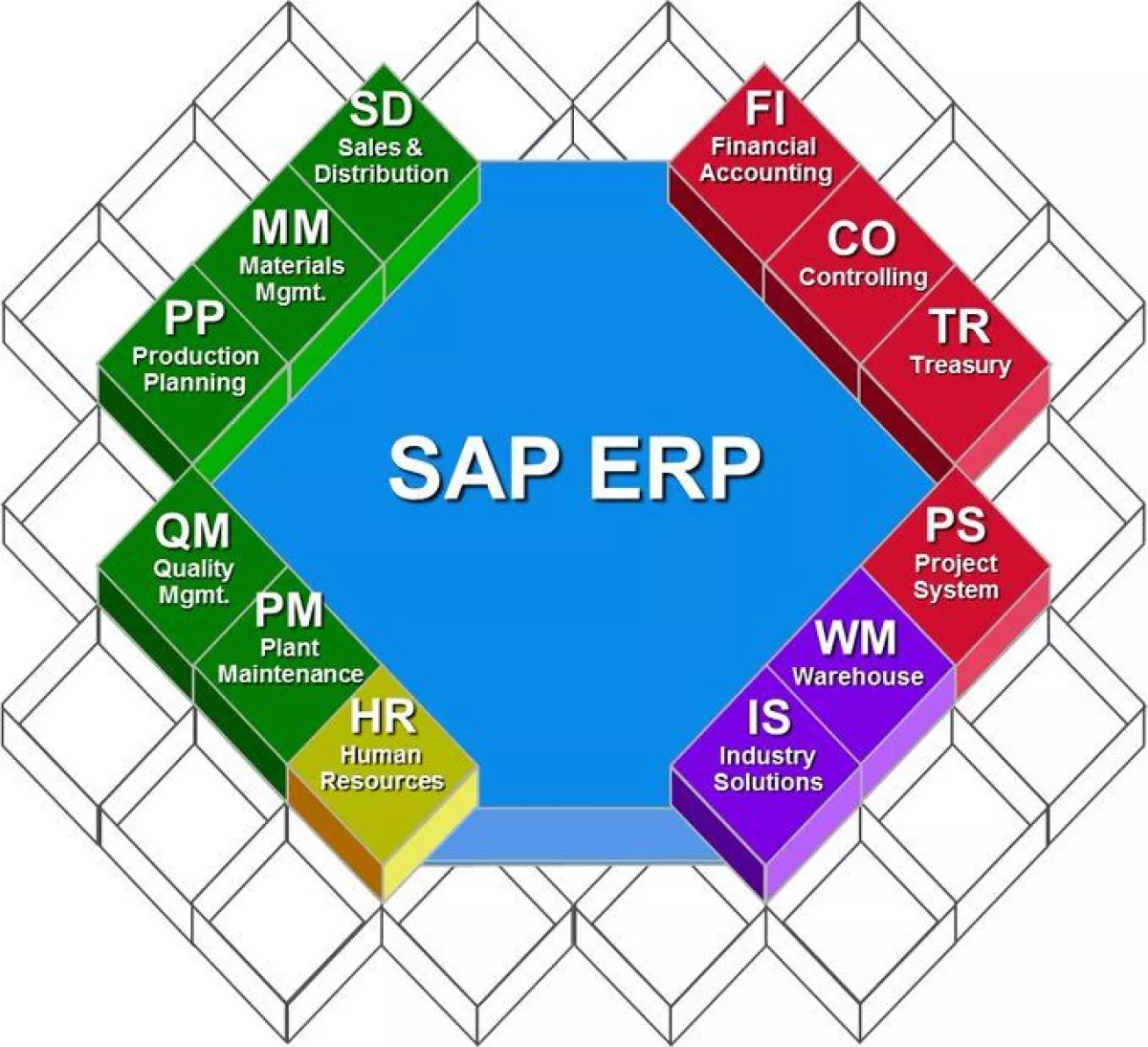
In particular, as part of its large-scale digital transformation programme, ADY has announced an international tender for the procurement of the SAP SuccessFactors (SaaS) cloud-based human resources management solution and related services.
At the same time, Azerbaijan Railways plans to implement an integrated SAP ERP enterprise management system developed by German company SAP SE. The digital system will enable the integration of the railway operator’s key business processes, including financial accounting and fiscal reporting, asset management, materials and logistics management, maintenance and repairs, as well as human resources management.
The system will also help streamline the processing of waybills, cargo movement monitoring, and other logistics operations. As part of the implementation of this new component, ADY launched an Early Market Engagement (EME) process at the end of August, as well as a feedback mechanism with market participants to help optimise the tender documentation.







 editor@caliber.az
 +994 55 444-88-98
 Азербайджан, Баку, ул. Низами, 203, Af Business House, 5-й этаж