










Diplomacy of subtle moves: What does Araghchi’s visit to Beijing tell us? Analysis by Matanat Nasibova
The Middle Eastern crisis has moved decisively beyond the traditional US-Iran confrontation, evolving into a multilayered global equation that has drawn in not only the monarchies of the Persian Gulf but also major powers from outside the region, most notably China. Against this backdrop, Iranian Foreign Minister Abbas Araghchi’s recent visit to China and his talks with Chinese Foreign Minister Wang Yi should be viewed as more than routine diplomatic consultations. Rather, they point to a subtle manoeuvre by Beijing to position itself at the centre of any future negotiation process between Tehran and Washington.
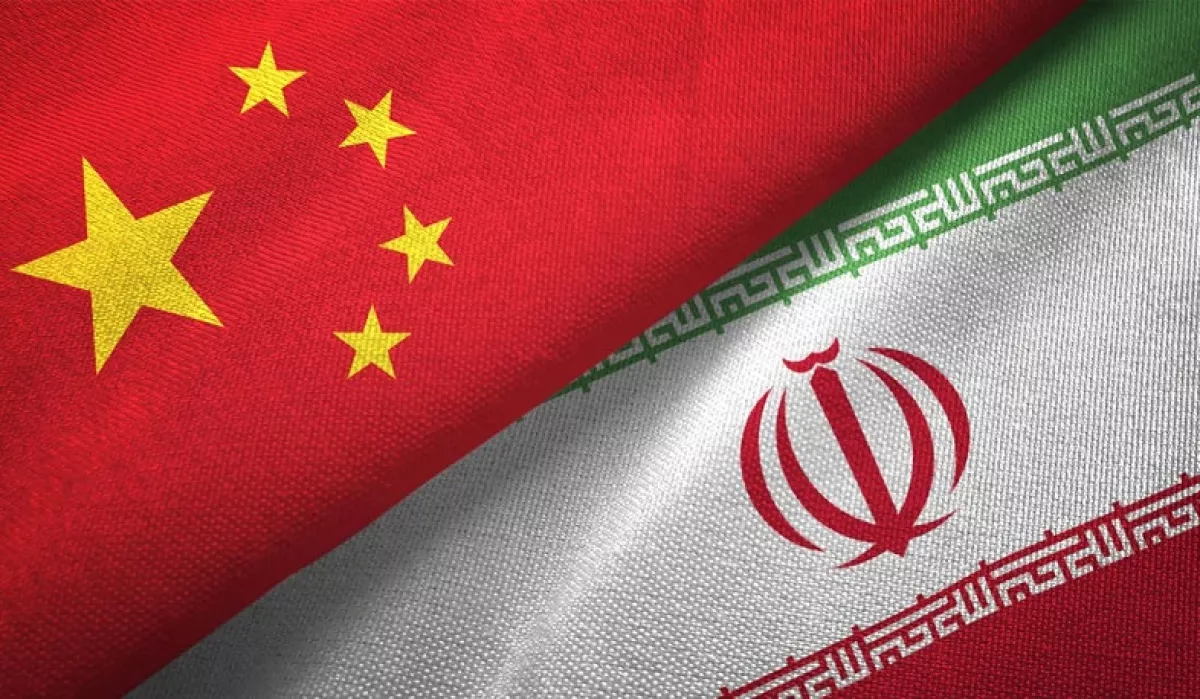
At the same time, the intensification of Iran-China dialogue is being driven by a complex combination of economic and political factors. Foremost among them is the enormous sanctions pressure exerted on Iran by the United States. Under these conditions, China, as the main buyer of Iranian oil, has become an indispensable trading partner for Tehran, leaving the Islamic Republic heavily dependent on Beijing.
Furthermore, China has consistently and deliberately demonstrated its willingness to act as a power capable of bringing even deeply divided adversaries to the negotiating table, thereby positioning itself as an alternative to Western influence in the Middle East. This broader strategy also helps explain the timing of Araghchi’s visit to Beijing: he arrived just days before Chinese President Xi Jinping’s visit to the United States. This timing suggests that Beijing may be using its diplomatic engagement with Tehran to gain a clearer understanding of Iran’s position and, in particular, to calibrate its assessment of Tehran’s “red lines” ahead of Xi’s talks in Washington.

The third aspect brings together the economic, transport and logistics dimensions. As is well known, the escalation in the Middle East has directly affected key arteries — the Strait of Hormuz and the Red Sea — triggering a surge in energy prices. This has had an immediate impact on the economies of virtually every country in the world, including China. Accordingly, the issue of maritime routes has become an urgent concern for Beijing. It is no coincidence that, as early as this spring, Chinese diplomacy stressed the need to strike a delicate balance between respecting Iran’s sovereignty and ensuring the absolute safety of international shipping. Given the worsening situation, this issue has now assumed an even more fundamental and pressing importance for China.
Overall, the dynamics outlined above lead to the following systemic conclusion: at present, China is the Islamic Republic’s only strategic rear hub, allowing Tehran to retain at least a minimal degree of diplomatic manoeuvring space. Tehran hopes that Beijing can serve as a reliable political counterweight to the United States and convey Iran’s position to the White House.
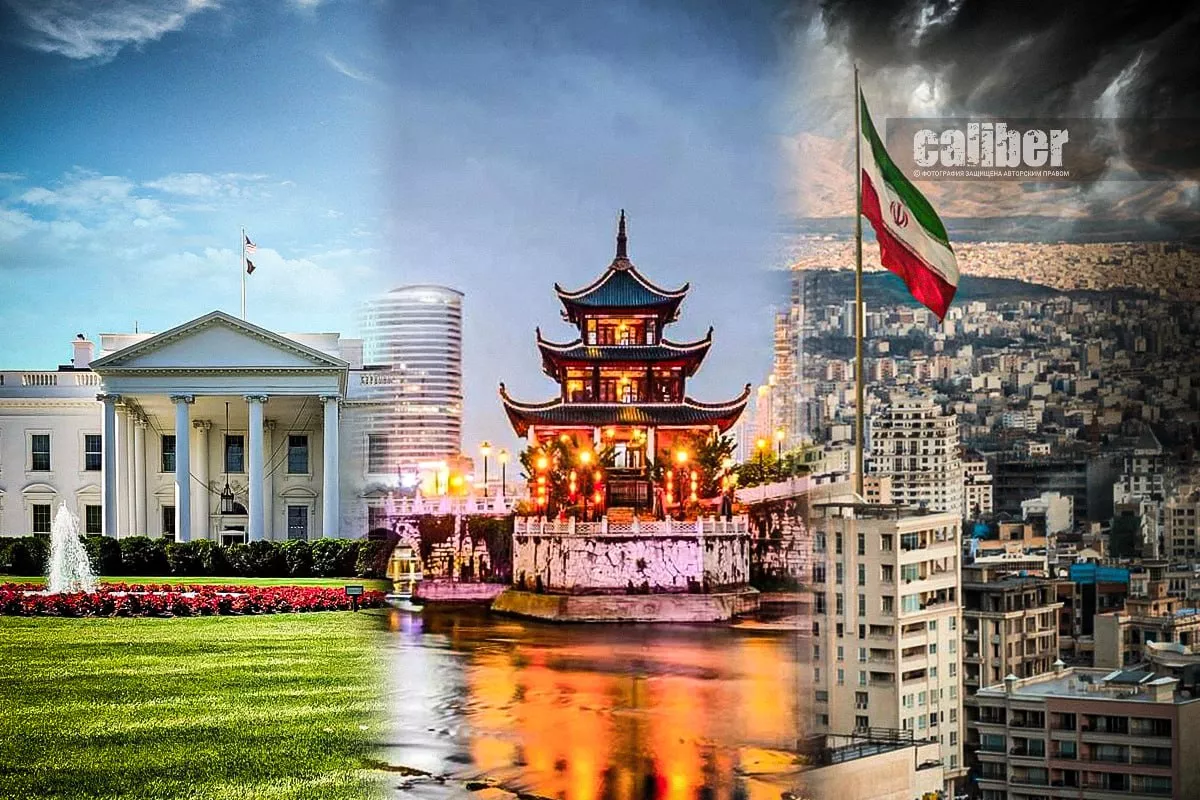
However, it would be a serious mistake to assume that China will agree to play the role of a conventional mediator. Beijing has always acted in line with its concept of realpolitik, prioritising national interests and economic gains. In the Middle East, it carefully avoids steps that could damage its extensive economic ties with Saudi Arabia, the UAE and Qatar, or put it in a position where it would have to make an irreversible choice between Iran and the United States. From a broader geopolitical perspective, Araghchi’s visit to China exposes a fundamental trend: by seeking to prevent the collapse of the global energy architecture, China is simultaneously strengthening its status as an international arbiter, which provides a significant advantage in its global competition with the United States.
Taking all these multilayered nuances into account, it is highly plausible that during the upcoming high-level talks in the United States, the Chinese side will not only bring the Iranian agenda to the attention of the US administration but also attempt to achieve what may seem practically impossible — to incorporate it into Washington’s own strategic vision. At the same time, this would allow Beijing to establish a set of rules under which it could preserve or even expand its economic and strategic dividends, thereby putting Deng Xiaoping’s theory of “cat pragmatism” into practice with remarkable precision.







 editor@caliber.az
 +994 55 444-88-98
 Азербайджан, Баку, ул. Низами, 203, Af Business House, 5-й этаж