










Europe’s Arctic pivot Security moves to the High North
The Arctic, once viewed in Europe primarily through the lens of scientific research, environmental risks and international cooperation, is rapidly emerging as a new arena of geopolitical competition. At the European Arctic Summit in Rovaniemi, Finland, 12 European Union countries agreed to strengthen the EU’s presence in the region, citing Russia’s military activity, China’s growing interest and the shifting geopolitical situation around Greenland.
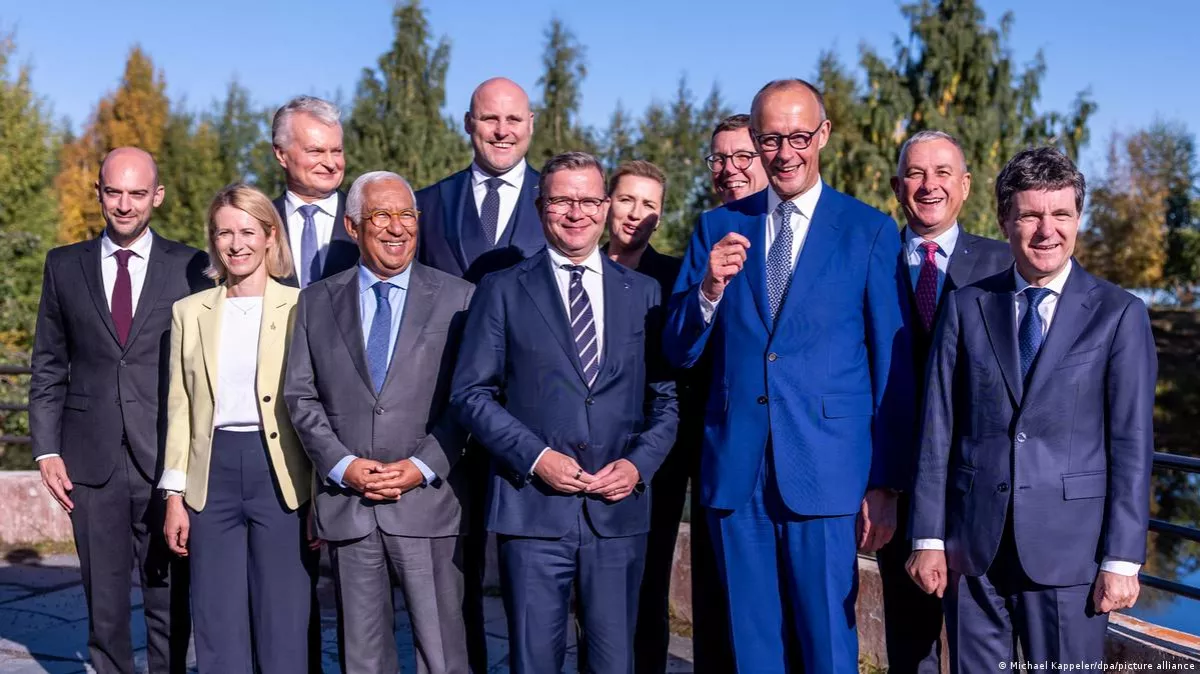
As German Chancellor Friedrich Merz noted at the summit, “this region has become a geopolitical hotspot.” He said Russia was expanding its military capabilities in the Arctic and using its presence there to conduct hybrid operations. Germany’s participation, despite the country not being an Arctic state, is significant: security in the High North is increasingly being seen as an integral part of Europe’s wider security.
In a joint declaration, Russia was described as a “significant and long-term threat” to European security. EU foreign policy chief Kaja Kallas said the previous model of the Arctic as a region of low tensions was no longer sustainable. The European Union’s new Arctic strategy, which Brussels is expected to unveil soon, is set to place security at the centre of its approach for the first time.
However, Europe’s strategic shift is being driven not only by concerns about Russia but also by growing uncertainty over its traditional security partner, the United States. Statements and actions by Donald Trump and his administration have raised questions in European capitals about the reliability of long-term US engagement in European security. This is prompting EU countries to develop greater capacity to address security challenges on their own.
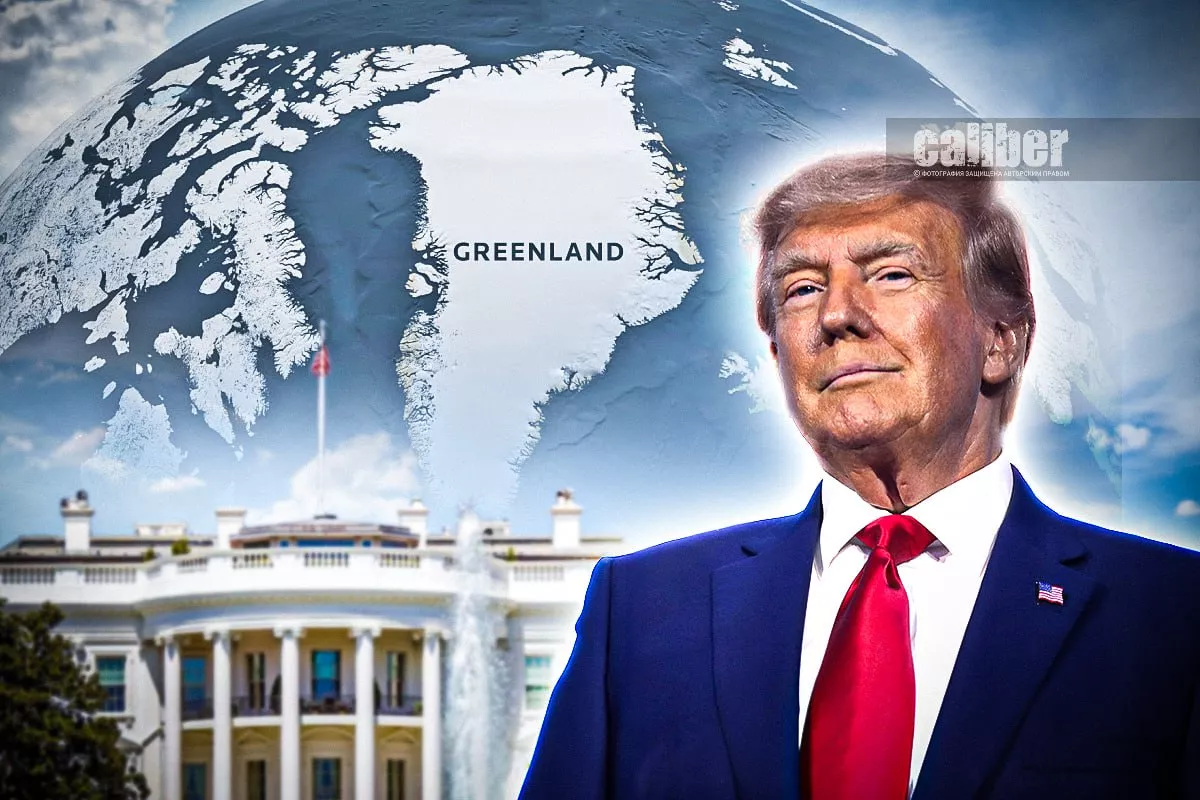
Moreover, the United States is laying claim to Greenland, citing the island’s critical importance to US national security. Against this backdrop, the European Commission has proposed allocating €200 million to Greenland for infrastructure, internet connectivity, hydropower, fisheries and education. Amid pressure from Washington, the move also appears to be aimed at preserving European influence over a territory whose strategic importance is growing rapidly.
It is worth noting in this context that Finland recently joined France’s “forward deterrence” programme, which envisages using French nuclear capabilities in support of European defence. The Arctic debate is therefore becoming increasingly intertwined with the broader question of Europe’s strategic autonomy.
At the same time, the region’s economic significance is changing. As the ice melts, northern shipping routes are becoming more accessible, while China has already launched regular container services through the Arctic. For Beijing, this offers a new trade route between Asia and Europe; for Brussels, it represents both an economic opportunity and a strategic challenge.
Finland’s experience is particularly illustrative in this regard. More than 95% of Finland’s foreign trade in goods is transported by sea, while its ports face ice almost every winter. This has given Finnish companies highly specialised expertise: they have designed around 80% of the world’s icebreakers and built roughly 60% of them. Even the new icebreakers being built for the US Coast Guard are being constructed in Finland.
Icebreakers illustrate an important feature of modern geopolitics: strategic leverage can lie in seemingly narrow sectors where specialised capabilities cannot be quickly replicated. In 2022, Finland refused to issue an export permit for an icebreaker intended for Russia’s Norilsk Nickel (Nornickel), effectively bringing the project to a halt. At the same time, the Finnish state does not own the shipyard; instead, it exerts influence through regulation, procurement and the creation of demand.
For the EU, this offers an important lesson. Strategic autonomy is not built solely through multi-billion-euro industrial projects. In some cases, decisive leverage can come from control over specialised expertise, infrastructure or technology that would take others years to replicate.
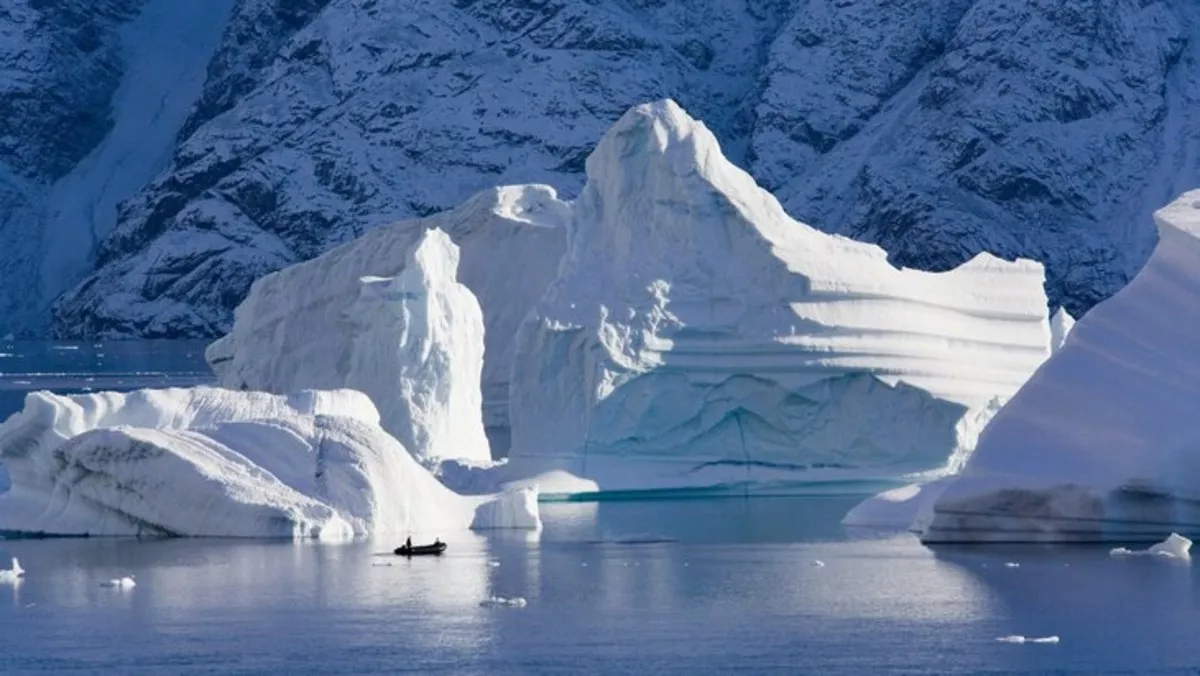
The Arctic deposits of rare earth elements, graphite, lithium, nickel and other critical minerals add another dimension to the region’s importance. Many of these resources remain undeveloped: extraction in the Arctic requires enormous investment in infrastructure and logistics, while environmental and political risks increase the cost of projects. However, Europe’s dependence on Chinese supplies is gradually changing this calculation. What was once considered economically too challenging is now being viewed as a potential source of strategic diversification.
As a result, a new configuration is taking shape around the Arctic. Russia has the world’s largest Arctic territory, extensive military infrastructure and control over a significant part of the Northern Sea Route. China is turning the shrinking ice cover into a transport and resource opportunity. The United States views the region as a key arena of competition with Beijing and Moscow. Europe, meanwhile, is having to find its own place in this emerging system.
For now, Brussels is only beginning to build the necessary tools: the EU has neither a unified nor a powerful Arctic fleet, while a significant part of its military capabilities are tied to NATO. But the direction is already clear. The European Union wants to be present in the Arctic as a political, economic and military-strategic actor. Global warming is opening up new waters and routes — and with them, new space for competition. Europe has clearly decided that it no longer wants to remain a bystander.







 editor@caliber.az
 +994 55 444-88-98
 Азербайджан, Баку, ул. Низами, 203, Af Business House, 5-й этаж