










Flight by the usual playbook Why Zelenskyy’s prosecutors general always end up abroad
Political tensions continue to run high in Ukraine. Monday morning began with reports that Prosecutor General Ruslan Kravchenko, who resigned amid the scandal surrounding the “Carthage” operation, had announced that he had signed notices of suspicion against NABU Director Semen Kryvonos and an individual close to SAPO chief Oleksandr Klymenko. Kryvonos was reportedly accused of document forgery and arranging a fictitious adoption, while the second notice allegedly concerned the wife of the SAPO chief. NABU and SAPO described the move as an unprecedented information attack, while Kryvonos said he had not received any official notice.
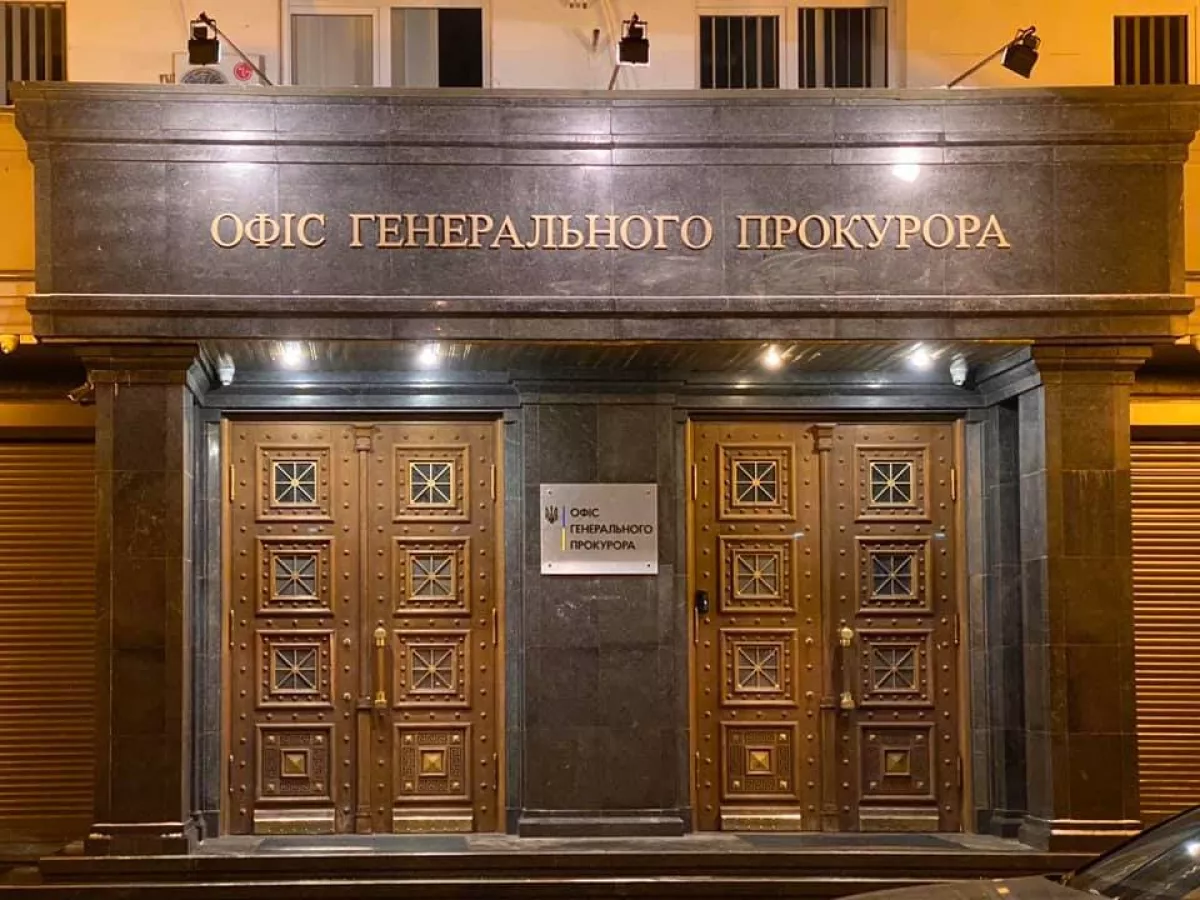
However, the Prosecutor General’s Office quickly distanced itself from its own chief’s statements. In an official statement, the agency said that no notice of suspicion had been served on the country’s top anti-corruption official and that the high-profile claims had no legal basis, as the necessary procedural grounds were absent. The relevant entries were subsequently deleted from the Unified Register of Pre-Trial Investigations (URPTI).
The outgoing prosecutor general responded on social media by posting a screenshot showing the tracking details for a postal item, accompanied by the caption: “The notice of suspicion is on its way to the recipient.”
The episode increasingly looks like an attempt to settle a personal score: if you are leaving of your own accord, why not slam the door as loudly as possible on your way out — and take a swipe at those who ended up on the other side of the barricades? Against this backdrop, it is worth recalling how the events unfolded.
On September 7, Kravchenko announced his resignation amid the scandal surrounding the NABU and SAPO special operation dubbed “Carthage”. The anti-corruption agencies had uncovered a scheme involving fraudulent call centres that, according to investigators, were allegedly protected by certain officials within the Prosecutor General’s Office.
One of the key suspects was Serhii Kropyva, head of a department at the Prosecutor General’s Office, who was taken into custody with bail set at 120 million hryvnias (about $2.7 million).
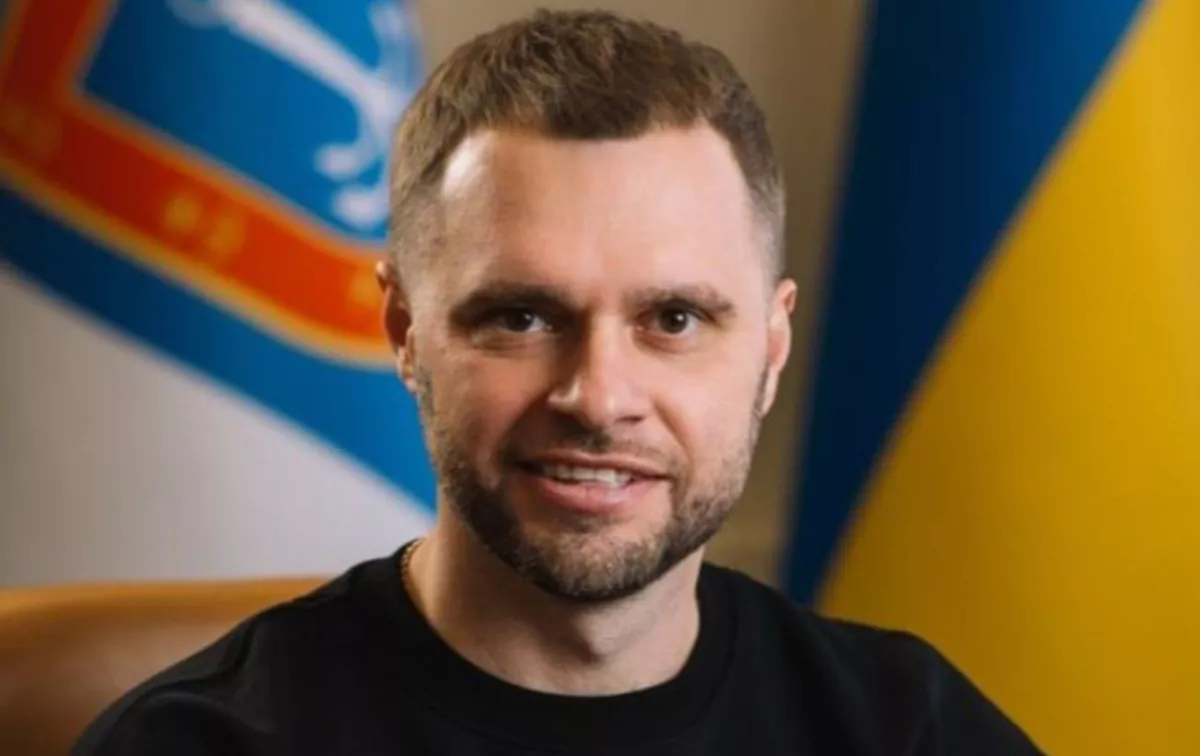
Kravchenko denied having any procedural status in the case, but acknowledged that he trusted Kropyva and had maintained normal relations with him. The prosecutor general is inevitably responsible for the entire system, so the scandal involving someone in his immediate circle became a question of his own responsibility — even without any direct charges being brought against him.
Then things took an interesting turn. After accusing the leadership of NABU and SAPO, Kravchenko left Ukraine. While abroad, he explained his departure as an official business trip. According to sources, he crossed the border at night in an official vehicle. The State Border Guard Service declined to officially confirm the details of his departure, citing legal restrictions.
Initially, the Prosecutor General’s Office said that Kravchenko had travelled to France for five days to attend hearings of the PACE Parliamentary Network on Ukrainian children. However, LIGA.net soon reported, citing a source at the Council of Europe, that the Prosecutor General had not been invited to the hearings. His name was also absent from the published programme for the September 16 event. Moreover, journalists found that Kravchenko had personally signed the order authorising his own business trip to Paris.
It is precisely this episode that turns what might otherwise be an ordinary departure by a senior official into a deeply uncomfortable political situation for the Ukrainian authorities. The paradox is hard to miss: a prosecutor general who announced his resignation amid a corruption scandal left the country just before his dismissal, ostensibly to attend an event whose invitation and participation were never confirmed.
The Anti-Corruption Action Centre put forward an even harsher version of events: Kravchenko may have been allowed to leave the country in exchange for signing the notices of suspicion against the NABU chief. Against this backdrop, President Volodymyr Zelenskyy said that the prosecutor general had only one option — dismissal — and called on the Verkhovna Rada to urgently support Ruslan Kravchenko’s resignation, submitting the relevant motion to parliament. That same day, a presidential decree removing Kravchenko from office appeared on the president’s website.
“Zelenskyy removed Ruslan Kravchenko from the post of Prosecutor General. The decision was made pursuant to Part Two of Article 11 of the Law of Ukraine ‘On the Legal Regime of Martial Law’. But there are nuances. He can only remove those whom he appointed. And the Prosecutor General was appointed by parliament. He merely nominated him. He did this for publicity and to show that he and Kravchenko are not in the same boat. But this creates problems and ultimately confirms that Ukraine has no independent prosecutor’s office if the president can remove the Prosecutor General at will and without the approval of the Verkhovna Rada. This is a complete mess,” former Verkhovna Rada member and current blogger Boryslav Bereza commented on the president’s decision.
Ukrainian investigative journalist and editor of the Nashi Groshi project Yurii Nikolov, meanwhile, claims that Kravchenko was preparing to flee and that the president gave him a full week to do so by not removing him from office immediately. According to Nikolov’s version, the prosecutor general was given time to cover his tracks and move funds out of the country.
Whatever the case, the Kravchenko affair brings us back to a broader question: what happens to the prosecutors general appointed by Volodymyr Zelenskyy?
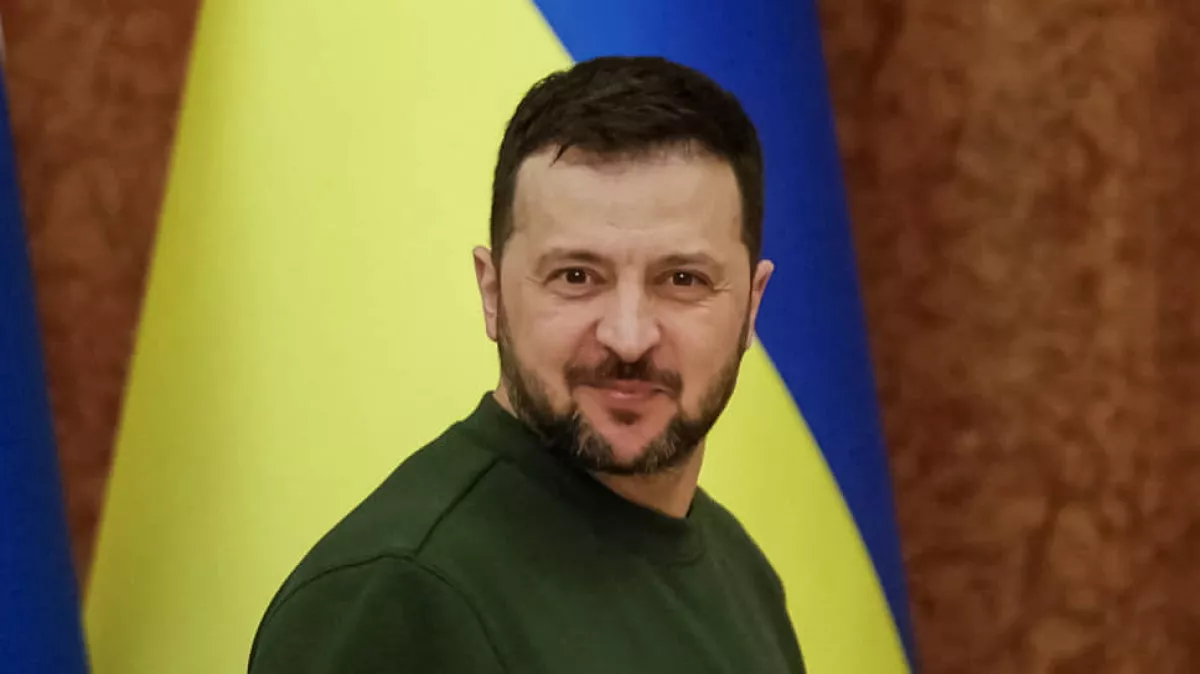
Ukrainian media are already recalling the personnel chain that has taken shape. After her resignation, Iryna Venediktova received a diplomatic appointment. Andrii Kostin also moved into diplomatic work after leaving office. Ruslan Riaboshapka, who served at the beginning of Zelenskyy’s presidency, attempted to leave the country in 2022, citing his three minor children, and eventually left Ukraine after several attempts. Now Kravchenko has joined them. All these episodes have taken a noticeable toll on the president’s reputation.
Moreover, what is happening is beginning to resemble events from twelve years ago. In 2014, Ukraine had already witnessed the flight of Prosecutor General Viktor Pshonka. On February 22, 2014, following the collapse of Viktor Yanukovych’s regime, Pshonka, together with then-acting Minister of Revenue and Duties Oleksandr Klymenko, attempted to leave the country through Donetsk airport. The officials’ security detail clashed with border guards and warning shots were fired, but the two men managed to escape.
Kravchenko’s departure in 2026 took place without gunfire. Yet there is a persistent sense that Ukraine’s political system is reproducing its old ailments under a new government. Pshonka was a symbol of the prosecution system under Yanukovych; Kravchenko is a product of the Zelenskyy system. Twelve years separate them, along with two revolutions, a full-scale war, a change of leaders and a new set of slogans. Yet the ending is strikingly familiar: a prosecutor general becomes embroiled in a major scandal and then hurriedly leaves the country.







 editor@caliber.az
 +994 55 444-88-98
 Азербайджан, Баку, ул. Низами, 203, Af Business House, 5-й этаж