










Heroes of June 1941: Azerbaijanis on the Belarusian front Analysis by Limansky
June 22 marks the 85th anniversary of the beginning of one of the most tragic stages of the Second World War — Nazi Germany’s invasion of the Soviet Union. Among those who faced the enemy on Belarusian territory in the very first hours were dozens of soldiers and commanders from Azerbaijan.
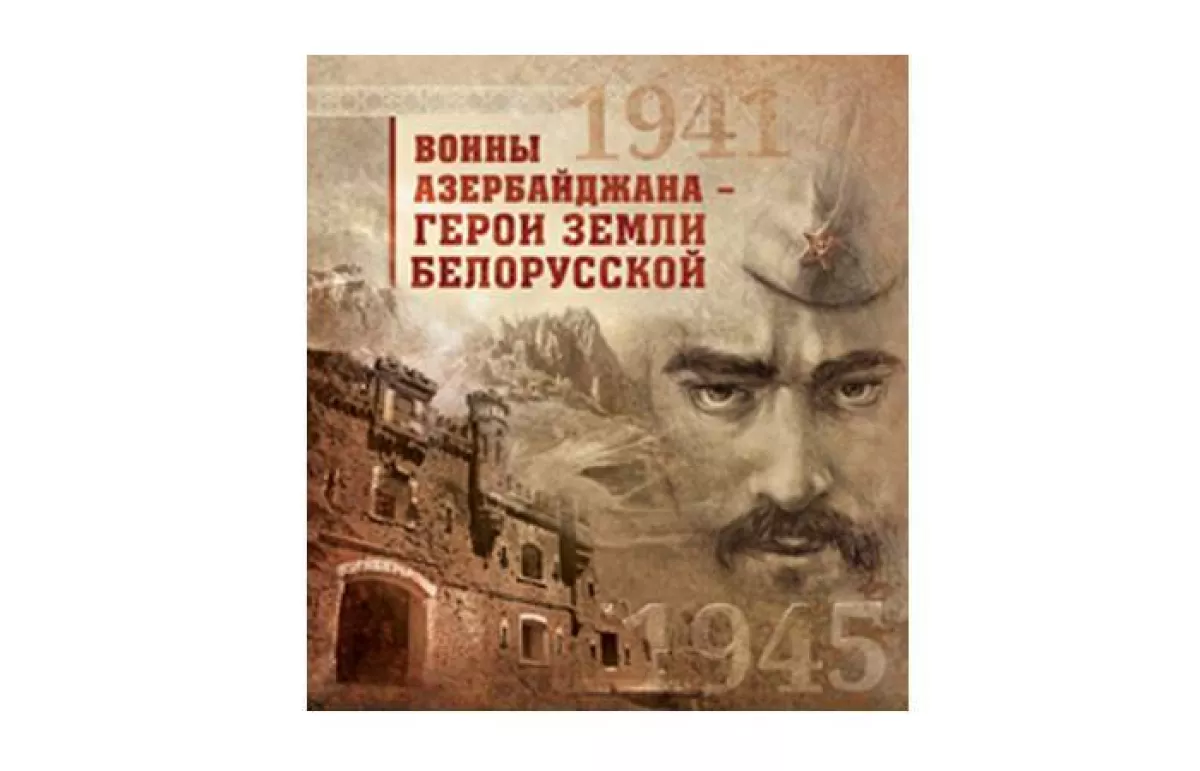
At the Brest Fortress
On June 22, 1941, at 4 a.m., the pre-dawn silence was shattered by the roar of artillery fire and the piercing howl of aerial bombs. The most devastating war in the history of the Azerbaijani people had begun. Red Army soldiers drafted from the Azerbaijan SSR faced the German invaders with weapons in their hands from the very first hours of the war.
To date, the names of 44 natives of Azerbaijan who took part in the defence of the legendary Brest Fortress have been officially documented.
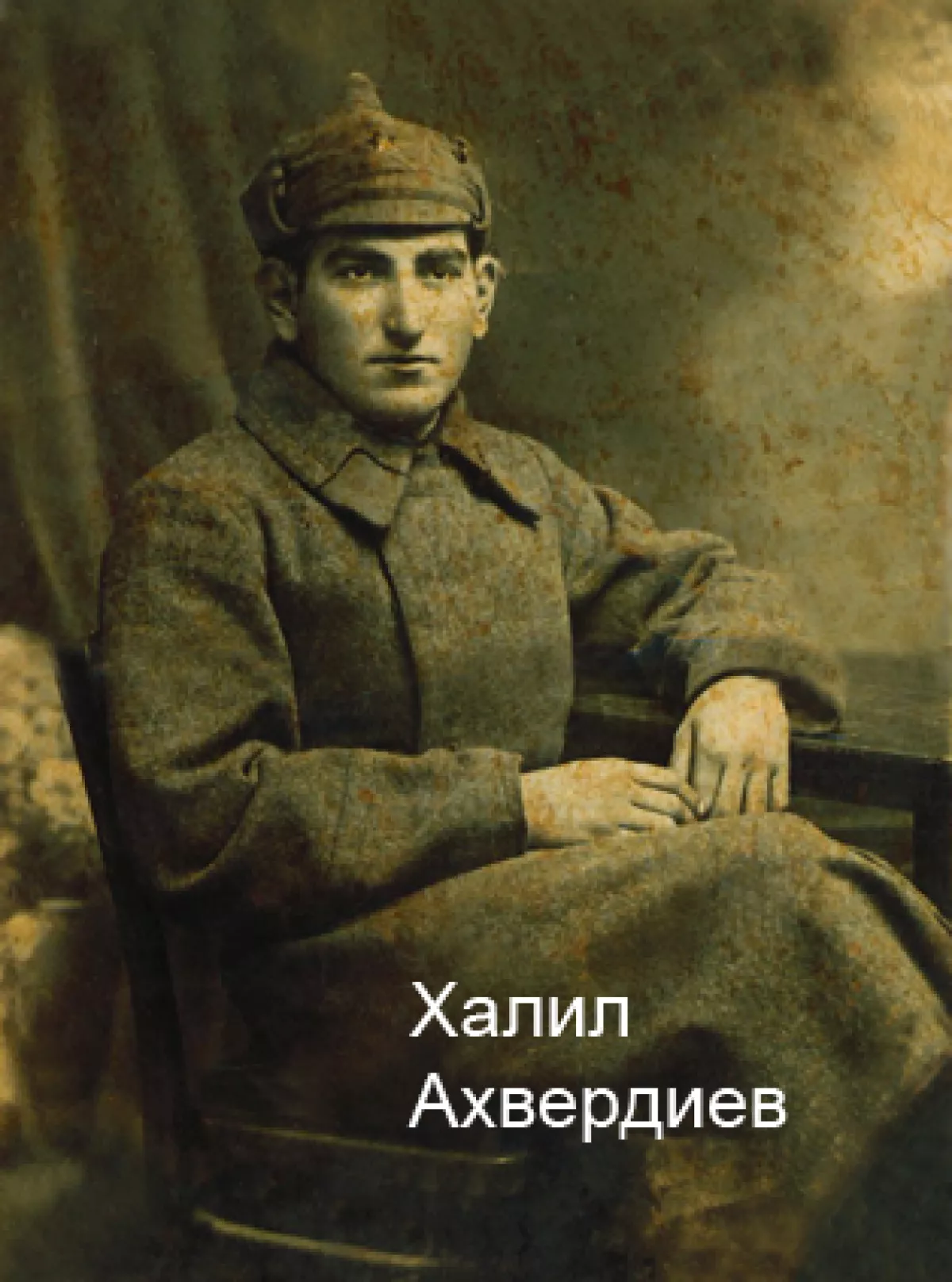
Sergeant Khalil Hagverdiyev, commander of a squad in the air defence company of the 333rd Rifle Regiment and a music teacher from the village of Chaldash in the Gadabay District, was killed on June 22. His grave became the first officially recorded burial site on the territory of the Brest Fortress.
The barracks of the 3rd Battalion of the 84th Rifle Regiment were located near the Kholm Gate, which was one of the main targets of the Wehrmacht’s assault. Machine gunner Sergeant Mammad Sadigov of the 84th Regiment took up a position in the attic and single-handedly repelled enemy attacks, giving his fellow soldiers the opportunity to regroup. Sergeant Sadigov’s body was found at that very position. Today, one of the streets in Baku bears his name.
Sergeant Isgandar Dadashov, a squad commander in the 84th Regiment, was also among the first to break into the fortress grounds. He also took part in the well-known assault on the regimental club, during which a number of officers and soldiers of the Wehrmacht’s 135th Infantry Regiment were killed. As an infantryman, Sergeant Dadashov managed to aim an artillery gun without a sight — by aligning it along the barrel — and with three accurate shots destroyed the bridge, slowing the enemy’s advance.
On June 23, machine gunner Sergeant Imran Mehdiyev of the 84th Rifle Regiment, together with his fellow machine gunner Sablin, raised a red flag over one of the bastions of the Brest Fortress, showing the enemy that resistance was continuing. Sergeant Mehdiyev took part in several counterattacks, reconnaissance of the bed of the Mukhavets River, and an attempt to break out of the encirclement.
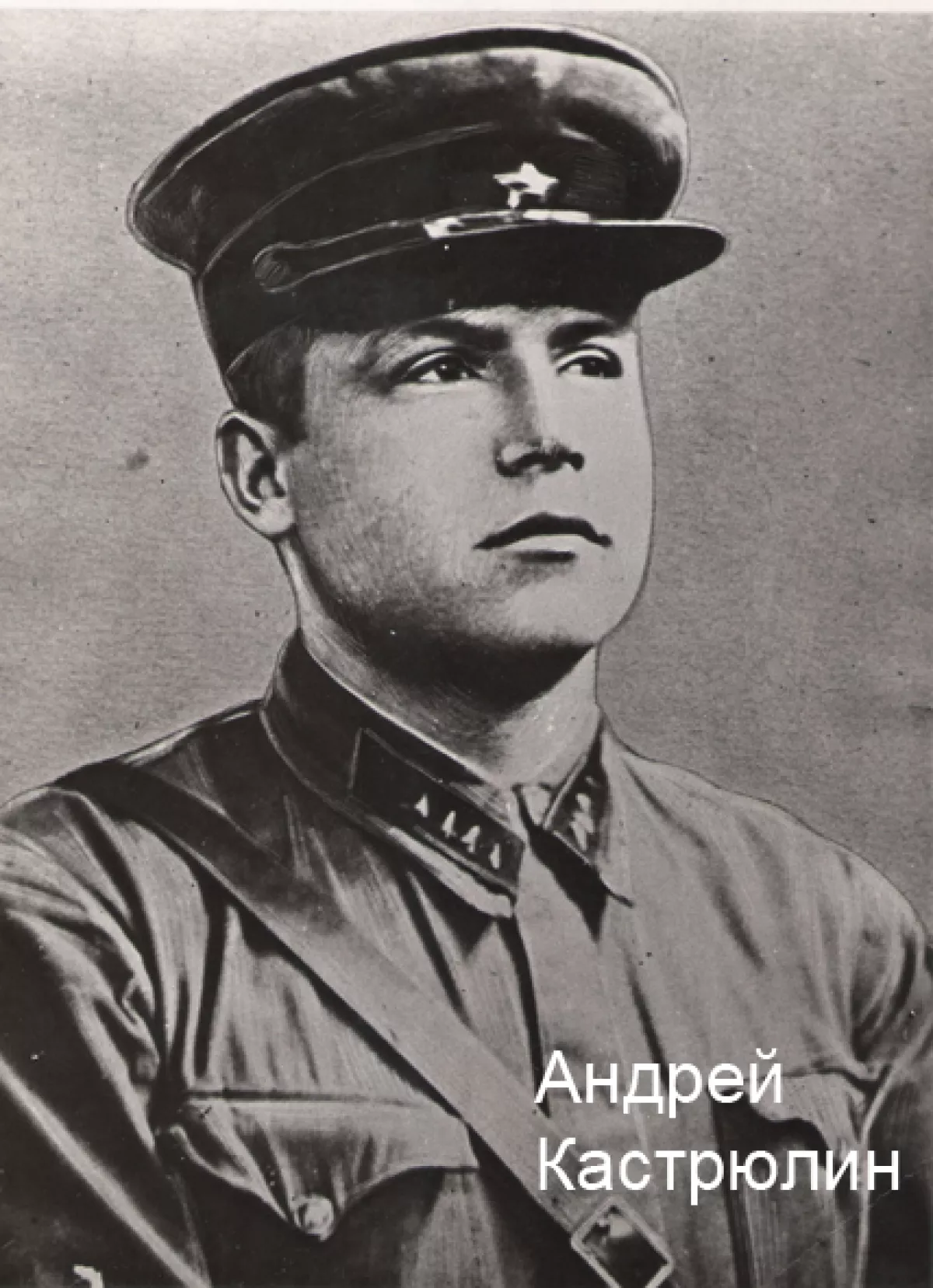
The courageous soldier was killed on June 27. His final request to political officer Kastryulin was to report that he was originally from Yevlakh. Andrei Kastryulin, also a native of Azerbaijan, survived and fulfilled the request of his fallen comrade.
Sergeant Garayev of the 84th Regiment, a native of Shaki, saved the life of Sergeant Tarasov during a fierce hand-to-hand battle. When the defenders of the fortress and the civilians who had taken shelter there were suffering from thirst, Sergeant Garayev attempted to bring them water from the Mukhavets River, but was killed.
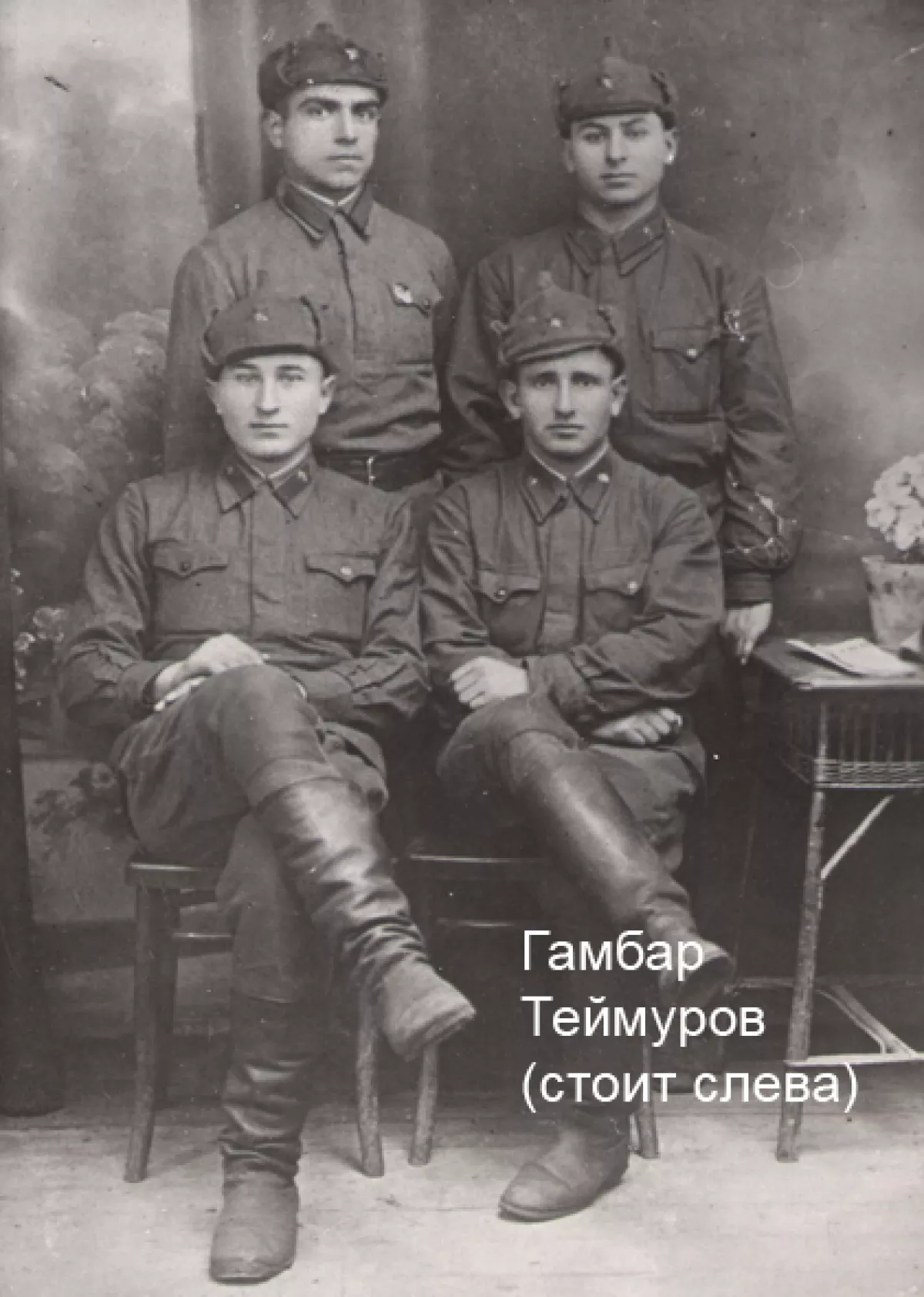
Technician of the sapper battalion Gambar Teymurov, risking his life, carried five crates of ammunition out of a burning warehouse, suffering burns to his hands. In addition, he killed a German demolition specialist who was throwing explosive charges into chimneys and captured another. He died a hero’s death while firing a machine gun. A street in Shusha is named after Gambar Teymurov.
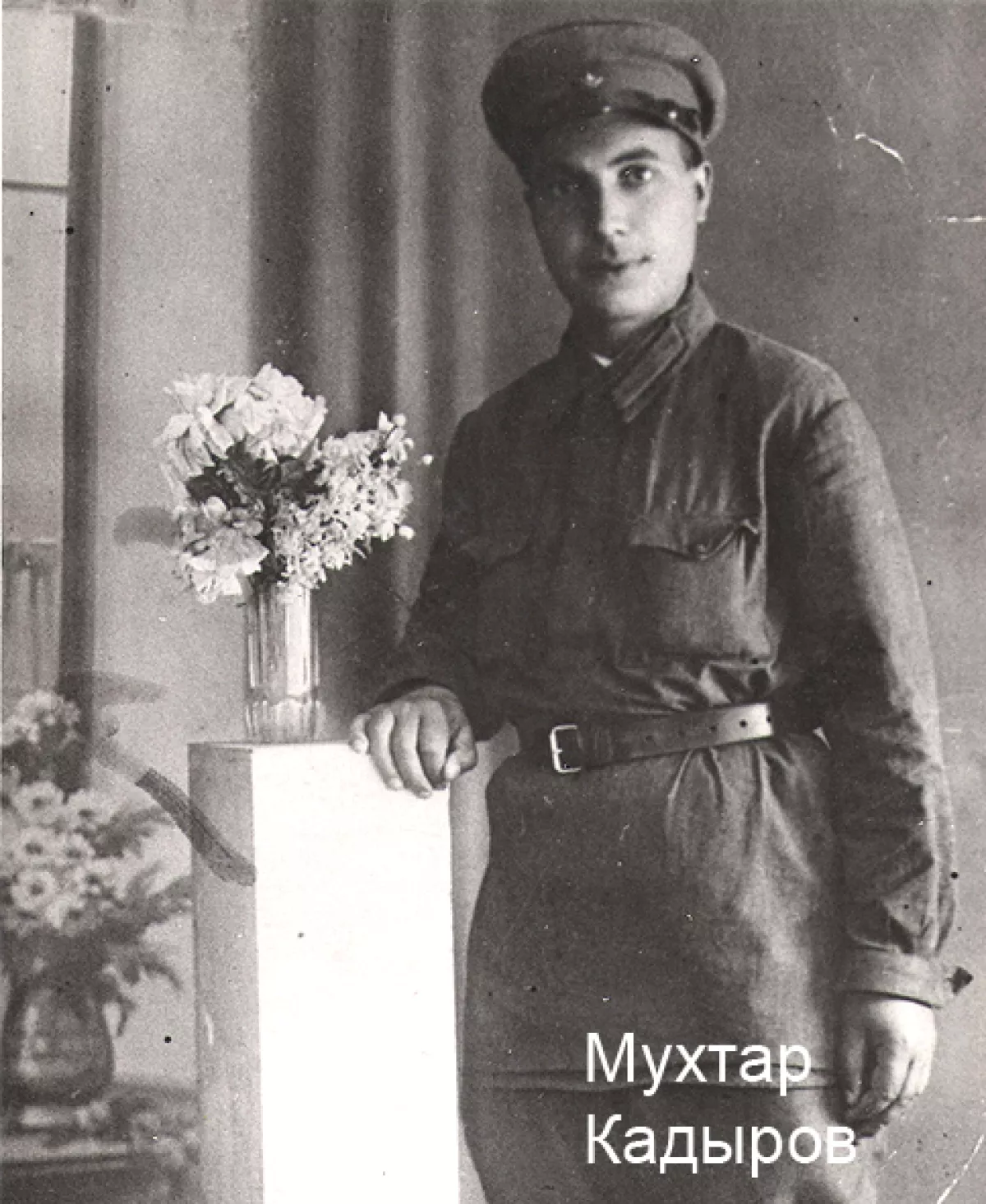
Military doctor Mukhtar Gadirov treated the wounded until the very last moment and then led a breakout from the casemates. All the “heavy cases” who were still able to move took part in the desperate assault; two wounded soldiers leaned on Gadirov’s shoulders. During the attempt to break out of the encirclement, the military doctor was wounded and captured while unconscious. Gadirov refused an offer of cooperation from collaborators but managed to survive the concentration camp. After the war, Brest Fortress defender Mukhtar Gadirov worked as a local physician in Baku.
Signal operator Zuleykha Allahverdiyeva was killed on June 27 while laying a communication line to the western barracks. Radio operator Ibrahim Safarov also maintained communications — a crucial element in directing the battle. Medical orderly Jafar Abdullayev evacuated heavily wounded soldiers from under enemy fire.
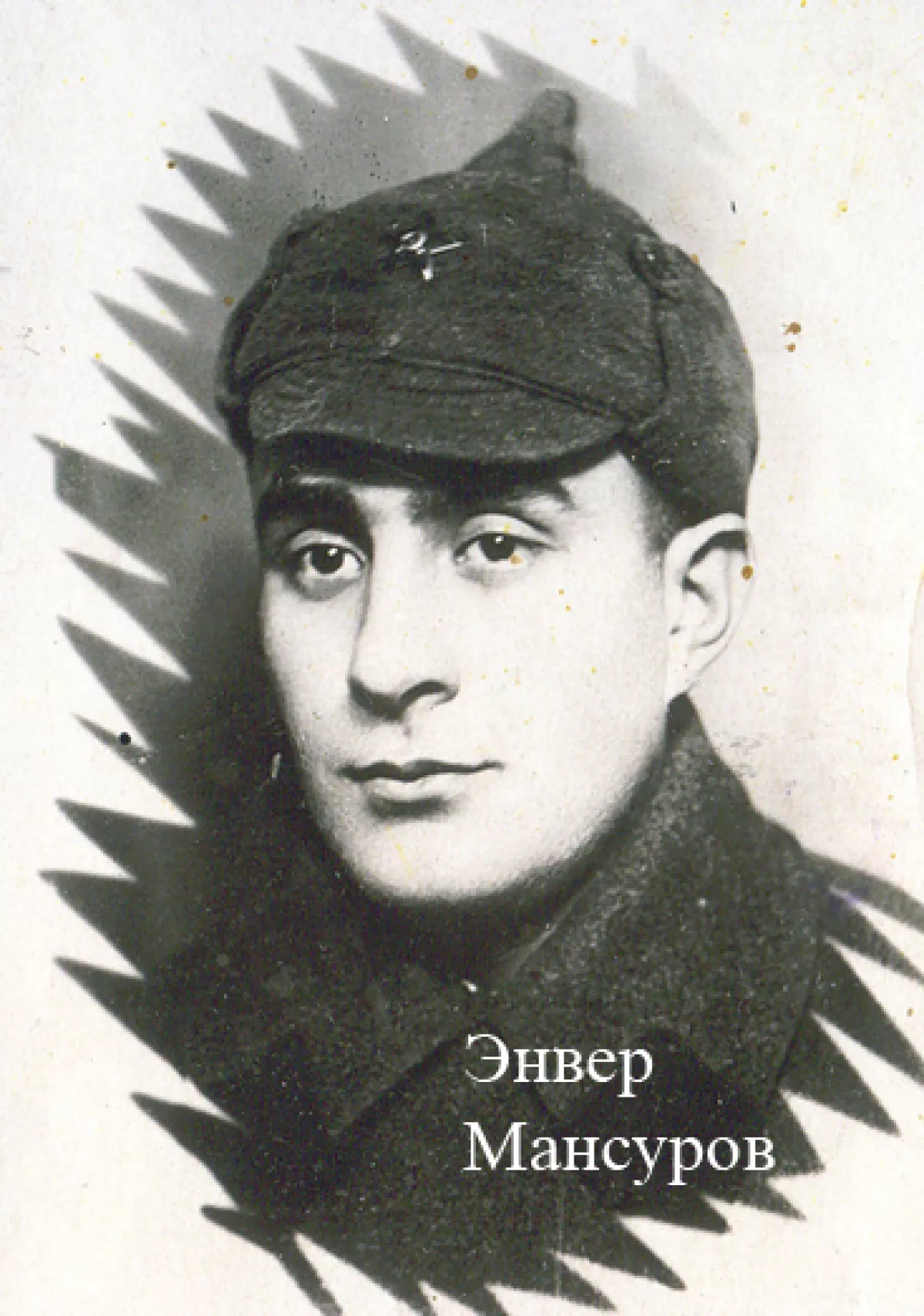
Anvar Mansurov, a renowned tar player and musician, was killed on June 29 after shielding a wounded commander with his own body.
Dozens of enemy soldiers were killed during the defence of the Brest Fortress by sniper Ali Imanov. Minefields were laid by sapper-engineer Ali Mansurov.
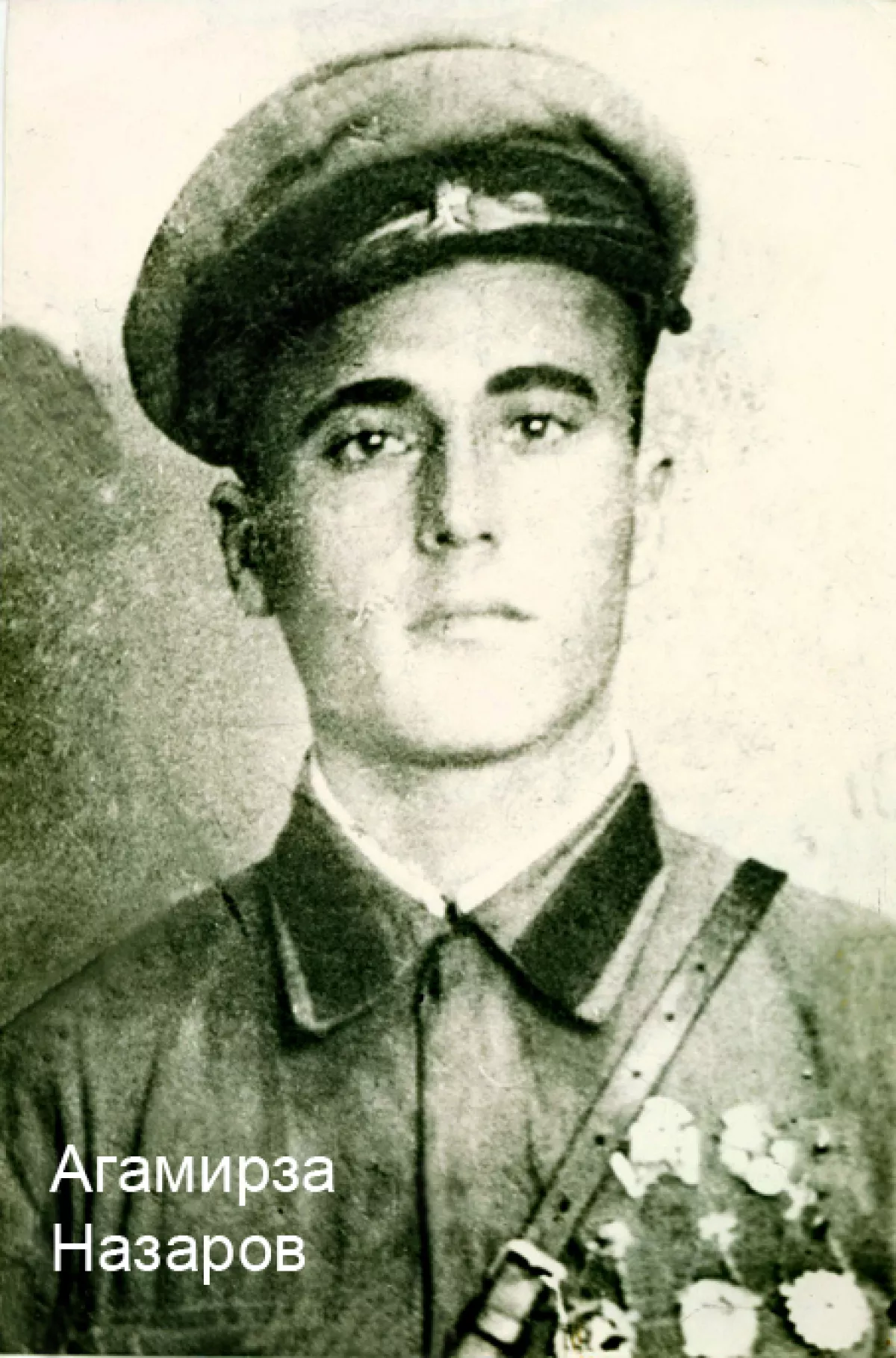
Aghamirza Nazarov, a squad commander in the 132nd Rifle Regiment and a native of Lankaran, also joined the fighting in the citadel of the Brest Fortress in the very first minutes of the war. Commanding a group of soldiers, he repelled several German attacks. He was killed on June 30 while covering the retreat of his comrades from the underground passages. His remains were discovered after the war, and his identity was restored in the 2000s based on archival documents.
Junior Lieutenant Isa Heydarov, commander of a machine-gun platoon, became one of the organisers of the defence of the Eastern Fort, which continued for several days. He personally killed several dozen Nazi soldiers and died a hero’s death while covering the retreat of his comrades.
Red Army soldier Khalil Mammadov, while in captivity, strangled with his own hands the traitor who had betrayed regimental commissar Yefim Fomin to the Nazis — one of the organisers of the defence of the Brest Fortress.
Red Army soldier Musa Aliyev of the 84th Regiment took part in battles in the Staroselsky Forest in the Zhabinka District of the Brest Region. He was captured by the Germans but managed to escape. For some time, he hid with local residents and later joined the partisan movement.
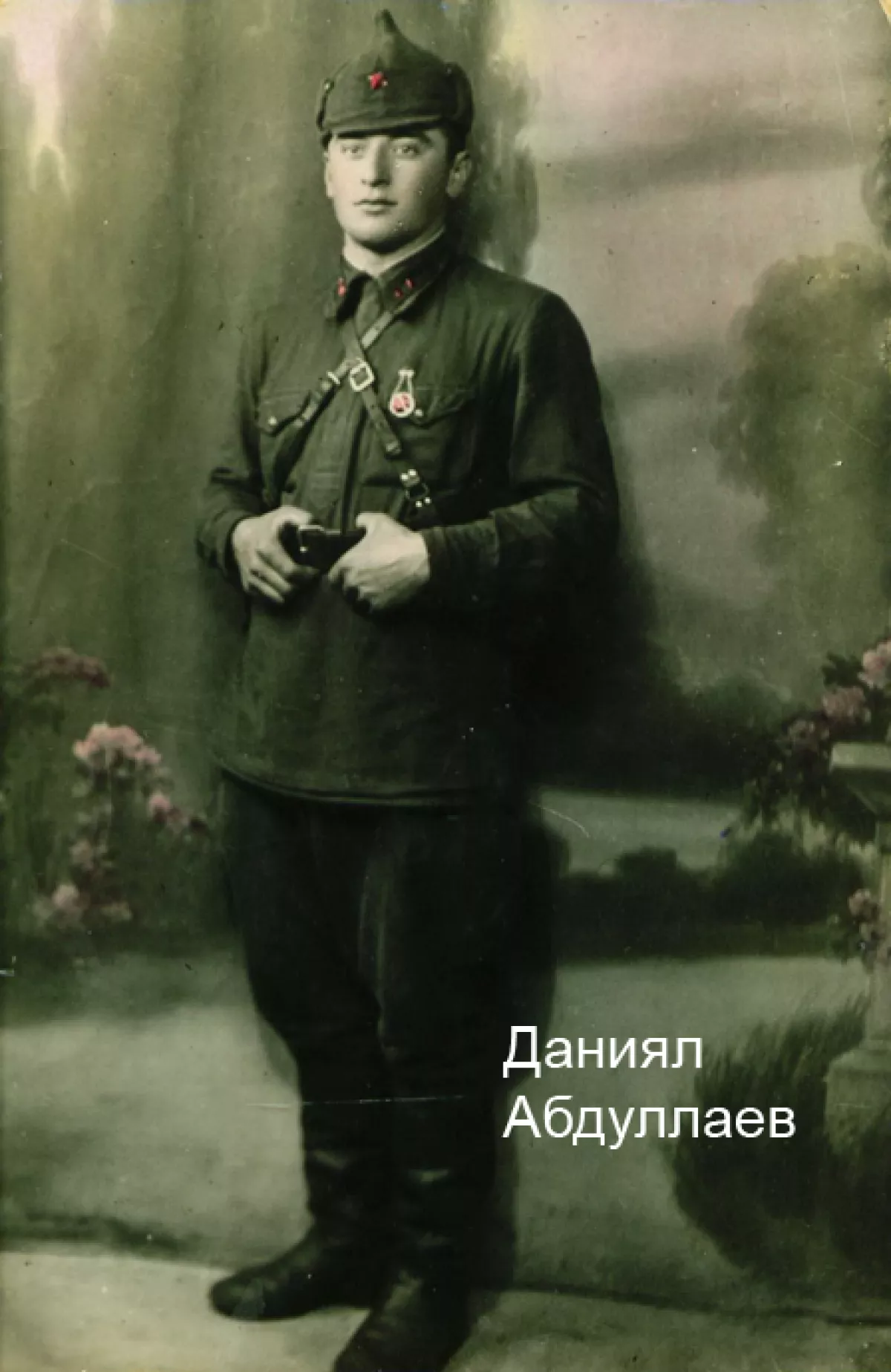
Senior Sergeant Daniyal Abdullayev, assistant platoon commander of the 84th Regiment, was wounded by shrapnel in the head. On June 30, he was captured but managed to escape from a concentration camp and joined the French Resistance, becoming a company commander in a Maquis unit. Abdullayev was awarded the Croix de Guerre twice.
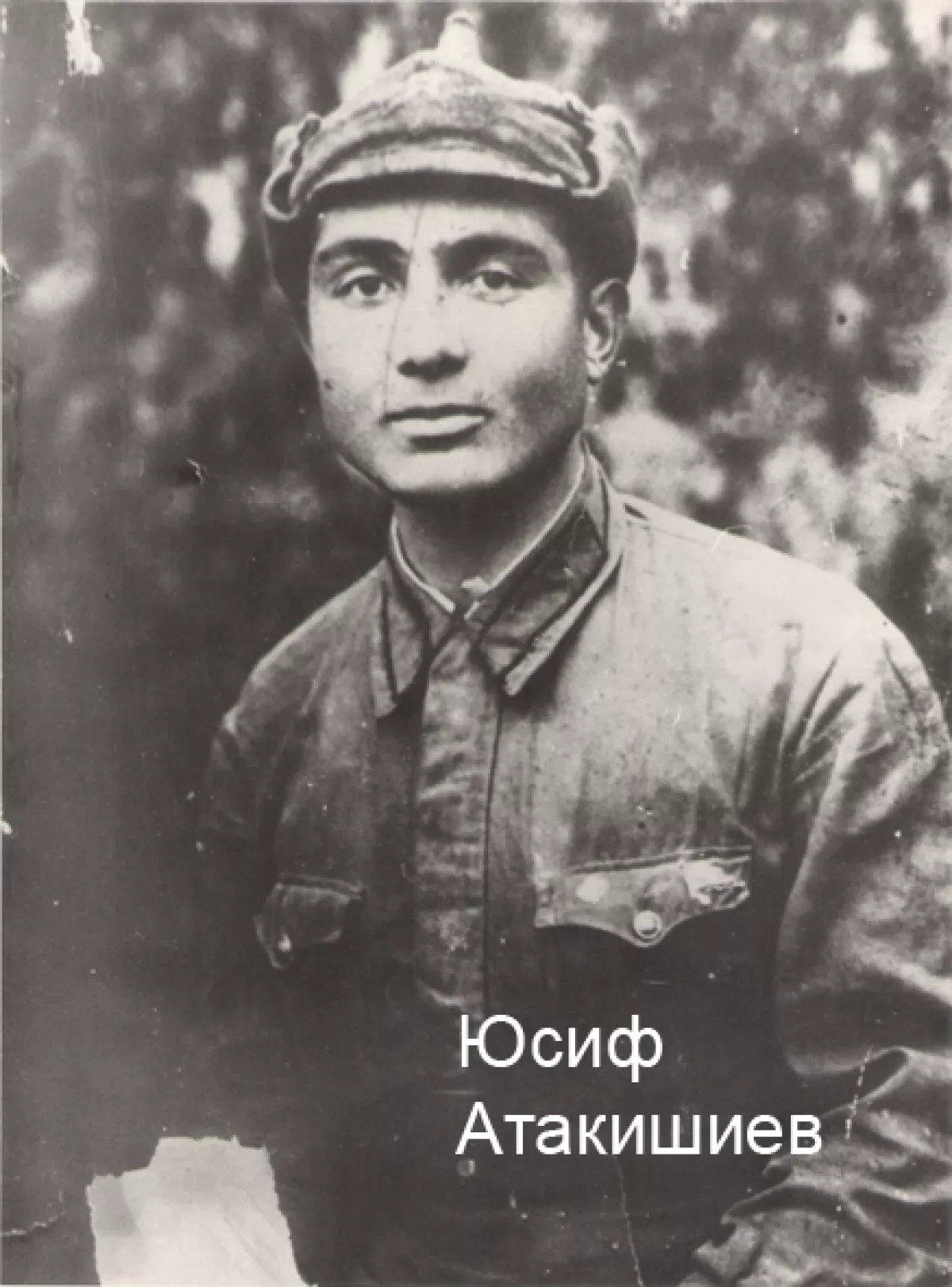
Junior commander Yusif Atakishiyev, a native of Baku, fought to the very end in the underground casemates of the Brest Fortress. After suffering a severe wound, he was captured but escaped and joined the partisans. A war veteran, Atakishiyev carefully preserved the memory of his fellow soldiers.
However, natives of Azerbaijan fought not only in the Brest Fortress. As early as the summer of 1941, they took part in the defence of many Belarusian cities and settlements.
Warriors from the Caspian on the banks of the Sozh
Soldiers from Azerbaijan, serving in the ranks of the multinational Red Army, took part in the defence of many cities in Belarus.
Major Alakbar Aliyev, deputy commander of the 451st Artillery Regiment, met the beginning of the war in the Białystok direction. Severely wounded, he was forced to remain in occupied Borisov in the Minsk Region. After recovering from his wounds, Major Aliyev joined the partisans, became their chief of staff, and later commander of the Suvorov partisan detachment.
In July 1941, Guderian’s tank group advanced in the Mogilev direction. In order to prevent the encirclement of Mogilev, the 160th Gorky Rifle Division was thrown into battle from the trains themselves near Chaussy against the German tank spearheads. However, due to confusion in troop command, part of the division became surrounded.
The 636th Rifle Regiment, which was part of the division, had been reinforced shortly beforehand with a marching battalion from Ganja (then known as Kirovabad).
Many of the arriving Red Army soldiers had previously served in the 1st Regiment named after the 26 Baku Commissars of the Azerbaijan Rifle Division and had received solid combat training. The battalion from Azerbaijan crossed the Dnieper near the village of Gubichi and immediately entered the battle.
Despite suffering heavy losses, the 160th Division managed to slow the Wehrmacht’s advance, break out of the encirclement, and withdraw to the area of Gomel, which had become the temporary capital of Belarus. However, as soon as the 636th Regiment restored its combat capability and began receiving reinforcements, its soldiers found themselves back on the front line.
By mid-August, superior Wehrmacht forces had reached the approaches to Gomel and occupied the military airfield area on the northern outskirts of the city. However, the 636th Rifle Regiment, under the command of Major Kirill Dzhakhua, launched a counterattack and drove the enemy out. The fighters of Captain Humbat Heybatov’s battalion were the first to break onto the airfield runways. In this battle, among soldiers of other nationalities, Mammad Safarov, Sahib Rasulov, Fazil Seyidov, and others distinguished themselves.
After securing positions on the northern outskirts of Gomel, the riflemen of the 636th Regiment soon came under a massive Luftwaffe attack. Following the air raid, German tanks launched an assault. One of them was destroyed with a bundle of grenades, while another was knocked out by Captain Heybatov using a bottle filled with an incendiary mixture. However, a third tank broke through to the positions and began literally crushing the trenches.
At that moment, Heybatov and the regimental adjutant took cover in a deep trench. When the enemy vehicle thundered over them, the soldiers rose and threw two bottles of flammable mixture into the engine compartment. The tank caught fire, and its crew was eliminated by machine-gun fire.
On August 18, the 636th Regiment continued defending the city together with the Gomel People’s Militia Regiment, Ukrainian volunteers from Manevich’s detachment, and other severely depleted units. Major Dzhakhua effectively took command of the northwestern sector of Gomel’s defences.
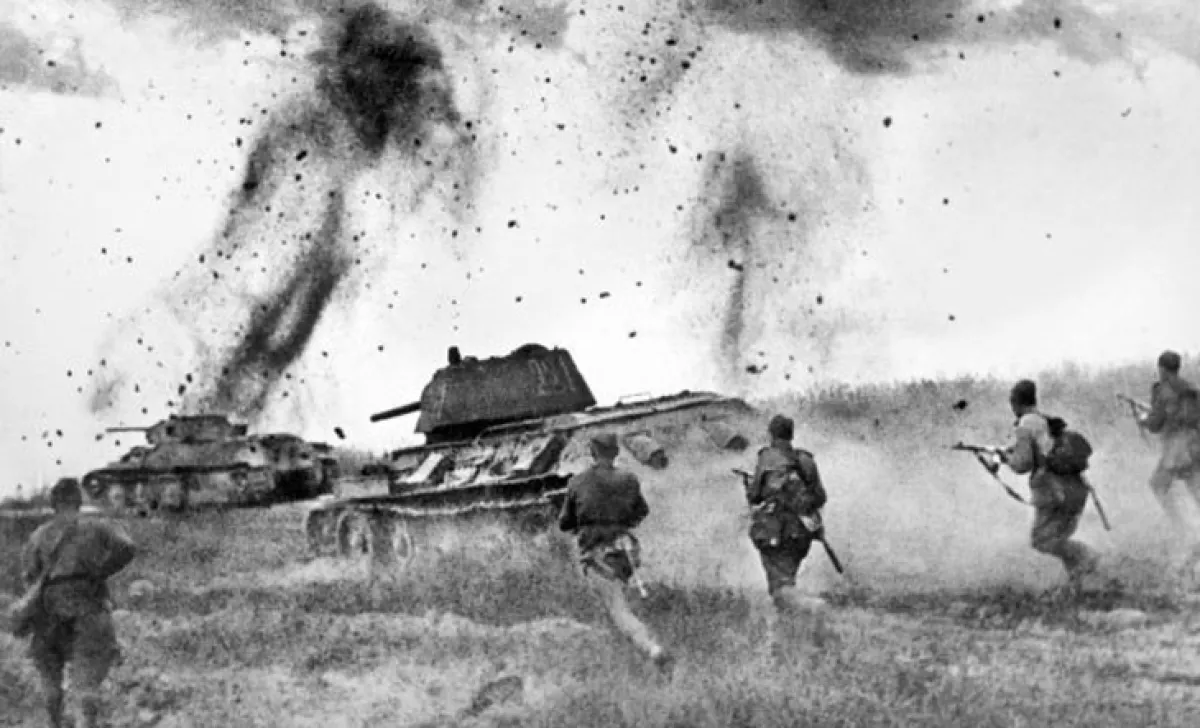
On August 19, after intense street fighting, the Red Army was forced to abandon the right-bank part of the city. The 636th Regiment covered the crossing and was the last unit to leave Gomel. The regiment’s staff vehicle became the final car to speed across the bridge under enemy fire.
At night, the Germans attempted to seize the only surviving bridge across the Sozh River, sending forward a detachment of motorcyclists followed by tanks. However, the machine gunners, acting on Humbat Heybatov’s command, allowed the enemy to reach the middle of the bridge and then opened devastating close-range fire. The artillery then joined the engagement, after which the sappers blew up the bridge. The 636th Regiment, together with the Gomel militia and other surviving units, took up defensive positions on the left bank of the Sozh near Novobelitsa.
The following day, after crossing the Sozh downstream, the Wehrmacht launched an assault on Novobelitsa. German tanks broke through and opened fire from the rear. The regimental commander was severely wounded by a shell fragment, and Humbat Heybatov then took command of the battle.
By that time, the heavily depleted 636th Regiment had been reduced to a single battalion and became one of the last units to leave Novobelitsa on August 23 under the threat of encirclement. Under Captain Heybatov’s command, his soldiers began a withdrawal to the southeast while continuing to hold back the enemy advance.
Twenty-seven-year-old platoon commander Fazil Seyidov was killed a month later in a battle near the village of Budyshche in the Sumy Region and was buried there. Fazil was the grandson of the renowned 19th-century poet and educator Seyid Azim Shirvani and, before the war, worked as a literature teacher at one of the schools in Baku.
On June 26, 1942, near the village of Morozovka in the Kursk Region, Mammad Safarov — a builder from Baku — was killed while rallying soldiers for an attack.
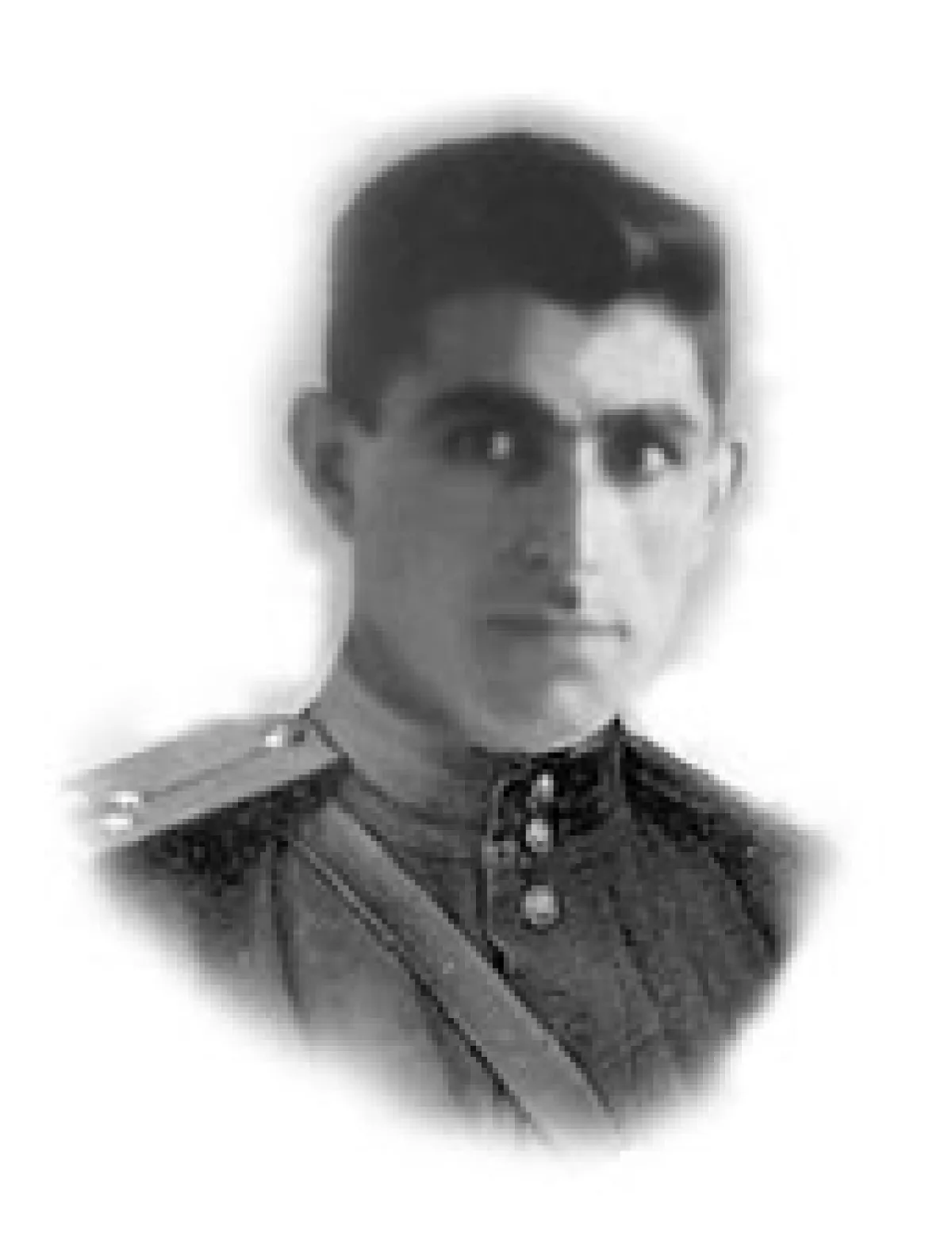
Company commander of the 636th Regiment, Sahib Rasulov, went through a long combat path. Naturally reserved, yet exceptionally courageous in battle, he enjoyed unquestionable authority among his soldiers. After the war, Sahib Rasulov, a recipient of the Order of Alexander Nevsky, worked as a senior lecturer at the Department of Physical Education of Azerbaijan State University in Baku.
...
During that tragic summer of 1941, representatives of many peoples of the Soviet Union fought their first battles against Hitler’s army on Belarusian territory. The fates of these people became part of the shared history of Azerbaijan and Belarus — a history of courage, hardship, and the struggle against Nazism during the most difficult days of the war.







 editor@caliber.az
 +994 55 444-88-98
 Азербайджан, Баку, ул. Низами, 203, Af Business House, 5-й этаж