










Loose lips, real targets Ukraine’s wartime information problem
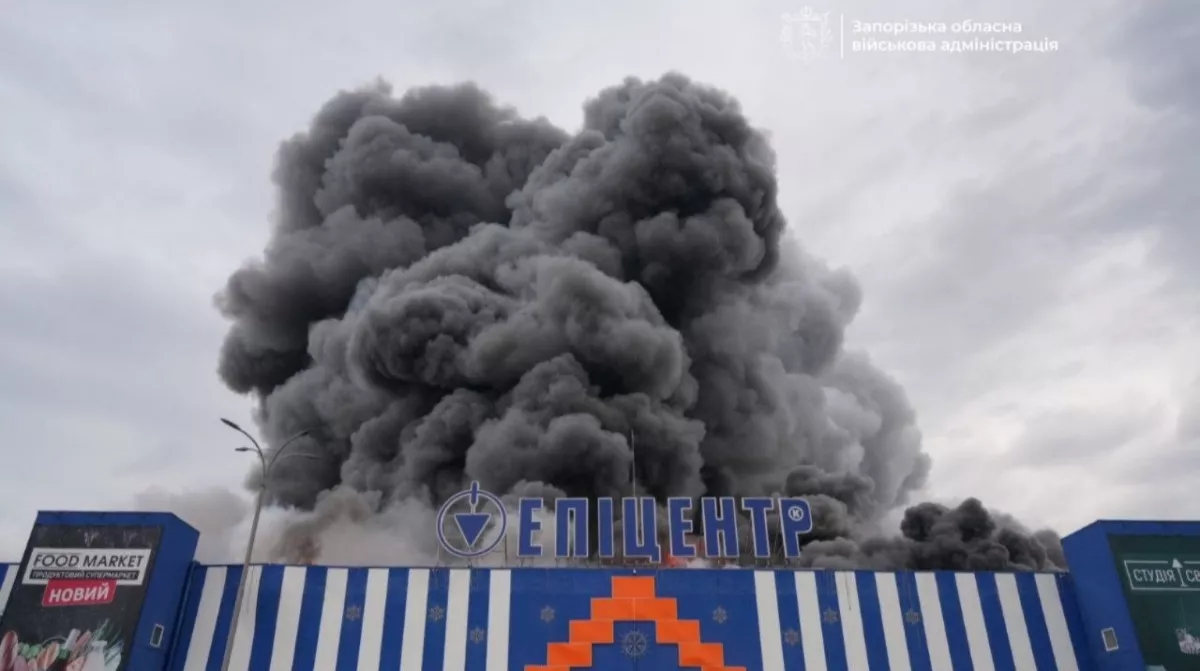
On the morning of August 28, Russian forces once again struck the Epicentr shopping centre in Zaporizhzhia. A fire broke out across an area of about 2,000 square metres, injuring four people. According to Forbes Ukraine, this was at least the fourth attack on one of the chain’s hypermarkets in Zaporizhzhia since the beginning of 2026 and the second in August alone.
There can, of course, be no justification for this. The Russian military bears full responsibility for every strike on Ukrainian cities and civilian facilities. Yet there is another side to this story that receives considerably less attention: the unacceptable loose talk of certain Ukrainian public figures. Their statements can not only make the enemy’s intelligence work easier but also create additional risks for specific civilian locations.

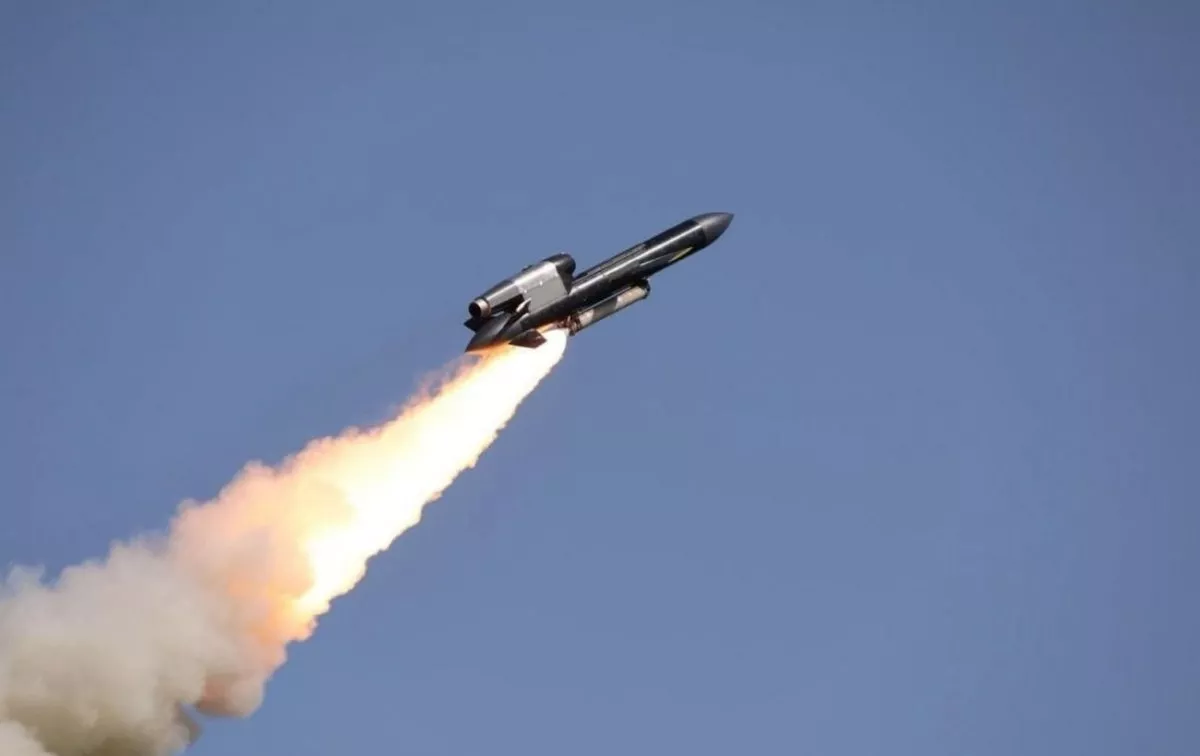
A striking example is the statement by Fire Point CEO Iryna Terekh. She publicly let slip that the engine cover of the Flamingo missile is allegedly attached using ordinary door hinges purchased from the Epicentr retail chain. According to Terekh, the solution was driven by availability: the hypermarkets operate around the clock, whereas specialised aviation fasteners can take a long time to arrive through imports. Her remarks quickly spread across both Ukrainian and Russian-language media.
This raises an entirely natural question: why was there any need to name a specific retail chain at all? MP Anna Skorokhod also raised this issue, sharply criticising the Fire Point executive’s statement. She directly linked such publicity to increased risks for Epicentr facilities, which have already been repeatedly targeted by Russian strikes.
Of course, it cannot be claimed that the latest strike on Epicentr in Zaporizhzhia was carried out specifically because of Terekh’s remarks. But one thing is clear: during wartime, anyone connected to the defence industry must weigh every word carefully. This is especially true when discussing a company whose production facilities are deliberately kept secret and dispersed. Fire Point itself says it has dozens of production sites, while The Guardian previously reported that the company had 83 facilities across Ukraine.
This creates a paradox. On the one hand, the Ukrainian state and defence manufacturers are making enormous efforts to conceal their production facilities. On the other, representatives of weapons companies are publicly linking civilian retail chains to their manufacturing processes. War does not forgive such contradictions or such lapses in judgment.
Especially given that the expert community already has a number of questions about Fire Point:
Procurement transparency: As Ukrainska Pravda has noted, the secrecy surrounding defence contracts prevents the public from assessing whether Fire Point’s product prices are justified or understanding the rationale behind government decisions to finance them.
Weapons effectiveness: A May investigation by Ukrainska Pravda and OSINT analysts examined 23 known Flamingo launches at the time. Only six missiles reached the target area, and just two hits were objectively confirmed. In the episode involving Kotluban, one of six missiles reached the target area. Not all of the failures were caused by air defence systems — some missiles lost accuracy on their own.
Management background: Questions have also been raised about Iriya Terekh’s professional background. Public materials identify her as the head of Fire Point, while earlier publications about the company indicated that her professional career had been connected to architecture and other civilian fields.
However, it would be a mistake to reduce the issue to Iryna Terekh alone. Ukraine’s information space is filled with people who consider it acceptable to publicly discuss sensitive topics: supply routes, production volumes, the names of facilities, or technological details of how weapons systems operate. At times, photos and videos appear online that can give intelligence specialists enough information to geolocate a site within minutes.
After four and a half years of full-scale war, the very concept of state secrecy has fundamentally changed. Today, a single careless phrase in an interview or a social media post can be enough to put sensitive information in the hands of the enemy. That is why, in theory, Iryna Terekh’s excessive disclosure about Epicentr should serve as a catalyst for a serious, systemic discussion about wartime censorship and self-restraint. Unfortunately, there is a real concern that after a few days of social media outrage, everything will simply return to the way it was — and that is the real tragedy.







 editor@caliber.az
 +994 55 444-88-98
 Азербайджан, Баку, ул. Низами, 203, Af Business House, 5-й этаж