










Minsk and Tashkent take cooperation to a new level Analysis by Limansky
Relations between Belarus and Uzbekistan have reached the level of a strategic partnership, with new Uzbek industrial products set to enter the Belarusian market.
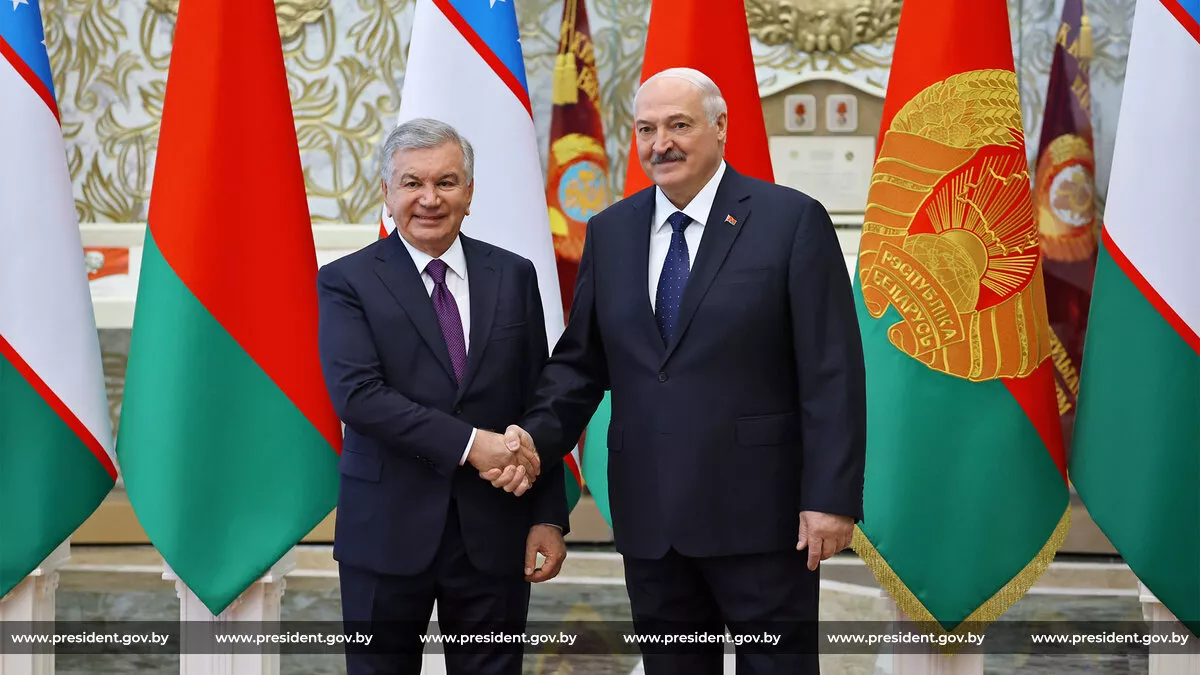
On July 8–9, President of Uzbekistan Shavkat Mirziyoyev paid an official visit to Belarus. During the talks, the two leaders discussed a broad range of issues, including the expansion of Belarusian-Uzbek industrial cooperation.
A good meeting
On July 8, the aircraft carrying the president of Uzbekistan landed in Minsk. Upon arriving in the Belarusian capital, Shavkat Mirziyoyev laid a wreath at the foot of the Victory Monument in Victory Square. Thousands of Uzbek soldiers fought for the liberation of Belarus from Nazism. In March 2026, Alexander Lukashenko said: "We know how much you did for the Belarusian people during the Second World War. Many of our people found refuge in Uzbekistan, where they were treated with kindness. They were fed, clothed, and helped in every way possible."
Alexander Lukashenko welcomed Shavkat Mirziyoyev at his residence. Speaking about the estate, the Belarusian leader remarked, "Some of these trees are 300 years old, and I was the one who brought the place into order." To this, the president of Uzbekistan aptly replied, "That's something only you could do."
Speaking about the upcoming official talks, Lukashenko said: "I think we will have a good meeting and we will discuss all the behind-the-scenes matters. Both public and confidential matters. As always, like friends, you and I will share all the information that we have. I’ve been preparing for it. And for a long time at that."
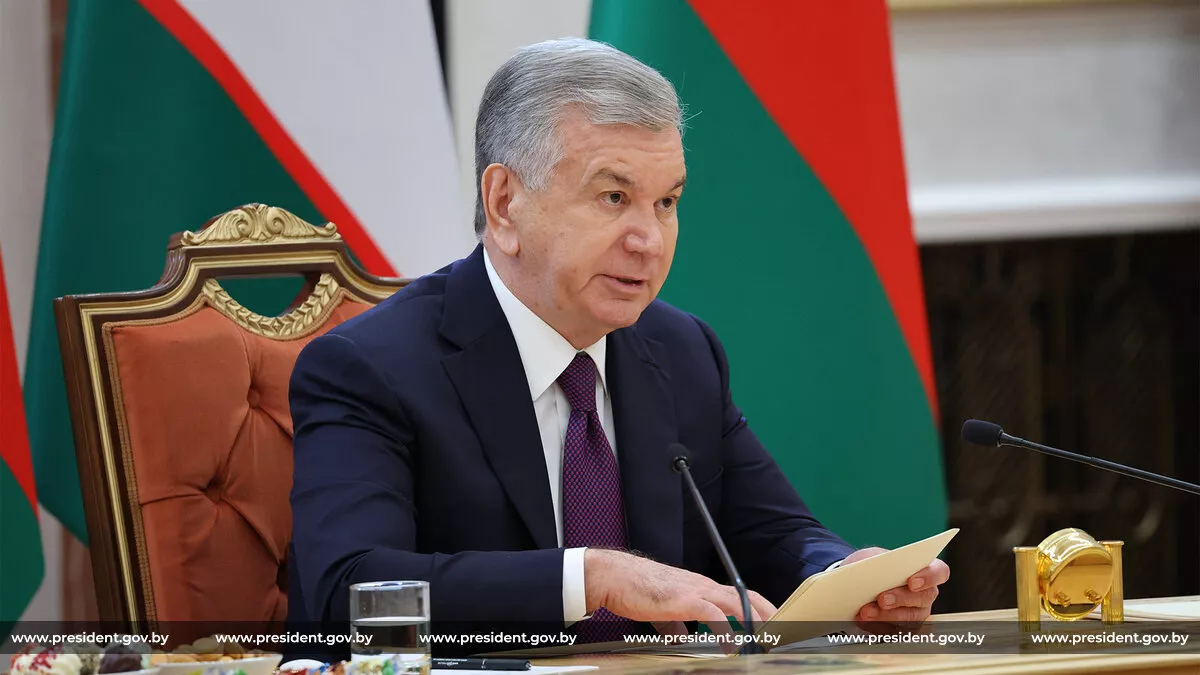
The president of Uzbekistan noted: "Indeed, in these complicated times we have something to talk about." For the first time, Belarus welcomed such a large and high-level delegation from Uzbekistan, comprising representatives of 230 companies from the country's three largest regions: the Tashkent, Fergana, and Andijan regions.
Afterwards, the Belarusian leader invited Shavkat Mirziyoyev to an informal dinner. As it later became known, the two leaders spent several hours discussing a wide range of practical issues in a relaxed, home-like atmosphere.
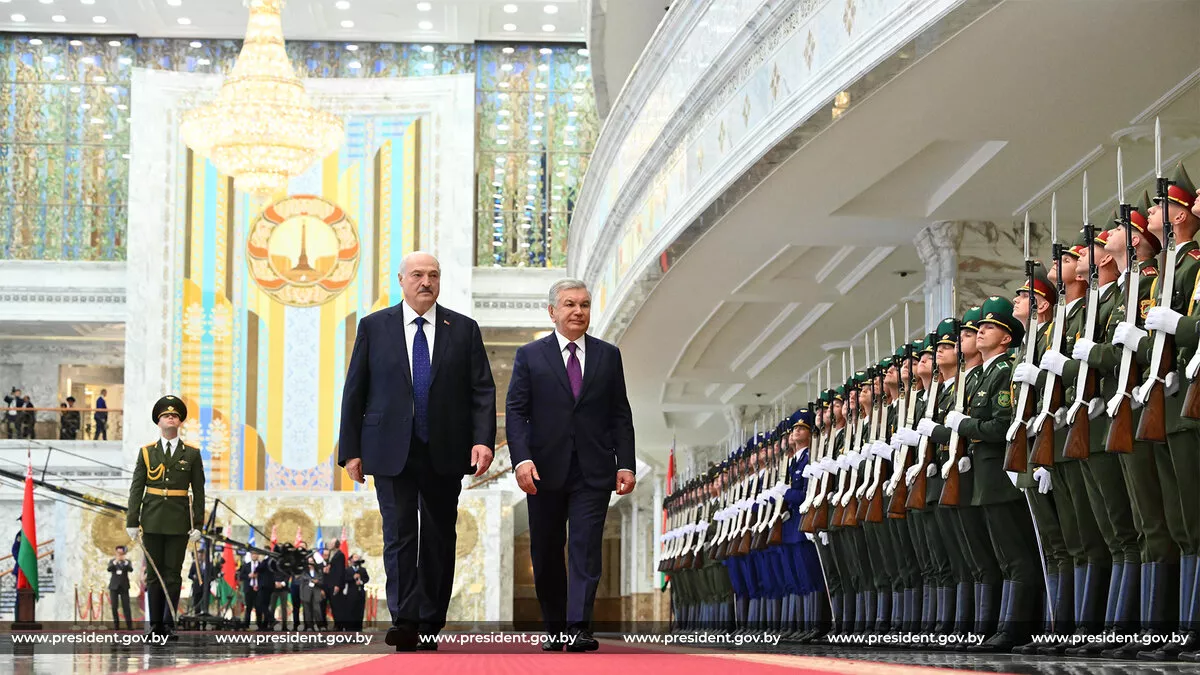
On July 9, an official welcoming ceremony for Shavkat Mirziyoyev took place at the Palace of Independence. The national flags of the two countries were raised in the square in front of the palace, and an honour guard was assembled. This was followed by official talks held in both one-on-one and expanded formats.
The expanded-format meeting was attended by Deputy Prime Ministers Yuri Shuleiko and Jamshid Khodjaev, as well as seven Belarusian sectoral ministers and the Chairman of the Minsk City Executive Committee.
Alexander Lukashenko described the president of Uzbekistan as a friend of the Belarusian people and stated: "On the key issues, we pursue the same policy as Uzbekistan. We support a multipolar world. We do not seek to interfere in anyone else's affairs. Uzbekistan looks after its own people, Belarus looks after its own people. At the same time, we are working very actively to bring our interests together."
Uzbekistan is among the top three CIS countries with which Belarus maintains the closest economic ties and ranks among the top ten such partners worldwide.
Alexander Lukashenko noted that this significant breakthrough had largely been made possible during Shavkat Mirziyoyev's presidency.
For his part, Shavkat Mirziyoyev emphasised that following Alexander Lukashenko's historic visit to Uzbekistan in February 2024, bilateral relations had reached a qualitatively new level. The Uzbek leader also noted that over the past five years, bilateral trade had nearly tripled.
Close cooperation
According to the president of Uzbekistan, 360 joint ventures are currently operating successfully. Therefore, the negotiations focused primarily on projects in the field of industrial cooperation.
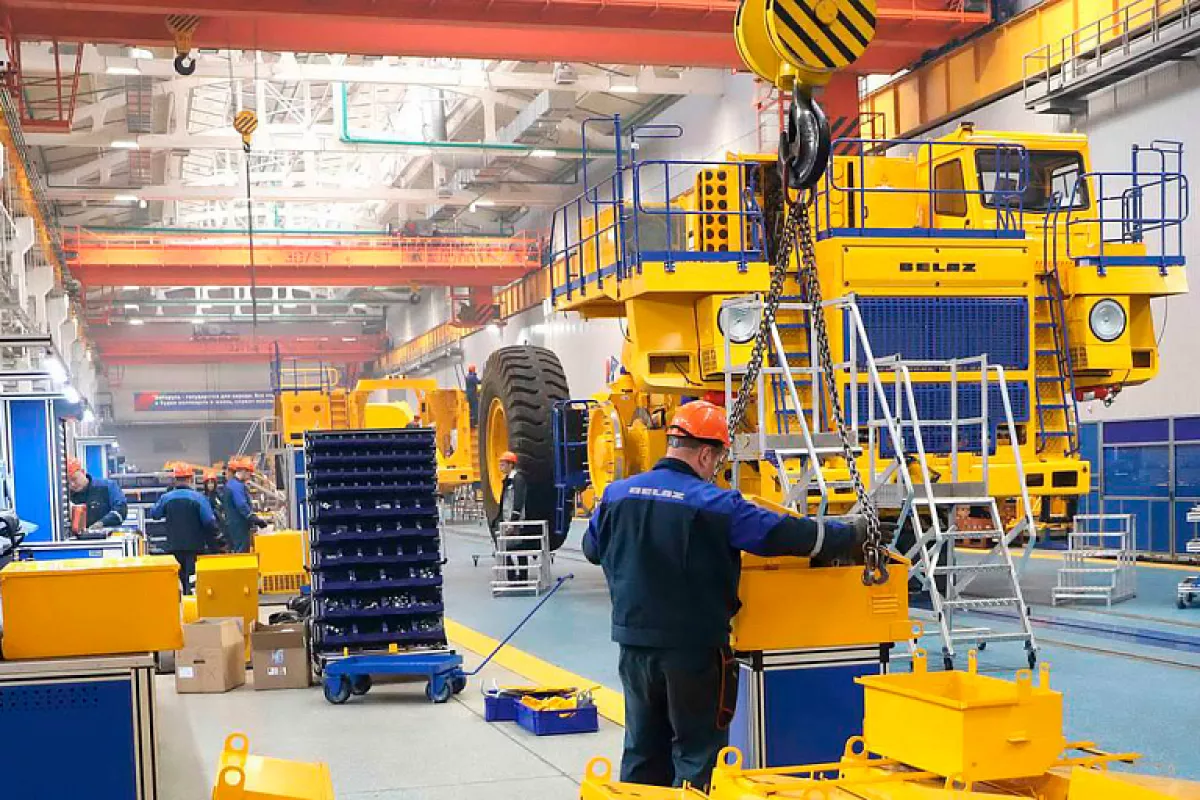
BelAZ is establishing an assembly facility in Uzbekistan for heavy machinery, including 130-ton mining dump trucks. The company is also ready to begin production of 220-ton dump trucks. For Uzbekistan, a country rich in mineral resources, the development of domestic mining equipment manufacturing is of particular importance.
Over the past year, approximately 1,300 MTZ tractors have been assembled in Uzbekistan. In the future, the joint production is expected to increase to 3,000 units annually. To support this equipment, a service network of 11 facilities has already been established, and the opening of a training centre is also planned.
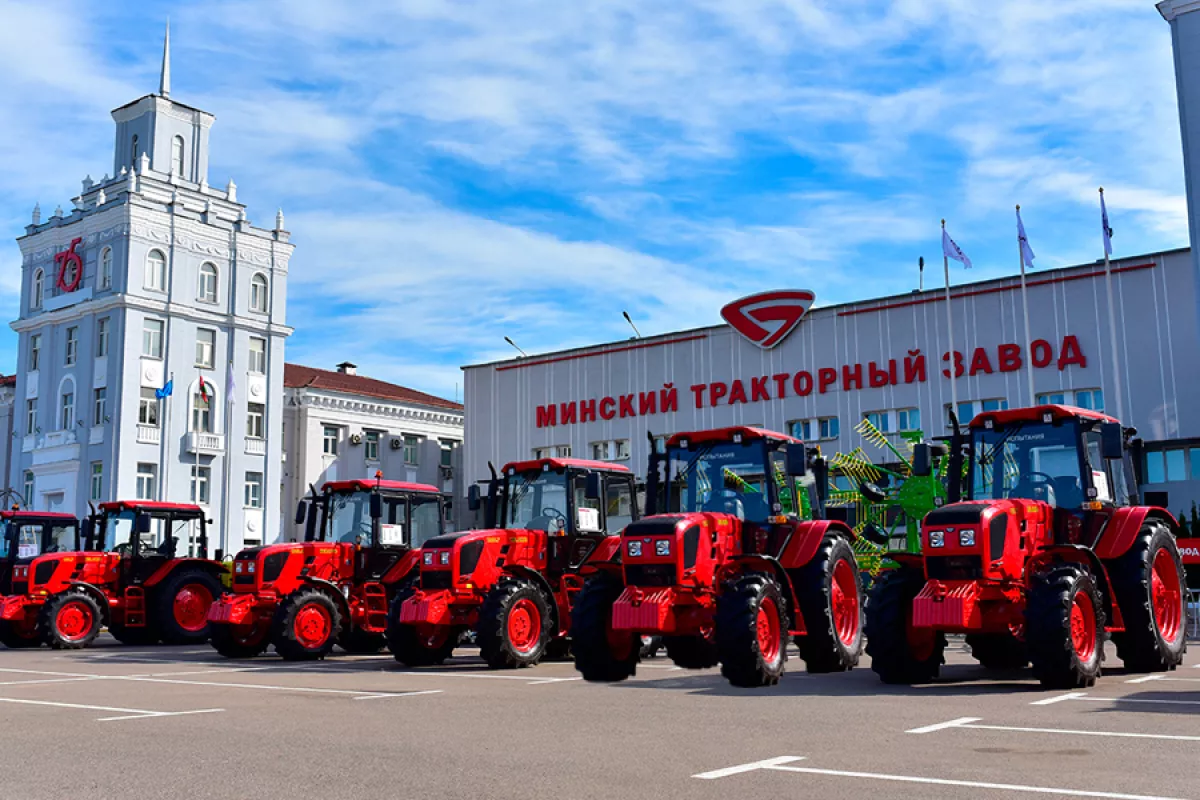
In addition, the possibility of training Uzbek specialists directly at the MTZ is under consideration. Cooperation is also advancing in the cable manufacturing industry, while collaboration in the energy sector is expanding, including projects focused on automation and digitalisation. The president of Uzbekistan also welcomed the participation of Belarusian specialists in the construction of Uzbekistan's nuclear power plant (NPP).
Belarusian-Uzbek cooperation is set to expand further in agriculture, agricultural processing, and the production of poultry and dairy products. By the end of 2025, trade in food products and agricultural raw materials between the two countries had increased by 50 per cent compared with the previous year.
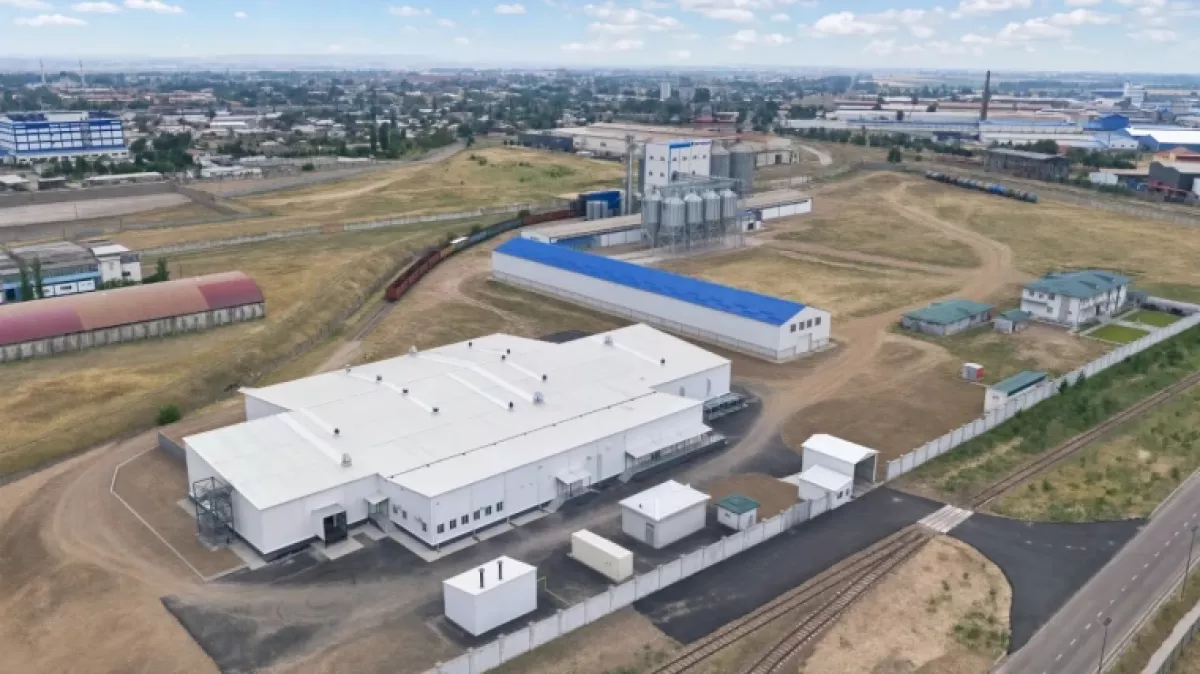
Two years ago, with Belarusian investment, a full-cycle poultry complex based on the latest technologies developed by the Servolux Group was opened in the Tashkent Region. During the current meeting, the two sides also agreed to establish livestock farming complexes in the Vitebsk Region with the participation of Uzbek partners.
Belarus exports wood processing products, petrochemicals, pharmaceuticals, as well as meat and dairy products to Uzbekistan. In addition to joint projects, Alexander Lukashenko emphasised Tashkent's important role in promoting Belarusian goods in third-country markets, particularly in countries that are geographically and economically close to Uzbekistan.
By the end of 2025, trade turnover between Belarus and Uzbekistan reached approximately $885 million, representing a 35 per cent increase compared with the previous year. The two countries aim to raise this figure to $2 billion by 2030.
During the current meeting, the sides agreed on new cooperation projects in agriculture, mechanical engineering, pharmaceuticals, the electrical engineering industry, light industry, and furniture manufacturing.
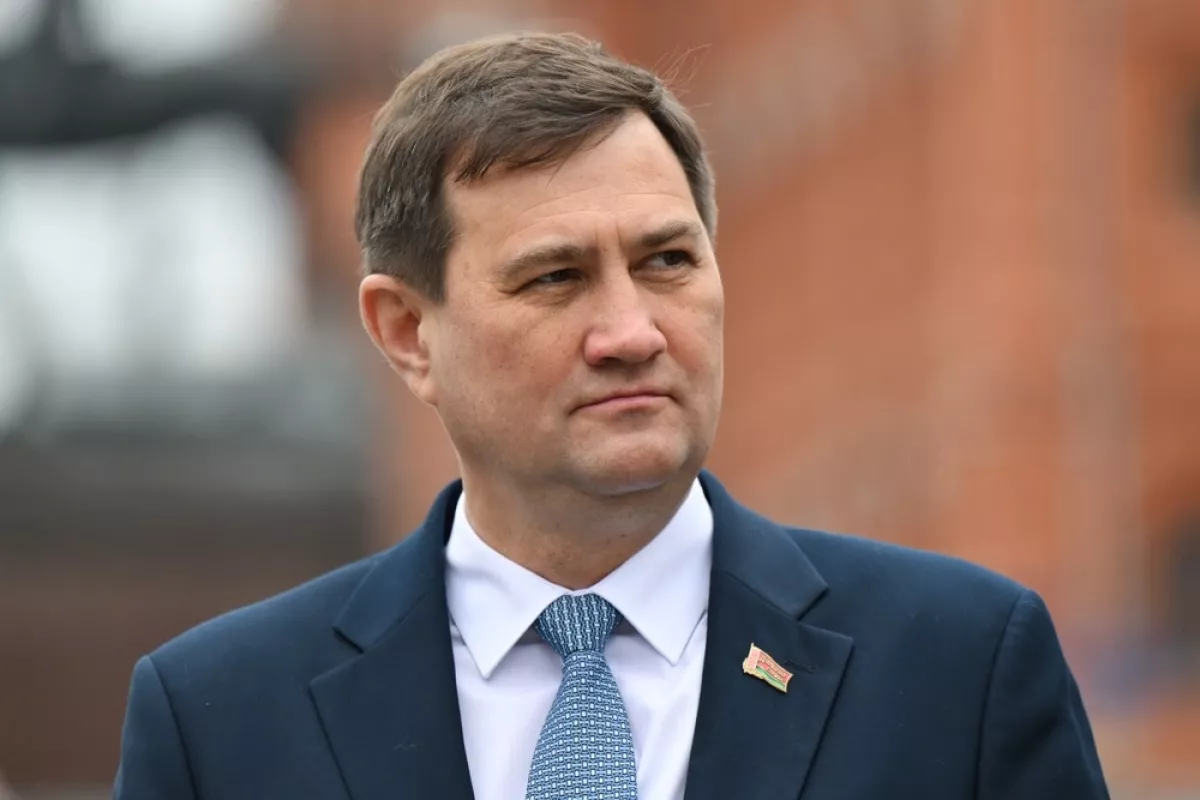
Uzbekistan exports cotton yarn, knitwear, vegetables, fruit, and dried fruit to Belarus. Ahead of the talks, Belarusian Foreign Minister Maxim Ryzhenkov noted that the agenda also included "the supply of certain industrial products from Uzbekistan, surprising as that may seem to many."
What industrial products could this refer to? In addition to light industry goods, Uzbek steel products are also in demand in Belarus. In particular, the country imports copper pipes and bronze rods produced by the Uzbek company Saviesa.
Just ahead of the visit, the Trade House Uzbekistan was officially opened in Minsk, in one of the city's most prestigious locations—next to the Palace of Independence.
"But one Trade House is not enough," Alexander Lukashenko said. "We need to replicate this model, and ideally, every region should have an Uzbek Trade House."
The Belarusian leader's proposal is likely to be welcomed by many Uzbek entrepreneurs who have long been operating in Belarus. At present, they mainly specialise in selling relatively affordable but high-quality consumer goods, including Uzbek knitwear, through small retail outlets. The establishment of branded Uzbek Trade Houses in major Belarusian cities could elevate this trade to an entirely new level.
Ahead of the meeting in Minsk, the Tashkent Restaurant and representative offices of several Uzbek companies, including Art Soft and others, were also opened.
The two countries have established close cooperation in the fields of healthcare and education. In science and research, they are jointly developing new technologies, including applications of artificial intelligence.
President Alexander Lukashenko noted that Uzbekistan at times faces shortages of water resources and arable land, while Belarus is experiencing a shortage of labour.
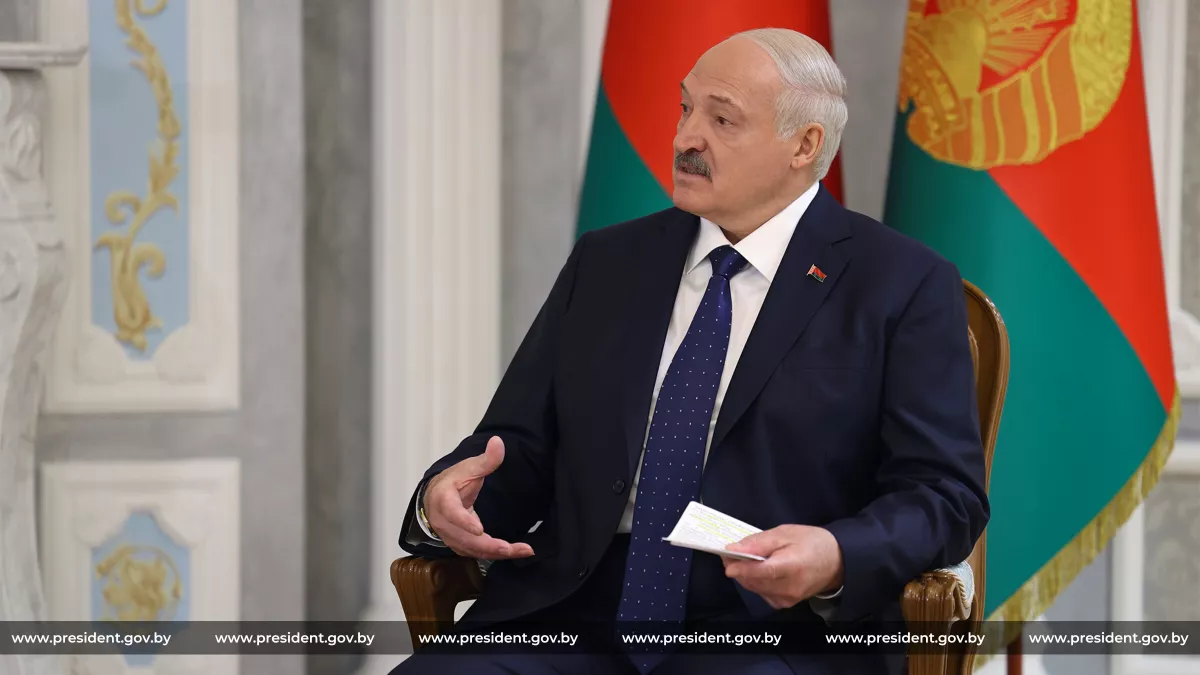
"We would very much like Uzbek families to come to Belarus, live here, receive healthcare and education when needed, and build their future here. We need this greatly so that Belarusian land does not become depopulated. Let us work together. Belarusians have great respect for Uzbeks, just as the people of Uzbekistan respect Belarusians. Let us move toward one another," Lukashenko said, describing Uzbeks as "exceptionally hardworking people."
Following the talks, the two sides signed what Minsk described as a historic document—the Declaration on the Establishment of Strategic Partnership between the Republic of Belarus and the Republic of Uzbekistan. During the visit, they also adopted a comprehensive roadmap for bilateral cooperation for the coming years, along with a substantial package of bilateral agreements. These included a protocol on cooperation in the light industry sector, an agreement on the temporary employment of Uzbek citizens in Belarus, and several other intergovernmental agreements and memorandums.
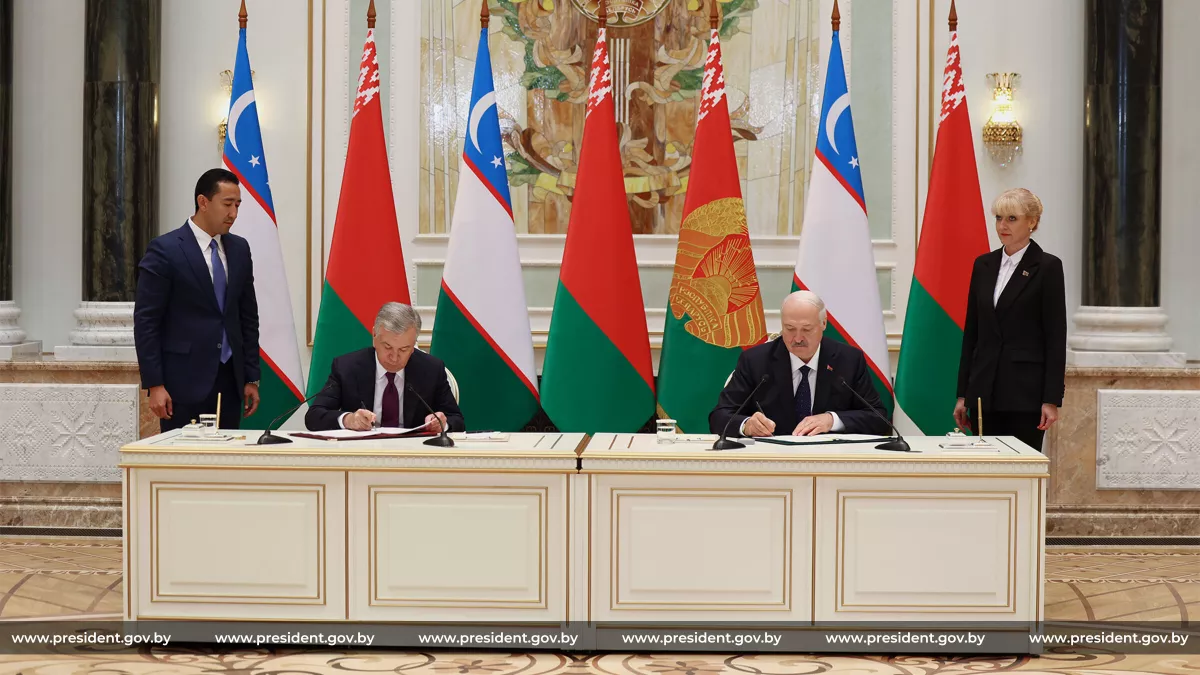
Minsk and Tashkent reaffirmed their commitment to mutual support in international affairs, including within the United Nations (UN), the Commonwealth of Independent States (CIS), the Shanghai Cooperation Organisation (SCO), and the Non-Aligned Movement (NAM).
Another distinctive initiative—the Belarusian-Uzbek Women's Business Forum—continues to develop. On the eve of the visit, the Third Forum of the Regions of Belarus and Uzbekistan was held in Minsk. In addition, the Belarusian-Uzbek Friendship Alley was inaugurated on Tashkentskaya Street with the participation of the foreign ministers of both countries.
Before the end of the year, Belarus and Uzbekistan are also expected to hold joint medical and tourism forums, as well as a forum on higher and vocational education. In 2025, the Days of Belarusian Culture were held in Uzbekistan. In addition, Belarus provides scholarships for talented Uzbek students to study at Belarusian universities, while children from Uzbekistan spend their holidays at the Zubrenok children's health and recreation camp.
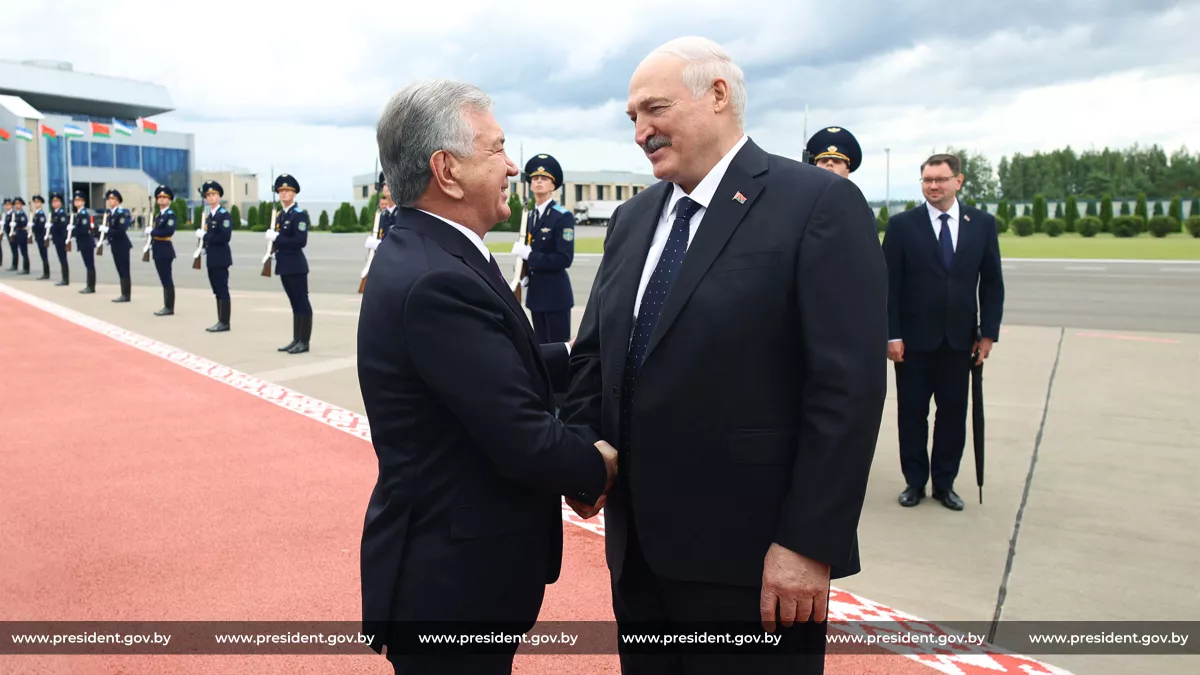
At the conclusion of the visit, Alexander Lukashenko personally accompanied his Uzbek counterpart to the aircraft.
...
Meanwhile, the Belarusian nationalist opposition has already criticised the visit. The Belsat television channel, a media outlet operating under Poland's Ministry of Foreign Affairs, reported only that "Lukashenko is now inviting migrants from Uzbekistan." However, unlike in some neighbouring countries, Belarus takes a firm stance against manifestations of nationalism, xenophobia, and Islamophobia.
Uzbekistan is a country with a rapidly growing economy and a population of 40 million, providing access to the markets of Central and South Asia, as well as the Middle East. Belarus is a country with a strong industrial base and considerable scientific potential. As a result, the economies of the two nations are well positioned to complement one another and promote their shared development.
Belarus consistently advocates friendship among all countries and peoples and, naturally, seeks the closest possible cooperation with those states with which it shares a common history, collective memory, and contemporary economic interests.







 editor@caliber.az
 +994 55 444-88-98
 Азербайджан, Баку, ул. Низами, 203, Af Business House, 5-й этаж