










Taghiyev’s villa in Mardakan: A jewel of the Baku oil boom era A journey through history on Caliber.Az
The second half of the 19th century became a time of rapid transformation for Baku. The discovery of rich oil fields on the Absheron Peninsula led to a powerful economic upsurge that went down in history as the Baku oil boom. The city was quickly turning into one of the largest industrial centres of the Russian Empire, attracting entrepreneurs, engineers, and capital from all over the world. It was during this period that an entire cohort of major oil industrialists emerged, playing a significant role in the development of the economy and urban infrastructure.
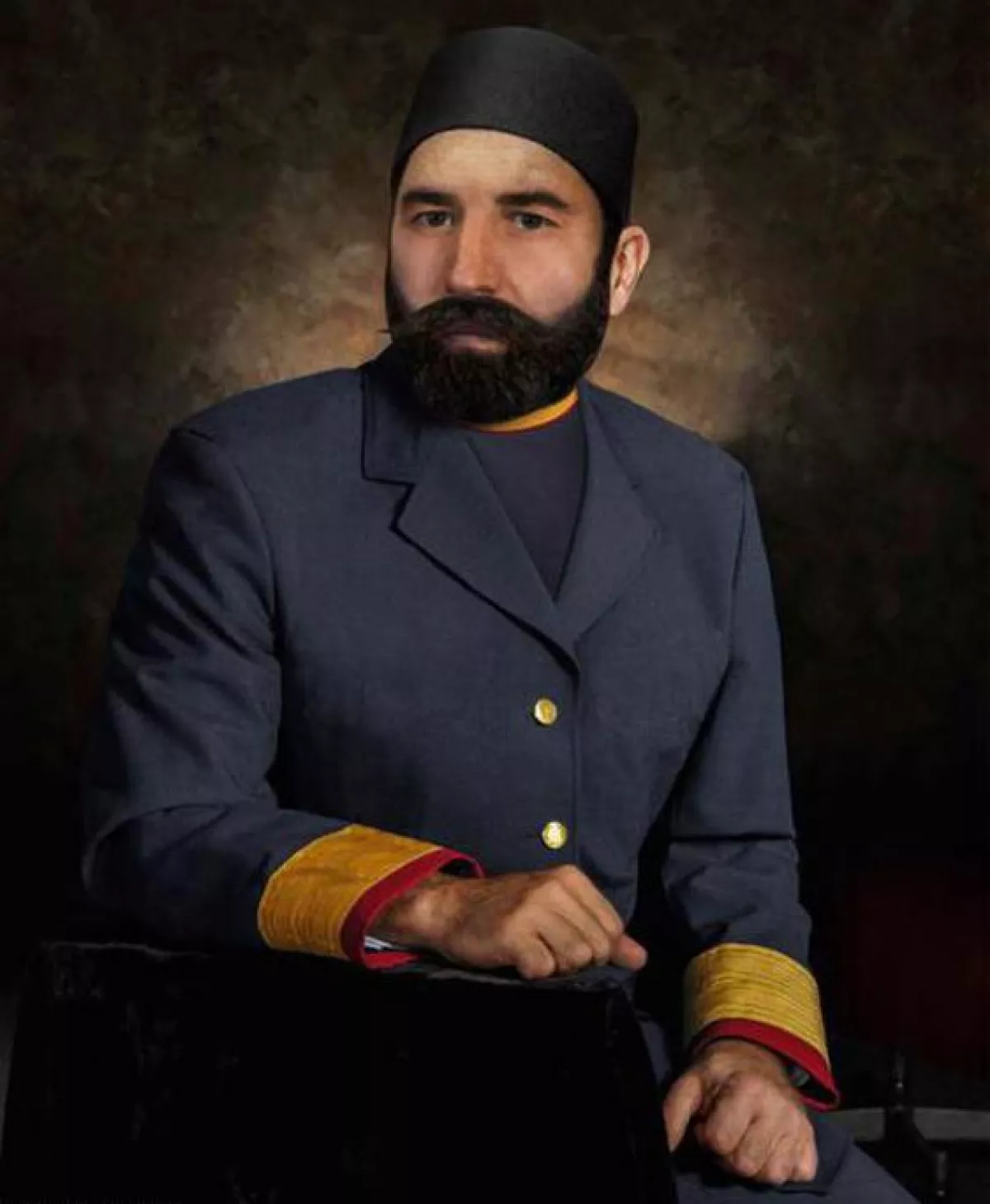
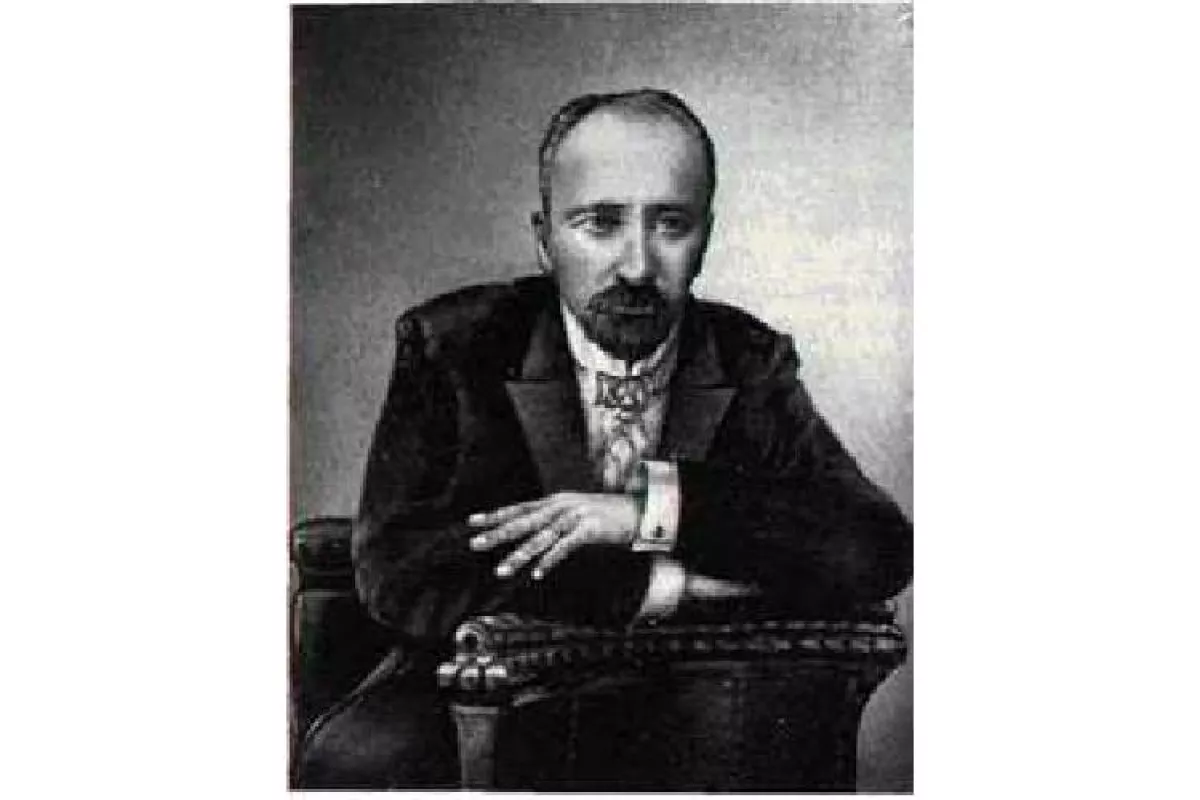
A special place among them is held by Haji Zeynalabdin Taghiyev — an Azerbaijani industrialist, public and political figure, millionaire, and outstanding philanthropist; an Active State Councillor (1903), Commercial Councillor (1905), a first-guild merchant, and a hereditary honorary citizen (1900).
Haji Zeynalabdin Taghiyev left a notable mark not only on the industrial and public life of Baku, but also on shaping its architectural appearance. Several beautiful residential houses and public buildings were constructed in the city with the patron’s funds.
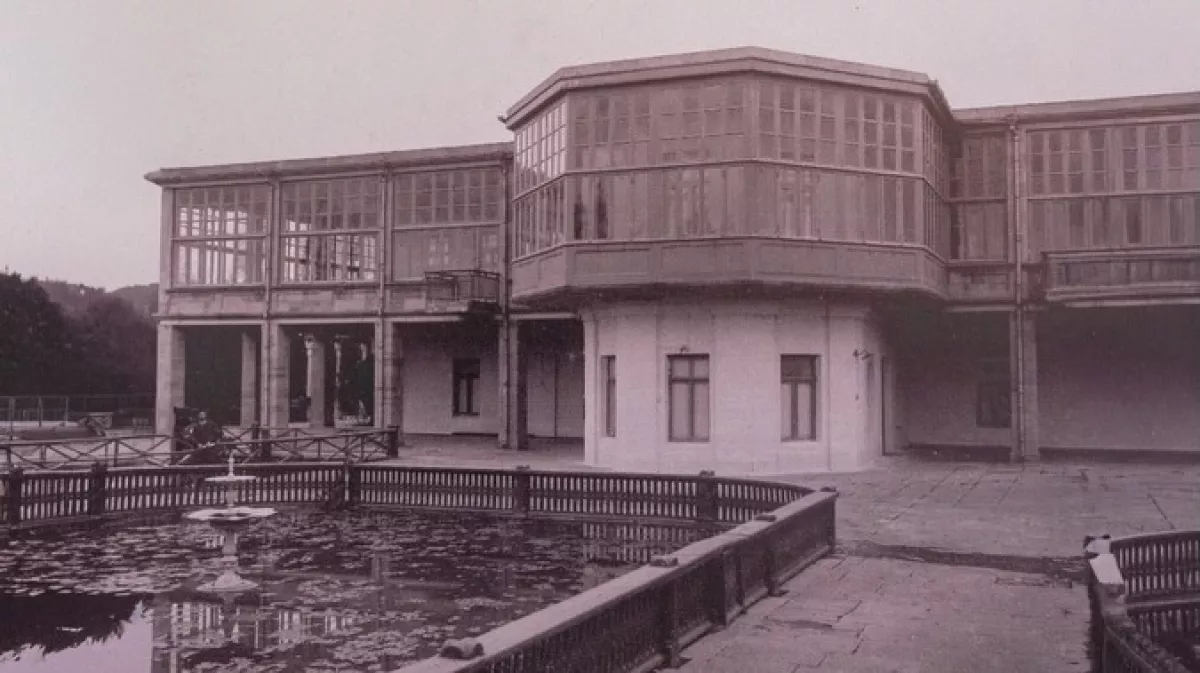
Alongside his urban mansions, he also owned a country residence. One such building was a two-story villa in the settlement of Mardakan, constructed between 1893 and 1895.
The design of the building was created by the talented Polish architect Józef Gosławski, and the construction itself was carried out in the traditions that had already taken shape on the Absheron Peninsula by the end of the 19th century.
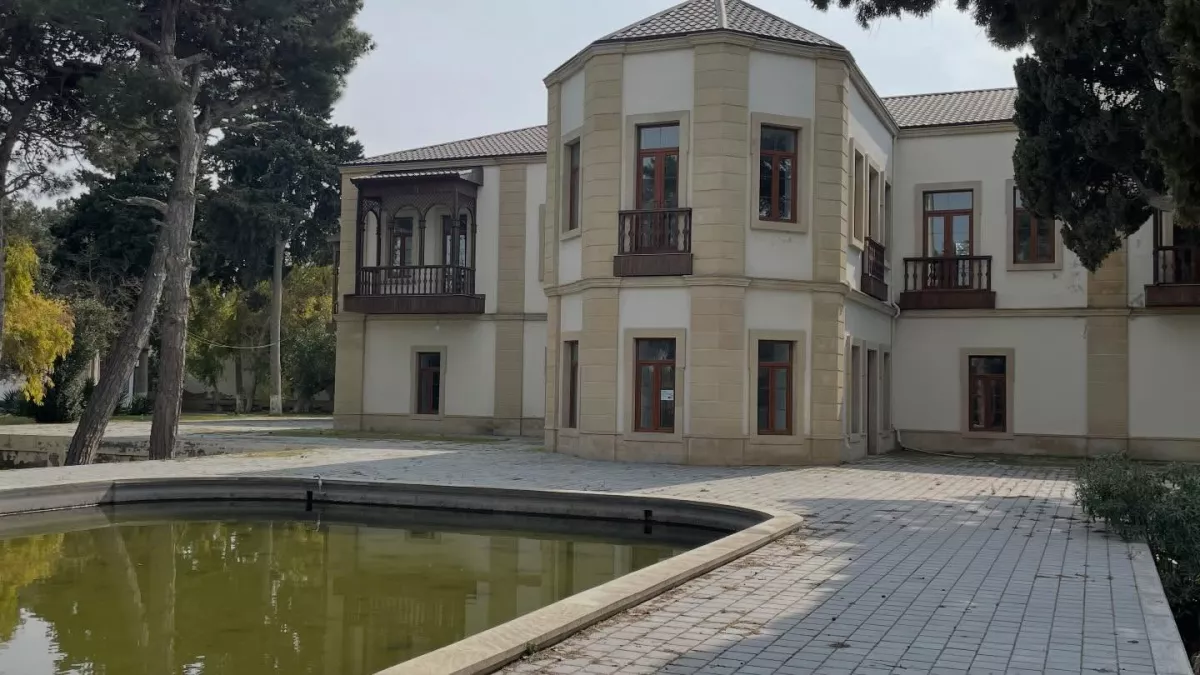
The architecture of the villa represents a vivid example of estate design at the turn of the 19th–20th centuries, where local building traditions are harmoniously combined with European artistic influences. The composition of the building is based on the principle of symmetry and develops along a horizontal axis, forming an elongated two-story volume with a clearly defined central accent. The main façade faces a spacious courtyard, at the centre of which there is a decorative pool that enhances the perspective and gives the ensemble a special sense of grandeur.
The entire complex, which included the two-story residential house and auxiliary buildings, was situated on a kind of stone “podium” paved with slabs. Its height exceeded one meter above ground level, protecting the buildings from dampness while also allowing a better view of the picturesque surroundings. This approach added an extra sense of monumentality to the ensemble and emphasised the special status of the country residence.
The central part of the façade is emphasised by a projecting multi-sided volume, giving the composition additional plastic expressiveness. On both sides of it are symmetrical “wings,” forming a harmonious and balanced silhouette of the building.
The second floor noticeably projects over the first, in line with the traditions of country villas of that time. The resulting overhang created shade and protected the interiors from the summer heat, while the protruding part of the upper level was designed as a glazed veranda.
The lower floor is treated in a more restrained and monumental manner. The rusticated stone corners enhance the sense of solidity while also serving a decorative function.
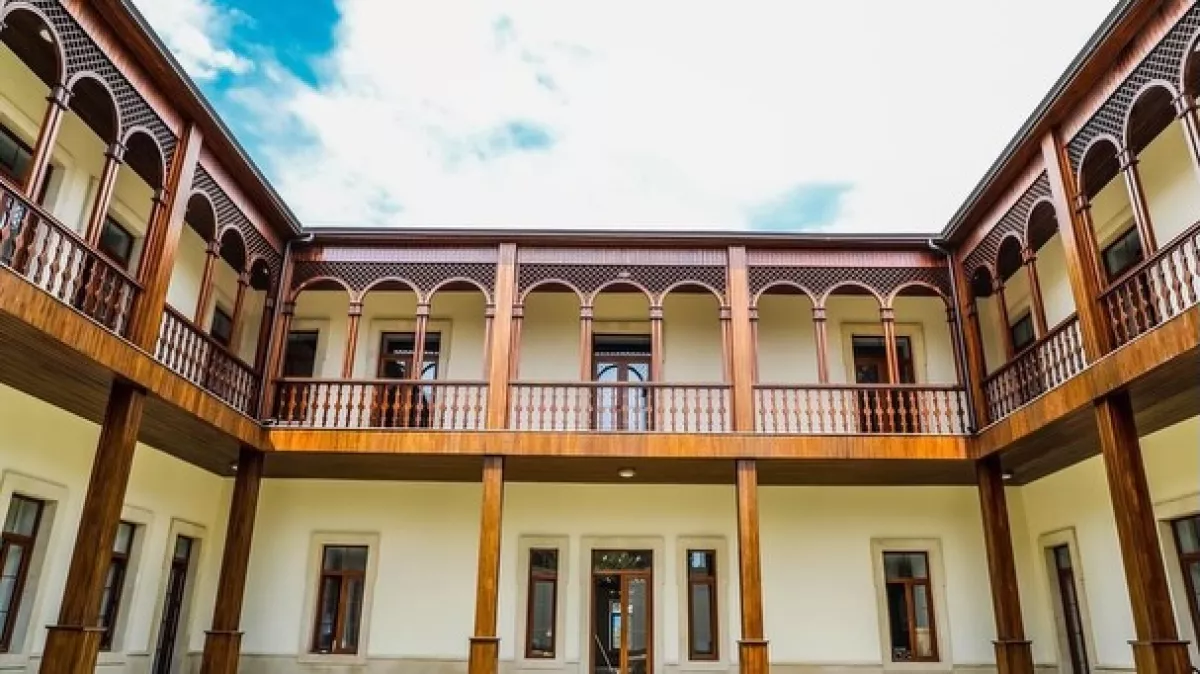
The façades gain particular expressiveness from the open wooden galleries and second-floor balconies with arched openings and carved detailing, reminiscent of traditional elements of the region’s residential architecture. Over time, the building underwent some changes; however, its main compositional features have been preserved.
An interesting feature of the layout was the square inner courtyard. It was designed in such a way that it resembled a small stage. During formal receptions and festive banquets, professional dancers and khanende performers would appear here, while guests watched the performances from the second floor, turning the residence into a kind of centre of social and cultural life.
The architecture of the villa conveys an impression of calm grandeur and refined dignity. The combination of strict volumes, elegant wooden elements, and a well-thought-out spatial structure creates a cohesive and harmonious artistic image, reflecting the high level of architecture of its time.
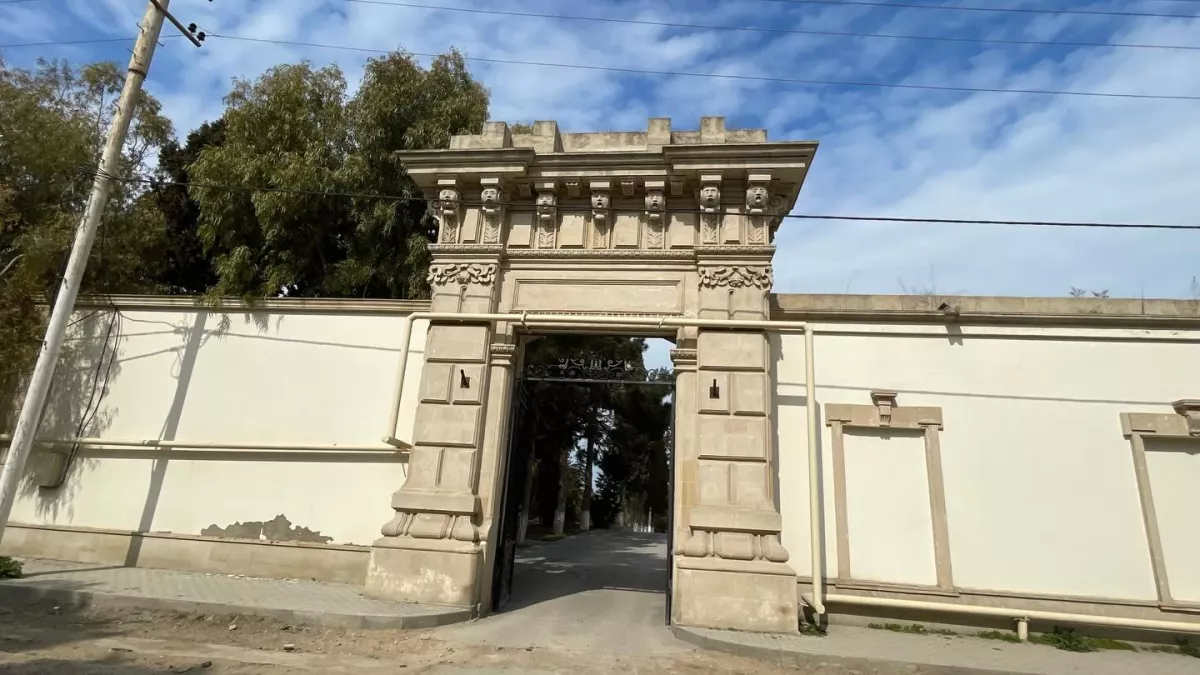
The villa’s gates deserve special attention, as they served as the main ceremonial entrance to the estate. In the architectural tradition of that time, gates played an important role and often became a kind of “calling card” of the house, demonstrating the owner’s social status and financial standing. For this reason, their architectural design was made especially solemn and expressive.
The stone gates of Taghiyev Villa were distinguished by their impressive size and monumentality. They were tall and wide—so much so that the owner could freely pass through them in his own phaeton.
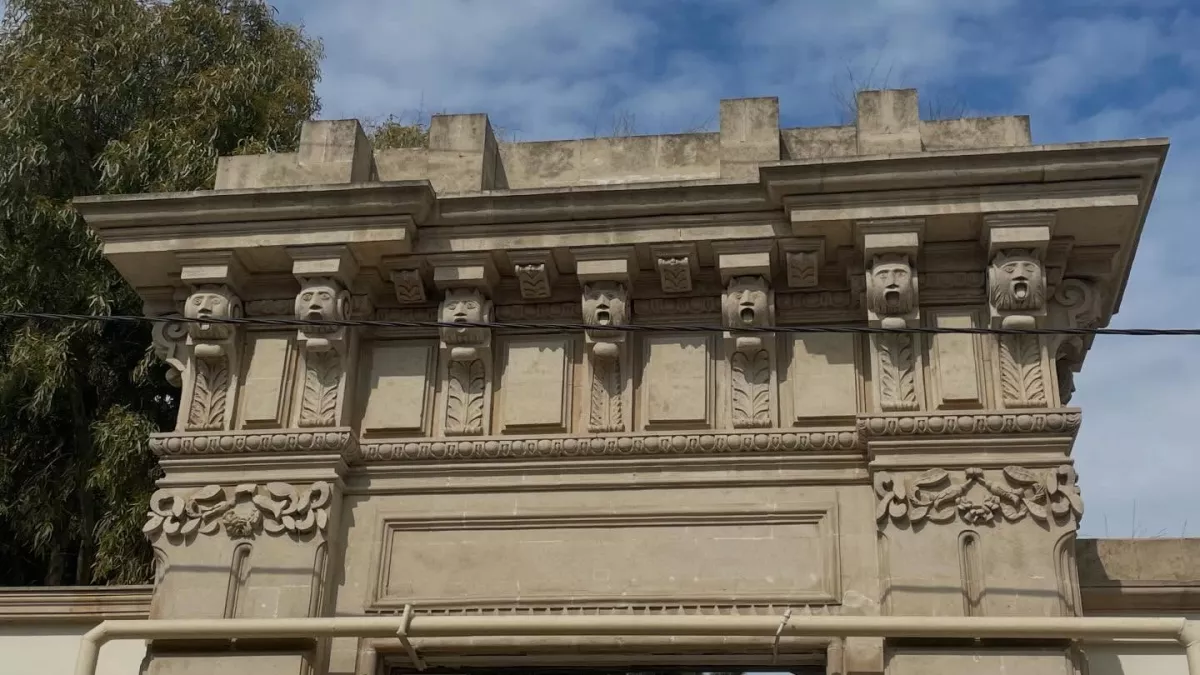
The strict architectural composition of the gates is adorned with a diamond-shaped ornament and rich stone carving in the upper section, where the main motif is a row of lion heads. In silhouette, they resemble a triumphal arch, enhancing the sense of grandeur and emphasising the ceremonial nature of the entrance to the estate.
The territory on which Haji Zeynalabdin Taghiyev built his country residence was quite vast, covering about five hectares. The villa was situated within a carefully designed landscape, where architecture was harmoniously integrated with the natural surroundings.
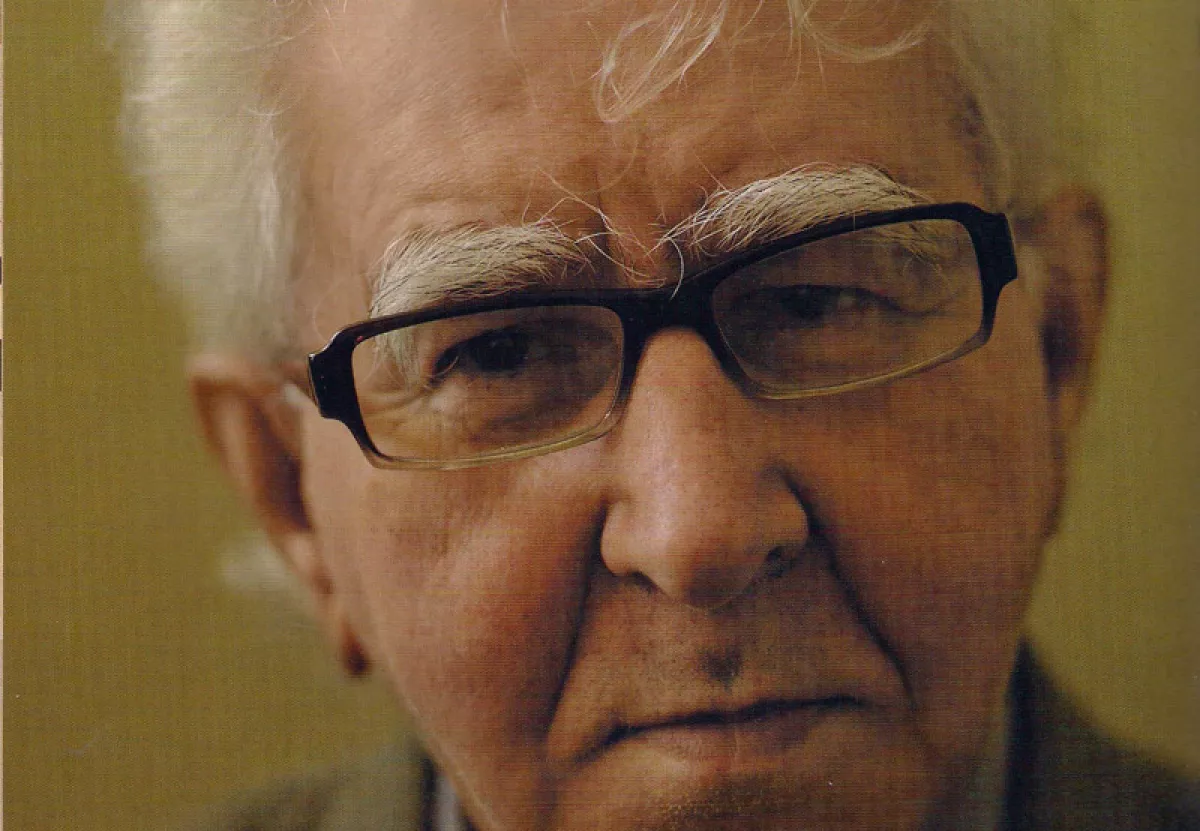
The well-known historian of Baku’s urban development, Shamil Fatullayev, noted that the regular layout scheme did not disrupt the picturesque character of the area. The entire estate represented a thoughtful combination of architecture and garden-park art.
A large garden was laid out on the grounds, featuring a variety of trees, including fruit-bearing ones. According to contemporaries, many of the plants were brought on Taghiyev’s orders from different parts of the world, giving the garden a distinctive richness and an exotic character.
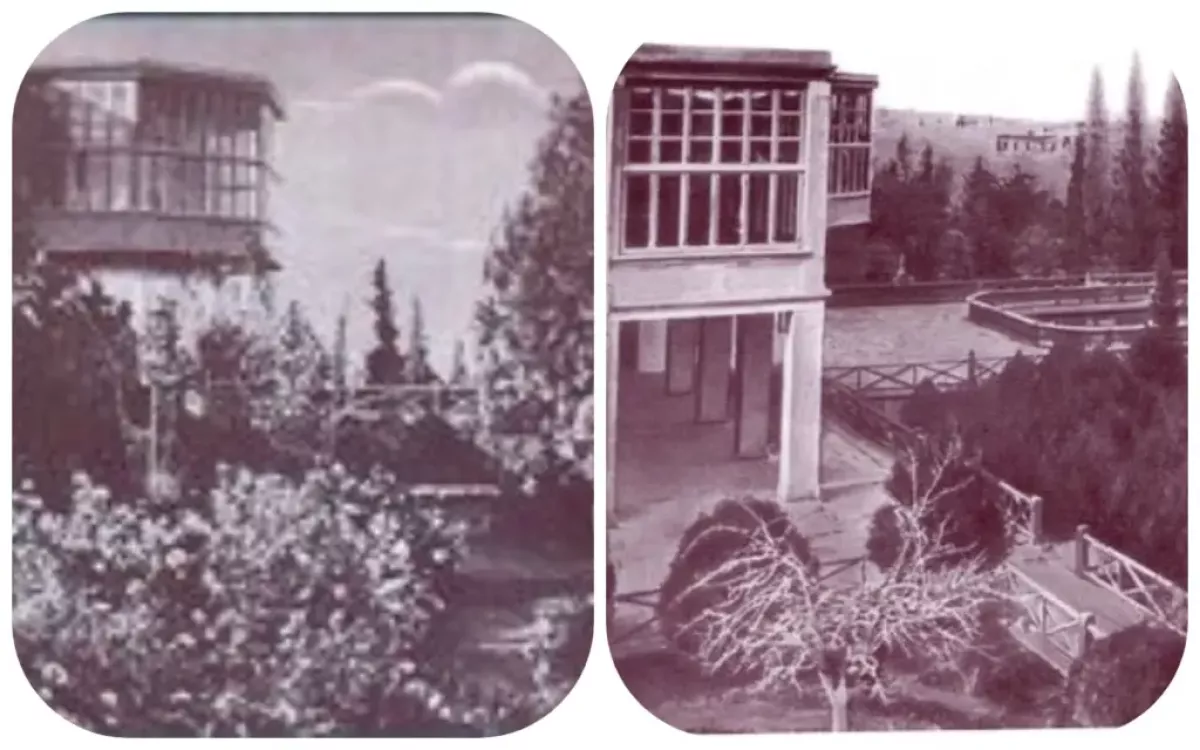
The estate park was also enriched with decorative elements of living nature. Luxurious peacocks strolled in a specially arranged aviary, while nearby, there was an enclosure for gazelles. All of this created the atmosphere of a unique countryside oasis, where architecture, nature, and elements of garden exoticism formed a harmonious and picturesque ensemble.
After the establishment of Soviet authorities in Azerbaijan, Taghiyev’s villa was nationalised. In the following years, the building underwent a number of alterations: additional columns and new verandas were constructed, significantly distorting the original architectural design.
These modifications not only changed the external appearance of the building but also disrupted the natural lighting and ventilation of the interior spaces—features that were especially important in the hot climate of Absheron. At the same time, a deep well, reaching a depth of fifteen meters and previously an essential element of the estate’s utility system, was removed.
The outstanding Azerbaijani industrialist, philanthropist, and benefactor Haji Zeynalabdin Taghiyev spent the final years of his life at his country villa in Mardakan.
Here, surrounded by the garden and the familiar atmosphere of secluded estate life, he lived his final four years and passed away in 1924. This two-story residence became not only the place where the famous oil magnate’s life came to an end but also an important monument of the era.
During the Second World War, the two-story villa housed Military Hospital No. 2473. Later, beginning in 1955, it operated as Sanatorium No. 2, intended for the rehabilitation of patients with tuberculosis.
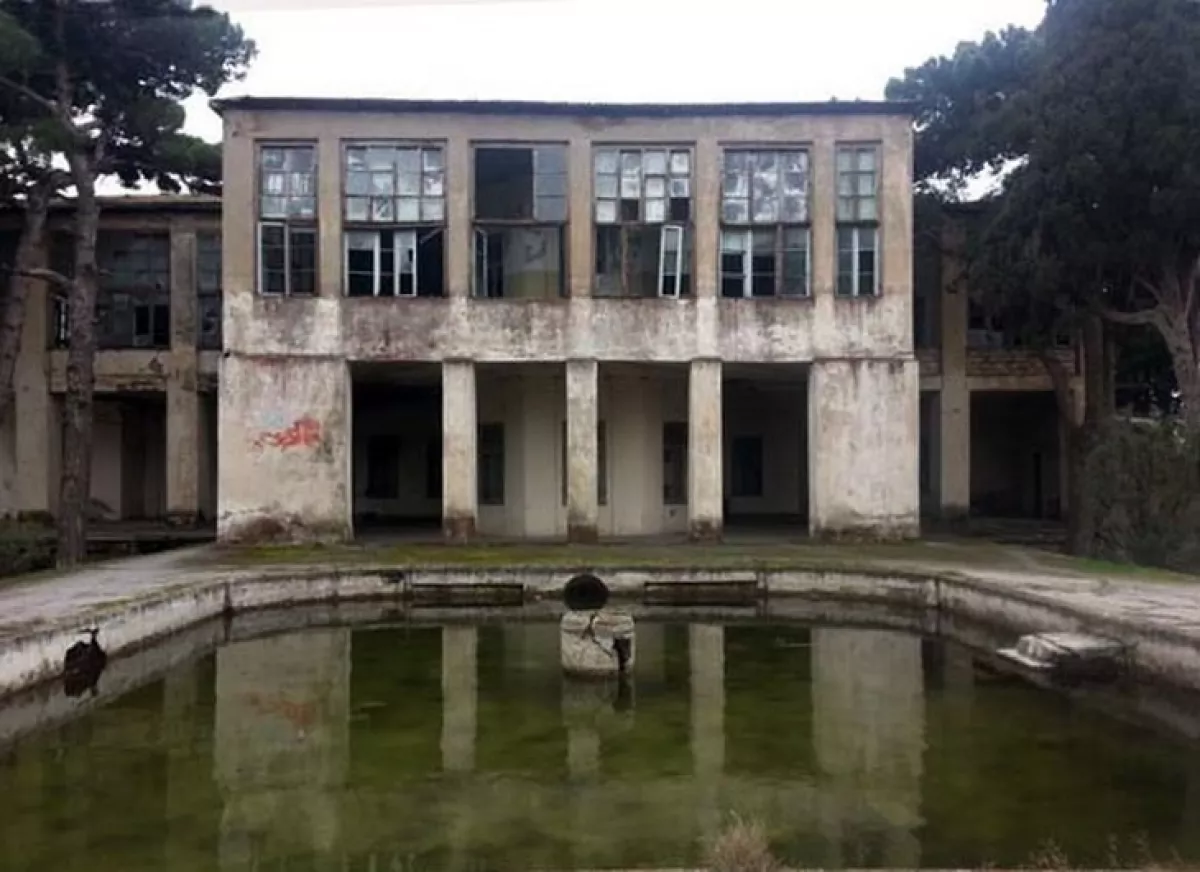
Subsequently, the building, which had long been in a state of neglect, was fully restored by the Heydar Aliyev Foundation. During the restoration work, the original architectural style of the structure was preserved, while its structural stability was reinforced, and the complex was returned to a dignified appearance. Today, the building is officially recognised as an architectural monument and is protected by the state.
Buildings of this kind hold particular historical and architectural value, as they reflect the characteristic stage of regional architecture at the turn of the 19th–20th centuries, when local construction traditions were harmoniously interwoven with European artistic trends.
Today, Taghiyev’s villa is perceived not merely as a former private residence but as a piece of cultural heritage that preserves the memory of a man who played a major role in the country’s economic and social development, while also remaining a vivid testament to the architectural culture of its era.
By Vahid Shukurov, exclusively for Caliber.Az







 editor@caliber.az
 +994 55 444-88-98
 Азербайджан, Баку, ул. Низами, 203, Af Business House, 5-й этаж