










The UN’s poisoned chalice Who will take the top job?
Rafael Grossi, Director General of the International Atomic Energy Agency (IAEA) and a candidate for the post of UN Secretary-General, has voiced what has increasingly been said in recent years: the United Nations is losing its ability to influence the world’s biggest international conflicts.
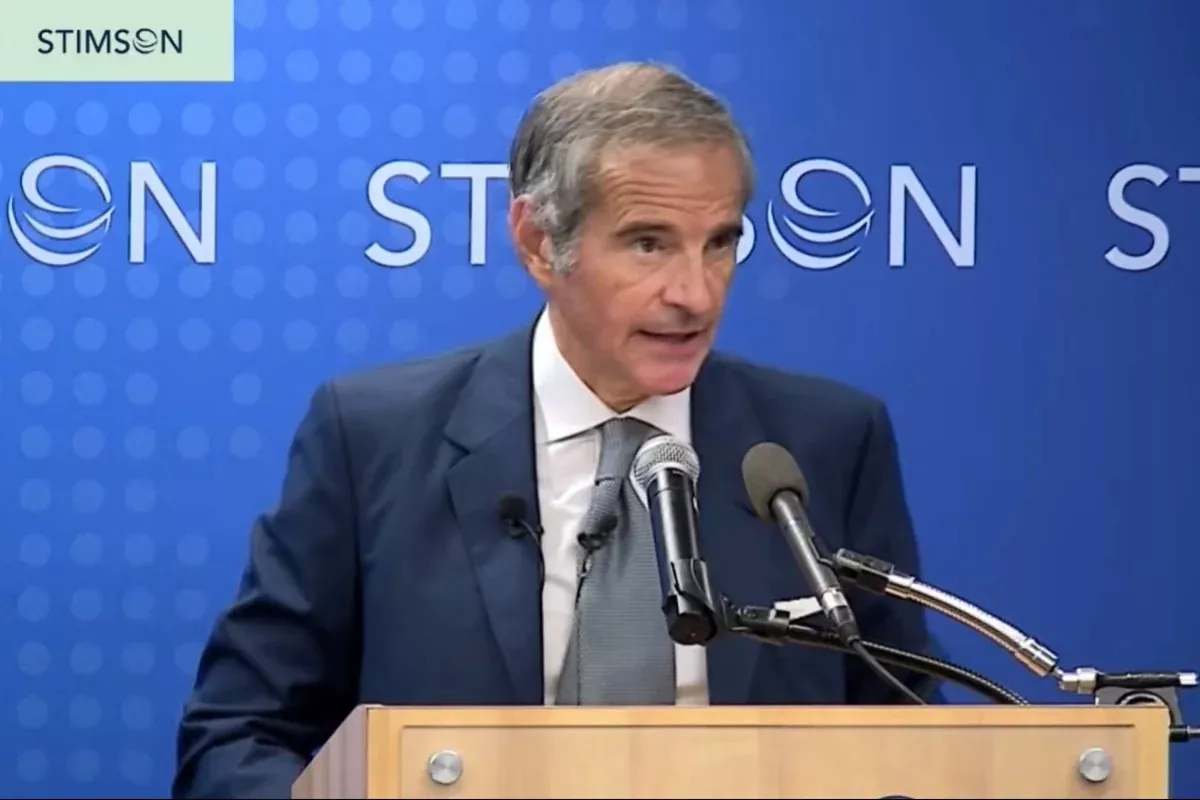
Speaking in Washington, Grossi cited Ukraine, the Middle East, Syria, South Sudan, and the Sahel, stressing that the UN “is present everywhere, but it is not where it is truly needed.” For a candidate seeking the organization’s top post, this is more than criticism — it is effectively a formulation of the main problem the next Secretary-General will have to address.
António Guterres will leave office on December 31, and the race to succeed him is now entering a decisive phase. A second closed-door poll in the UN Security Council on August 21 failed to produce a clear frontrunner but showed notable movement. Guyana’s representative Carolyn Rodrigues Birkett, the country’s Permanent Representative to the UN, came in first with eight votes in her favour, while Costa Rica’s Rebeca Grynspan, head of the UN Conference on Trade and Development (UNCTAD), and Rafael Grossi each received seven votes. However, none of the candidates secured the required nine votes, meaning a compromise is still a long way off.
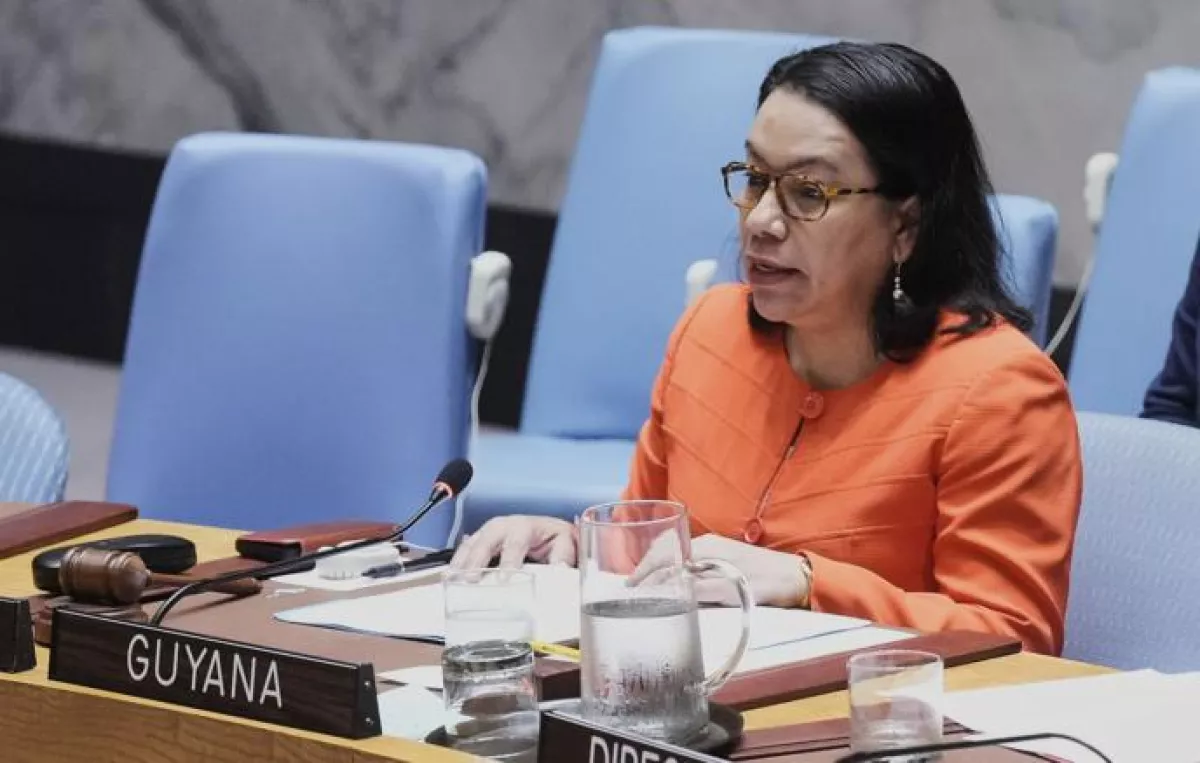
What is particularly telling is that the frontrunners are changing literally from one round to the next. In July, Grynspan held the top position, but she has now been overtaken by Rodrigues-Birkett. Ugandan candidate Olara Otunnu, a former UN Under-Secretary-General, has made significant gains, while support for Michelle Bachelet, the former president of Chile, has fallen sharply. Grossi’s number of “yes” votes remained unchanged, but the number of “no” votes rose from two to six. This is more important than it may seem: in the selection of a UN Secretary-General, the most popular candidate does not necessarily win. Far more important is finding a candidate against whom a blocking coalition cannot be formed.
That is why the current race is less a competition between platforms than a search for a compromise among different centres of power. Formally, the Secretary-General is appointed by the General Assembly, but a candidate must first receive a recommendation from the Security Council, where five permanent members — the United States, Russia, China, the United Kingdom, and France — hold veto power. Therefore, even overwhelming support from a majority of countries may prove useless if the candidate is unacceptable to just one member of the “P5.”
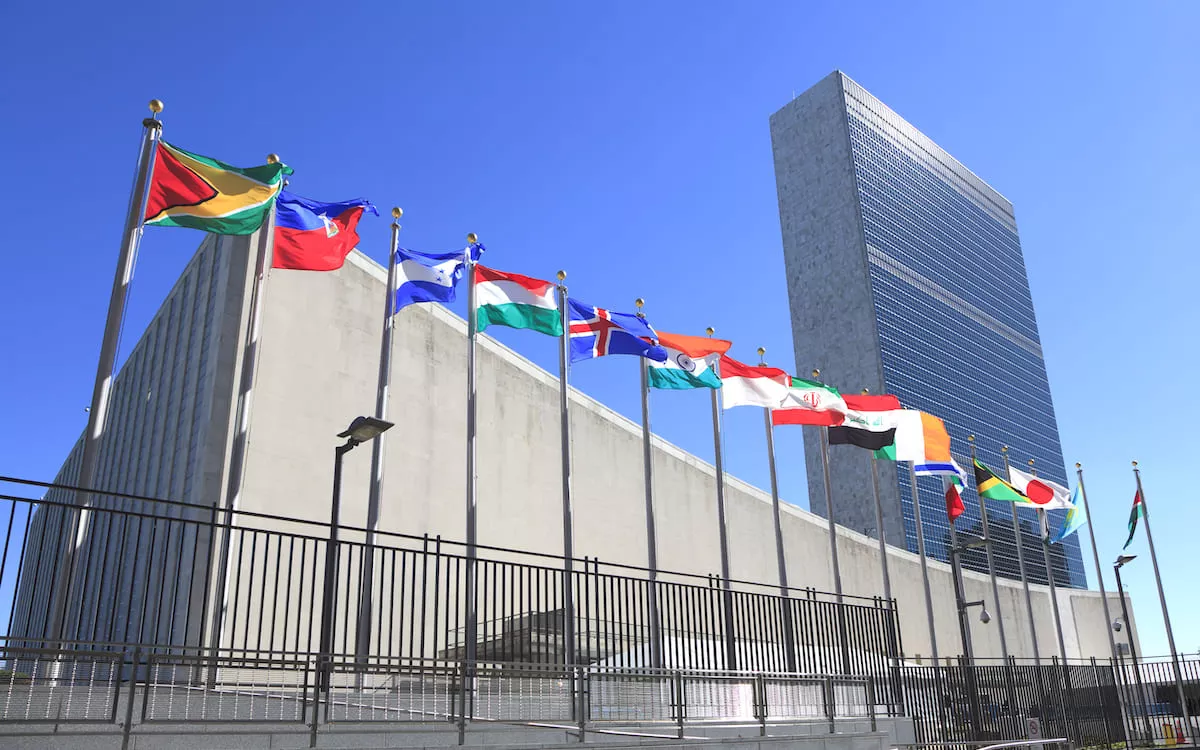
There is another important factor. An unwritten tradition calls for regional rotation, and the current cycle is widely seen as Latin America and the Caribbean’s turn. At the same time, there is growing demand within the UN for a woman to become the organization’s first female Secretary-General: five of the eight current candidates are women. These two factors significantly strengthen the position of the Latin American female candidates and make the current race both a geographic and gender-based contest. However, neither regional rotation nor gender parity is legally binding — the history of previous elections has already shown that political compromise can overturn initial expectations.
The main question, however, is not who will win, but what kind of Secretary-General the UN itself needs today. The world has become far more conflict-ridden than it was when Guterres took office. Ukraine, the Middle East, the nuclear issue, the broader US-China confrontation, and crises in Africa are unfolding alongside the weakening of established mechanisms of international law. At the same time, the Security Council itself is increasingly paralysed by divisions among its permanent members.
That is precisely why the next Secretary-General will find themselves in something of a “poisoned chalice” position. They will be expected to reform the organisation, restore its authority, and give it greater independence, while their success will depend not only on personal energy and diplomatic skill, but also on their ability to engage simultaneously with Washington, Beijing, and other centres of power.
On the other hand, when criticising the UN for its inability to influence global conflicts, it is important to bear in mind that the organisation was created as an institution reflecting what was, at the time, a new world order. That order is now collapsing, while a new one has yet to emerge. This means the UN’s crisis as a mechanism for maintaining global security will continue until a new world order takes shape, regardless of who leads the organisation.
Under these circumstances, until a new format for global consensus emerges, the UN must preserve its humanitarian role and continue helping people in the world’s most vulnerable regions survive here and now. The recent funding crisis has demonstrated that even this aspect of its work is under threat. Therefore, whoever takes the helm should be strong enough to ensure the uninterrupted continuation of the United Nations’ most successful humanitarian missions.







 editor@caliber.az
 +994 55 444-88-98
 Азербайджан, Баку, ул. Низами, 203, Af Business House, 5-й этаж