










Türkiye’s strategic red line: Ukraine must not fall Analysis by Serhey Bohdan
In the near future, Ankara will deliver an unprecedentedly large shipment of weapons and ammunition to Kyiv. Together with the Turkish fighter jets being deployed to the Baltic for the first time, this signals a quiet shift in the strategic situation. Against the backdrop of the EU countries’ apparent inability to alter the strategic dynamics of the Russian-Ukrainian war, Ankara is moving from mediation toward demonstrating its readiness to prevent Ukraine’s collapse. And it has a number of unique capabilities to do so.
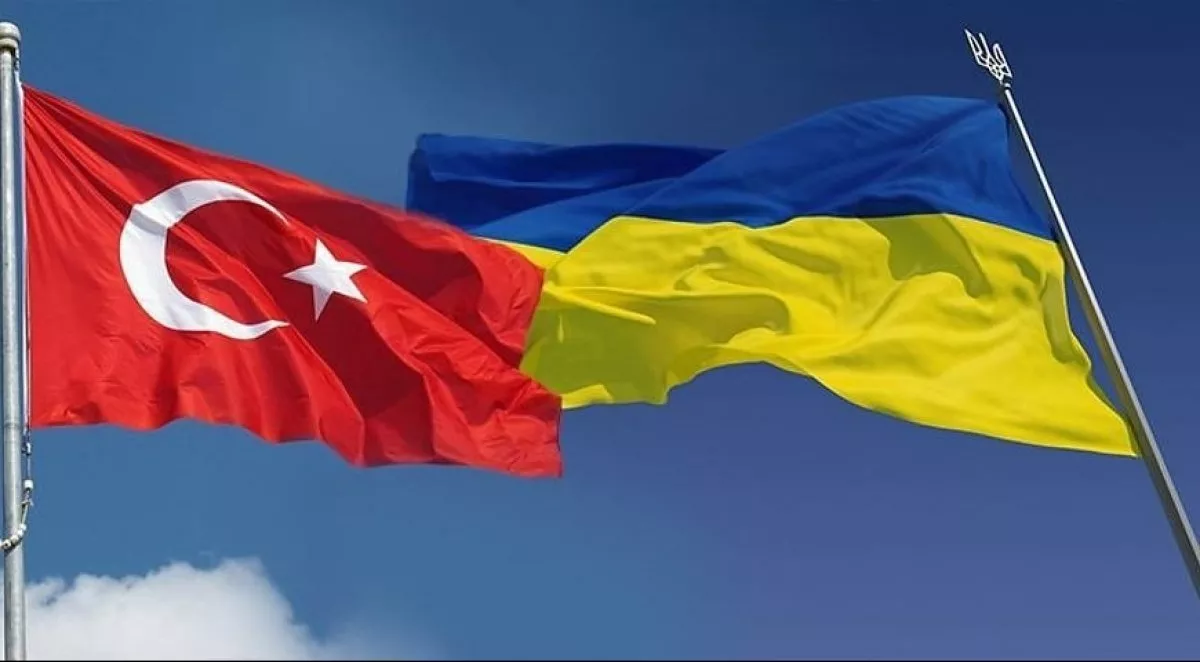
Stop the collapse of the Ukrainian front
News of Türkiye stepping up its activity in Eastern Europe in recent weeks came almost as an afterthought. But when the key developments of the past three weeks are viewed together, the picture is striking.
At the center of it is Ankara’s decision to provide Kyiv with approximately $280 million worth of US-made weapons. The Turkish side did not publicize its plans, and details of the shipment expected in the near future emerged only at the beginning of the month, when the US State Department notified Congress of a planned transfer to Ukraine of 70 M39 ATACMS tactical ballistic missiles, 12 M270 MLRS launchers (the tracked predecessor to the HIMARS, capable of firing the same type of munitions), more than 2,500 M26 unguided rockets carrying cluster munitions for MLRS and HIMARS systems, and 47,000 203mm cluster shells for 2S7 Pion self-propelled howitzers (these US-made munitions are compatible with Soviet-era equipment).
Significantly, the Russian side reacted cautiously to these plans. Moscow media simply quoted the official explanations from the U.S. authorities that, supposedly, this was a fairly routine development, with Türkiye “seeking to get rid of outdated weapons and launch a modernization program for its existing systems while simultaneously supplying Ukraine with military equipment.”
It was only on August 15 that a Russian official finally ventured to say something about the planned delivery. Even then, the statement was rather muted: “Russia has requested clarification regarding reports of plans by Türkiye and the United States to transfer U.S.-made weapons from the Turkish army’s stocks to Ukraine.”
And given that the statement came from Russian Foreign Ministry spokeswoman Maria Zakharova, one could say it amounted to little more than a lot of hot air, since she has never been entrusted with making any serious statements.
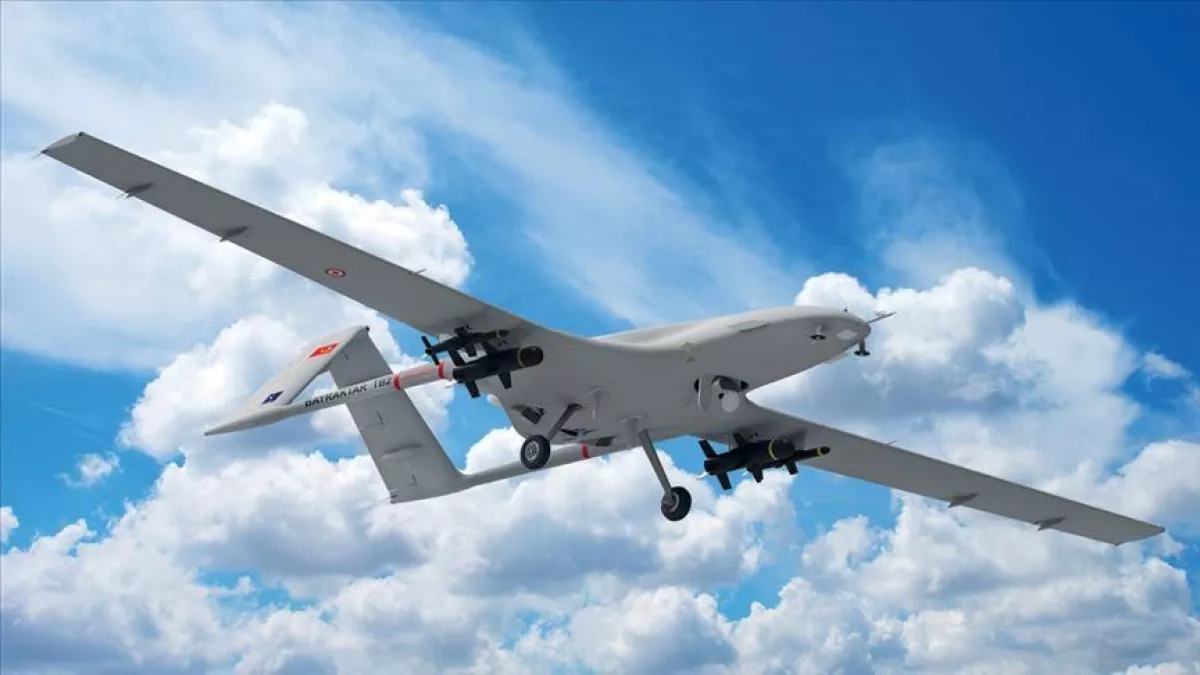
Meanwhile, the matter is serious and far from routine. Türkiye has previously supplied Ukraine with Bayraktar TB2 drones, armored vehicles, and ammunition, and has also undertaken to build warships for the Ukrainian Navy. However, the scale and nature of the new delivery go well beyond these earlier steps.
Overall, Türkiye has so far sought to stay on the sidelines of the Russian-Ukrainian war and the confrontation with NATO, preferring instead to act as a mediator between the warring sides. It succeeded in doing so: the Istanbul talks were the only genuinely substantive effort among all attempts to establish a dialogue between Kyiv and Moscow to date. Ankara also played a key role in the Black Sea Grain Initiative in 2022, which enabled Ukraine to safely export food through the Black Sea for nearly a year.
In short, Ankara is now genuinely doing something new compared with its previous policy. And this cannot be explained simply by its NATO membership, which supposedly forced it to take these steps. Nor can it be linked to its successes in the Middle East, which theoretically might have freed up Turkish resources for action in Eastern Europe. There have certainly been successes, but the situation in Syria and the U.S.-Iran war do not allow the Turkish leadership to shift its focus to other regions without a compelling reason. So what, then, is really behind this?
Neither peace nor victory: A war without a political plan threatens everyone
The answer to the question above can be found in the known details of the weapons transfer, as well as in certain statements by Turkish officials and official NATO commentary. Particular attention should be paid to the range of the weapons being supplied: the longest-range systems are ATACMS missiles, which can travel roughly 165 km, while the lighter M26 rockets have a range of only about 30 km. The 203-mm artillery shells will not reach any farther. By transferring precisely this mix of weaponry, Ankara is signaling its intention to give Kyiv the means to hold the front line and defend Ukrainian territory itself, while clearly avoiding helping the Ukrainian side strike deep inside Russia — something its Western European allies, particularly Britain, have been pushing it to do.
That we are dealing with a carefully calibrated policy on Ankara’s part is evident from another detail. At the same time as the plans for the weapons transfer were made public, Turkish Foreign Minister Hakan Fidan made an intriguing statement. Despite its deliberately veiled wording, it reinforces the impression that Ankara has decided to bolster the Ukrainian front without adding fuel to the fire. Speaking about Ukrainian strikes deep inside Russia, Fidan said: “When a war of attrition at the front turns into a war of attrition in the rear, the issue becomes one of national survival. All extreme measures come into play. If the destruction reaches such a scale, Russia may resort to the last means at its disposal [nuclear weapons]. During my visit to Russia, I got the impression that this issue could well come to the fore, as there was talk that the public was demanding such action. This is a dangerous situation.” In other words, Ankara is not seeking to achieve some kind of defeat of Russia.
At the same time, Türkiye cannot simply stand by and watch Russian forces grind down Ukrainian troops in the bloody meat grinder of the current largely static war — even if that war is strategically futile. Because nothing good would come of it. A hypothetical collapse of Ukraine and its conquest, even if only of a substantial part of the country, would not lead to some dramatic shift in the balance of power in Russia’s favor. It would herald a catastrophe for everyone in the region.
Two obvious things need to be understood. First, European countries, in one configuration or another, will not accept the collapse of Ukraine. And therefore, the collapse of the Ukrainian front would mean not a Russian victory, but the beginning of a major war. EU-NATO countries, particularly neighboring states such as Poland and Germany, are taking a sober view of the situation on the front and can see that there are no breakthroughs or signs of hope for Kyiv there. Worse still, the Ukrainian government itself is weakening, sinking into a quagmire of fantastical corruption, and refusing to countenance any elections, even purely formal ones. Excuses about the war do not hold water — Iran, for example, regularly held quite competitive elections during its war with Iraq.
That is why European countries continue to support the current Ukrainian government while cautiously beginning to distance themselves from specific leaders and preparing for the worst-case scenario. Thus, Poland, for instance, even while reconsidering its assistance to Kyiv, is strengthening its military presence around Kaliningrad and along the Belarusian border. Germany is doing the same, deploying troops in the Baltic region in a coalition with other Western European countries, and doing so in an offensive configuration. Finland and Sweden are signaling their readiness for combat in the north.
In other words, a possible collapse of the Ukrainian front would lead to the direct entry of a European coalition — not NATO as such — into the war, both on Ukrainian territory and in other theaters of operations, at the very least in the Baltic region and the areas surrounding it.
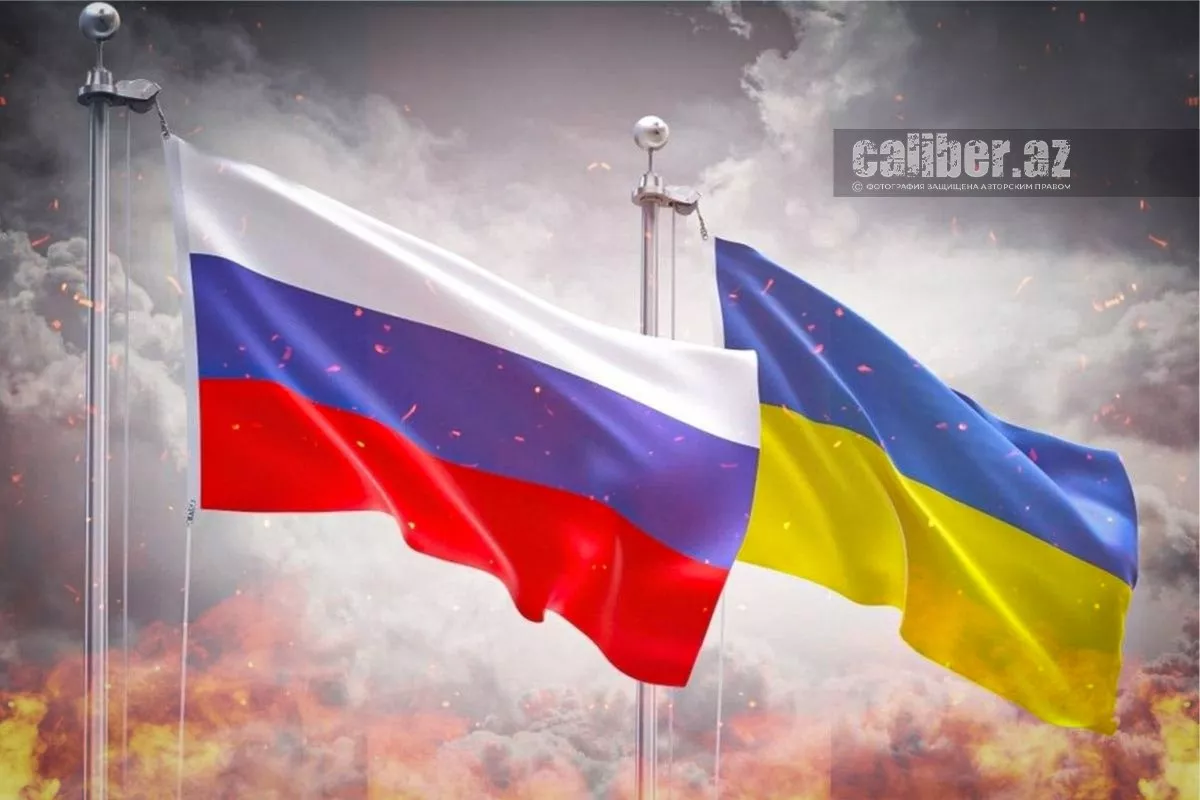
Second, let us assume that, for whatever reason, European countries decide not to enter a war with Russia following the collapse of the Ukrainian front. A change of government in key European countries could indeed alter the situation — although, let us stress, that is not the case at present. But even if they stay out, things would not get any better.
The problem is that the Russian side has no coherent political program for Ukraine and has not had one since 2014. The Russian elites’ thinking toward their neighboring fraternal country is so predatory that it resembles the logic of Western imperialists during the “Scramble for Africa” in the late 19th century. They simply refuse to see Ukrainians as a people who actually exist or as potential partners. The only exception, incidentally, was Yevgeny Prigozhin, who created the only genuinely effective new military structure and strictly suppressed within Wagner any talk about the “non-existence” of Ukrainians. The rest of the Russian establishment think more or less like the ushkuyniks — or worse.
Incidentally, the individuals involved in the notorious criminal case concerning the ushkuyniks, who recently threatened Azerbaijan on social media and YouTube and, with foolish self-confidence, talked about how they would like to carve up the country, worked in Ukraine in the 2000s and 2010s as political consultants and charlatans and contributed to creating the bloody chaos into which Russian policy there ultimately descended.
In short, this approach has a predictable consequence: the Russian authorities are afraid to take control of territories populated by Ukrainians, even if those Ukrainians are Russian-speaking and nostalgic for the Soviet Union. All they want is the land, and they do not particularly care if it is scorched and poisoned — because they have no plans for economic development either. Their only logic is to neutralize a potential military threat emanating from that territory.
In short, under such an approach, there is categorically no prospect of stabilizing the results of even a partial Russian conquest of Ukraine, at least outside the Donbas region. And this threatens not only to create a vast “Wild Field” in the Black Sea region, but also to weaken Russia itself — something that would be detrimental to every country bordering it. After all, there is nothing worse than having a weak and stagnant country as your neighbor.
All of this is clear in Ankara as well, which is why the transfer of weapons to Kyiv is precisely an attempt to signal a readiness to counter, at the very least, a regional — and in reality, a global — catastrophe. Ukraine must not be destroyed, because this is an absolute strategic imperative for the future of the entire region. Incidentally, this is an imperative even Belarus, Russia’s closest ally, shares. Minsk has done everything possible to resist becoming involved in a war that would be suicidal for the future of Russia and the region, even though both Moscow and some NATO countries have repeatedly tried to drag it into the meat grinder.
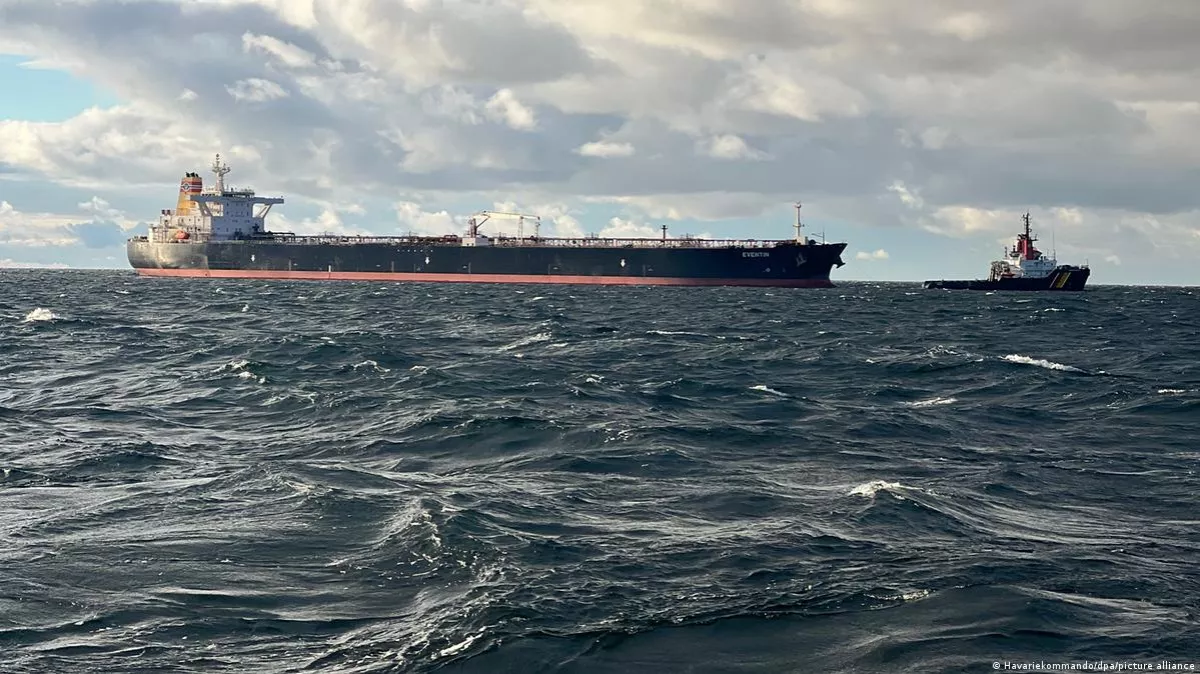
Moreover, for Türkiye, the consequences of a Ukrainian collapse are not limited to the lands “across the sea.” The issue is already becoming an acute concern for Ankara in connection with developments in the waters of that very Black Sea. On Friday, Ukrainian drones apparently attacked a vessel chartered by a Turkish company and carrying an Azerbaijani crew while en route to Trabzon.
These Ukrainian attacks on civilian vessels — even tankers linked to Kazakhstan — which are a consequence of Kyiv’s desperate situation, along with Russian strikes on Ukrainian ports in response, have not resulted in the defeat of either side. What they have done, however, is make Black Sea shipping increasingly risky, threatening all littoral states, including Türkiye, and, moreover, affecting global food markets. In this situation, Ankara cannot simply sit on the sidelines.
Turkish troops on Russia’s borders
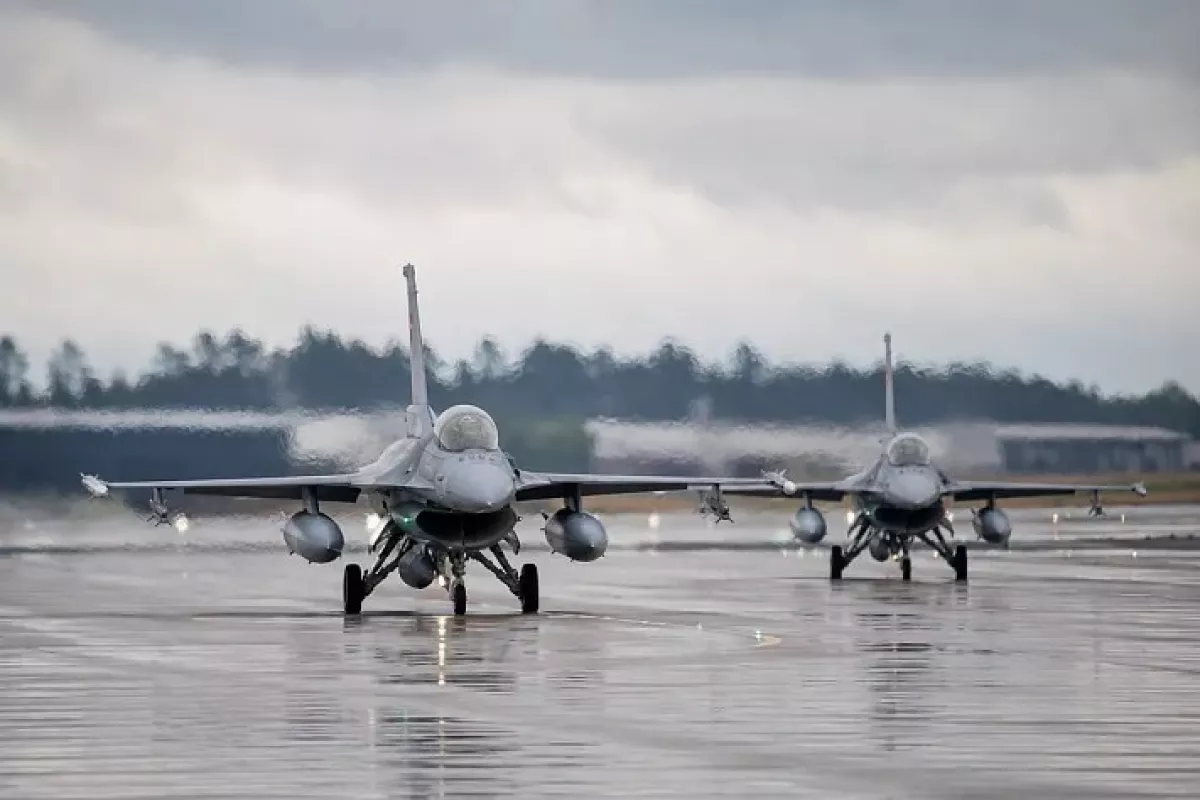
But Türkiye’s new policy is not limited to Ukraine, because the Eastern European crisis has already spread across a much wider area. In response, the Turkish side has not only begun actively — and, crucially, publicly — cooperating with Poland on defense issues this summer. Just days before the news about the planned weapons delivery to Kyiv, at the end of July, it emerged that Türkiye had quietly taken the unprecedented step of deploying its forces to Eastern Europe.
The Russian side largely ignored the development, even though four Turkish fighter jets and 80 servicemen were deployed not just anywhere, but to Russia’s border. They were stationed in Estonia. And this is not a symbolic contingent, but a standard package of aircraft and personnel that countries deploy to the Baltic states to participate in NATO’s air-policing mission. Italy simultaneously sent a similar force to Lithuania.
Of course, formally, both the Turkish and Italian contingents arrived as part of NATO’s transformation of its Baltic air-policing mission into an air-defense mission. However, unlike Rome, Ankara had never previously deployed forces for such operations. And explanations for this move based on Türkiye’s NATO membership or on Ankara shifting its attention toward Eastern Europe thanks to its progress in resolving issues in the Middle East are no more convincing in the case of the fighter deployment than they are in the case of the aforementioned delivery of weapons and ammunition to Ukraine.
All three developments — the weapons deliveries, the deployment of fighter jets, and the growing cooperation with Poland — point to Ankara’s readiness to make its voice heard when it comes to strategic changes in the region. Or, perhaps more accurately, to make a significant move without saying much at all.
It is worth noting that in all these cases — the arms deliveries to Ukraine, cooperation with Poland, and the deployment of aircraft to Estonia — Türkiye’s actions are linked more closely to the United States than to the EU, which appears, almost by definition, incapable of helping Ukraine break out of the strategic deadlock of its war with Russia, either by military or diplomatic means.
In the case of the weapons deliveries, Washington’s involvement is obvious. As for the deployment of forces to Estonia, the American context is rarely mentioned, but it is there. By early July, most of the U.S. combat forces stationed in Estonia on a rotational basis had quietly left the country. In winter, a full 600-strong tank battalion was still deployed there; now fewer than 100 support personnel remain, with no clear indication of when replacements might arrive.
Of course, Türkiye sent aircraft to Estonia, not tanks, and it would be inaccurate to say that they simply replaced the Americans. Nevertheless, the main context for this move is the U.S. withdrawal. The images of Trump and Erdoğan engaging warmly at the July NATO summit, as well as their publicly announced agreements concerning the F-35s, also suggest that the arrival of Turkish forces in Eastern Europe is driven more by the U.S.-Türkiye relationship than by ties with the European Union.
Türkiye’s readiness to play more than just a mediating role in Eastern Europe is also rooted in the long-standing policy of its current leadership, aimed at increasing the country’s role in global affairs. Governments that ruled Türkiye before Erdoğan generally followed Washington’s lead and complied with NATO decisions with little objection. Over the past several decades, however, the Turkish leadership has pursued a course aimed at securing the country’s full sovereignty. That also entails exerting influence in the regions surrounding Türkiye, one of which has historically been Eastern Europe.
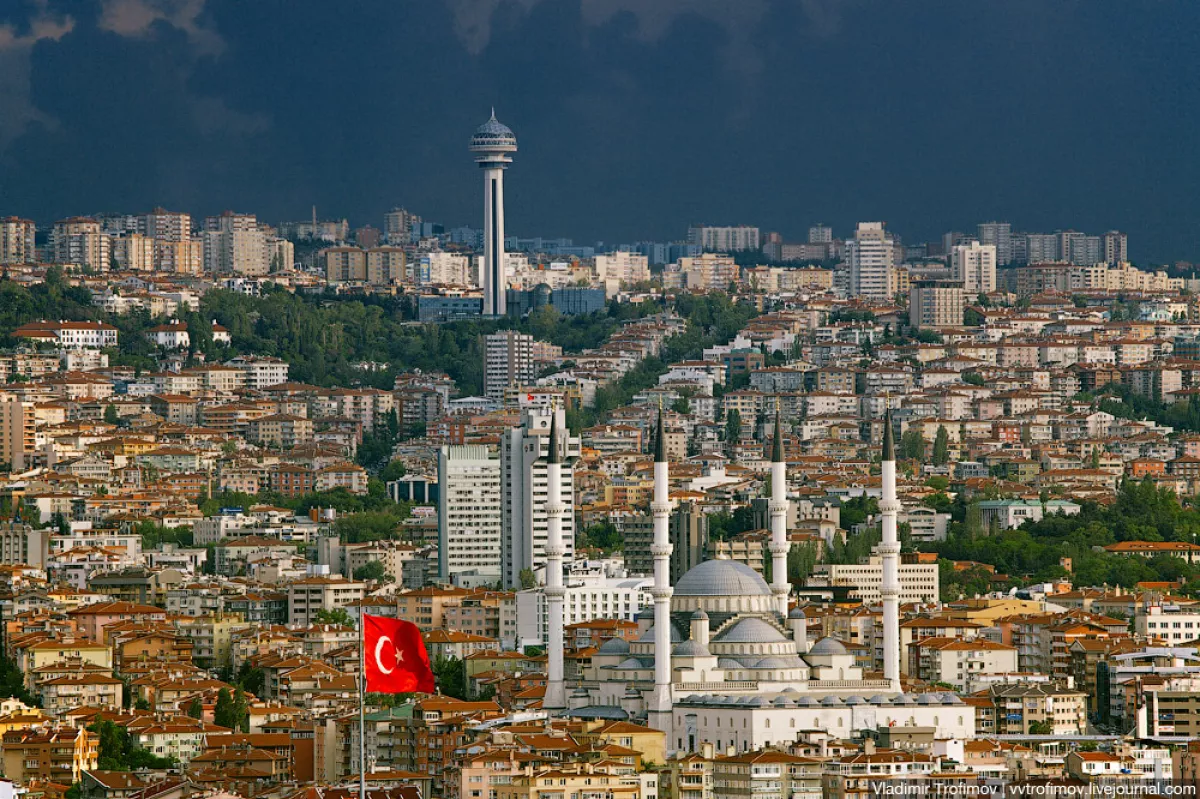
Moreover, Ankara is entering this game not at the behest of the alliance or Washington, but only when it deems it appropriate and on its own terms. De facto, this is taking place outside the framework of the bloc, even if de jure it is presented otherwise. Türkiye has been urged to join NATO operations related to Ukraine and Eastern Europe since the mid-2010s. Ankara’s reasonable response was that, in return, it would be nice if the North Atlantic Alliance did something for Türkiye’s southern borders as well. After that, the “Eastern European tigers” lost interest in continuing the conversation.
Today, too, Ankara is not joining the crowd of politically vocal but sometimes militarily ineffective Europeans. Instead, it is signaling its readiness to defend the very foundations of Europe’s future coexistence.
Fortunately, unlike most European capitals, Ankara actually has the means to do so: a functioning state, an economy that continues to work despite being declared dead a hundred times over by the Euro-liberal media, technological achievements, and a combat-capable military. This is why the Russian authorities have refrained from lashing out at Türkiye over its changing position on the Eastern European crisis, clearly wary of provoking further escalation and aware of what that would mean for the strategic balance on the continent. All the more so because Ankara is making it clear that it is not looking for a fight and has no interest in a weakened Russia.







 editor@caliber.az
 +994 55 444-88-98
 Азербайджан, Баку, ул. Низами, 203, Af Business House, 5-й этаж