










War in the Middle East and the world on the brink of hunger Reflections by Teymur Atayev
When speaking about the Novruz holiday, we often note that March marks the beginning of new life. This is reflected, above all, in the laying of the foundations for the future harvest—one that is expected to provide sufficient food for all. This is, of course, a well-known fact.
Yet this year, that very idea has taken on a far more troubling dimension across virtually every continent. The reason lies in the ongoing war involving Israel and the United States against Iran, which has led to the blockade of the Strait of Hormuz and prompted Middle Eastern countries to declare force majeure on energy supplies to global markets.
The key nuance here is that, as we have already noted, it is precisely in the first month of spring that the future of nearly all agricultural production worldwide is determined. However, at this current historical stage, farms across all continents have begun to lose access to critical inputs needed to implement their plans. In particular, problems have emerged with obtaining nitrogen fertilisers, which are essential for crops such as winter wheat or, for example, sugar beet. The reason for this—unexpected as it may seem at first glance—is linked to the side effects (if not direct consequences) of the military actions in the Middle East, which have brought the Strait of Hormuz to a standstill.

The point is that the war has led to a significant increase in fertiliser prices. Quite simply, due to the reduction in oil and gas supplies from the Persian Gulf and the effective “shutdown,” so to speak, of LNG production facilities in Qatar, nitrogen prices have surged almost instantaneously. This is entirely understandable: in recent years, Iran, Qatar, Saudi Arabia, the United Arab Emirates (UAE), and Bahrain have come to occupy a central position in the maritime trade of nitrogen. In 2024 alone, these five countries accounted for nearly 25% and just under 35% of global trade in ammonia and urea, respectively. At the same time, producers invested heavily in state-of-the-art plants and export terminals, positioning the region as one of the most cost-effective suppliers to key global markets.
It is therefore only natural that the current situation in the Middle East—particularly regarding natural gas supplies—has led to a sharp decline in the export volumes of urea, diammonium phosphate (a nitrogen-phosphorus mineral fertiliser and a key source of nutrients for plants), and ammonia from the Persian Gulf, while simultaneously driving up the cost of raw materials for nitrogen producers in other regions. One of the main reasons for this is that Middle Eastern fertiliser-producing countries had established a global food supply chain for consumers, notably characterised by minimal risk exposure. As becomes clear in this context, nitrogen production requires natural gas, which countries such as Qatar had been able to supply in sufficient quantities.
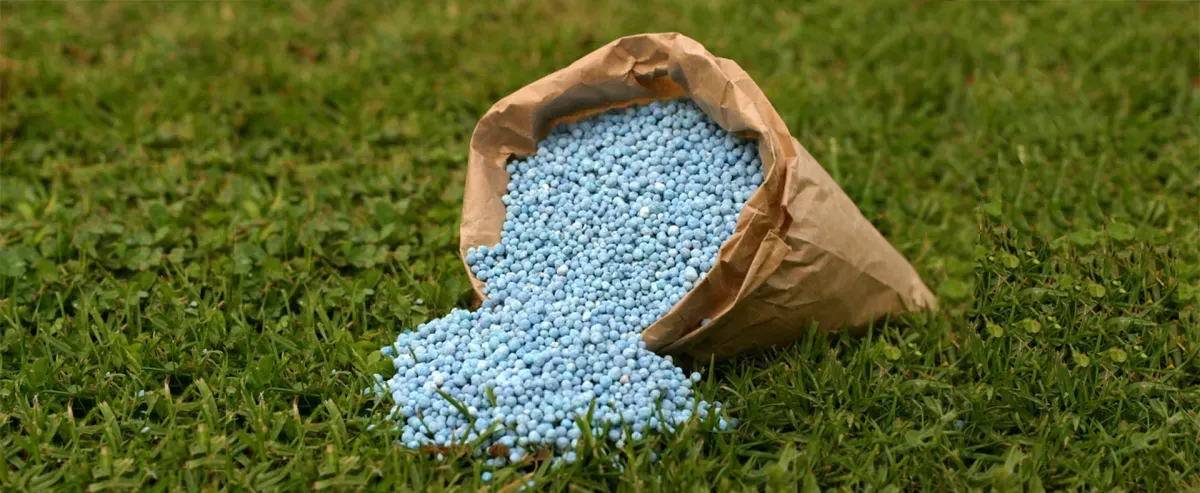
Compounding the production disruptions caused by the war is the shipping crisis in the Strait of Hormuz, through which virtually all exports of Middle Eastern nitrogen fertilisers and urea had traditionally passed. Crucially, there had been no meaningful diversification of maritime supply routes whatsoever.
According to the International Food Policy Research Institute (IFPRI), this crisis is unfolding at a moment when global food prices had only just begun to stabilise after several years of volatility driven by supply chain disruptions in the Black Sea region amid the Russia–Ukraine war. IFPRI experts note that although fertiliser prices still remain well below the record highs seen in late 2021 and early 2022, a significant surge now appears increasingly likely. Elevated fertiliser costs will erode producers’ margins, prompting farmers either to scale back fertiliser use or to shift towards less input-intensive crops.
In parallel, a prolonged conflict could reshape planting decisions and weigh on yields in the Southern Hemisphere, while also affecting fertiliser application for rice production across South and Southeast Asia.
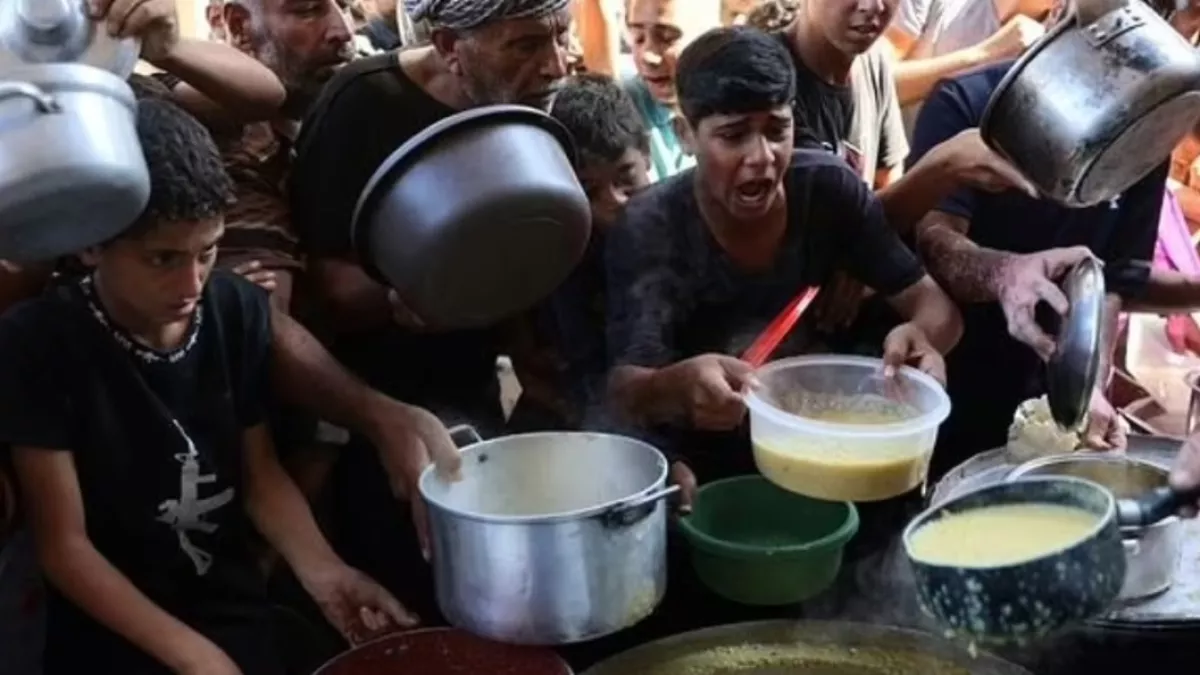
The United Nations World Food Programme (WFP), for its part, identifies another serious challenge stemming from disruptions in global fertiliser markets—namely, the fact that countries in Sub-Saharan Africa are now entering the planting season under these strained conditions. More broadly, the agency warns that a sharp rise in global food and fuel prices could leave millions of families across this region without access to basic food supplies. Should the war in the Middle East continue until June 2026, “an additional 45 million people could be pushed into acute hunger by price rises. This would take global hunger levels to an all-time record and it's a terrible, terrible prospect.”
However, as noted above, no continent remains insulated from the fertiliser crisis. In support of this, one may point to Kevin Hassett, head of the National Economic Council at the White House, who has stated that the United States is actively seeking alternative sources of fertilisers, including potential supplies from Venezuela and possibly Morocco. Washington has already granted licences to Venezuela for the production of significant volumes of fertilisers.
Against this backdrop, Hungary has called on the European Commission to lift duties on fertilisers from Russia and Belarus.
Such are the transformations shaping today’s geopolitical landscape. As the well-known Señor Robinson once put it, “the plot has taken quite a twist.”







 editor@caliber.az
 +994 55 444-88-98
 Азербайджан, Баку, ул. Низами, 203, Af Business House, 5-й этаж