










Why has Europe grown weary of Ukraine? Corruption, scandals, and dependence
Leading media outlets are providing meticulous coverage of the World Economic Forum, and reports from Davos make it clear that the Russia–Ukraine war has fallen not merely to second, but to third—or even fourth—priority at this prestigious event.
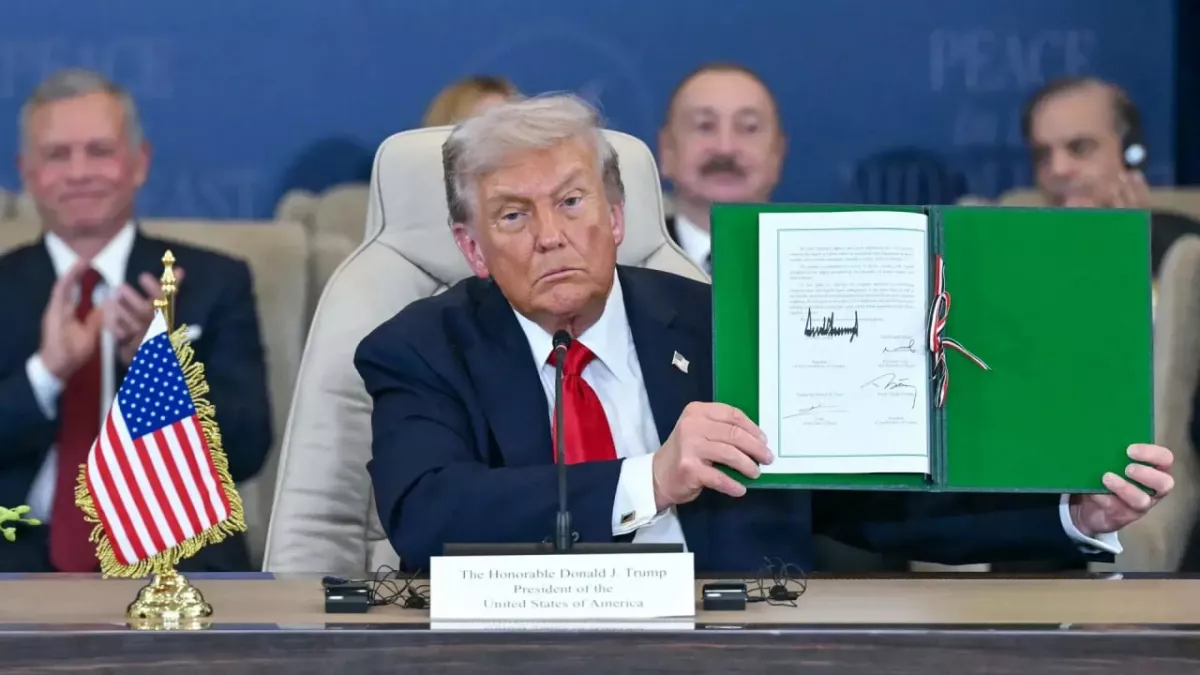
This is not due to the emergence of the so-called “battle for Greenland” between the U.S. and Denmark, supported by leading European countries, nor because of the creation of a new body called the “Board of Peace,” whose prospects are being discussed by world leaders, international experts, and media—which, in itself, is perfectly understandable. The main reason for this deeply discouraging trend for Kyiv lies in the developments within Ukraine itself and the actions of its authorities, which have sparked a sense of persistent fatigue among ordinary citizens worldwide, as well as among journalists and analysts.
Observers and media representatives have noted that President Volodymyr Zelenskyy was heavily reliant on the now-former head of the Presidential Office, Andriy Yermak, who, despite stepping down, continues to wield influence. Yermak, it should be noted, publicly promised to “go to the front.”
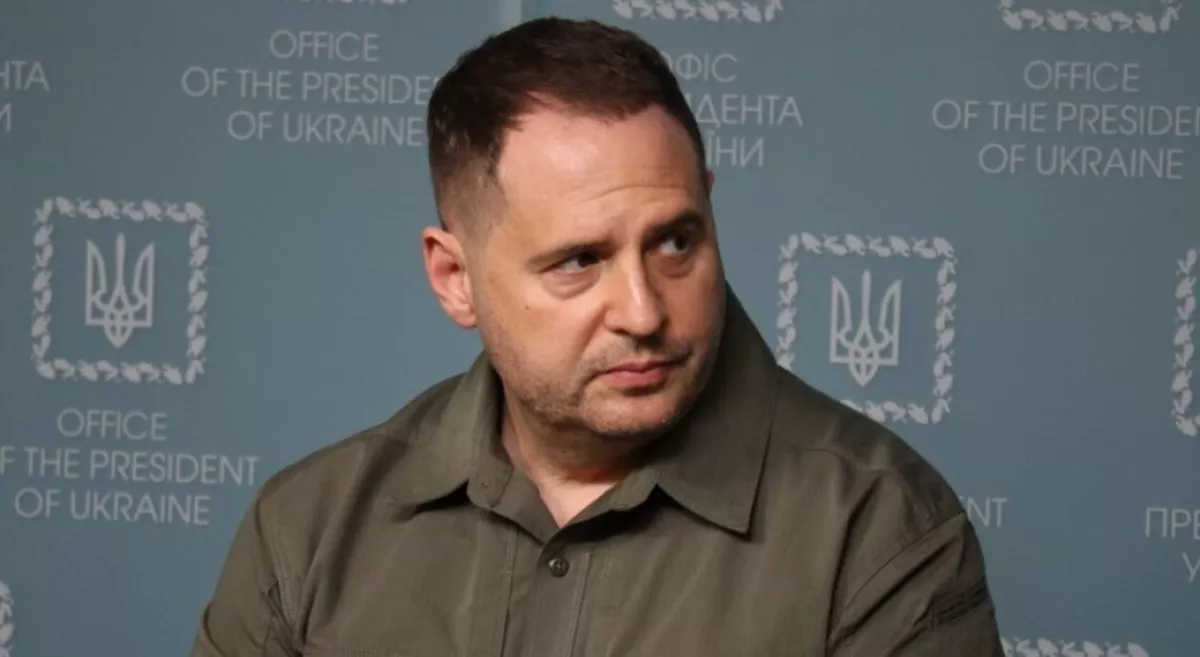
Of course, Yermak never actually joined the Ukrainian Armed Forces—after all, wearing military-style clothing and actually serving in the military are two very different things. This approach by Ukraine’s leadership has openly exhausted many observers around the world, just as much as Kyiv’s transactional attitude toward its partners. A striking example of this mindset came when the Rada’s first vice-speaker, Oleksandr Korniienko, estimated that holding elections in the country could cost more than 10 billion hryvnias ($231 million) and, without a hint of embarrassment, declared: “And partners should fully cover these costs.”
It’s hard to deny that such dependent attitudes can only fuel frustration in European countries—especially given the enormous sums they have already contributed to supporting Ukraine during nearly four years of full-scale war with Russia. And now they are expected to foot the bill for early elections as well—not partially, but entirely?!
Yet the primary reason Ukraine has increasingly become a source of global fatigue is the series of scandals that have rocked not only the citizens of countries backing Kyiv but Ukrainians themselves, exposing the vast scale of corruption within the country.
Beyond the “Timur Mindich case,” in which he managed to escape punishment despite charges from the National Anti-Corruption Bureau (NABU) and the Specialised Anti-Corruption Prosecutor’s Office (SAP), a new high-profile scandal has captured attention. It involves a scheme to embezzle funds from electricity generated from alternative sources in the occupied part of Zaporizhzhia Oblast, resulting in losses exceeding 141 million hryvnias ($3.26 million). Nine suspects are implicated, including former Deputy Head of the Presidential Office Rostyslav Shurma, his brother, managers of affiliated companies, and the former commercial director of Zaporizhzhiaoblenergo.
According to the investigation, in 2019–2020, the group took control of several alternative energy companies, built solar power plants with a combined capacity of around 60 MW in Vasylivka District, and signed agreements with the state enterprise “Guaranteed Buyer” to sell electricity under the “green” tariff.
After the outbreak of the war and the occupation of part of Zaporizhzhia Oblast, the region’s solar power plants lost connection with Ukraine’s Unified Energy System, suffered damage, and their personnel were evacuated. Yet the companies controlled by the scheme’s perpetrators continued, on paper, to report electricity production and collect payments under the “green” tariff. In reality, no electricity was fed into the Ukrainian energy system. The firms submitted false data on production volumes and the supposed readiness of the plants to operate—even during periods of complete blackout. The funds obtained were later siphoned off through affiliated companies.
Cynical? Absolutely. But, unfortunately, this is far from the only shocking story. The scandal that shook Ukraine following the explosive interview of businessman Serhiy Vahanyan has continued to make waves. He gave the interview to the YouTube channel of former Verkhovna Rada deputy and influential political blogger Boryslav Bereza.
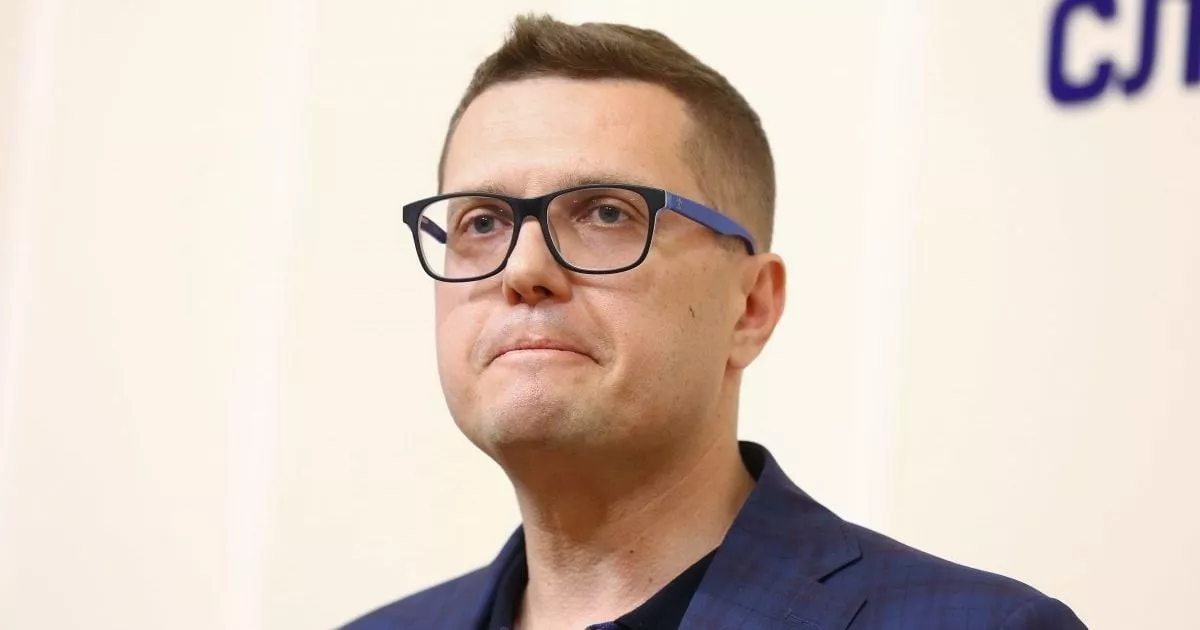
Vahanyan described the creation and operation of a systemic corruption network within the Security Service of Ukraine in 2020–2021, when the agency was headed by Ivan Bakanov, a classmate and close friend of President Volodymyr Zelenskyy, with Andriy Naumov acting as the key shadow overseer.
And yesterday, another “information bomb” dropped. In a second interview with the same YouTube channel, Vahanyan claimed that Bakanov and Naumov received a substantial sum from Russian intelligence services in third countries in exchange for surrendering Ukrainian territories. The businessman alleged that, before the Russian invasion, they left Ukraine in six vehicles loaded with cash.
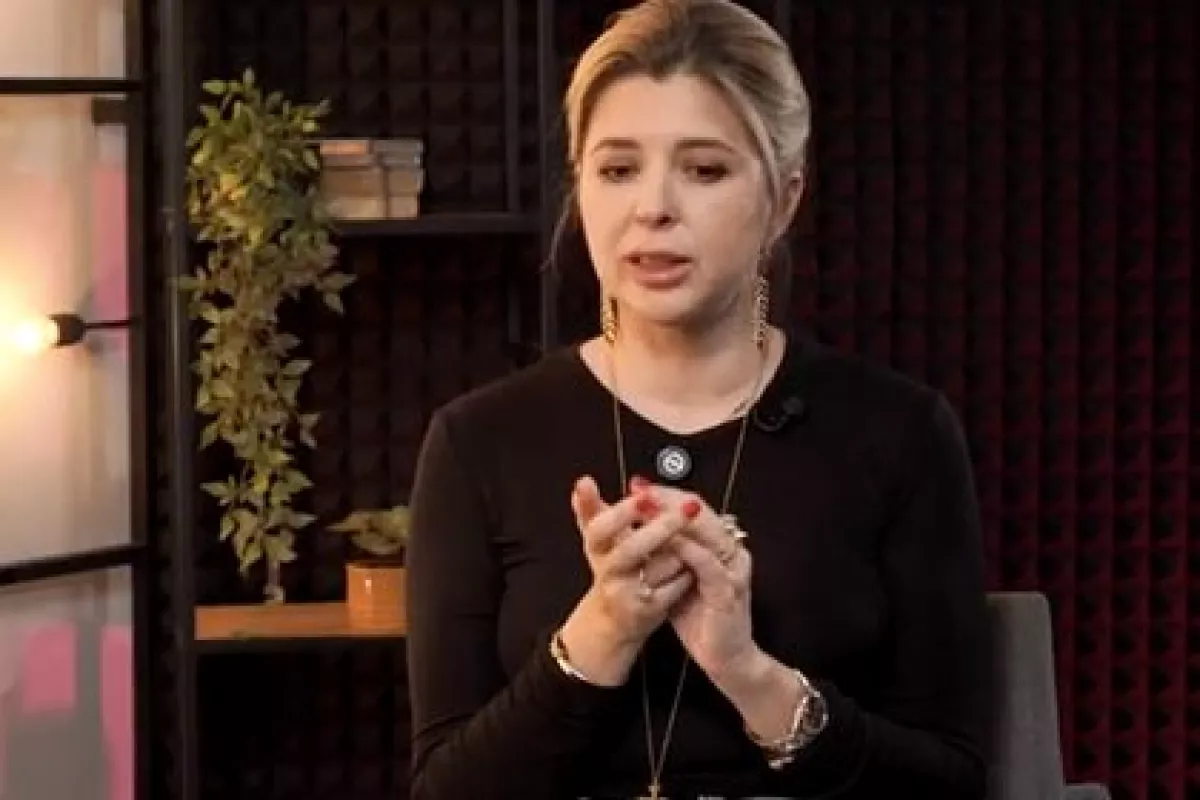
The accuracy of Vahanyan’s claims will ultimately be determined by the NABU investigation. But one thing is already abundantly clear: these revelations seriously undermine the trust of those who sympathise with Ukraine and support it in coping with the fallout from Russian strikes on its energy infrastructure. Statements from certain figures close to the government can even shock those with the steeliest nerves. A striking example: Svitlana Paveletska, a sex shop owner and fiancée of former Foreign Minister Dmytro Kuleba, suggested that Ukrainians could stay warm… with vibrators.
“There are toys that regulate temperature, and we’re promoting them now for cold evenings because they heat up to 38 degrees. If there’s no heating, you can surround yourself with vibrators and stay warm,” she said. As they say in civilised circles: no comment.
In summary, this, to put it mildly, unflattering picture makes it clear that the reaction of political elites and ordinary citizens in Ukraine’s allied countries—reflected in their growing desire to distance themselves from the Russia-Ukraine war—is entirely understandable. How this situation will evolve going forward remains to be seen.







 editor@caliber.az
 +994 55 444-88-98
 Азербайджан, Баку, ул. Низами, 203, Af Business House, 5-й этаж